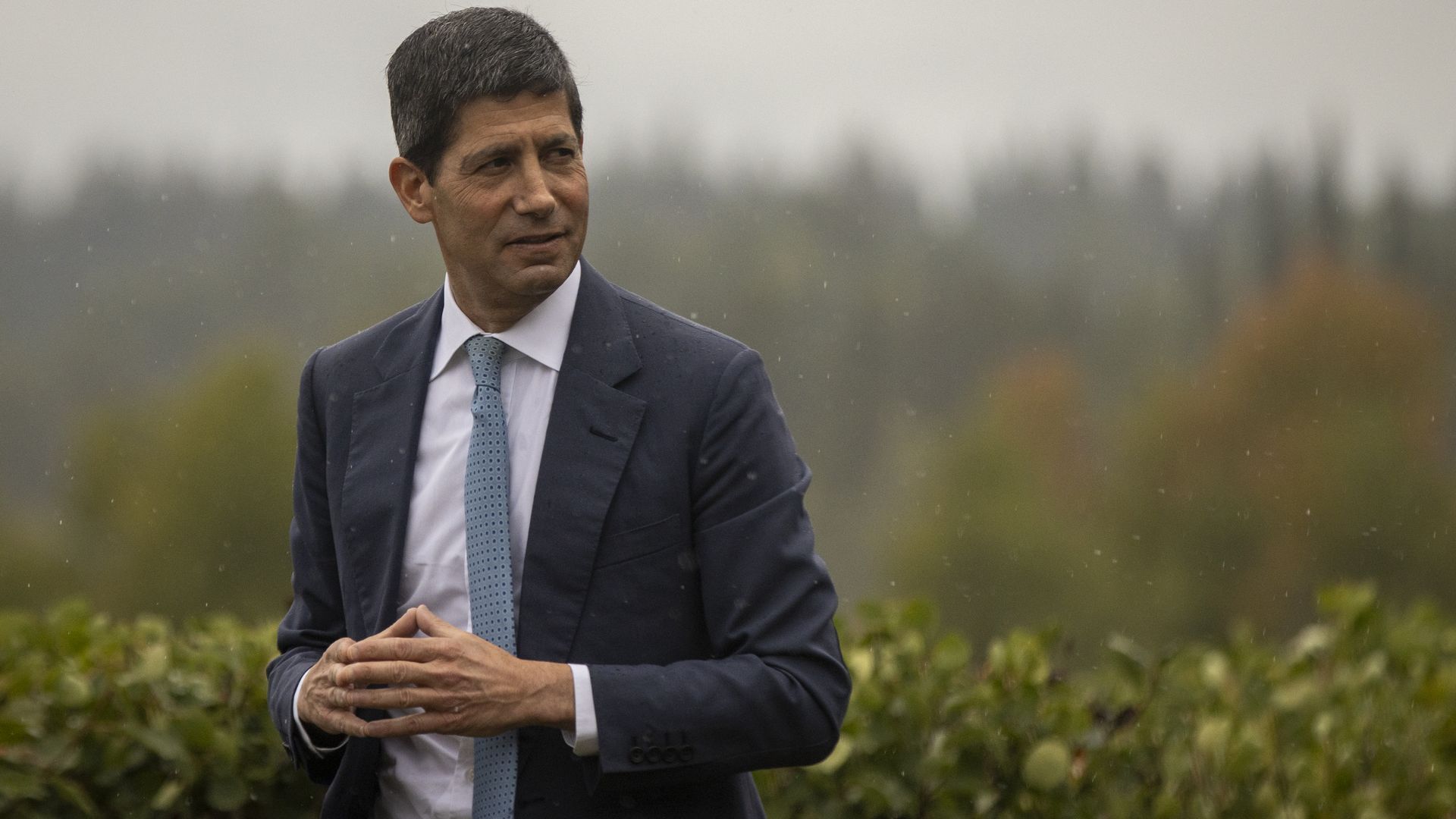
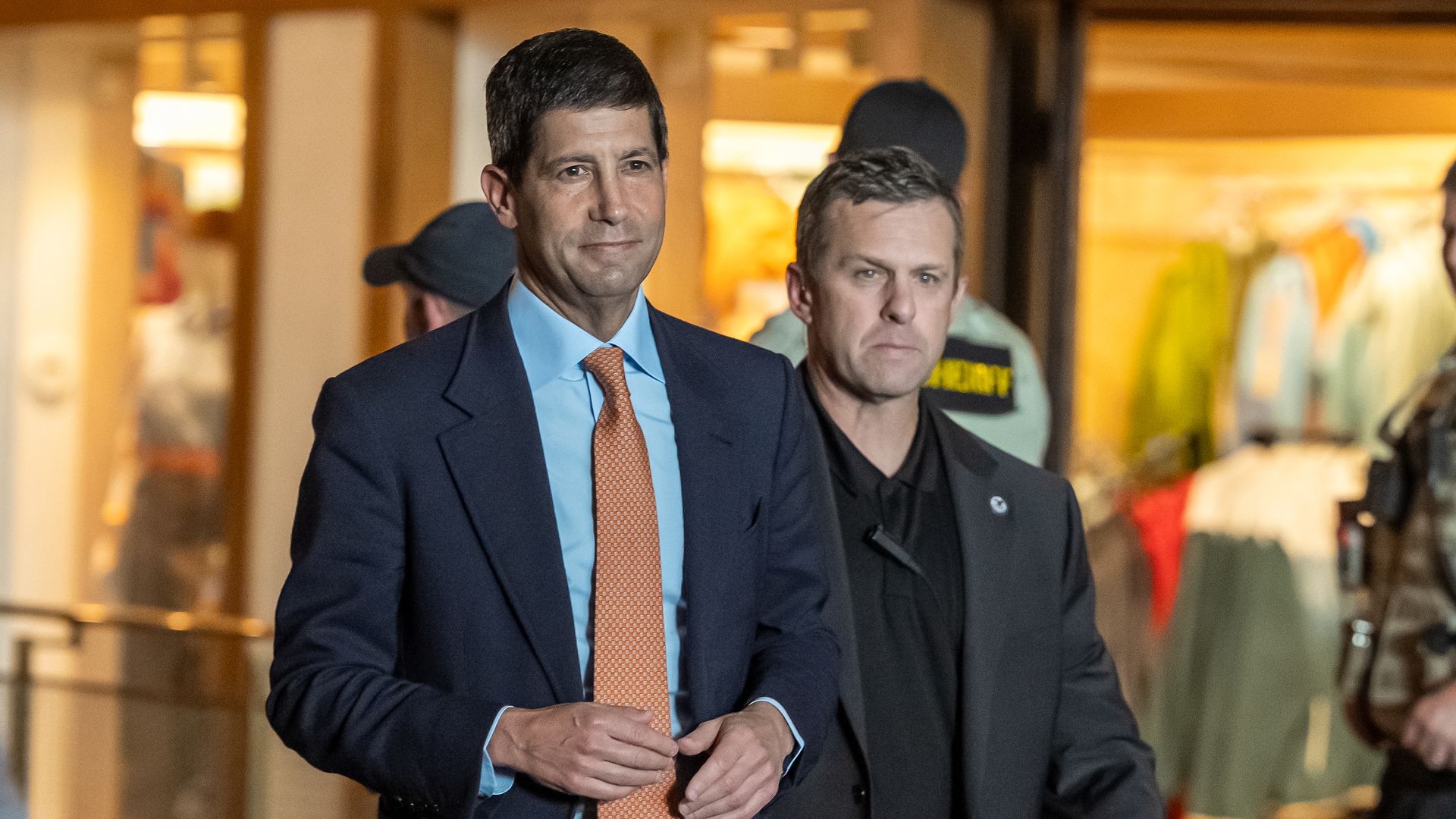
With markets wobbling and the world watching, Federal Reserve chairman Kevin Warsh went back to basics yesterday morning: He affirmed that the Fed is determined to get inflation down and may have to raise interest rates to accomplish it, Axios' Neil Irwin writes from Jackson Hole, Wyoming.
Why it matters: If the Warsh Fed follows through with rate hikes, it would increase borrowing costs for Americans and potentially put him in the crosshairs of the rate-cut loving president who appointed him.
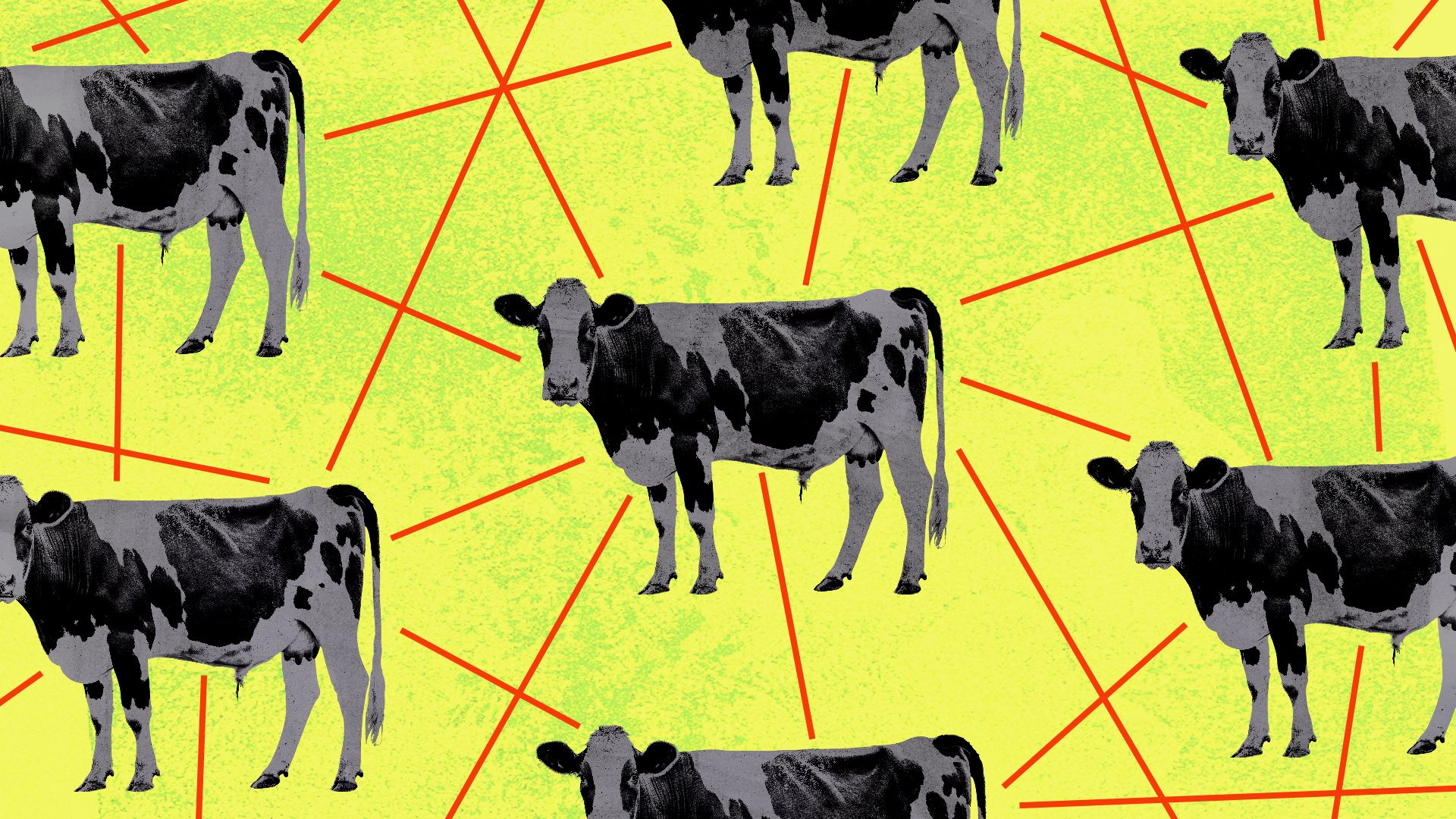
President Trump pledged Friday to allow farmers and ranchers to process their own meat in a salvo aimed at the industry's four dominant meatpackers, calling them a "nasty Monopoly."
Why it matters: The president is under pressure to help a constituency his own policies have squeezed — increasing farmers' costs while raising prices for consumers on products like beef.
New financial technologies are making it faster and cheaper to move money across borders, seemingly reducing the world's reliance on the dollar.
But new research presented at the Jackson Hole symposium suggests financial innovation may instead tighten the dollar's grip on global finance.
Financial innovation is the theme for the annual gathering of central bankers, where they're grappling with how these technologies reshape the financial system.
Federal Reserve chairman Kevin Warsh said Friday that the central bank's leaders have "work to do" if they are not confident that inflation is moving to 2% "clearly and at sufficient speed," implying that interest rate hikes are ahead in the absence of improvement in price pressures.
The big picture: In a much-anticipated speech in Jackson Hole, Wyoming, Warsh made clear that he is committed to the Fed's longstanding policy playbook of using interest rate adjustments to try to manage inflation — even as he sees this as a "hinge point in history" with the advent of AI.
It raises the strong possibility that the Fed's next move will be an interest rate increase, which could put him crosswise with President Trump, who has long sought rate cuts.
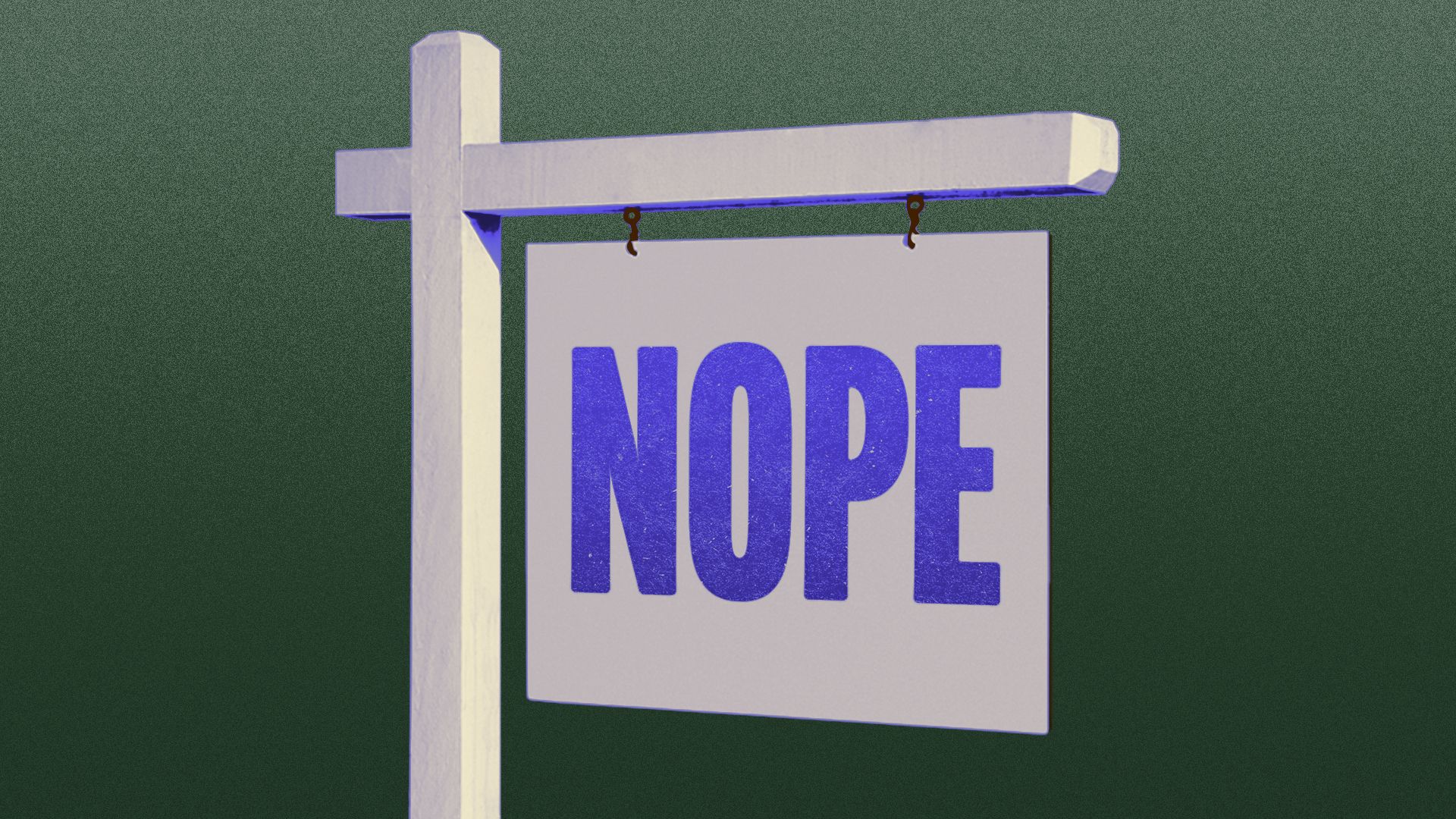
We need to talk about the housing market: It has been in a low-boil recession for four years now, with anemic sales and the appearance of high prices, somehow without tanking the overall economy.
Why it matters: Homeownership is the bedrock of the economy — it's how most Americans build wealth — and changes in the residential real estate market ripple out into things like consumer spending, the job market and inflation.
Why it matters: AI was going to obliterate the software sector, or so investors believed earlier this year, but it turns out that this stuff is hard to quit.
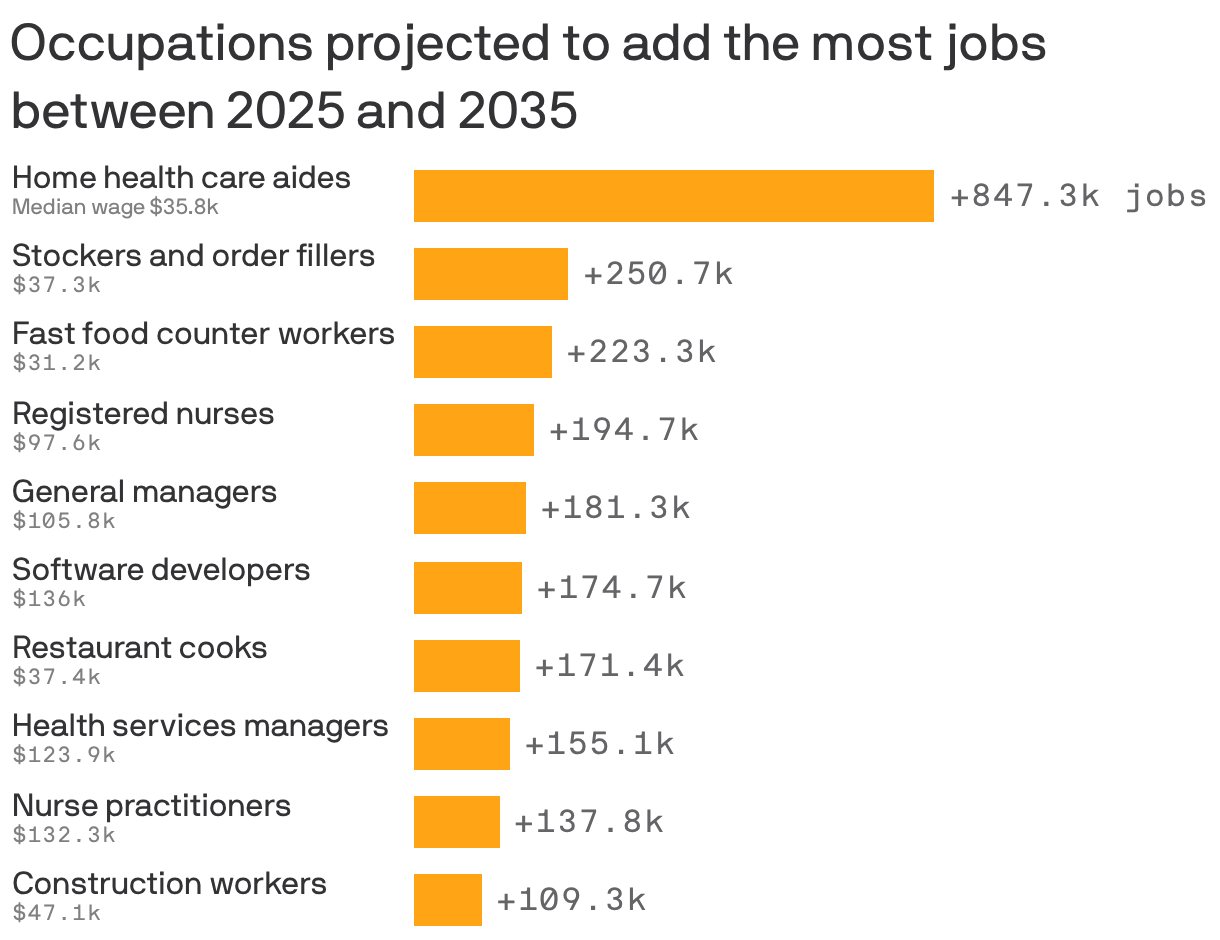
Jobs in health care and social assistance are projected to see the most growth over the next decade, according to a report out Thursday from the Bureau of Labor Statistics.
Why it matters: The explosive growth in these sectors comes courtesy of the changing fabric of the country — an aging population that needs more care.
Those demographics are also a reason job growth overall is projected to slow over the next decade.
The Iran war hits its six-month mark Friday, with President Trump's path to ending it increasingly unclear.
Why it matters:Trump entered the war projecting a four- to five-week military campaign. Six months later, his proposed exits have ranged from military victory to a negotiated peace deal tied to reopening the Strait of Hormuz.
Stripe and private equity firm Advent International have ended their $53 billion pursuit of PayPal, as first reported by Bloomberg and confirmed by Axios.
Why it matters: It would have been the largest fintech acquisition ever.