Why Fed chief Kevin Warsh turned to Central Banking 101

Add Axios as your preferred source to
see more of our stories on Google.
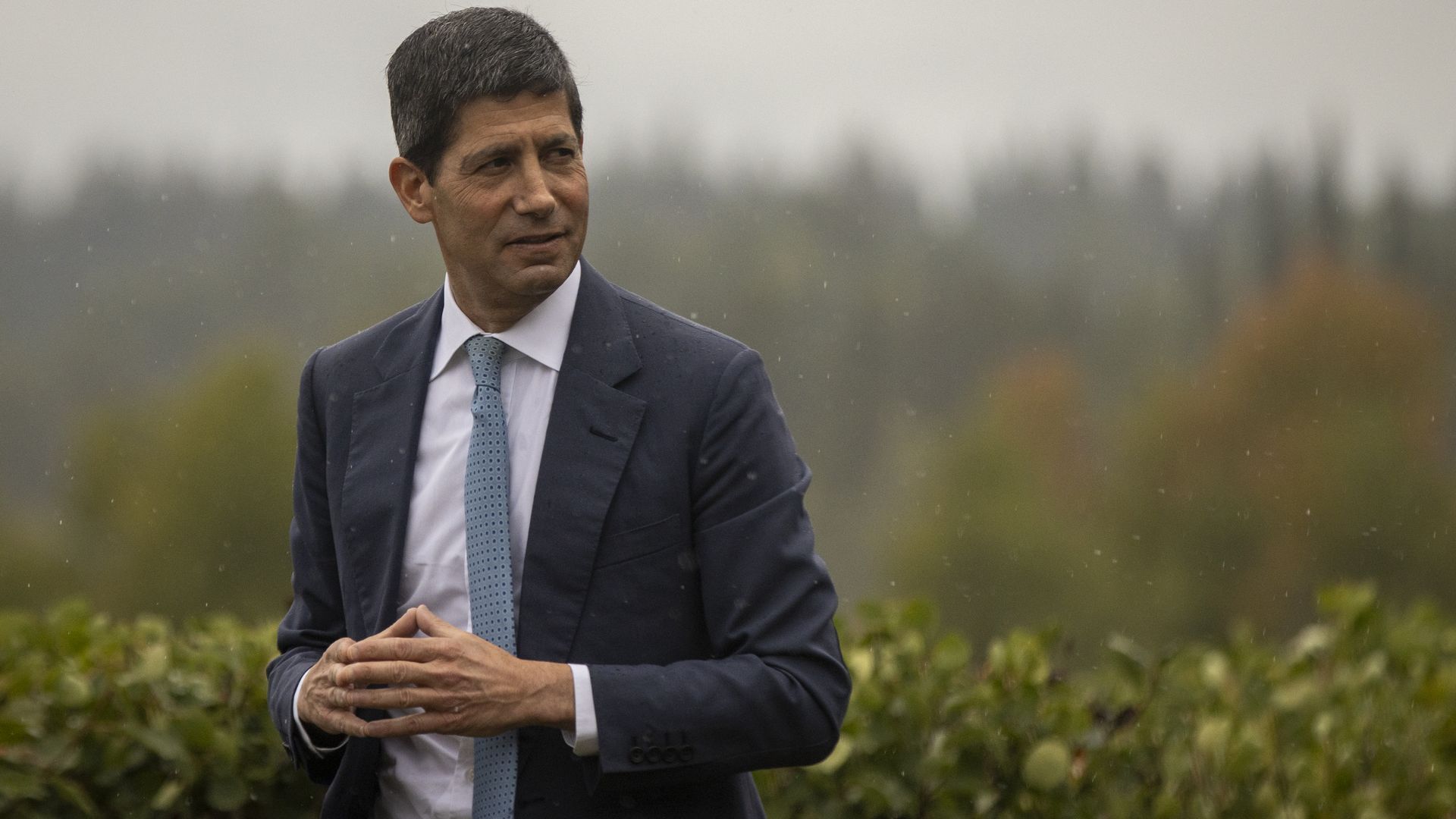
Federal Reserve chairman Kevin Warsh in Jackson Hole, Wyoming. Photo: Natalie Behring/Getty Images
With markets wobbling and the world watching, Federal Reserve chairman Kevin Warsh went back to basics yesterday morning: He affirmed that the Fed is determined to get inflation down and may have to raise interest rates to accomplish it, Axios' Neil Irwin writes from Jackson Hole, Wyoming.
Why it matters: If the Warsh Fed follows through with rate hikes, it would increase borrowing costs for Americans and potentially put him in the crosshairs of the rate-cut loving president who appointed him.
The big picture: Speaking to colleagues and counterparts from around the world in a high-profile gathering, Warsh engaged more in standard central banker speechifying than the vague ruminations that unsettled the bond market last month.
- He laid out his views of the job market (seeing it as pretty good), inflation (still too high) and financial conditions (a little frothy). He gave his clearest hint to date that this combination may soon compel Fed interest rate hikes.
- Even as he envisages an economy — and economic policy — rewired by AI and other innovations — he accepted that the Fed has to set policy right now based on the reality of the U.S. economy in 2026.
State of play: Warsh faced deep skepticism from both his own Fed colleagues and outside commentators after his press conference in late July, when he seemed dismissive of the kind of meat-and-potatoes central banking work of analyzing incoming economic data and discussing how policy ought to respond to it.
- On this rare rainy summer day in the Grand Tetons, he grappled more with the specifics.
Zoom in: Yes, he said, the Fed is aiming for 2% inflation using its traditional measurement, a "firm, fixed target." (In July he had ruminated about alternatives.)
- While this summer's inflation readings "were better than expected, they do not tell me that underlying trends have meaningfully improved."
- Capital spending, corporate profits, and lending activity are all buoyant — which means he "would be hard pressed to describe broad financial conditions as restrictive."
Zoom out: All that maps quite clearly into a need for a tighter policy stance, although Warsh stopped short of the kind of language that would lock the Fed into a rate hike at any particular meeting.
- "We must be confident that underlying inflation is moving to our objective, clearly and at sufficient speed," he said. "Otherwise, we have work to do."
What they're saying: "It appears Chairman Warsh realized that he couldn't appear as the monetary policy maestro that he aspires to be without leading the orchestra to a flawless symphony first," said EY chief economist Greg Daco in a note.
