Chip stocks were hammered again Tuesday, despite some reassuring news from a major player, extending their recent slide into a second week.
The big picture: Investors continue to question the sustainability of the AI spending cycle that has fueled record profits for chipmakers and sent stock valuations soaring.
The Trump administration on Tuesday revoked the temporary waivers it issued as part of the memorandum of understanding (MOU) with Iran that had allowed Tehran to sell oil, the Treasury Department announced.
Why it matters: The revocation of the waivers, issued less than three weeks ago, came in response to the renewed Iranian attacks against ships in the Strait of Hormuz over the past 24 hours.
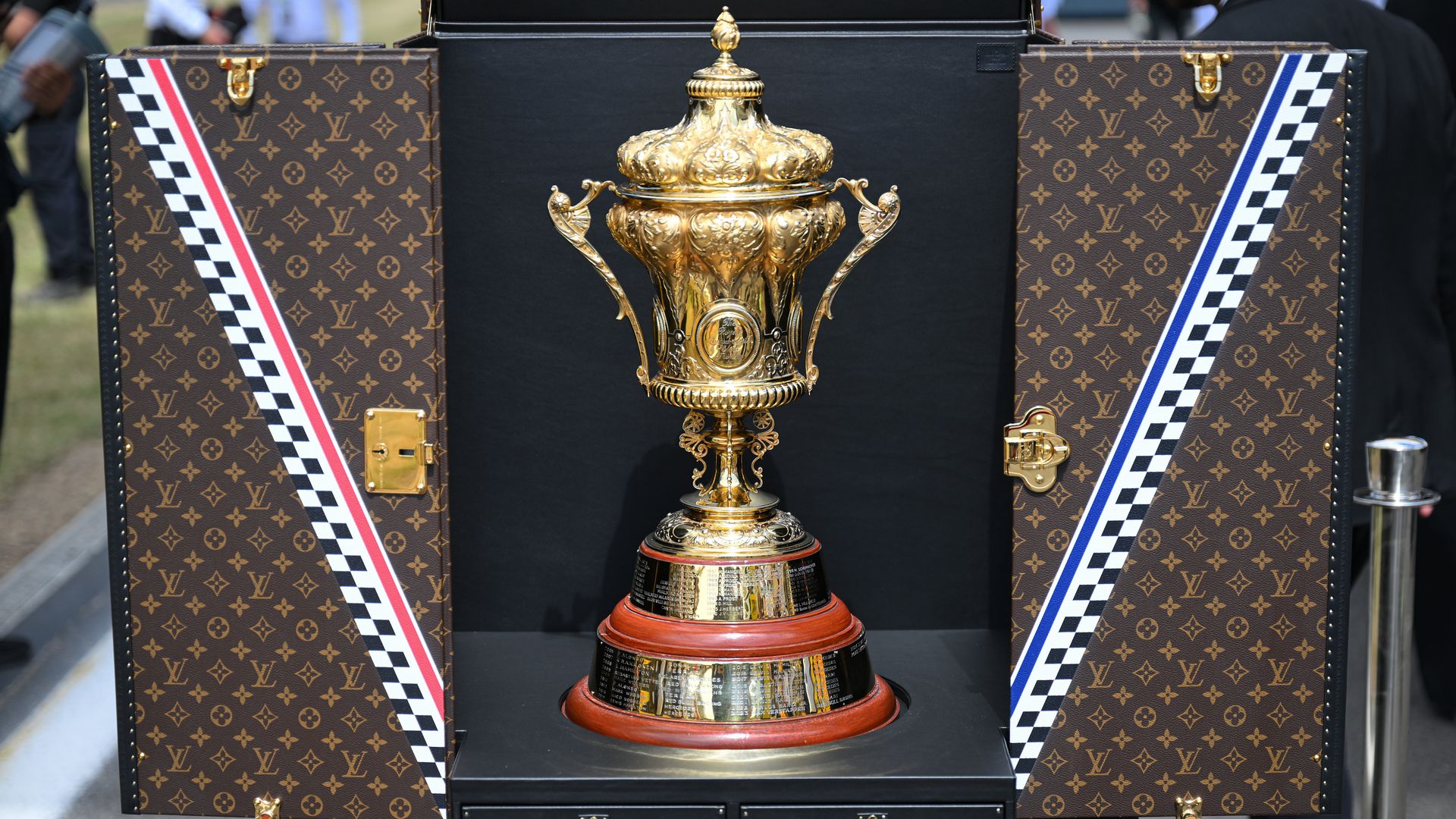
Luxury brands are investing more in Formula One, moving beyond traditional sponsorships to owning major pieces of the F1 experience.
Why it matters: Luxury companies tend to invest heavily in hospitality and VIP experiences, turning race weekends into lifestyle events that go viral online.
Microsoft for years has been an active acquirer of gaming companies, including small independent ones. But that may be changing.
Driving the news: The tech giant on Monday announced a giant restructuring of its Xbox unit, including thousands of job cuts and the divestiture of five gaming studios.
With energy prices falling back toward pre-Iran war levels, you might expect Americans' inflation outlook to improve. You would be wrong, at least according to one major survey.
Driving the news: The New York Federal Reserve's Survey of Consumer Expectations showed a 0.2 percentage point rise in respondents' expected inflation for both the next year and the next three years.
That pushes the one-year inflation expectation to 3.7% in June, the highest since 2023, and the three-year expected inflation to 3.3%, the highest since 2022.
The survey also showed an improving outlook for the labor market, with respondents' expected earnings growth ticking up and their perceived odds of losing their job in the next 12 months falling.
State of play: With inflation running above its 2% target for the last five-plus years, the Fed is hyper-attuned to the possibility of inflation expectations becoming unanchored and a self-reinforcing pattern of rising prices becoming entrenched.
The New York Fed results will do nothing to assuage that fear.
Yes, but:Bond market measures of the inflation outlook have improved in recent weeks.
And the University of Michigan consumer sentiment survey showed an opposite move, with both year-ahead and longer-term inflation expectations falling in June.
Between the lines: Let's put it this way: Nobody would set monetary policy based on a single survey of consumers.
But if they did set policy based on one survey, these results would amount to a big flashing sign in favor of rate hikes.
Financial markets increasingly have a new bet about the next phase of America's economy: Inflation may be coming under control, but borrowing costs could stay higher for longer.
Why it matters: The de-escalation in the Iran war and the reopening of oil flows have caused a marked improvement in the near-term inflation outlook, but that hasn't translated into cheaper overall borrowing costs.
Rather, bond prices are indicating higher real interest rates, counteracting the decline in market-based inflation expectations.
Iran's military fired at least two missiles at commercial ships transiting the Strait of Hormuz on Monday night, two U.S. officials tell Axios.
The IRGC attacked a third commercial ship on Tuesday morning, a U.S. official said.
Why it matters: The reported attacks threaten to unravel a memorandum of understanding signed less than three weeks ago under which Iran agreed to halt attacks in the Strait of Hormuz.
The oil market is shifting quickly from a focus on war-related shortages to an emerging supply glut.
Why it matters: Oil prices drive inflation expectations, which, in turn, drive the interest rates that have been closely correlated to the stock market.
Wall Street expects second-quarter earnings will be massive, although some wonder if the hurdle has been set too high.
Why it matters: Earnings season is a psychological process, and the reaction of the markets to seemingly objective things like profits, sales and earnings-per-share data can hinge on how high the expectations for them have been set.