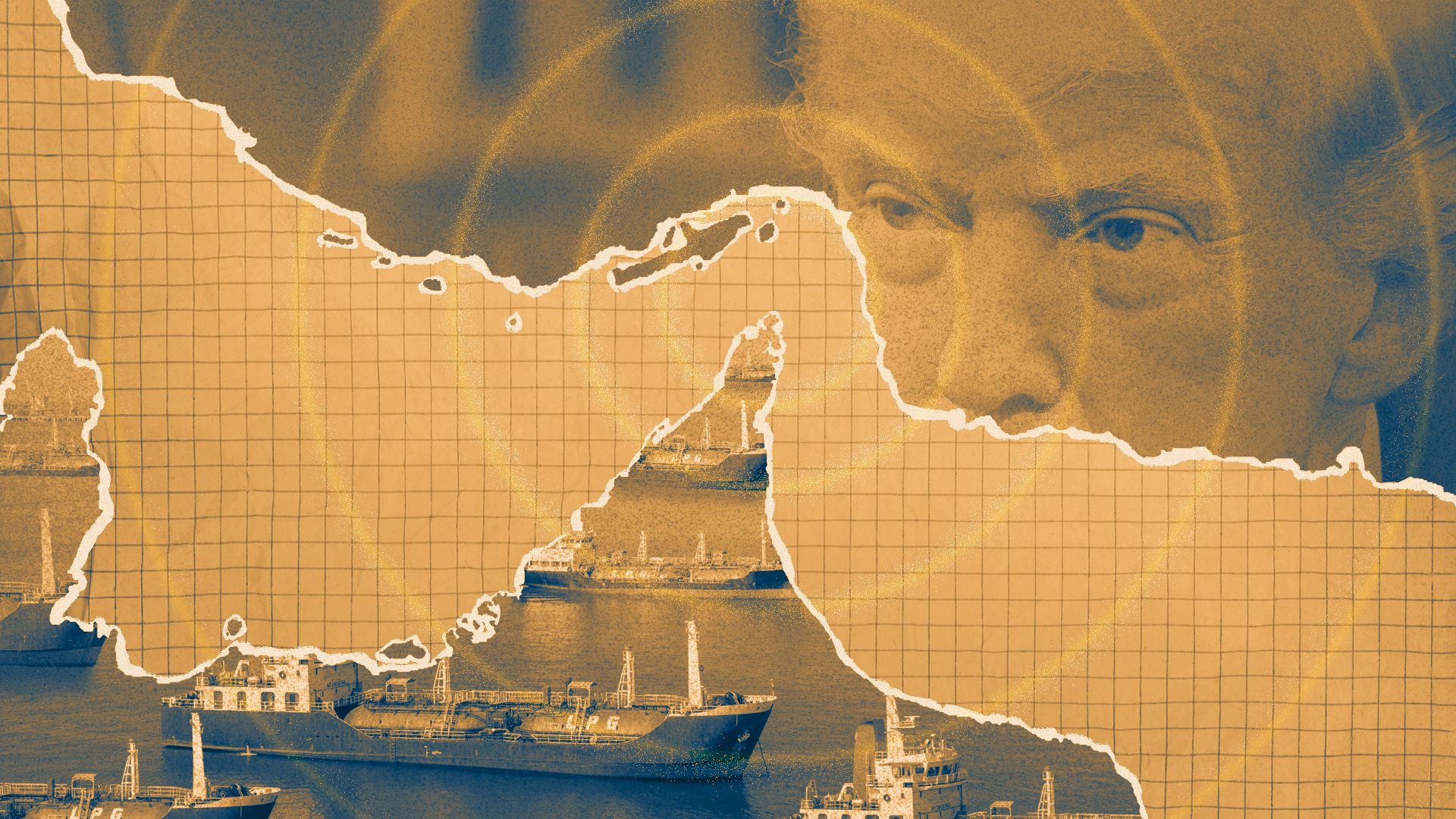
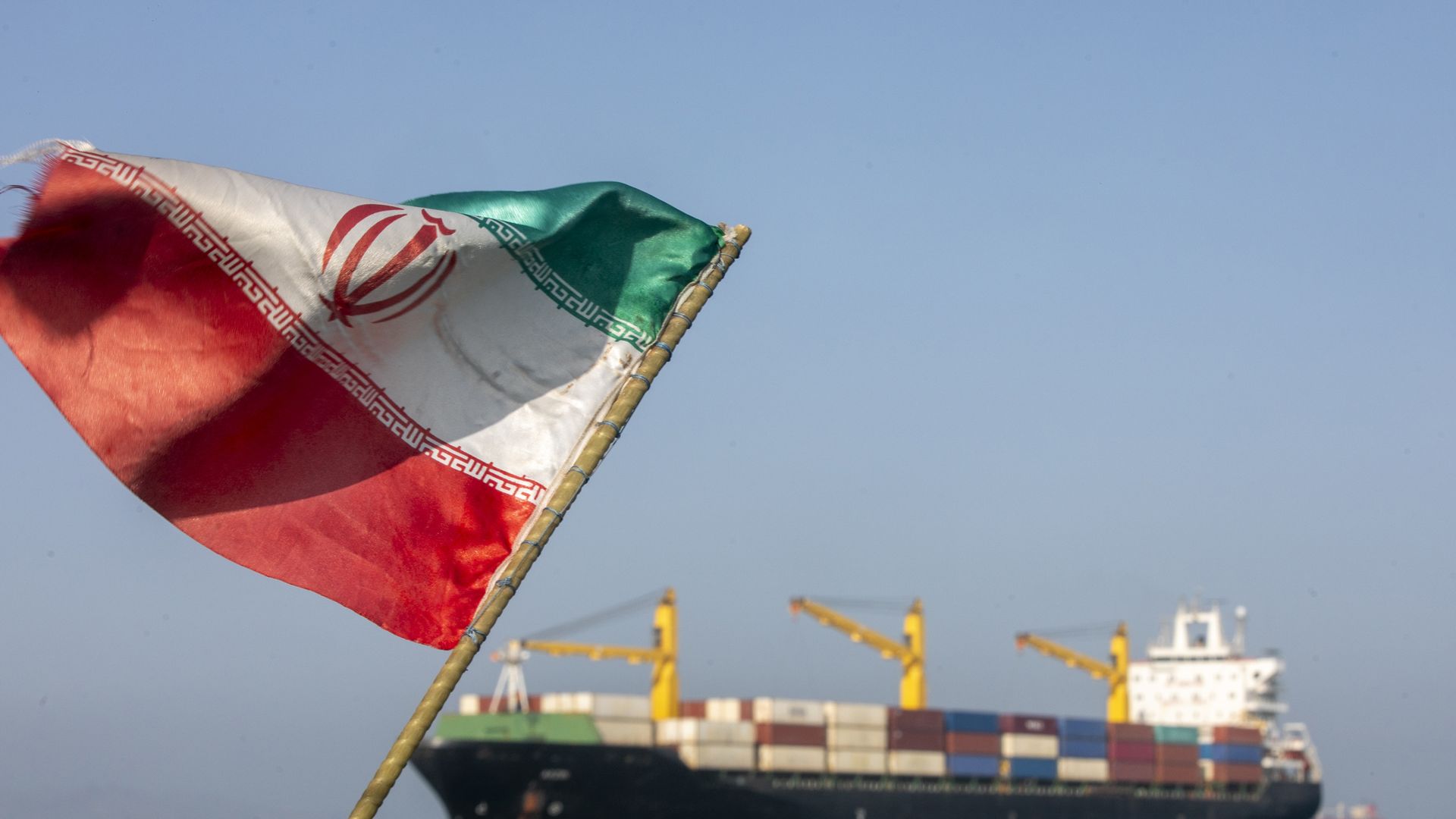
The prospectof a reopened Strait of Hormuz and a pending U.S.-Iran peace deal could help ease the big inflation risk hanging over Kevin Warsh's first Federal Reserve meeting as chairman.
"Ships are starting to move, many loaded up with Oil, out of the Strait of Hormuz," President Trump said Monday morning in a post on Truth Social.
Friction point: Lingering disruptions to shipments of oil, fertilizer and other industrial inputs could keep inflation concerns alive at the Fed.
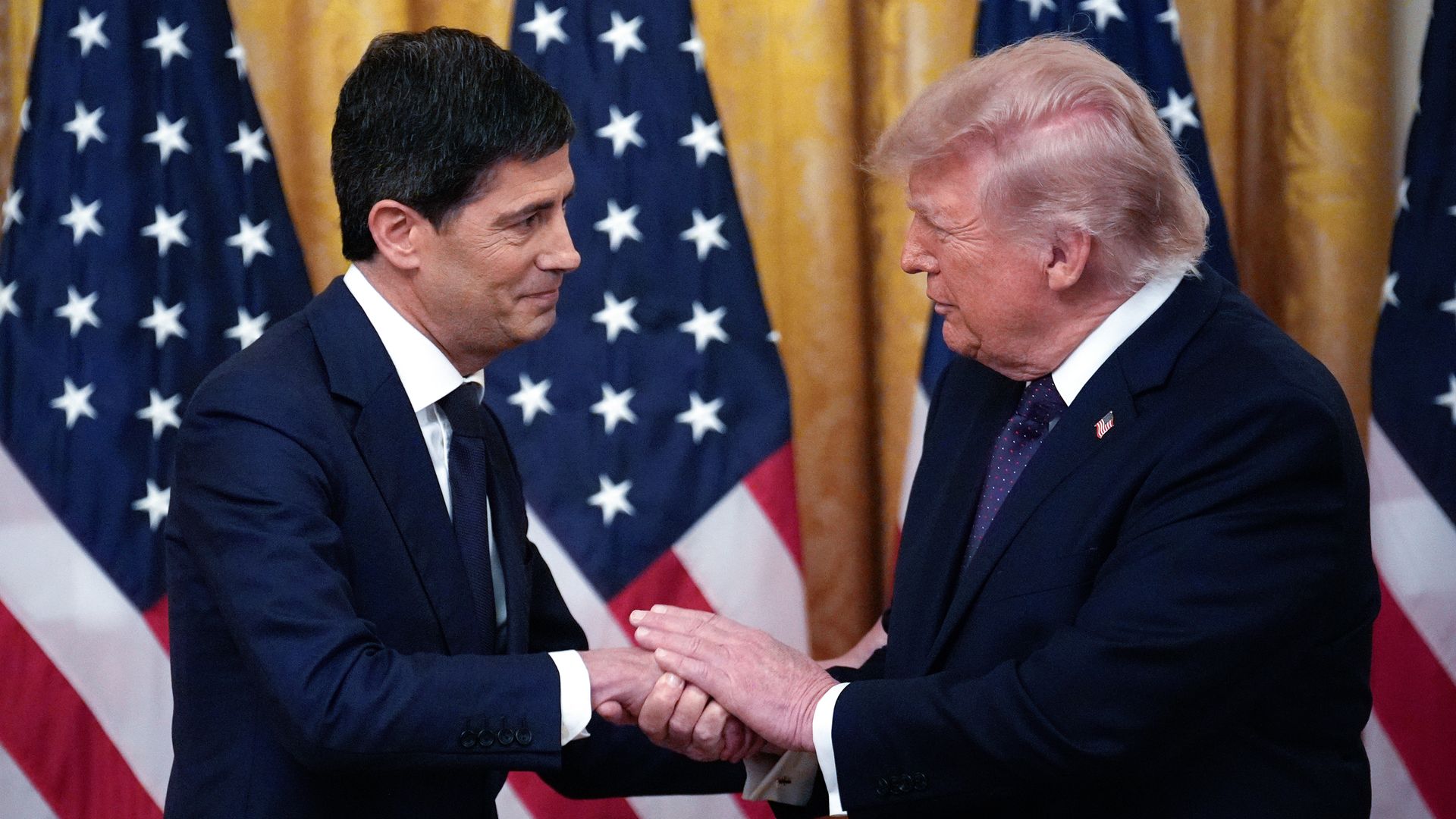
As Kevin Warsh leads his first policy meeting as Federal Reserve chairman this week, he is not getting the luxury of starting the job in "easy" mode.
The big picture: He faces a renewed surge of inflation, a restive wing of monetary hawks on the policy committee and big questions around how he will operationalize the major changes he advocates in how the Fed works.
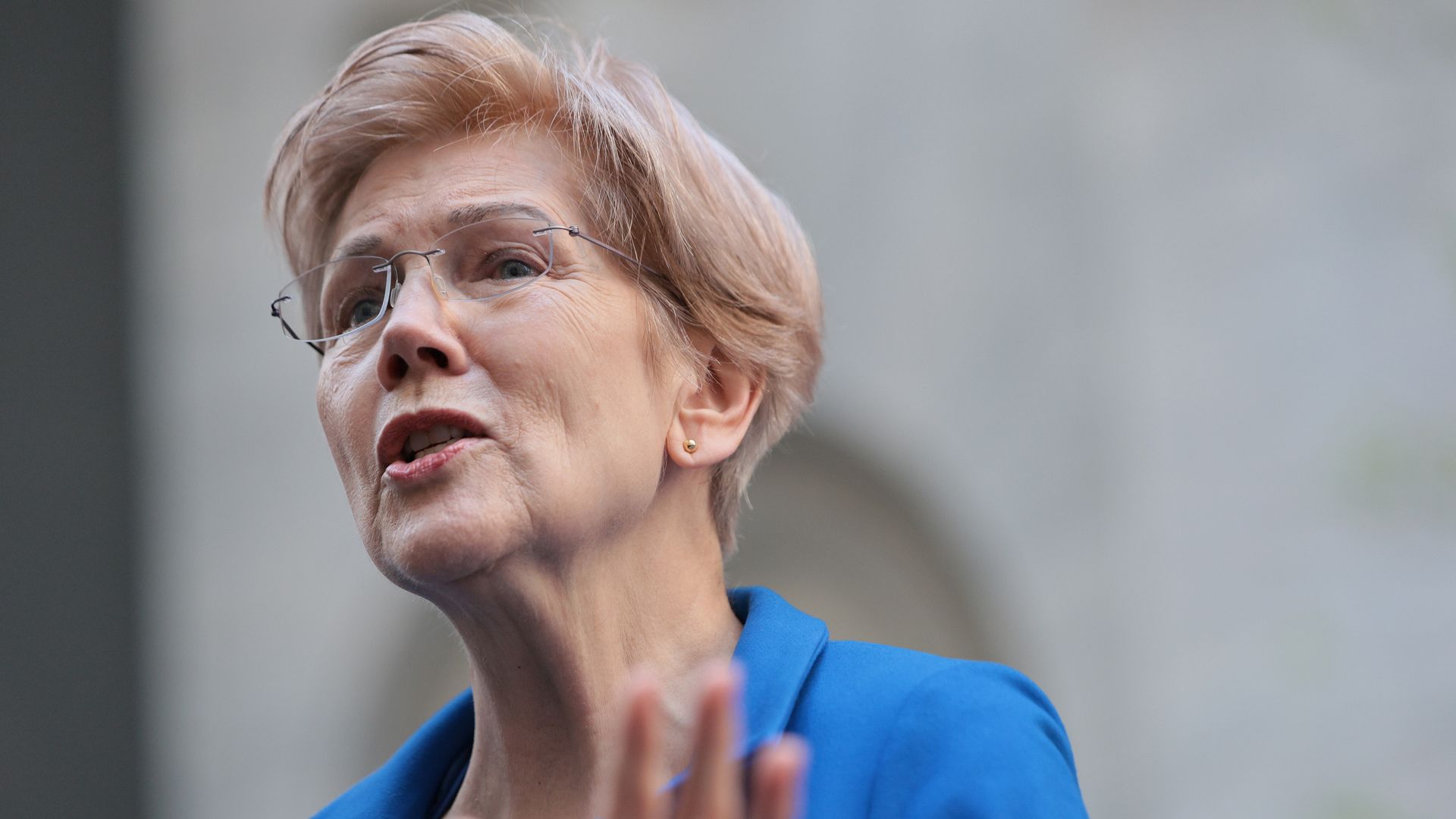
Sen. Elizabeth Warren (D-Mass.) on Friday sent letters to four large infrastructure investors, requesting more information on their data center deals, Axios has learned.
She's specifically interested in possible overlaps between ownership of data centers and utilities (i.e., the demand and supply), but does not allege any wrongdoing.
Why it matters: There is growing political anxiety over data centers that underly the AI revolution, particularly as energy prices rise, and private equity's involvement pours populist fuel on the fire.
The markets are starting the week in their trillion-dollar IPO era, now that SpaceX shares are trading.
Why it matters: Think of Elon Musk's company like a pebble, a big one, thrown into a giant lake of equity — there will be ripples through the public and private markets, and they'll be rippling for a while.
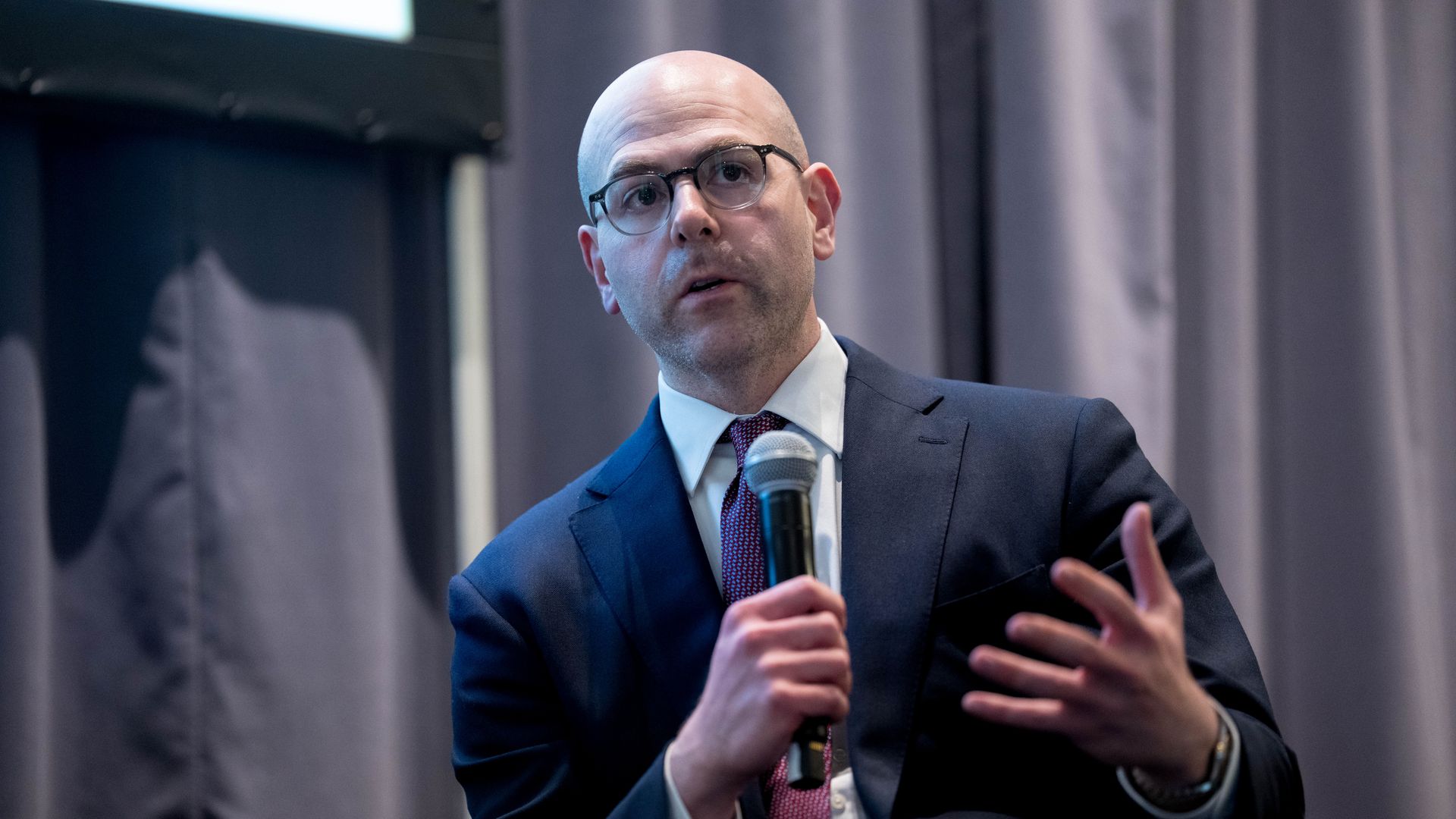
Former Federal Reserve governor Stephen Miran is returning to Hudson Bay Capital Management as a senior strategist in his first role since leaving the Fed in May.
The big picture: Miran returns to the hedge fund with a rare insider view of the White House's economic agenda and the Fed's interest rate-setting debates after serving as President Trump's top economist and the central bank's most persistent advocate for lower rates.
The U.S. and Iran agreed to a framework extending their ceasefire for 60 days, with a formal signing ceremony expected Friday and nuclear talks to follow.
Why it matters: The agreement could reopen the Strait of Hormuz, ease pressure on global energy markets and create a window for negotiations over Iran's nuclear program.