Exclusive: Stephen Miran's next move

Add Axios as your preferred source to
see more of our stories on Google.
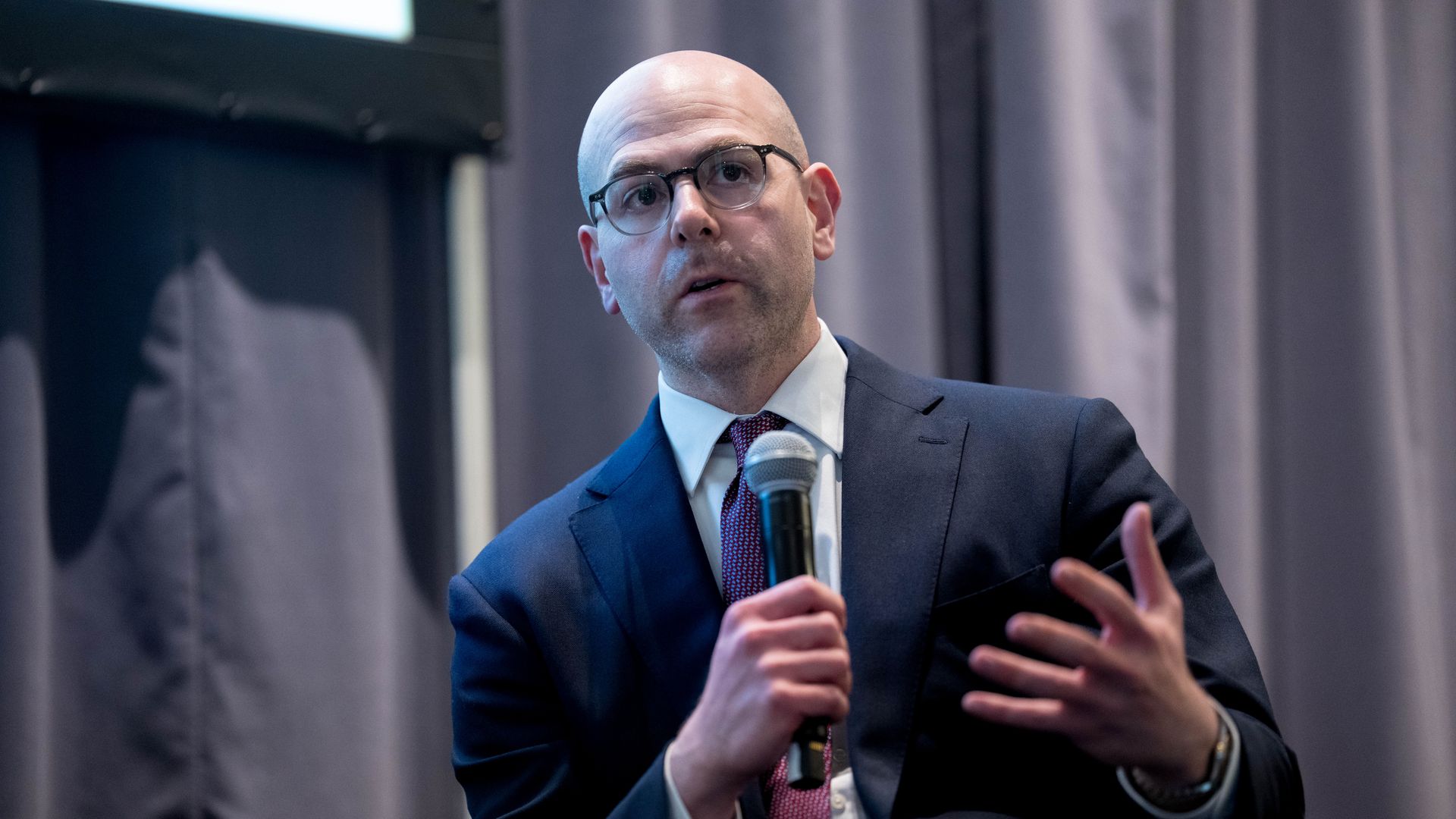
Then-Federal Reserve governor Stephen Miran speaks during an IMF and World Bank Spring Meetings event in Washington, D.C., earlier this year. Photo: Aaron Schwartz/Bloomberg via Getty Images
Former Federal Reserve governor Stephen Miran is returning to Hudson Bay Capital Management as a senior strategist in his first role since leaving the Fed in May.
The big picture: Miran returns to the hedge fund with a rare insider view of the White House's economic agenda and the Fed's interest rate-setting debates after serving as President Trump's top economist and the central bank's most persistent advocate for lower rates.
What they're saying: "I'm delighted to rejoin the talented team at Hudson Bay and look forward to helping the firm and its clients in this dynamic economic environment," Miran said in a statement.
- "Today's market environment is increasingly shaped by geopolitical developments, and Steve's return further strengthens our investment teams and our holistic approach," said Sander Gerber, the founder and CEO of Hudson Bay.
Zoom in: Before joining the Trump administration, Miran spent roughly a year at Hudson Bay, where he authored a widely discussed paper arguing that the U.S. could use tariffs and other tools to reshape a global economic system built around the dollar.
- Those ideas later became known on Wall Street as the "Mar-a-Lago Accord."
Flashback: Miran initially kept his White House job while taking unpaid leave to serve on the Fed board — a highly unusual arrangement that drew scrutiny from Congress and central bank-watchers — before officially leaving the post earlier this year.
- He stepped down from the Fed in May, clearing the way for Fed chair Kevin Warsh to take a governor's seat.
The intrigue: During his eight months at the Fed, Miran dissented at every policy meeting, arguing that policymakers were overstating inflation risks — including AI-related measurement distortions — while understating the disinflationary effects of Trump's economic agenda.
- In his resignation letter last month, Miran said he was "excited about changes" that Warsh and the Fed may make.
Zoom out: Miran will again work alongside economist Nouriel Roubini, a former Clinton administration official and co-author of their paper examining whether Treasury borrowing was helping support growth and financial markets.
- "Steve and I bring distinct perspectives to our roles at Hudson Bay, shaped in part by our experience serving different administrations," Roubini, senior strategist at Hudson Bay, said in a statement.
