As exurban cities near booming metro areas explode in growth, hundreds of U.S. communities are losing residents at a pace that signals deep structural decline.
Why it matters: The shrinking cities are a crisis in plain sight.
Americans are still firing up the barbecue this summer — but high beef prices have them trading down to cheaper proteins like chicken, pork and turkey.
Why it matters: For many Americans, summer means burgers on the grill — and this year, that tradition is getting more expensive.
Axios' Courtenay Brown and John Frank moderated conversations with Johnston; Olive & Finch and Little Finch chef and owner Mary Nguyen; and Rocky Mountain MicroFinance Institute CEO Jessica Sveen during a May 27 event sponsored by JPMorganChase.
By the numbers: 99% of Denver's businesses qualify as small, according to its Chamber of Commerce.
Those employers account for nearly half of the city's jobs.
What they're saying:Cost of living heavily influences whether employers stay or go.
"We're about making this the easiest place to do business and the best place to live," Johnston said.
Yes, but: "It's tough out there" for small businesses in Denver, Sveen said.
"There is not going to be enough city dollars to be able to solve the financial challenges of every business in the city," Johnston said.
What's next: "We want to successfully deliver all the large projects we've started," Johnston said.
The new Broncos football stadium, National Western Complex, Park Hill Golf Course and River Mile are "catalytic," he added, and will add jobs, housing and destinations.
"I truly believe that Denver is going to come back," Nguyen said.
Content from the sponsor's remarks:
Gavin Borowiak, JPMorganChase's West Division business banking director, said in a View From the Top conversation that "everyone wants to chase the American dream. That usually means starting a small business."
If the public and private sectors can collaborate on policy "that supports the small-business community, then you've got small businesses that are willing to take chances," Borowiak said.
JPMorganChase is going to "stay in our lane" and focus on how to "help small businesses start, grow and hire."
Automakers are building up vehicle inventories, particularly in Asian markets, as a hedge against supply chain disruptions caused by the war with Iran.
Why it matters: The industry learned long ago not to build more cars than consumers are willing to buy, but they're also wary of getting caught flat-footed as they did during the COVID-era semiconductor shortage.
President Trump's immigration crackdown is causing one of the sharpest slowdowns in U.S. population growth in decades. Economists are beginning to tally the effects, with some warning that the damage will stick around.
Why it matters: The policy-driven immigration reversal underway has few modern parallels. The immediate result is evident in monthly employment figures, with the economy cranking out fewer jobs.
But over time, fewer immigrants could be a productivity drag lasting well into the second half of this century.
A war of words between U.S. and Canadian officials has raised the risk of a blow-up in North America's signature trade deal. This week offered, perhaps, the first hint of a thaw.
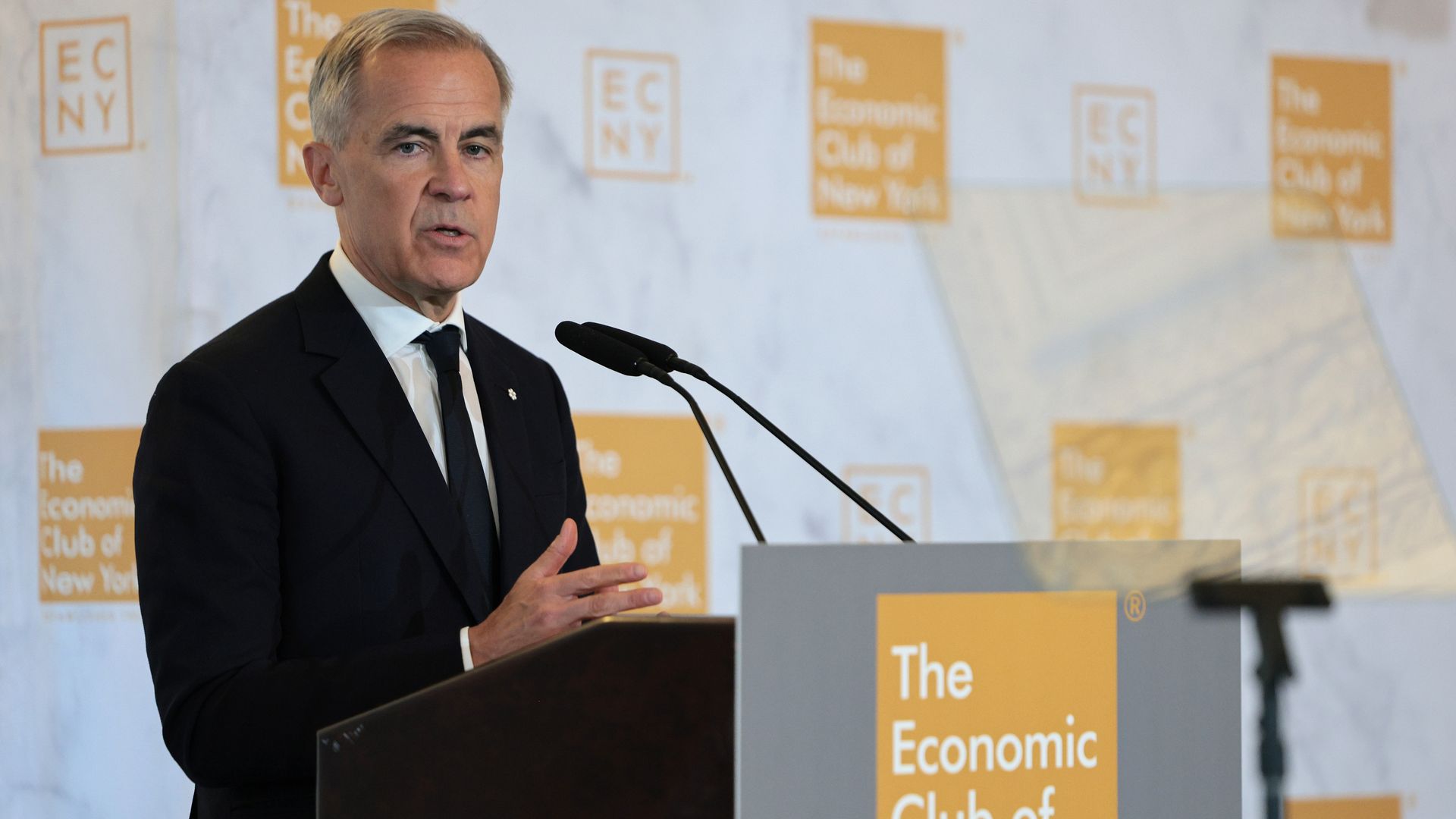
Driving the news: Canadian Prime Minister Mark Carney signaled a desire for stronger U.S. ties — a shift in tone relative to earlier this year, when he suggested integration had created "vulnerabilities."
Kalshi announced Friday that it will begin offering perpetual futures contracts — a form of derivative that moves the prediction market company into more complex trades than conventional yes-or-no bets.
Why it matters: Perps — as they're commonly known — serve as futures contracts that allow investors to effectively bet on whether the price of an existing asset will go up or down.
Polymarket last week launched prediction markets tied to "private company performance and milestones." Or, put more simply, betting on startup valuations.
Why it matters: This could expand investor exposure to the hockey stick phase of startup growth — including for IPO procrastinators like Stripe — albeit indirectly.
Snowflake escaped the market's software-stock penalty box after posting earnings results, even as traders shrugged off the numbers from fellow software stalwart Salesforce.
The big picture: Software shares have struggled, as investors bet AI will undercut the previous profitability of software-as-a-service (SaaS) companies.
America's billionaires are developing their own prescriptions for AI-fueled inequality, anxious to defuse a populist revolt aimed at their ballooning fortunes.
Why it matters: The AI boom has dramatically raised the stakes of the wealth-tax debate, unleashing a technology that could wipe out millions of jobs while minting the world's first trillionaires.