Americans across income levels are flocking to cruise vacations despite economic anxiety and broader travel headwinds.
Why it matters:Cruises are one of the travel industry's most resilient sectors — drawing younger travelers and value-conscious consumers even as other parts of the vacation economy show signs of strain.
The Federal Reserve's annual household survey shows Americans are managing even as their perceptions of the broader economy have collapsed.
Why it matters: The gap between how people feel about their own finances and how they view the national economy remains far wider than pre-pandemic times. That divergence could help explain why consumer spending has chugged along even as other sentiment readings hit record lows.
The good news in Thursday morning's April retail sales report is that the overall numbers are holding up fine. The bad news is that there are early signs of higher energy prices crimping Americans' spending on everything else.
The big picture: One of the great questions for the economy in the months ahead is how much demand destruction there will be from the blockade of the Strait of Hormuz and the resulting surge in prices for fuel and other commodities.
Cerebras Systems, a Silicon Valley-based AI chipmaker, raised $5.6 billion in its IPO.
Why it matters: We knew this would be the year's largest IPO, but it crushed even those high expectations — benefiting from a broader surge in semiconductor stocks.
Pope Leo XIV is expected to sign his first encyclical later this month, positioning artificial intelligence as the defining moral and labor challenge of a new industrial revolution.
Why it matters: The document, reportedly titled "Magnifica Humanitas" ("magnificent humanity"), would become the Catholic Church's clearest attempt yet to place human dignity, labor rights and ethics at the center of the AI race.
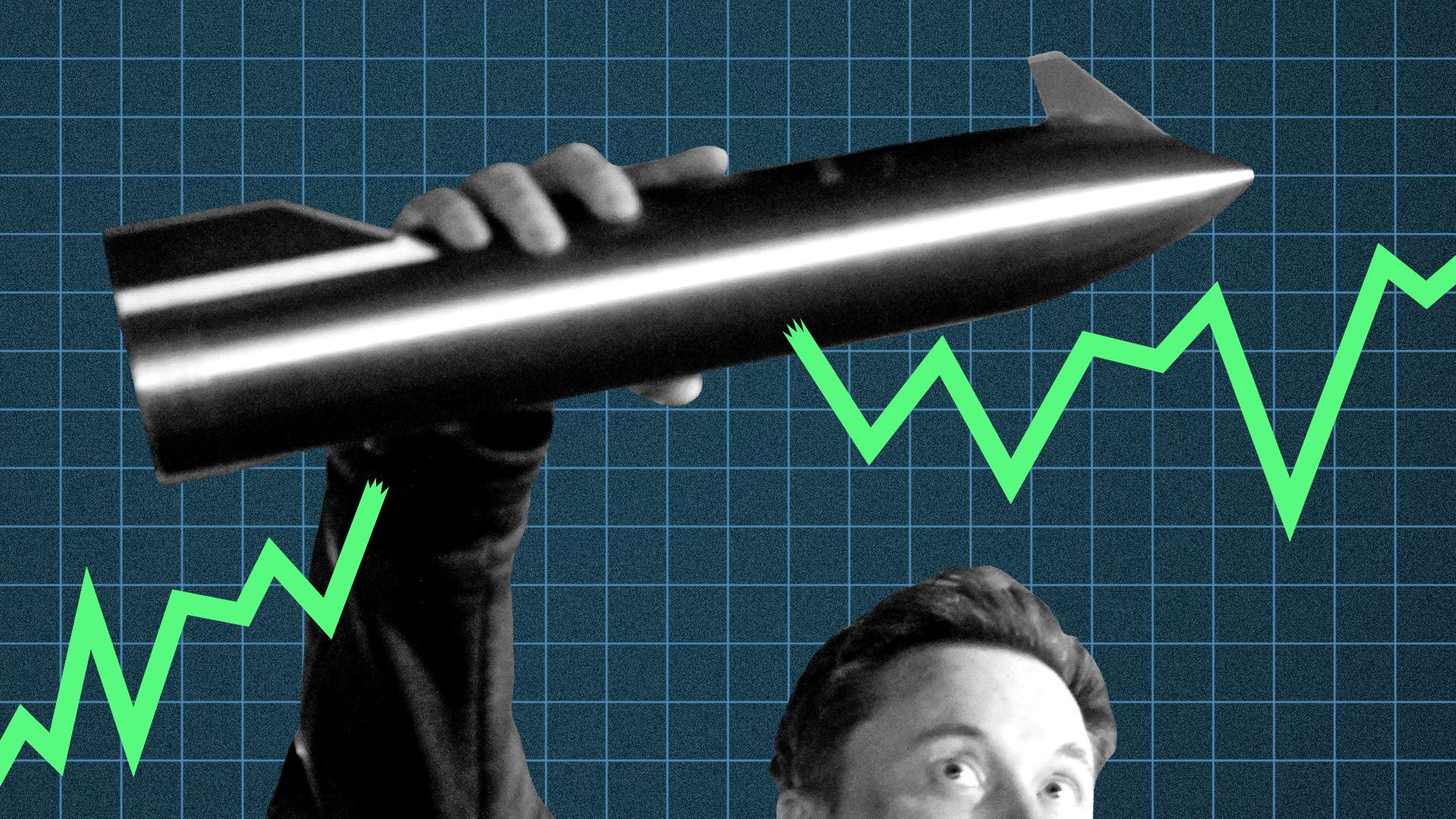
Elon Musk's $1 trillion-plus SpaceX isn't a public company yet, but its size and ambitions are already upending the stock market and sparking questions over the power and influence wielded by such behemoths.
Why it matters: The IPO, expected next month, would signal the start of a new AI era for the public markets, potentially valuing SpaceX as much as $2 trillion.
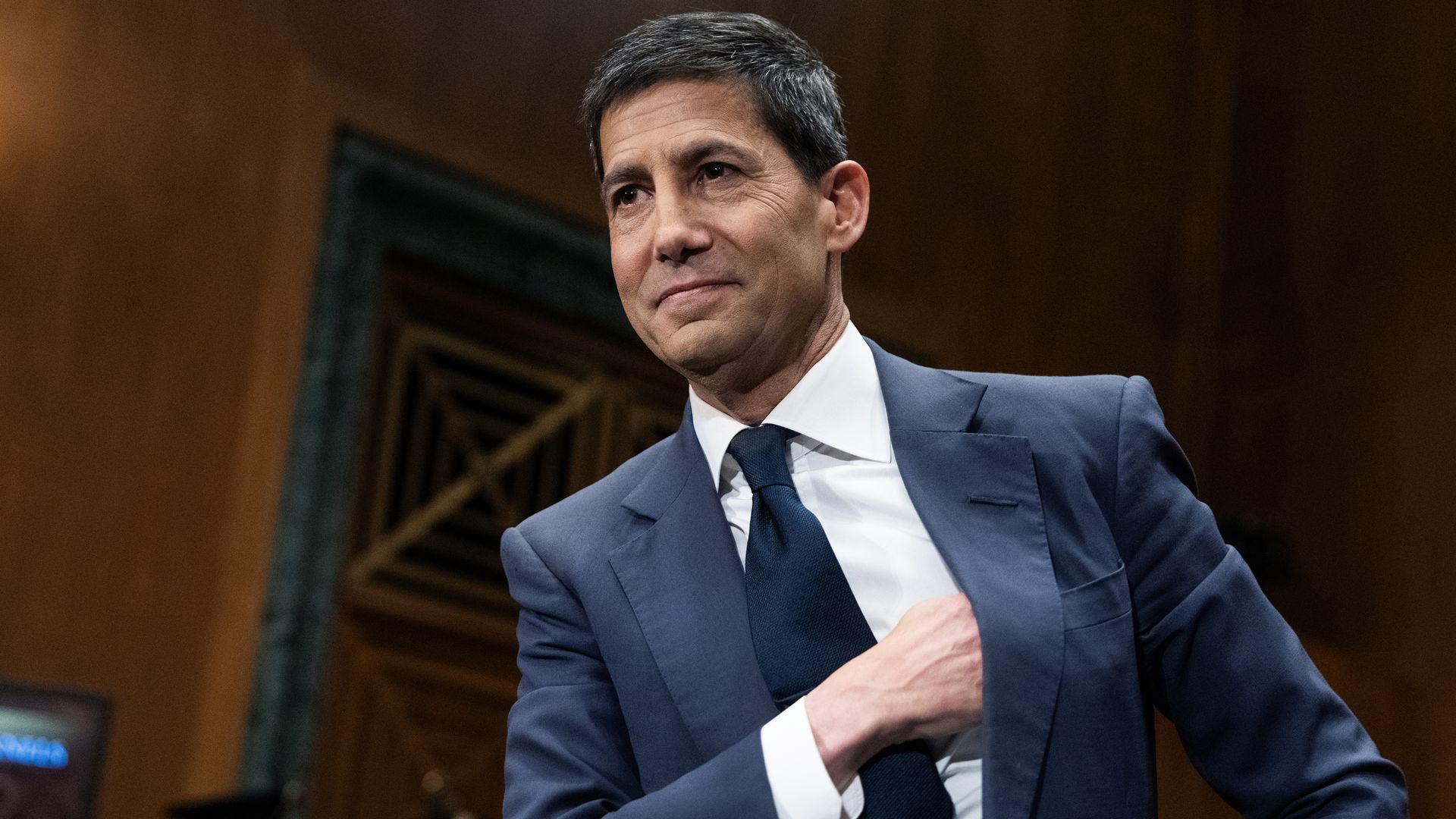
Kevin Warsh has been confirmed as the 17th leader of the Federal Reserve, becoming America's economist-in-chief at a moment of resurgent inflation, public discontent with the economy and unprecedented attacks on the Fed's independence.
Driving the news: Warsh was confirmed to a four-year term as Fed chair Wednesday by a 54-45 Senate vote. He received unanimous support from Republicans but only one "aye" vote from a Democrat, John Fetterman of Pennsylvania.
Warsh takes the helm of the central bank after Jerome Powell's term ends Friday.
America's inflation problem is getting worse, not better, as 2026 progresses. New wholesale price data — on the heels of Tuesday's consumer price report — confirm it.
Why it matters: The evidence of continued price pressures stretches far beyond the energy price spike that occurred following the Iran war, and suggests ongoing pressures across a range of goods and services.
Americans may be burdened by inflation, but they're still willing to buy cars, especially used ones, according to new research shared first with Axios.
Why it matters: While cost pressures persist, demand for vehicles remains resilient because of how essential they are to work and opportunity.
Amazon is making Alexa a more powerful shopping companion by folding its Rufus assistant into Alexa+.
Why it matters:AI shopping assistants are quickly moving from search boxes to software agents that can track prices, remember preferences, recommend products and eventually make purchases for consumers.
Semiconductors, or chips, are again turning out to be the It Girl of the global economy.
Why it matters: Chips are essential to the AI build-out, and that's driving a huge burst of demand, creating supply shortages, pushing up prices and creating an investment frenzy.
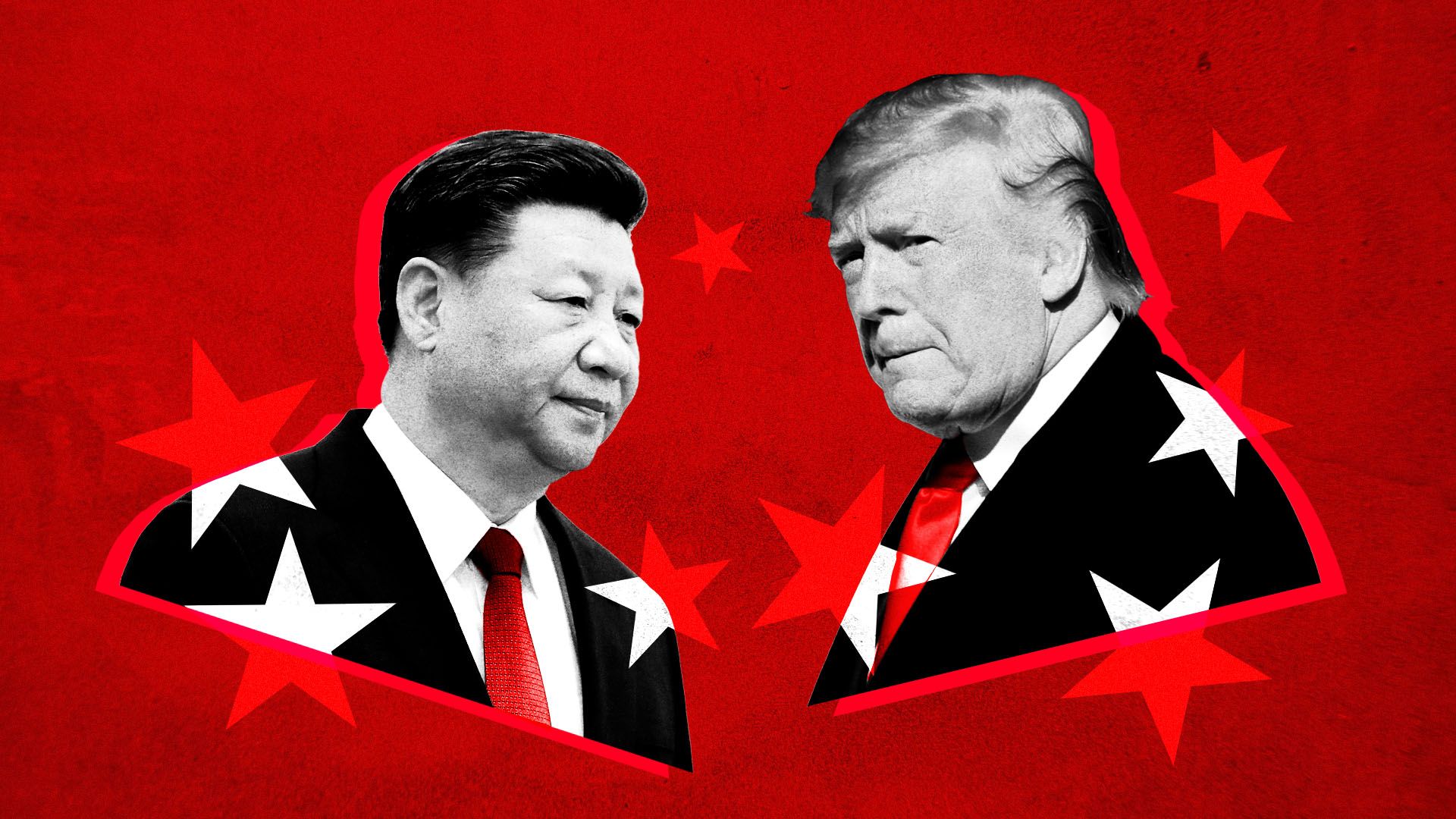
President Trump flew to Beijing on Tuesday under some of the darkest economic clouds of his political career, leaving behind a country reeling from the cost of everyday life.
Why it matters: The bottom is falling out on Trump's economic credibility — the central promise of his return to power. The inflation crisis that doomed his predecessor suggests he may not recover.
Business leadersand lawmakers are closely watching whether President Trump returns from Beijing with a splashy Chinese investment commitment.
Why it matters: Such a deal would go further than the agricultural and aircraft purchases that have so far anchored U.S.-China negotiations.
Trump has made big-dollar investment pledges a trademark of his second term, giving him numbers to tout back home, even as earlier commitments from the likes of Japan and Europe have yet to fully materialize.