Monday's economy stories

Trump invokes Cold War law in move to boost energy supply
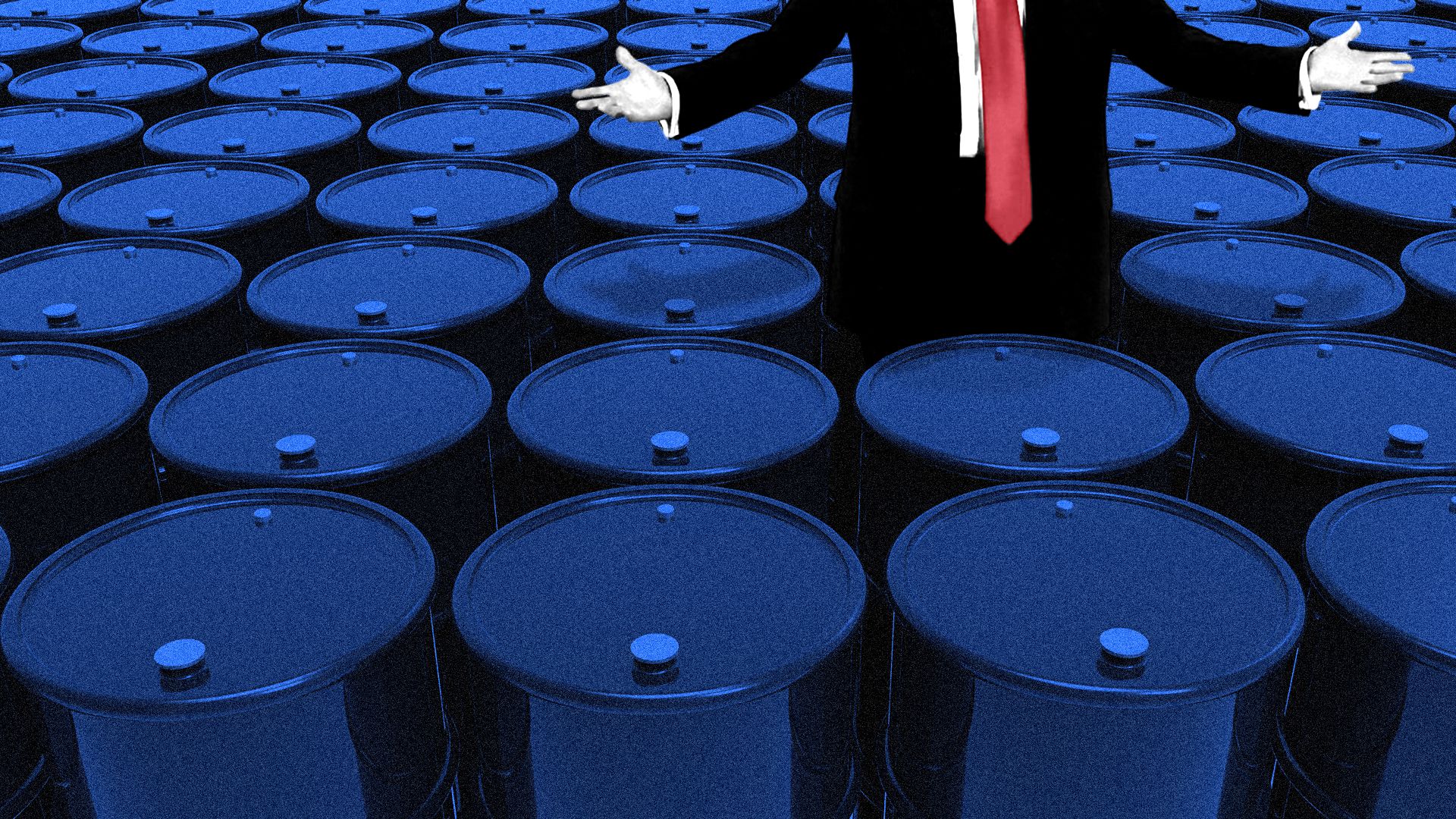
President Trump said Monday he'll use a Cold War-era national security law to try and bolster domestic production of motor fuels and electricity.
Why it matters: His use of the Defense Production Act comes amid high gasoline prices during the Iran war, and rising power costs.


Apple CEO Tim Cook is stepping down
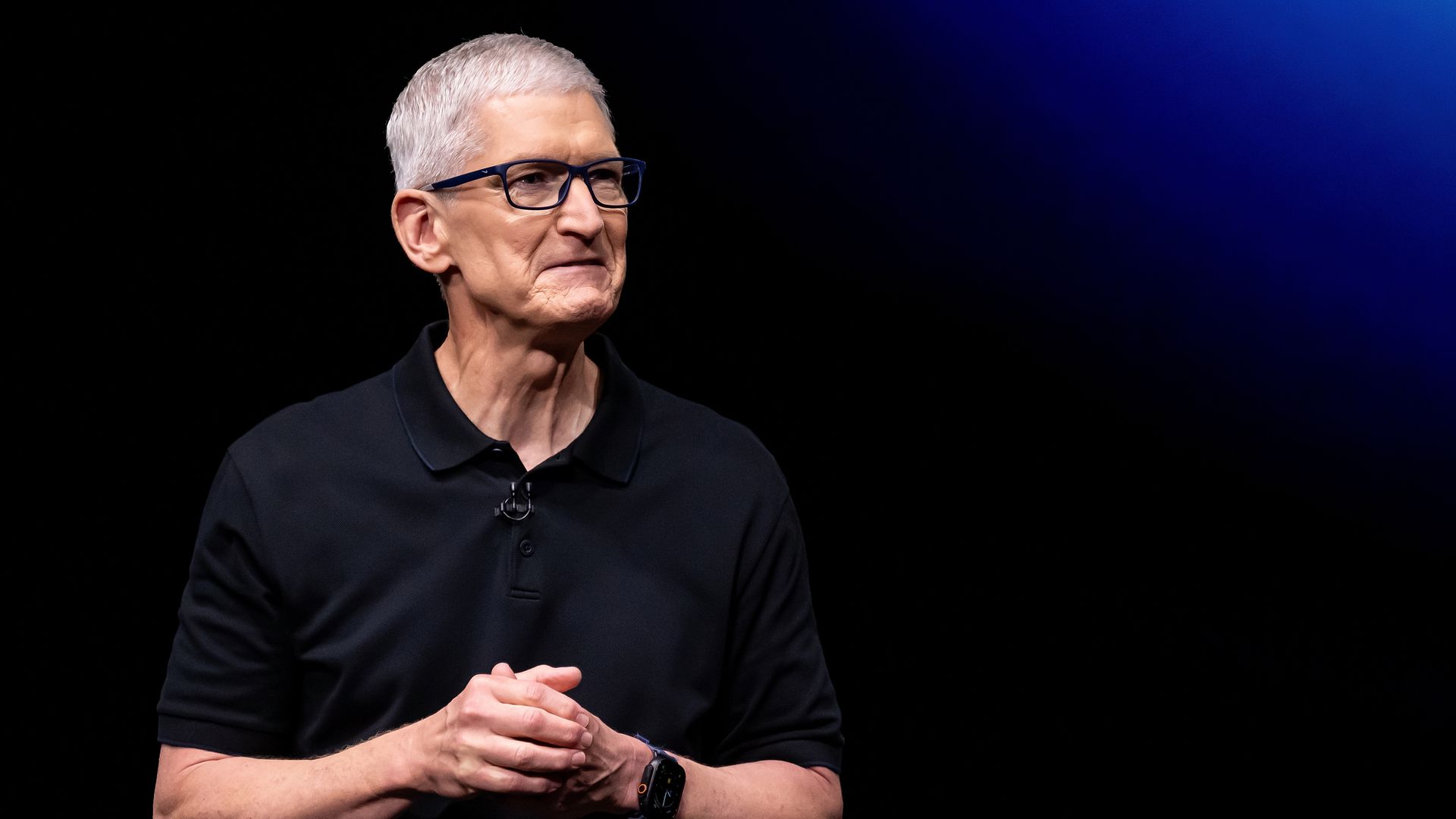
Tim Cook is stepping down as CEO of Apple. In nearly 15 years as chief executive, Cook turned Apple into a global powerhouse, building on the legacy of his legendary predecessor Steve Jobs.
Why it matters: Cook, who oversaw the launch of the Apple Watch and AirPods, will be replaced by hardware expert John Ternus.
Trump DOJ targets beef industry as prices keep rising
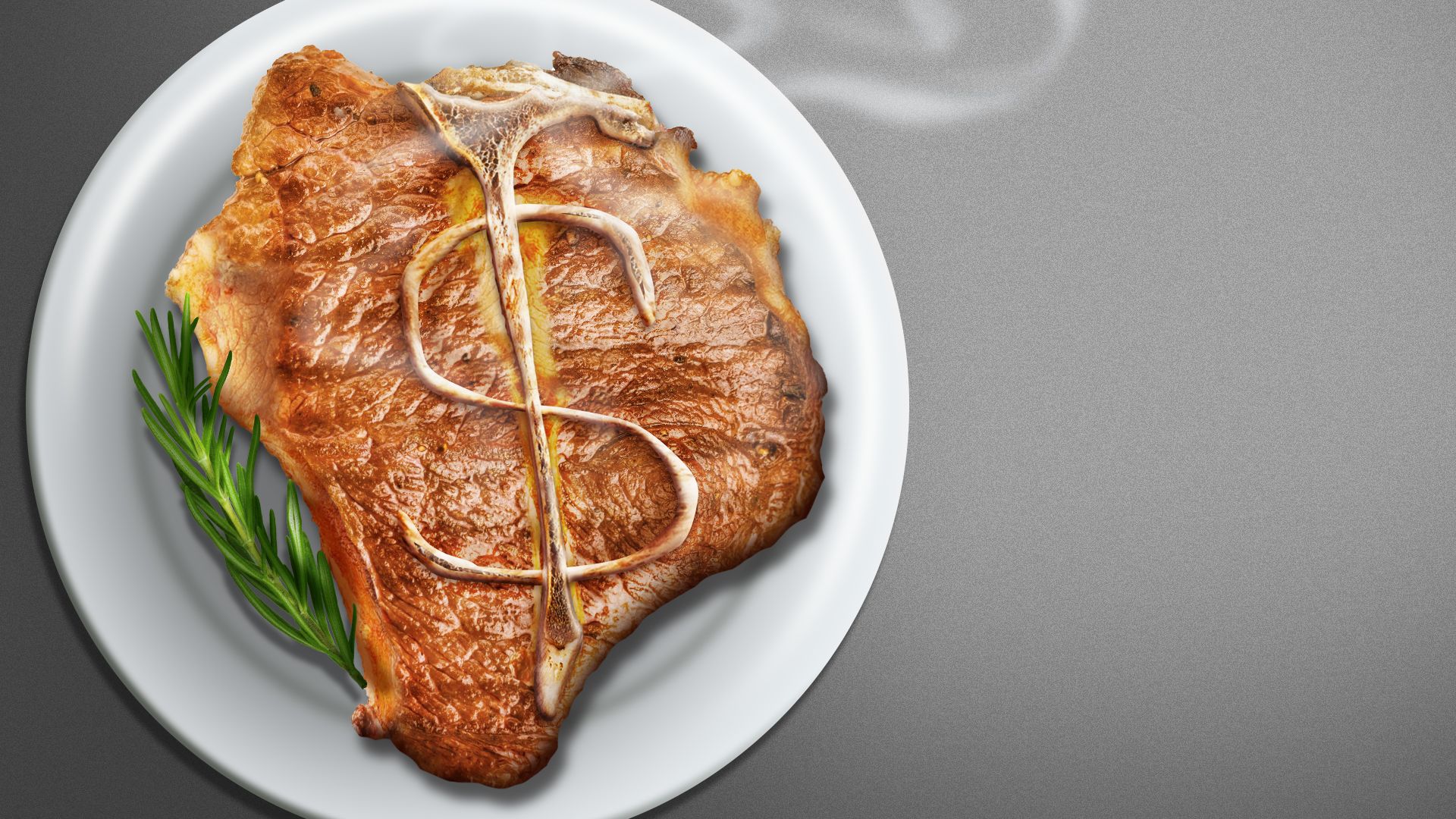
The Trump administration is ramping up pressure on the beef industry amid mounting consternation over near record-high meat prices.
Why it matters: Ground beef averaged about $6.70 per pound in March — about 16% higher than a year earlier, highlighting persistent cost pressures for U.S. consumers.

Trump rages at Iran war criticism: "Time is not my adversary"
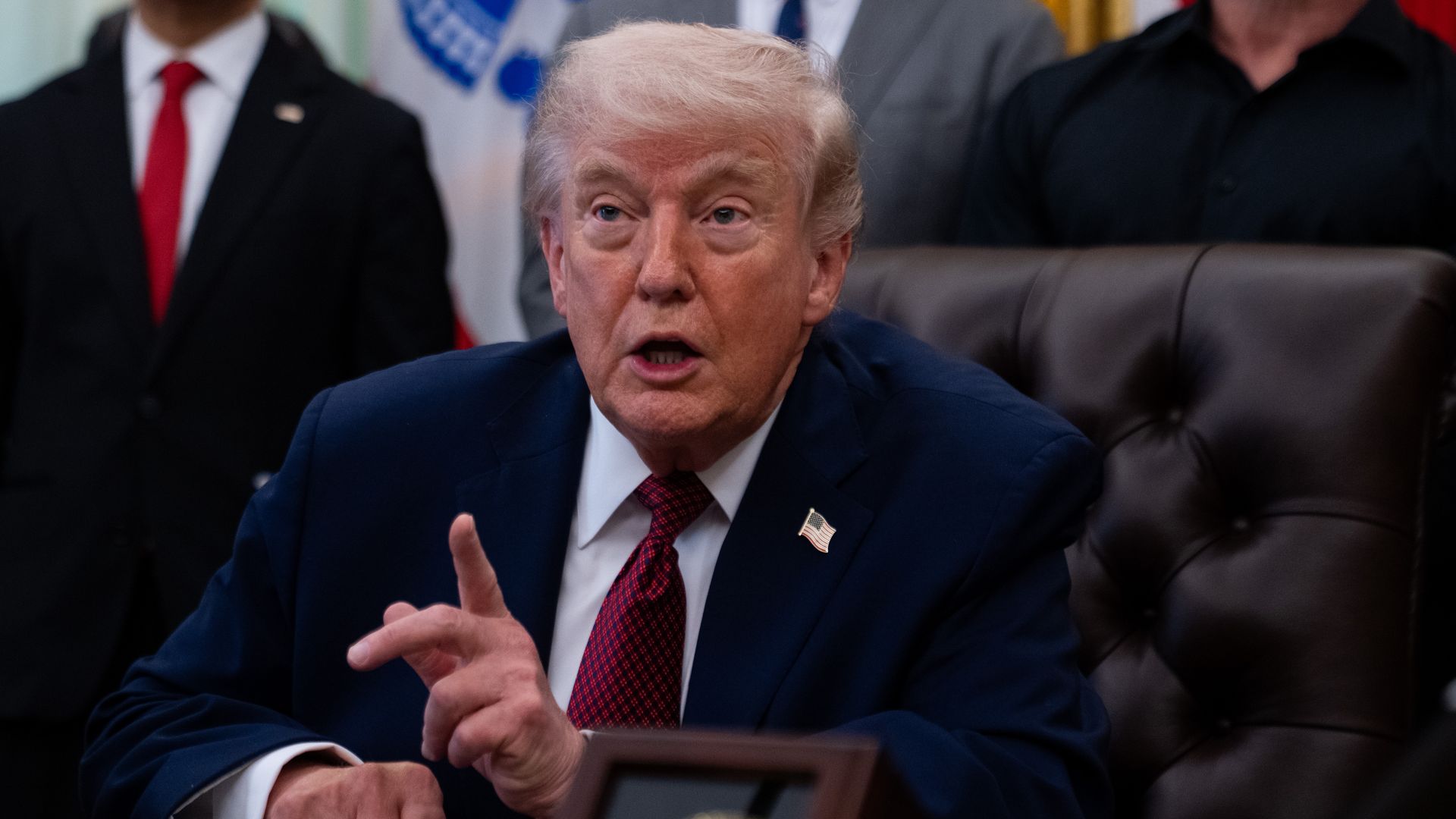
President Trump railed against Iran war critics in a series of Truth Social posts, insisting he's under "no pressure" to make a deal with Tehran as peace talks remained in limbo Monday.
The big picture: Ahead of a looming deadline for the ceasefire ending, Trump denied that Israel had dragged the U.S. into the war, saying "Time is not my adversary," for ending it and his eventual deal will be "FAR BETTER" than former President Obama's 2015 nuclear deal.

What we would ask Fed nominee Warsh
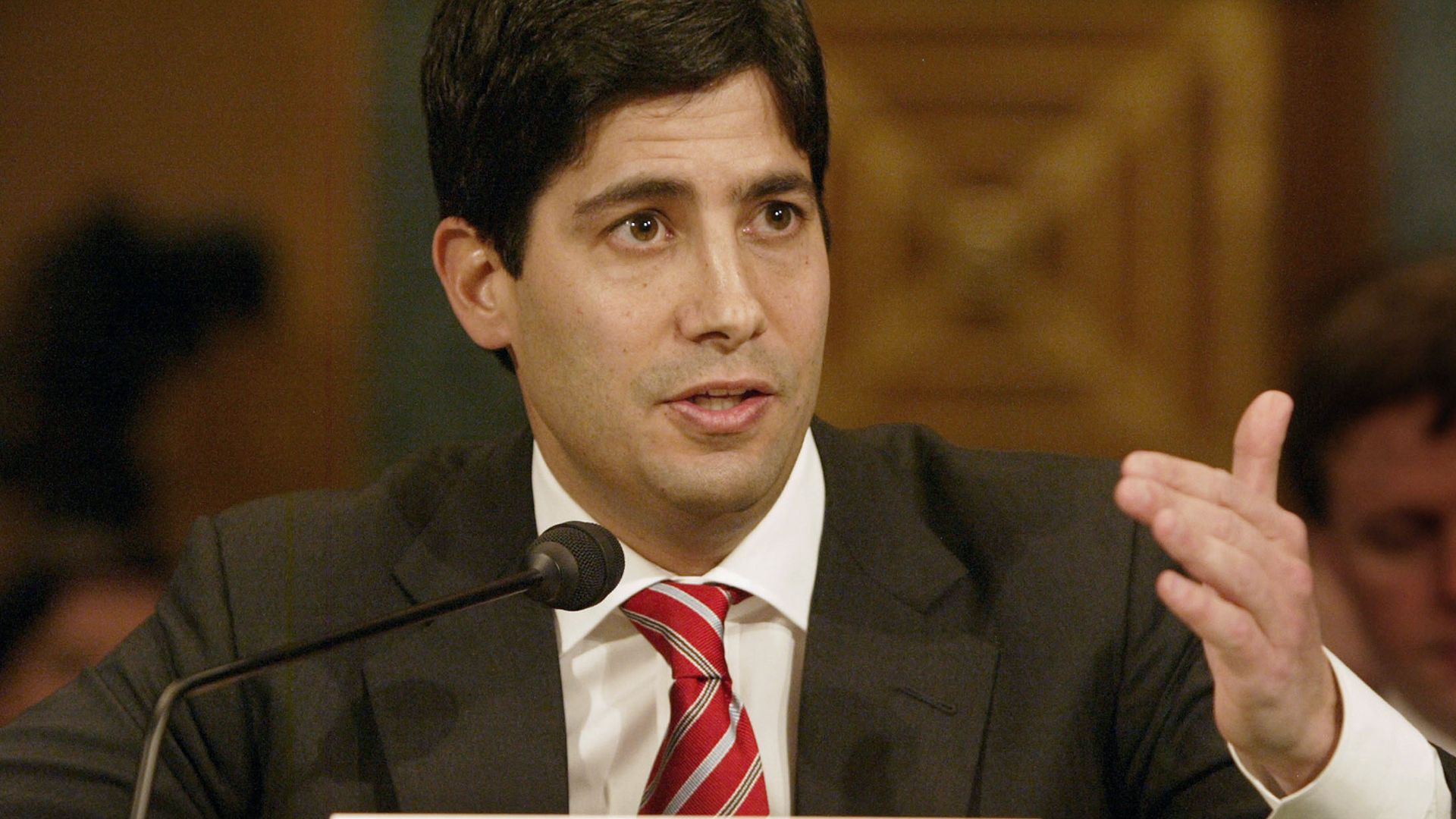
Here are a few questions we would ask Fed chair nominee Kevin Warsh at Tuesday's Senate Banking Committee confirmation hearing, if we were suddenly offered a spot on the dais.
The Federal Reserve Act indicates that governors can be removed for cause. What, in your view, constitutes cause and what do you believe a president needs to do to establish it if he wants to fire a governor?
Do you believe, as Sen. Thom Tillis (R.-N.C.) does, that the Justice Department inquiry into the Fed's building project is a pretext to pressure the Fed on rates policy? Do you believe it should be dropped?
You've argued for a new version of the 1951 Treasury-Fed accord that has shaped the roles of the two entities for 75 years. What would this consist of?
You've been critical of several mainstays of modern central banking: reliance on complex macroeconomic models, "data-dependence" and "forward guidance," to indicate where officials think policy is going. What would you replace those tools and frameworks with?
Key questions for Fed chair nominee
Kevin Warsh has been lying low since becoming the president's choice to be the world's most powerful central banker. Tuesday's Senate Banking Committee hearing will likely be the lone opportunity for public questioning of his views and intentions.
The big picture: Democrats are likely to focus their questioning on Warsh's commitment to preserving the Fed's independence from the White House and on potential conflicts of interest from his sprawling investment portfolio.
- But there are broader questions worthy of exploring around how he envisions shifting Fed policy in the short and long runs, and how he seeks to reform an institution that he has attacked as unwieldy and suffering from mission creep.
- It is outside modern historical experience for a Fed chair nominee to have a record of such sharp, vocal criticism of the institution.
Zoom out: A Fed chair inevitably faces challenges and crises that can't be foreseen during a confirmation hearing.
- Nobody asked Alan Greenspan in the summer of 1987 how he would deal with a stock market crash, but that's what happened when he was two months into the job. Nobody expected Ben Bernanke to bail out banks or Jerome Powell to grapple with a pandemic.
- But the questioning can reveal the intellectual instincts that will guide the nominee once in the big chair at the central bank.
- Warsh has explained his views over the last couple of years in newspaper op-eds, set-piece speeches and friendly podcast appearances. The hearing will be an opportunity for senators on both sides of the aisle to stress-test them.
Zoom in: On near-term policy, Warsh has argued that the productivity surge being unleashed by AI and by the Trump administration's tax and deregulatory policies justify lower interest rates because that would allow for non-inflationary growth.
- Some current Fed policymakers have noted factors pointing in the other direction: that high growth in productivity implies a higher cost of capital and that the rapid data center buildout may be contributing to some inflationary pressure.
More broadly, how urgently will Warsh seek interest rate cuts in light of a new surge of inflation driven by the Iran war?
- Should the fact that inflation has been above the Fed's target for more than five years cause the central bank to resist further rate cuts until it can get price pressures more firmly under control?
State of play: There are bigger questions around what Warsh's chairmanship will mean for policy in the medium term. He has been sharply critical of the central bank's $6.6 trillion balance sheet, arguing that it gives the institution too big an imprint on financial markets.
- But trying to shrink it and tilt it toward plain-vanilla holdings of Treasury bills carries its own risks.
- One is disruption to the banking system and money markets that have come to rely on high levels of reserves.
- Another is that if the Fed tries to contract its $2 trillion holdings of mortgage-backed securities too abruptly, it could cause a spike in mortgage rates, resulting in further pain for homebuyers.
What's next: While Warsh was an architect of the Fed's 2008 financial crisis response, he argues that the central bank has been too willing to use what were supposed to be once-in-a-lifetime tools to combat every crisis that comes along.
- In particular, he has called out the Fed's interventions during the pandemic and after the failure of Silicon Valley Bank in 2023 as beyond the central bank's proper remit.
It raises an important question: If a crisis arises during his tenure, as it did for Greenspan, Bernanke and Powell, how will he respond when it's his call to make?

Iran war-driven supply shortfalls will soon start to appear


U.S. stock futures were down Monday morning as markets absorbed weekend events that made it clear the Iran war is not over.
- The price of Brent oil futures, which took a historic plunge on Friday are now back up 5% to where they were before.
Why it matters: The economic fallout will likely intensify, as short-term measures to deal with the unprecedented energy shock no longer suffice.
- Whether that matters to markets is unclear.

What to know about tariff refund site that launches Monday
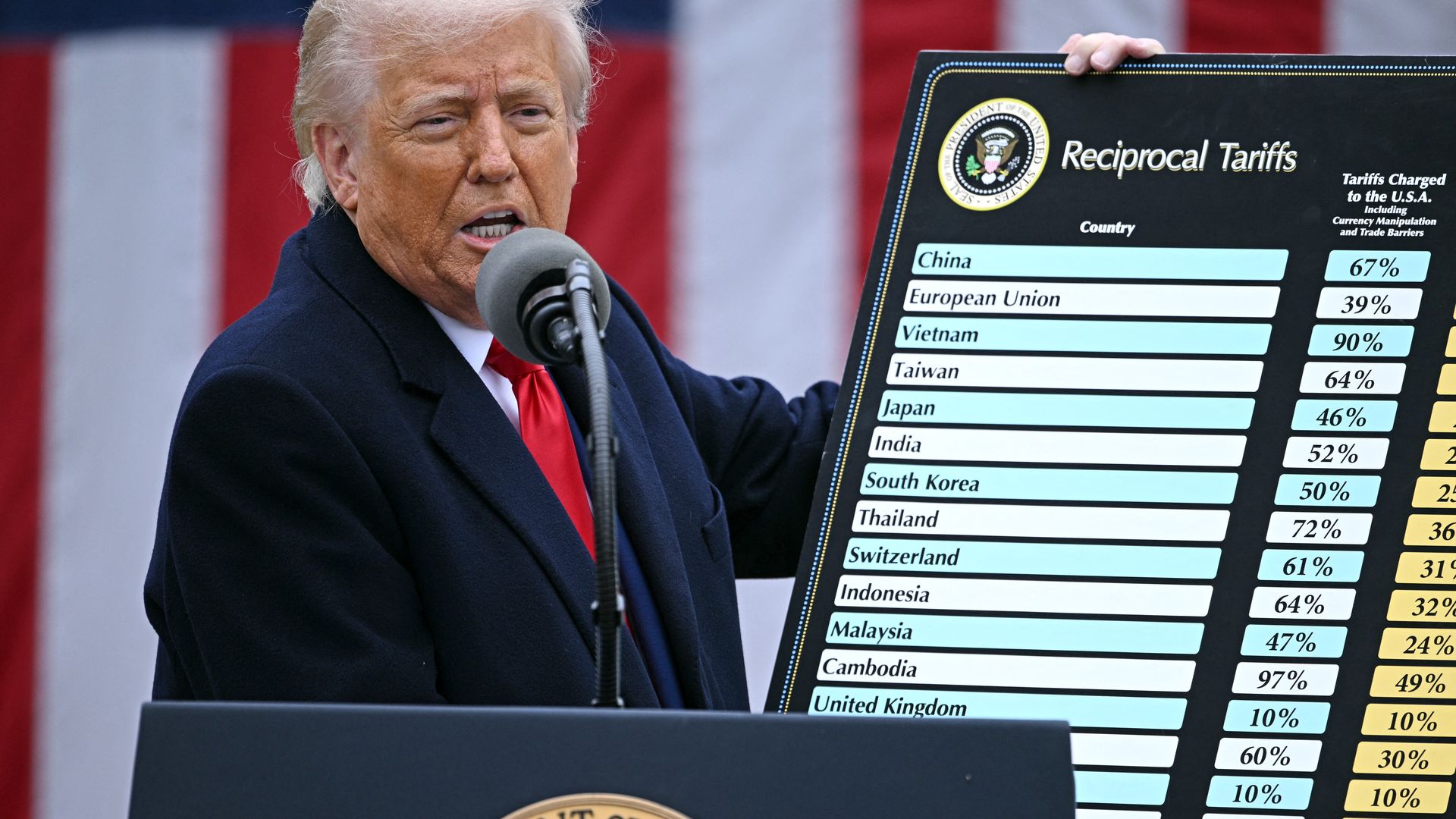
U.S. businesses that paid tariffs that the Supreme Court ruled were illegal can start applying for refunds Monday.
Why it matters: The Trump administration's launch of an online portal for tariff refund applications marks the first phase of its efforts to comply with court orders to reimburse billions of dollars in paid tariffs and interest to importers.
Oil prices jump after Strait of Hormuz setbacks


Oil prices are up around 6% Sunday evening after the weekend brought fresh escalation of the U.S.-Iran conflict.
Why it matters: The jump after international markets opened reverses a large chunk of the sharp decline Friday, when President Trump and Iran's foreign minister claimed the Strait of Hormuz was opening to tanker traffic.