Gold and silver prices cratered Friday after President Trump named Kevin Warsh to lead the Federal Reserve, following months of gains driven in no small part by fears over the central bank's independence.
The big picture: The selloff follows a year when the precious metals soared as if they were meme stocks or the hot new tech darling. Today's plunge was seen by many market analysts as an inevitable move for an asset class primed to retreat, with the Fed news merely a catalyst.
CEOs and some White House critics praised President Trump's pick of Kevin Warsh to lead the Federal Reserve — even as key lawmakers signal potential hurdles to confirmation.
Why it matters: Economists feared Trump would install a loyalist to push down interest rates, but tapping former Fed official Kevin Warsh — viewed as a credible policymaker by Republicans and business leaders — has eased those concerns, at least somewhat.
ICE Out protests have prompted Main Street businesses across the country to close in solidarity, but the boycotts have yet to reach the registers of America's biggest retailers.
Why it matters: The lack of impact on major retailers so far underscores the limits of protest-driven economic pressure — even as businesses brace for potential disruptions tied to Friday's action.
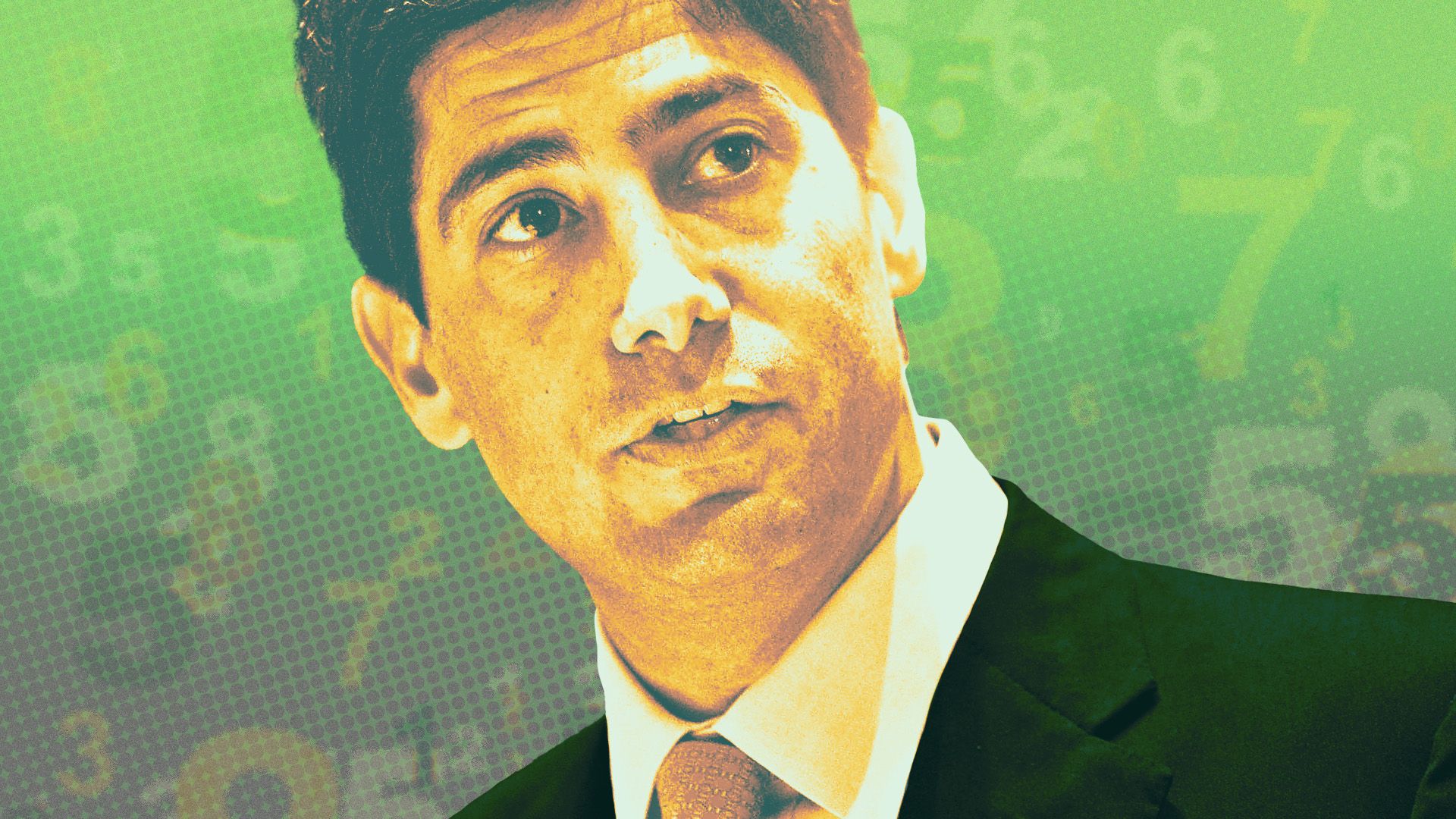
Deeply skeptical of what he sees as groupthink at the Federal Reserve, Kevin Warsh wants to shrink its multitrillion-dollar imprint in the financial system and sees a growth-driven reason to cut short-term interest rates.
The big picture: If President Trump's pick to lead the Fed is confirmed, expect Warsh to challenge central banking orthodoxy.
The Trump administration reportedly hosted an Albertan separatist group seeking independence from Canada, which has repeatedly rebuffed President Trump's desire it become the 51st state.
The big picture: Stoking the separatist movement will only inflame tensions between Washington and Ottawa after Trump ignited a rollercoaster trade war with one of America's closest allies.
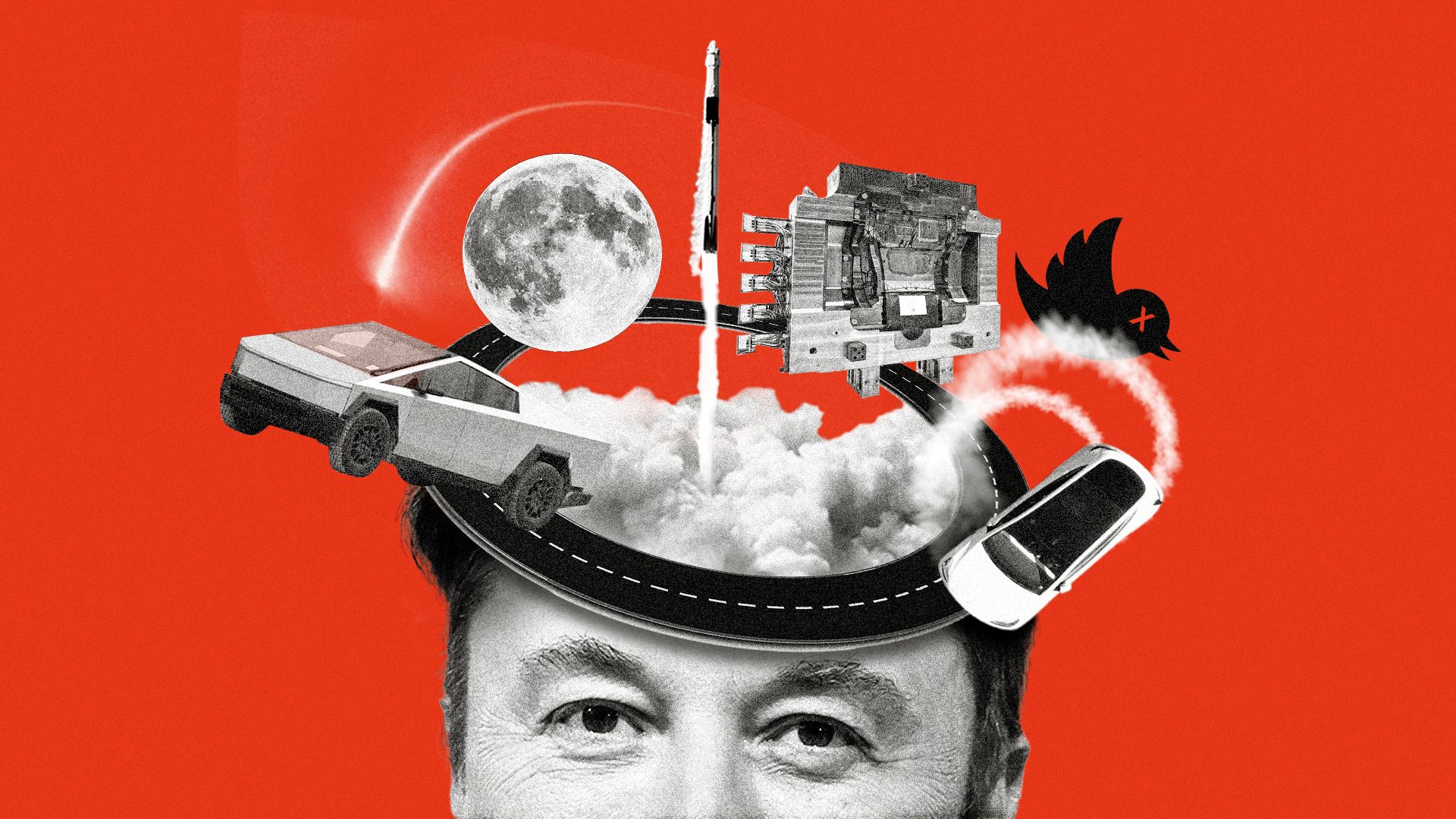
Why it matters: The circular AI economy has nothing on the circular Elon economy, where trillion dollar companies are rumored to be mixed and matched like IKEA furniture.
President Trump said Friday he will nominate former Federal Reserve governor Kevin Warsh to lead the central bank, ending a prolonged search process.
The big picture: Warsh— who would succeed Jerome Powell as Fed chair this spring if confirmed by the Senate — has been a sharp critic of an institution that he argues has grown unwieldy and is in need of reform.
Microsoft had one of its worst selloffs in history after it increased its AI spending plans. Meta did the same, but it was rewarded by investors.
Why it matters: The wildly different market reactions to Meta and Microsoft earnings reveal the new calculus investors are using to evaluate AI winners and losers.
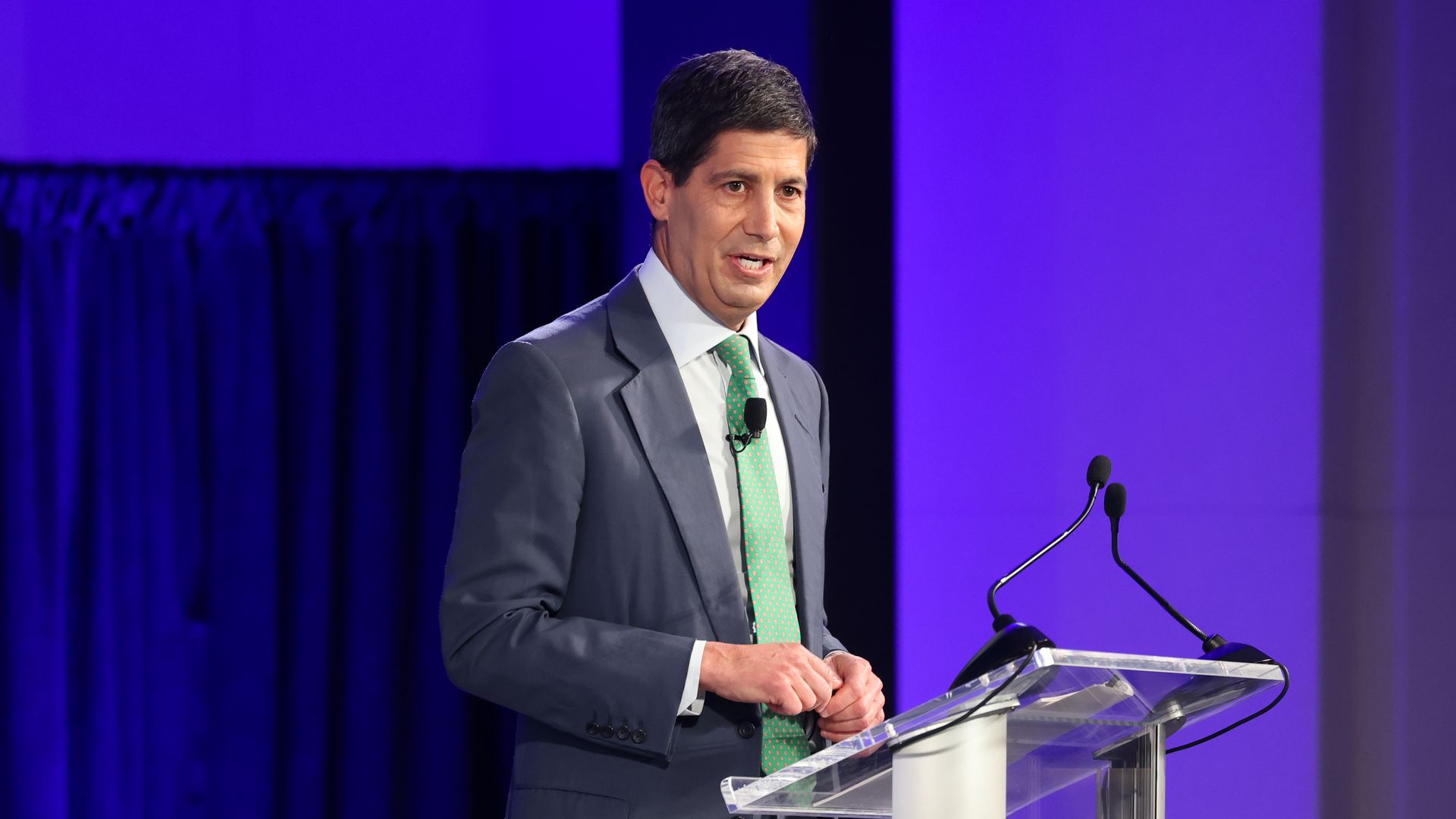
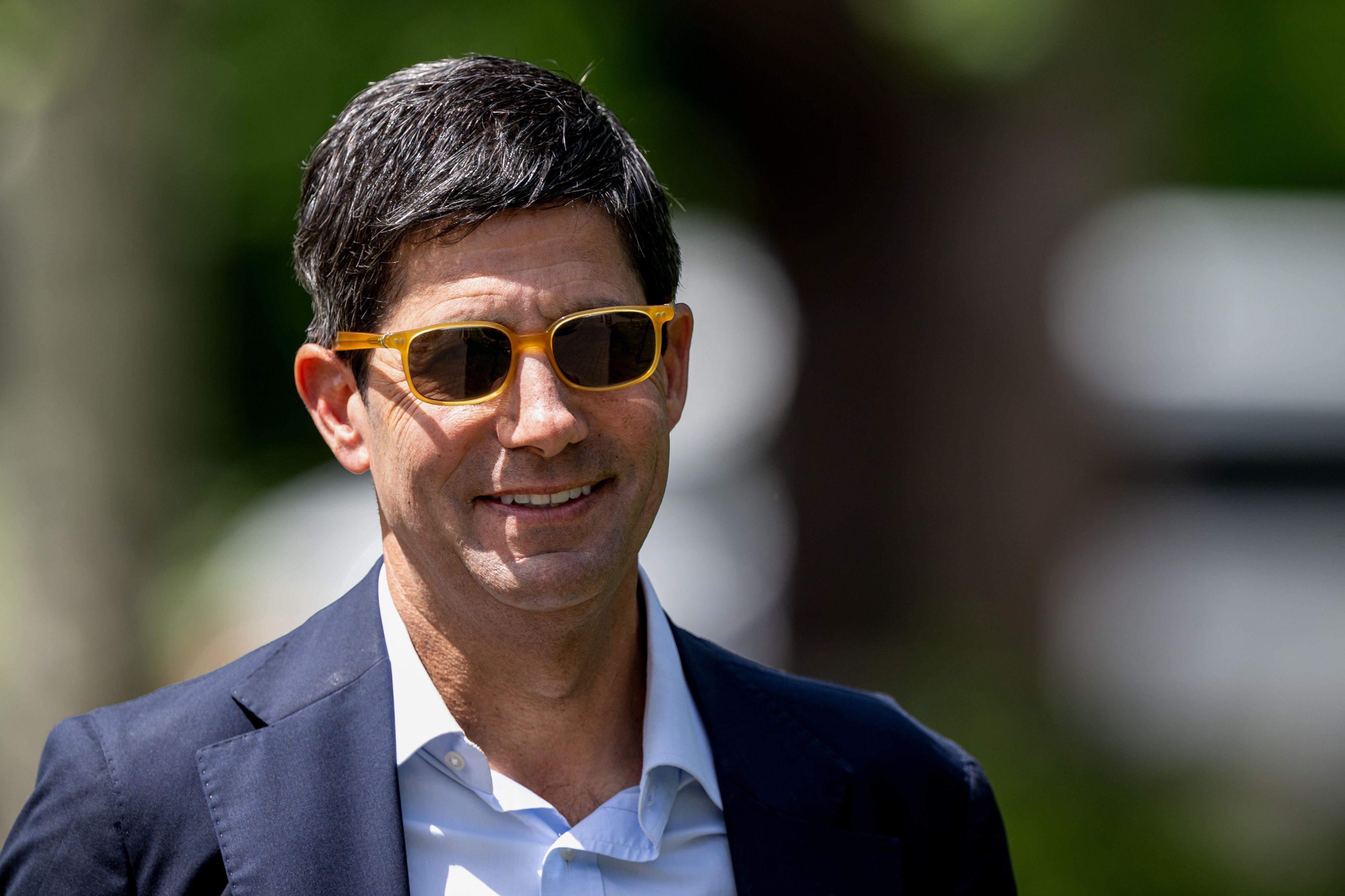
Kevin Warsh at Allen & Co. conference in Sun Valley, Idaho, in July. Photo: David Paul Morris/Bloomberg via Getty Images
President Trump is expected to nominate Kevin Warsh, a former Fed governor and Wall Street veteran, on Friday morning to succeed Jay Powell as Federal Reserve chair, multipleoutletsreported.
Why it matters: The Fed pick "is arguably the most important personnel decision Trump faces for the remainder of his term, because the central bank serves as a first responder in financial crises and sets interest rates that affect every corner of the economy and markets," The Wall Street Journal reports.
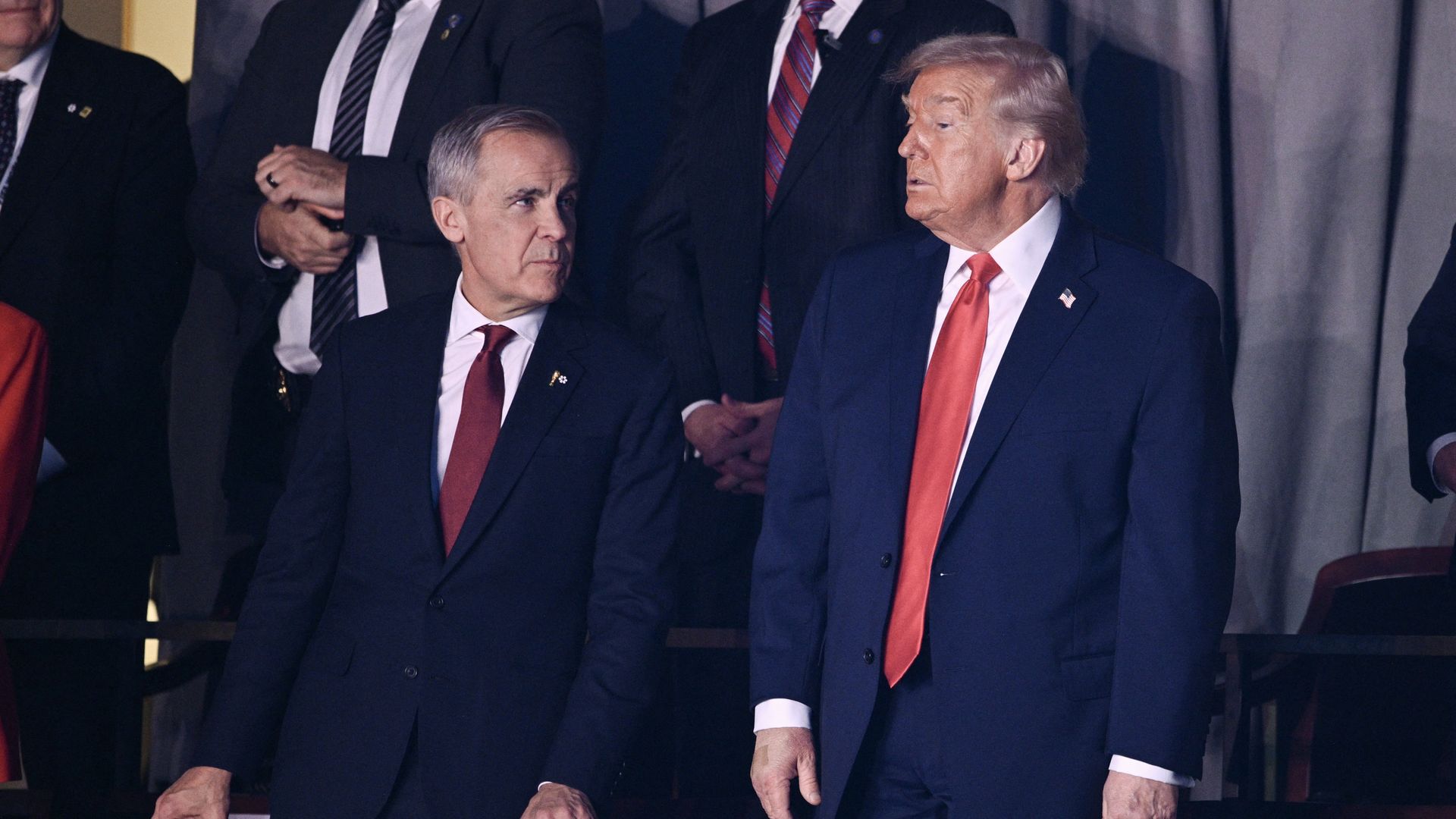
Global trade is a minefield in the Trump era: wherever world leaders step, they risk igniting a new conflict with the Trump administration — trade deal or not.
Why it matters: President Trump's constant tariff threats have pushed U.S. trading partners to diversify away from American markets. But even that carries its own risks, as Trump vows to punish allies who turn elsewhere.
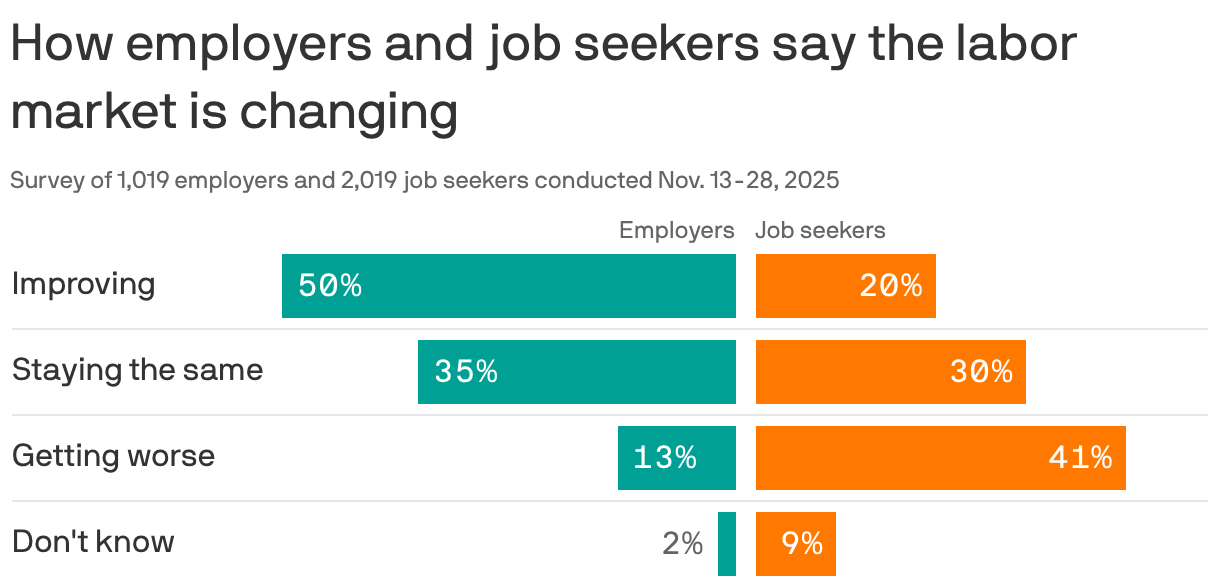
Gen Z is optimistic about their careers despite a gap in expectations among employees and employers in the greater workforce, according to Indeed survey data published Thursday.
Why it matters: Gen Z's positivity is unexpected against the backdrop of an entry-level job crisis.
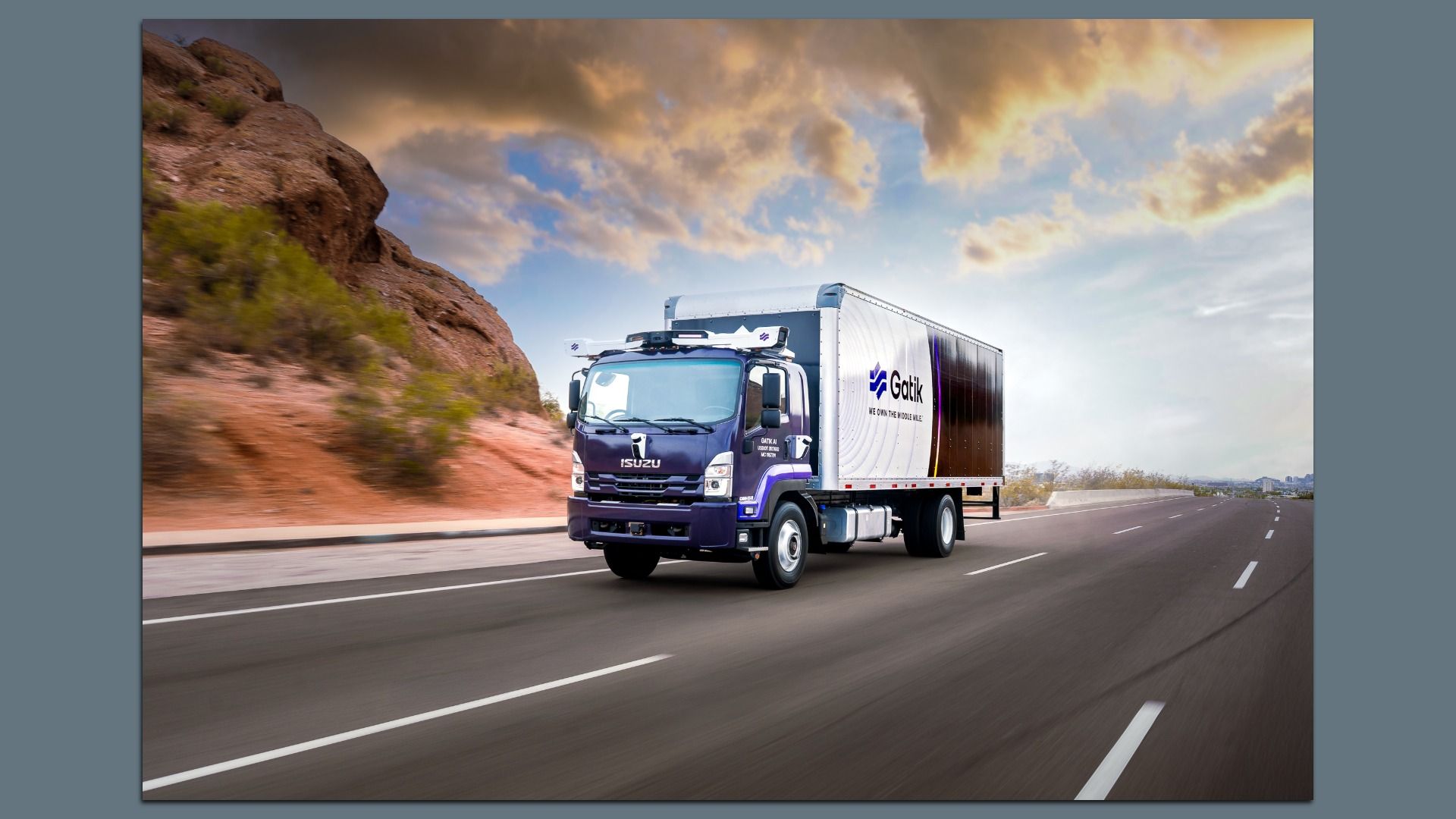
Autonomous trucking startup Gatik signed a deal with a major consumer-goods company that will double its contracted revenue to $600 million over five years, Bloomberg reported this week.
Why it matters: Gatik says it is the first company in North America to deploy fully driverless trucks at scale, a milestone that moves the industry past limited pilots to sustained, revenue-generating operations that will strengthen supply chains.