Powell's consensus-driven leadership prevails

Add Axios as your preferred source to
see more of our stories on Google.
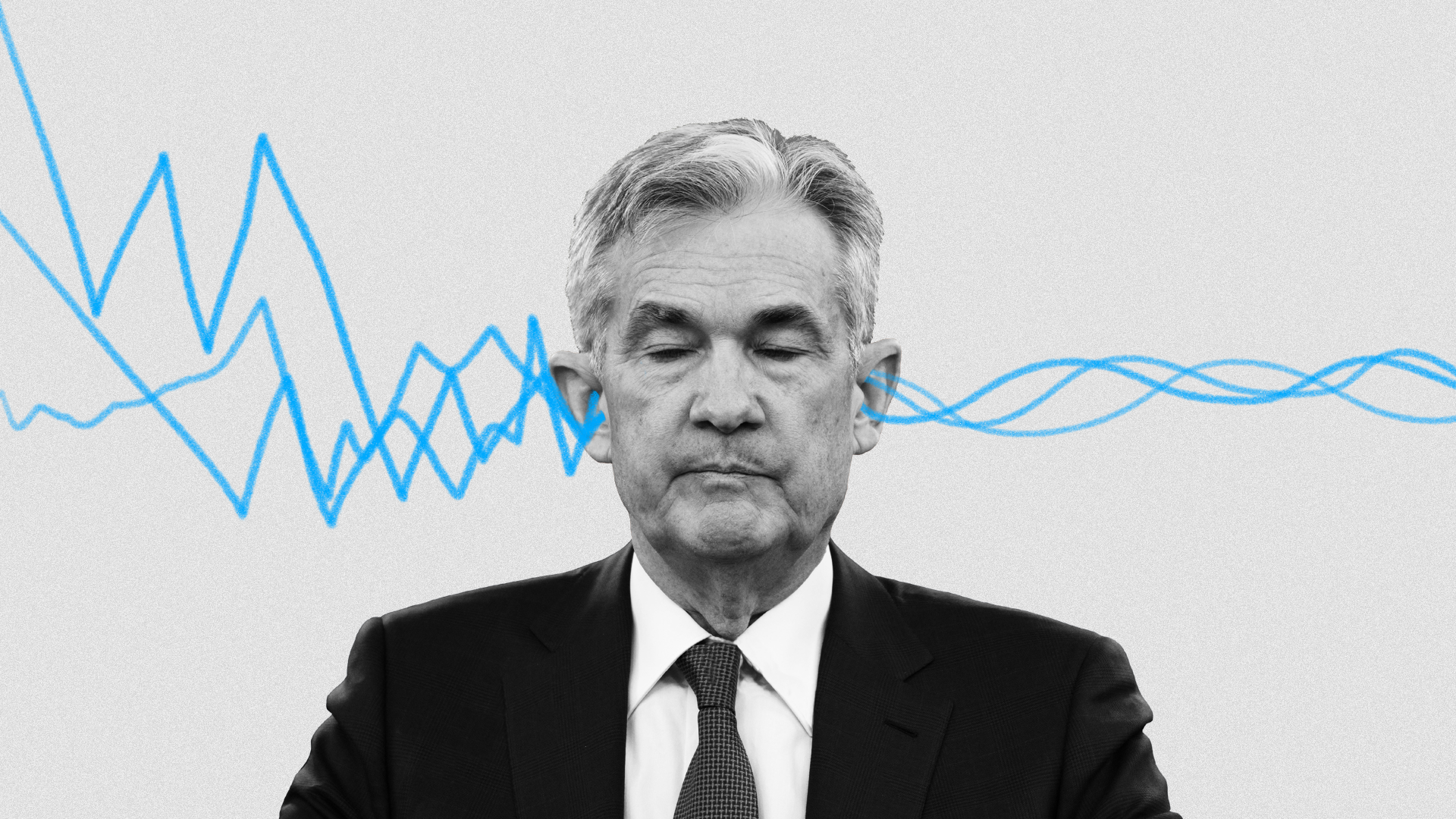
Fed chair Jerome Powell. Illustration: Aïda Amer/Axios
A striking thing about this week's flow of news out of the Federal Reserve is how normal it was — at least compared to some of the possibilities that appeared in play last month for a breakdown in the institution's longstanding norms.
Why it matters: In the Fed's decision to cut interest rates on Wednesday, and the unanimous reappointment of 11 of 12 reserve bank presidents announced Thursday, it was clear that chair Jerome Powell has retained his ability to steer a seemingly fractious organization toward consensus.
- The next chair may yet shift the institution toward a process with more open dissent and count-the-votes proceduralism, as is seen at the Bank of England and as some President Trump associates have advocated.
- But for now, Powell looks clearly in charge despite lame-duck status (his term is up in May).
State of play: Just a few weeks ago, it looked plausible that there would be the most open dissent from the Fed's December interest rate decision in decades. Five officials of 12 Federal Open Market Committee voting members had expressed significant reservations about a rate cut.
- Three officials who were publicly skeptical of cutting rates further — reserve bank presidents Susan Collins (Boston) and Alberto Musalem (St. Louis), and governor Michael Barr — elected to follow the leader when it was time to cast their vote.
- While there were three dissents — two opposing the cut, one favoring going further — that's not terribly abnormal. There were three dissents in September 2019, for example, also in opposite directions.
What they're saying: "After the high drama/psychodrama from the October press conference onwards, the end result was more business-as-usual on the part of the Powell Fed," wrote Krishna Guha and colleagues at Evercore ISI in a note.
- In his news conference, "Powell was calm and poised, not on the ropes as in October, with a governance crisis averted," they wrote.
The big picture: Fed watchers were braced for the possibility that the every-five-years process of reappointing reserve bank presidents would generate fireworks, an opportunity for Trump-appointed governors to try to create some upheaval at the Fed (or at least make some noise).
- It came and went Thursday without signs of public dissent, as the board announced that 11 of 12 reserve bank presidents had been reappointed with "unanimous concurrence" by members of the Board of Governors.
- Not only were the 11 officials re-upped, the three Trump-appointed governors did not object.
- The odd man out, Atlanta Fed president Raphael Bostic, had previously announced his retirement at the end of his term in February. But one bank president stepping down at the end of a term is not unheard of; it last happened at the end of 2015 with Minneapolis Fed president Narayana Kocherlakota.
Between the lines: On paper, the Fed chair holds only one vote out of seven on the Board of Governors and one of 12 on the FOMC. Their ability to lead the institution depends on a mix of hard and soft power.
- In the hard power department, the chair oversees the staff and sets meeting agendas. In the soft power department, they must persuade their colleagues to line up with the policy path they believe is correct.
- Powell has been skilled at using both — and displayed those skills this week.
