Stablecoin supply just passed $300 billion, another milestone making one claim increasingly hard to deny: stablecoins are a success story destined for big things.
Why it matters: These instruments will soon emerge from a legal gray area in the U.S., with the potential to profoundly change how money moves around the world.
Government food assistance programs may be at risk if Congress is unable to reach a funding agreement to stop the shutdown in the coming weeks.
Why it matters: Millions of mothers, infants and low-income families who rely on WIC and SNAP — programs commonly known as food stamps — could lose that support in a long-term shutdown.
Six months ago, President Trump announced "Liberation Day," a sweeping regime of historic global tariffs that panicked financial markets and led to doom-filled predictions of imminent recession.
The big picture: Now the economy is growing at nearly a 4% rate, unemployment remains historically low, inflation's still under 3% and tariffs are projected to generate more than $400 billion a year in revenue.
More women are leaving the workforce, pushed out by a lack of child care support and stricter return-to-office policies, a new analysis from KPMG finds.
Why it matters: The exodus translates to less income and financial stability for households, as well as fewer career growth opportunities for women.
There's fallout for the overall economy, too: Businesses lose productive and experienced workers, and growth slows.
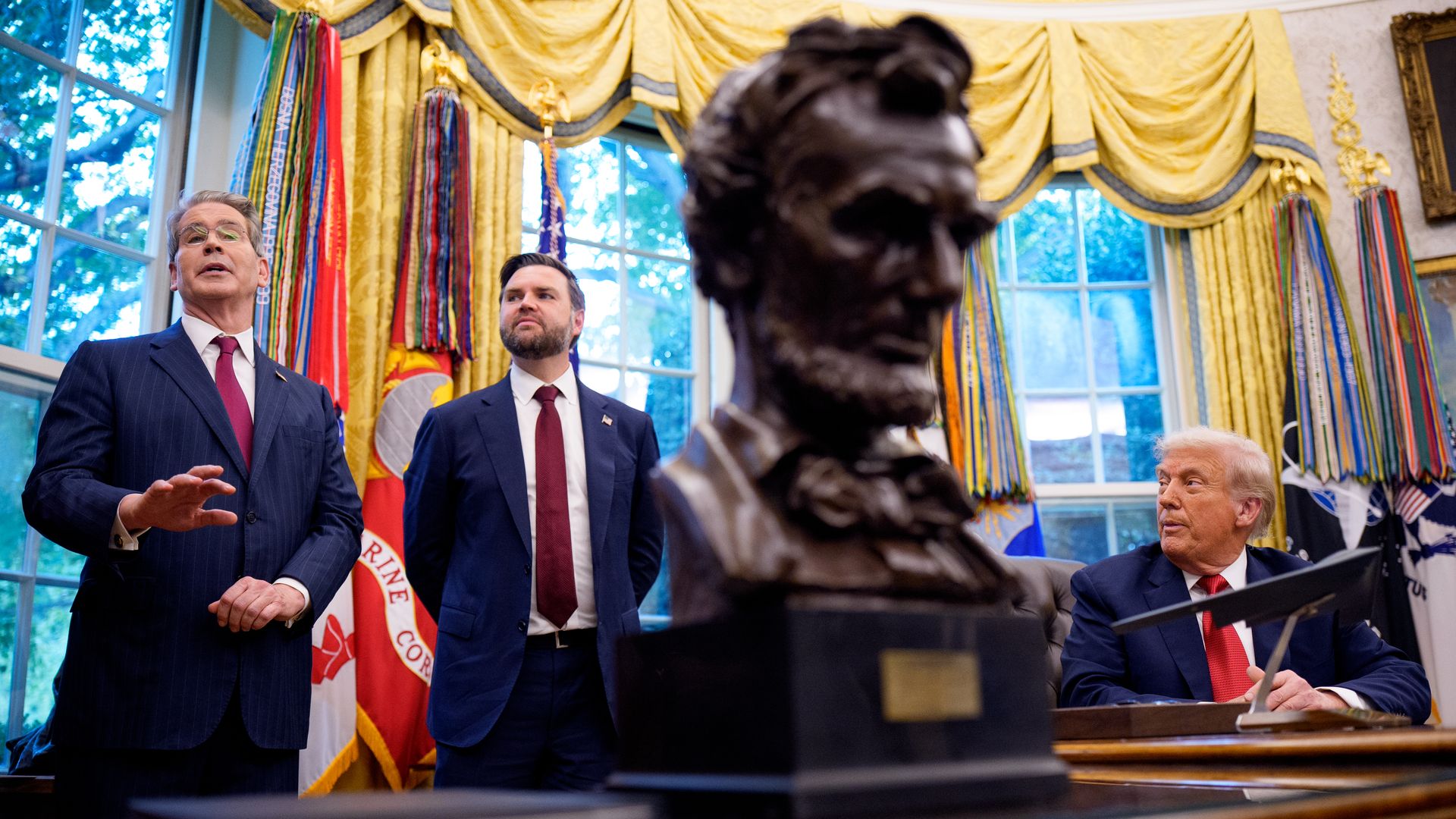
Treasury Secretary Scott Bessent said on Thursday that the Trump administration would release details next week on "substantial support" for American farmers.
Why it matters: The farm economy has been devastated by White House trade policies, and officials have hinted at using tariff revenue to fund bailouts.
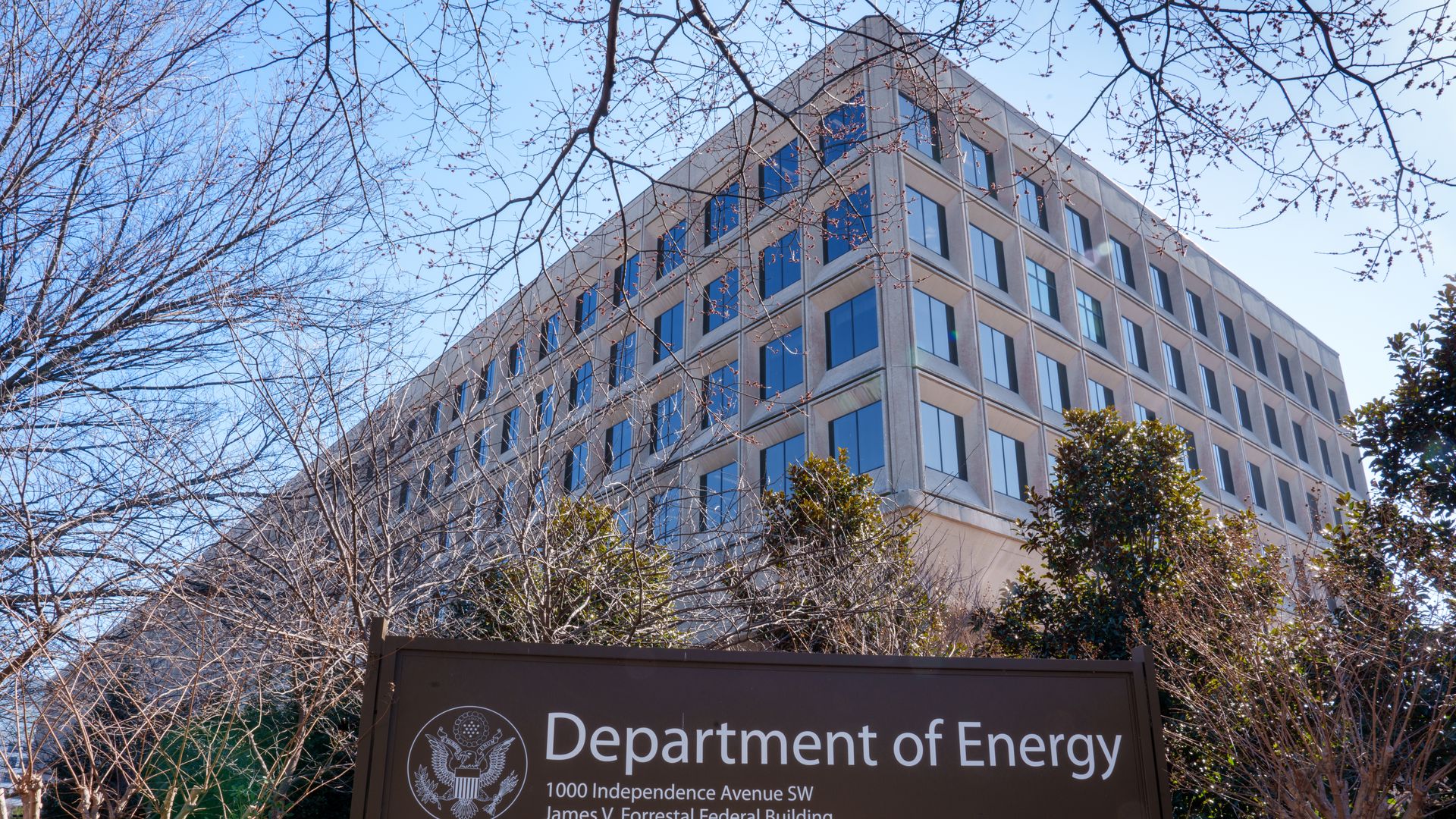
The Energy Department said Wednesday night it's terminating $7.56 billion worth of financial awards that support 223 projects funded via several of its clean-energy offices.
Why it matters: It's among the starkest reversals of Biden-era DOE financial support for low-carbon energy and manufacturing initiatives.
Nearly half of big businesses raised prices in the last six months due to tariffs, and a large majority expect to do so in coming months, a new KPMG survey out Thursday finds.
Why it matters: Tariff-driven inflation once looked like it would be a shock to the economy. Instead, it has turned into a slow burn that has no signs of abating.
Here's what's new on Netflix, Hulu, Prime Video, Apple TV+ and HBO Max.
What we're watching: Denver singles try to find a spouse on "Love Is Blind," a new series based on an ESPN gag, premiering along with a crime caper about a scrappy team of thieves.
Investors got their interest rate cut wish in September. The market is now pricing in more than 100% odds of another cut this year, after private data indicated further weakness in the labor market.
Why it matters: Investors are expecting more rate cuts even as there's evidence that the economy is reaccelerating. Additional rate cuts could fuel a new leg higher for stocks — or it could stoke inflation as well as investors' fears of a market bubble.
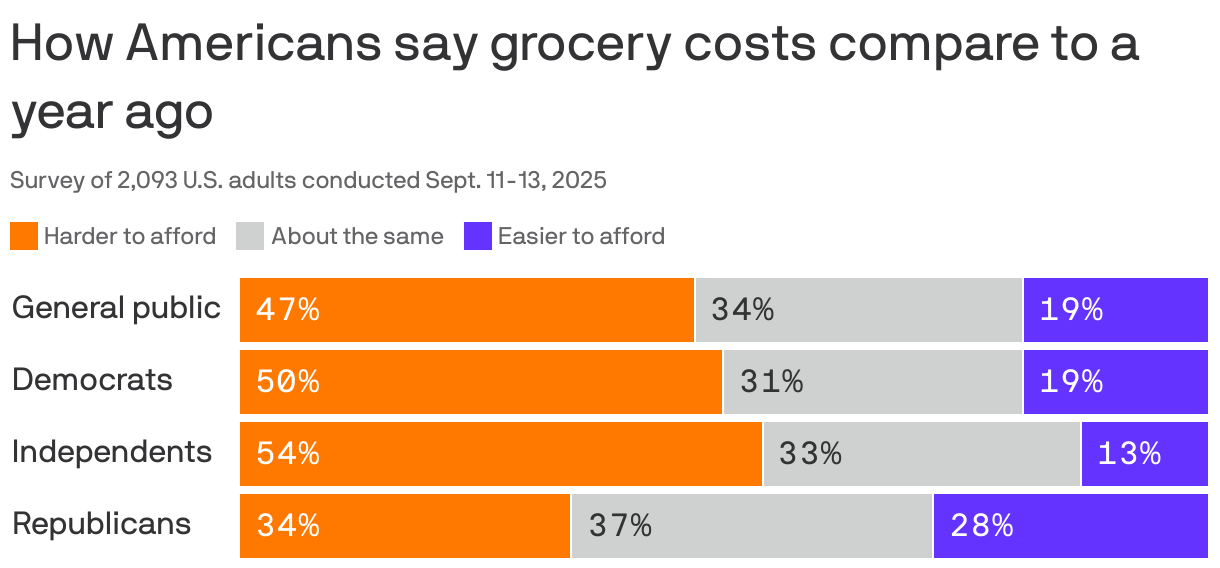
Americans say it's harder to afford their groceries now than it was a year ago, a warning sign for President Trump and Republicans, in the latest Axios Vibes survey by The Harris Poll.
Why it matters: Everyone's gotta eat. High food prices disproportionately impact working-class voters, the very people Trump promised lower grocery prices on the campaign trail a year ago.
The big picture: But with the GOP controlling the White House and Congress, they're using government websites to air their grievances — and in doing so consumer advocacy group Public Citizen alleges the Trump administration has violated the Hatch Act, which limits federal workers' partisan political activities.
Virginia's electricity demand is surging, driven by data centers, transportation electrification and next-gen manufacturing. Energy experts and community stakeholders gathered in Richmond on Sept. 9 for an Expert Voices roundtable to discuss the future of Virginia's power grid and the challenges ahead.
Across the U.S., young people are struggling to transition from high school to meaningful careers.
Here's why: This transition requires coordinated guidance, work-based learning and aligned coursework. But many students are left to navigate fragmented systems that don't sufficiently support employers' requirements.
Key numbers: 70% of U.S. jobs require some postsecondary education — but only half of students earn a credential beyond high school within six years of graduation.