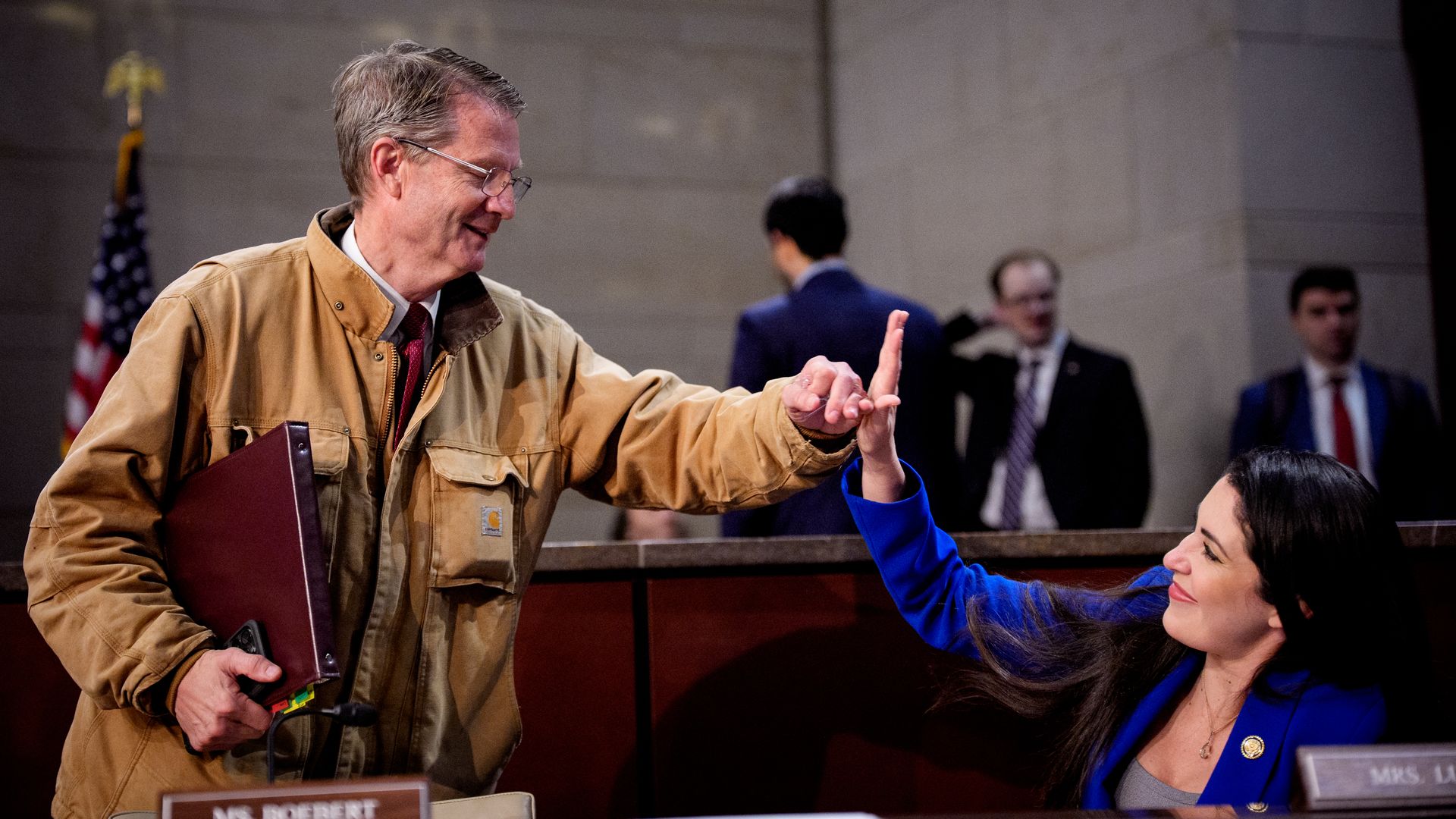
House Speaker Mike Johnson's (R-La.) right flank is trying to bypass him repeatedly next month by forcing votes on releasing the Epstein files and banning congressional stock trading.
Developers in the blockchain world often build apps to improve the user experience of interacting with the autonomous robots on the internet — programs running with no human in charge.
Why it matters: Policy makers will have to decide which of these gateways need to be regulated "brokers" in our crypto-powered future, and which can be trusted to operate without ongoing supervision.
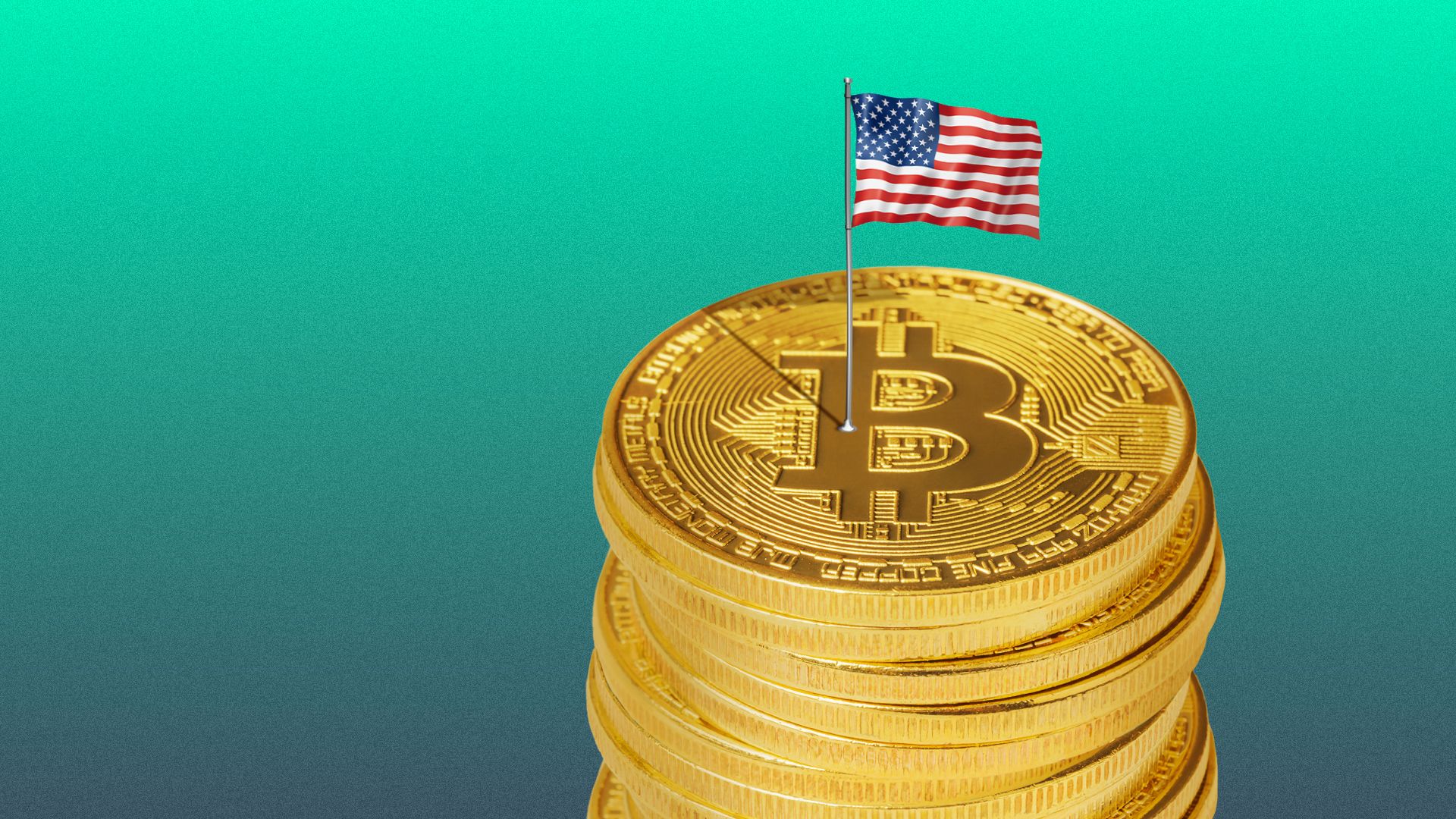
Treasury Secretary Scott Bessent said on Fox Business Thursday morning that the U.S. government isn't going to buy more bitcoin, but that doesn't mean that plans are off the table to acquire more, he clarified later.
Why it matters: Bitcoin watchers have been eager for details on how the Trump administration will actually manage the strategic bitcoin reserve, created by executive order back in March.
A schism is emerging between members of Congress who want to ban their colleagues from trading stocks over how best to accomplish their shared goal.
Why it matters: Congressional stock trading has been the white whale of the last several Congresses, with lawmakers repeatedly trying and failing to pass a ban amid growing populist anger around the issue.
Higher tariffs and lower crop prices are dampening demand for John Deere equipment as the company says many of its customers "remain cautious" about the economy.
Why it matters: Deere serves as a reflection of the health of the American agricultural sector and construction industry.
The U.S. government has been holding discussions on taking an equity stake in the chip maker Intel, Bloomberg and the Wall Street Journal reported on Thursday.
Why it matters: A deal would be another turn by the Trump administration away from laissez-faire policies and toward state capitalism, as it seeks to bolster the domestic fabrication of semiconductors.
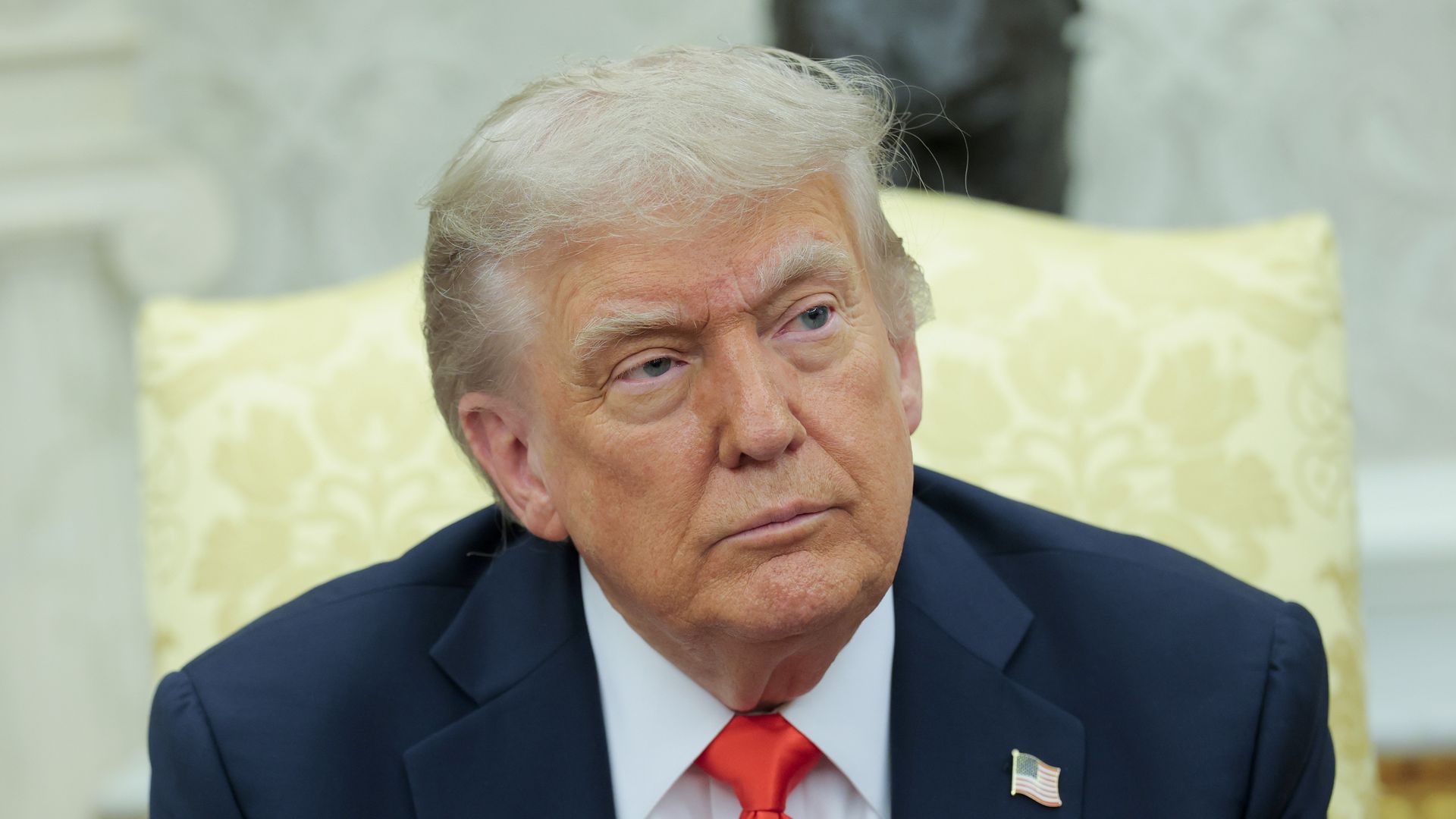
President Trump signeda proclamation Thursday celebrating the 90th anniversary of Social Security and promoting the program's improvements under his leadership.
Why it matters: Reports from inside the agency tell a different story. Social Security advocates are questioning whether the administration may be weighing changes to the popular program that would be harmful to its long-term success.
The U.S. economy has a vegetable problem, and it's not just "broccoli refusal" either — wholesale prices for fresh veggies soared by a record amount last month, foreshadowing a possible spike at the grocery store soon.
Why it matters: If the last few years have taught us anything, it's that the "real" statistics on inflation don't matter when consumers see the prices of tangible, everyday goods — food, gasoline, etc. — rising sharply.
New inflation data confirms anecdotes from Corporate America: U.S. importers are bearing the brunt of tariffs so far — costs that look set to be passed along to consumers.
Why it matters: The extent to which higher trade-related costs fall more heavily on overseas suppliers, American companies or U.S. consumers will define the Trump-era economy in the years ahead.
The NBA ownership carousel kept spinning on Tuesday, with private equity billionaire Tom Dundon agreeing to buy the Portland Trail Blazers for just over $4 billion from Paul Allen's estate.
The league also approved Bill Chisholm's purchase of the Boston Celtics, which was announced back in March.
Here are four things to know about the Blazers deal, based on conversations with sources familiar:
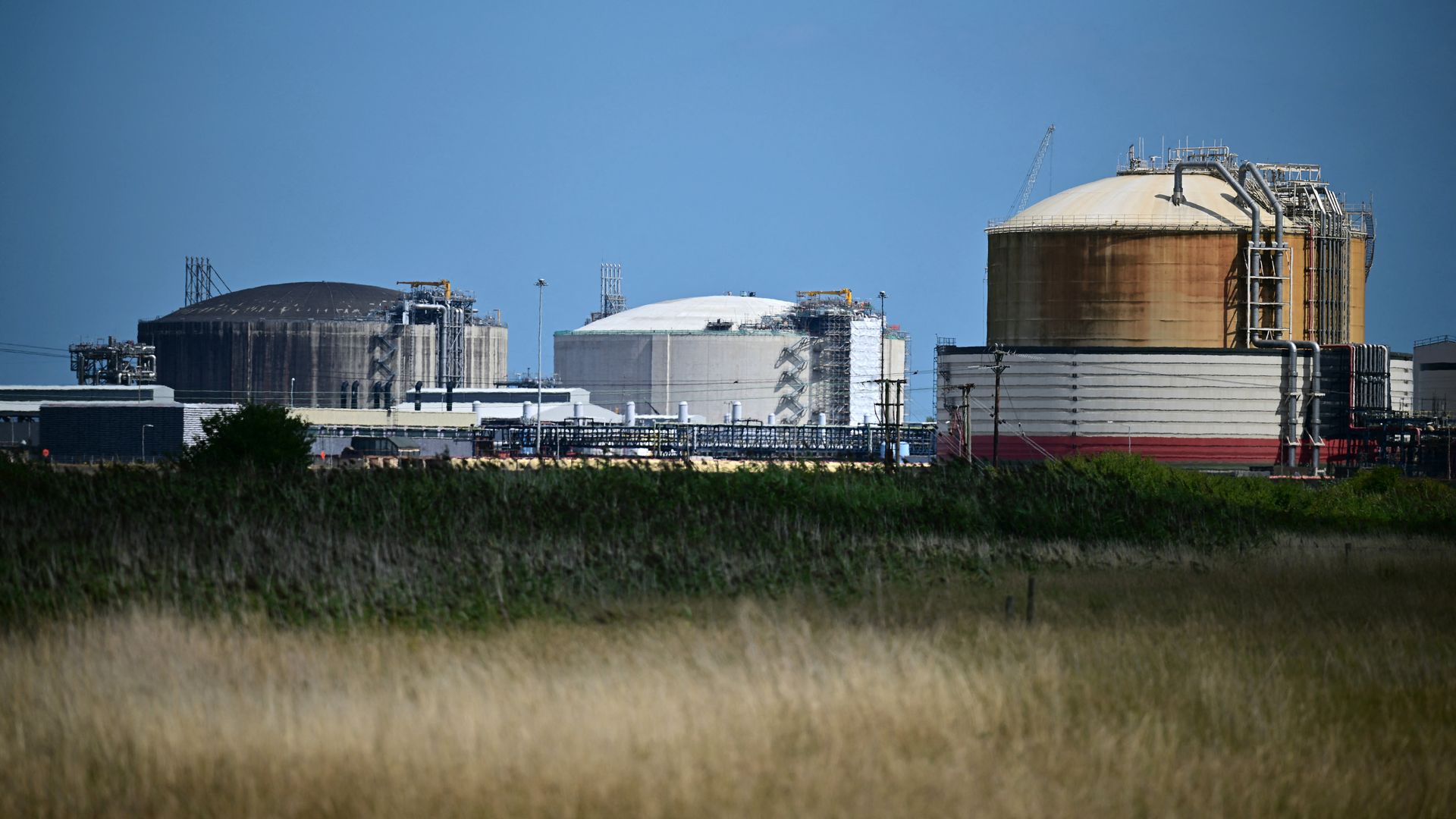
National Grid has agreed to sell its Grain LNG terminal near London to Centrica and private equity firm Energy Capital Partners for around $2.04 billion.
Why it matters: Grain LNG is Europe's largest liquefied natural gas import terminal, at a time when demand is soaring due to Russia's war in Ukraine.
Prices for wholesalers rose at the fastest pace in three years in July, the Bureau of Labor Statistics said on Thursday.
Why it matters: It is the latest warning that inflation might be reigniting across the U.S. economy as businesses grapple with higher tariff-related costs.
Investors, after driving stocks to record highs, are now starting to lose their appetite for risk, the S&P Global Investment Manager Index survey finds.
Why it matters: High valuations and continued uncertainty over tariffs are making investors more skittish. Plus we're also getting deeper into August and soon September, historically weak months for stocks.
The Trump administration's D.C. crackdown with National Guard deployment and 24/7 federal patrols was ramping up on Wednesday night, drawing a sharp rebuke from religious leaders in the U.S. capital.
The big picture: President Trump maintains his unprecedented action in declaring a "crime emergency" in D.C. was necessary, but the interfaith group said his "sweeping language" to justify it is "inaccurate and dehumanizing, increasing the risk of indiscriminate arrests and the use of excessive force."