Senate votes to overturn IRS' DeFi broker rule

Add Axios as your preferred source to
see more of our stories on Google.
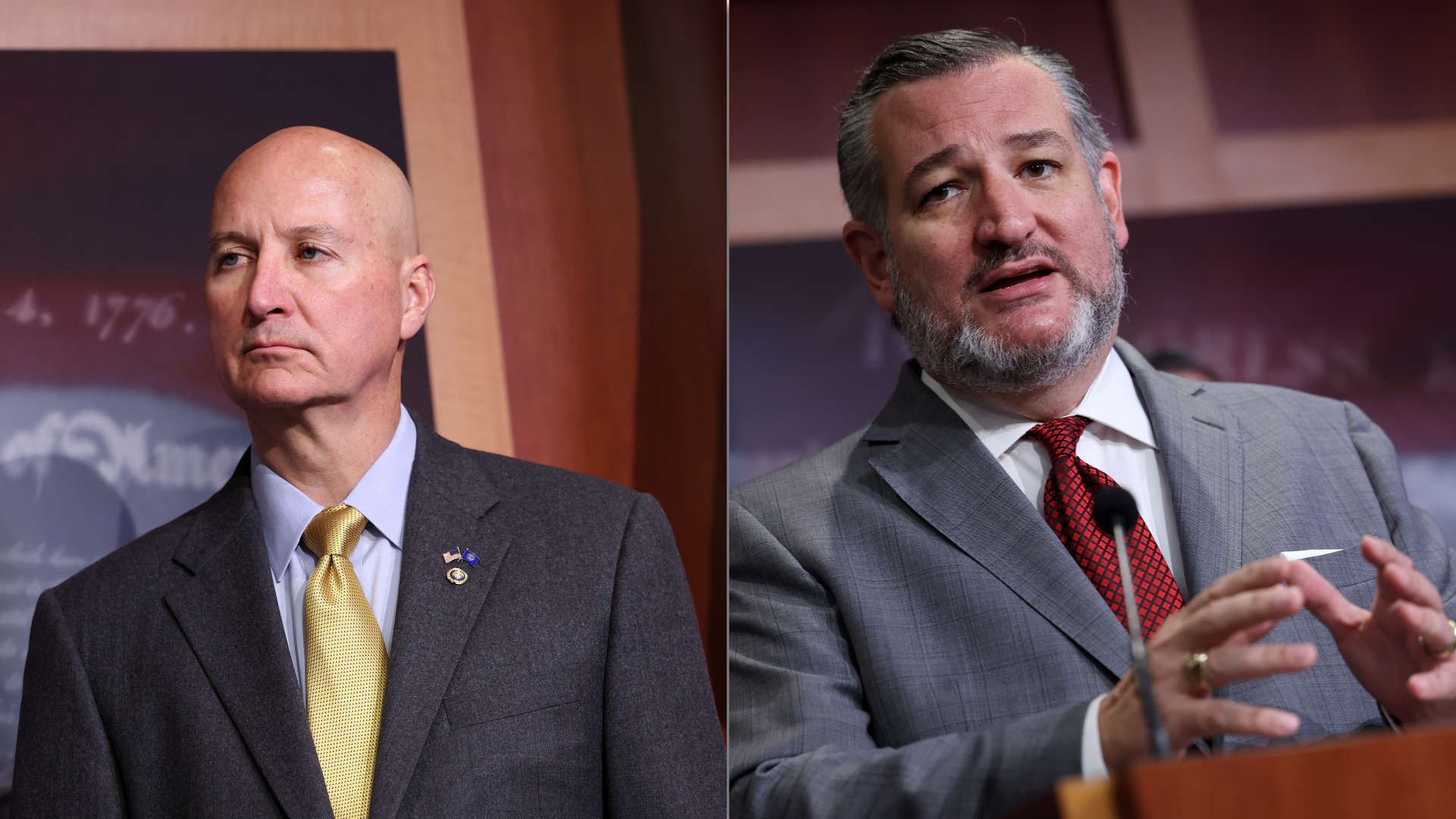
Sens. Pete Ricketts (R.-Neb.), left, and Ted Cruz (R.-Texas). Photos: Kevin Dietsch/Getty Images
The Senate on Tuesday voted on two measures to overturn crypto-related regulations inked late in the Biden administration.
Why it matters: Both regulations, the IRS' DeFi broker rule and a digital-payments rule from the Consumer Financial Protection Bureau, are viewed by the crypto industry as overly burdening and add crimps to financial innovation.
Both repeal efforts rely on the Congressional Review Act, which gives Congress limited authority to nix whole rules enacted in the final days by an outgoing administration.
- This is familiar terrain for Trump and congressional Republicans. The prior Trump administration rolled back numerous Obama-era rules as well.
Driving the news: The Senate passed the CRA resolution to repeal the IRS DeFi broker rule Tuesday by a vote of 70 to 27.
- The resolution was introduced early in this Congress by Sen. Ted Cruz (R-Texas), and supported by the Trump administration.
- The IRS rule, in an attempt to bring in more funds from crypto trading, expanded the reach of the Internal Revenue Service's reporting requirements into automated operations running on decentralized systems.
- It's an approach Coin Center, a think tank focused on digital assets, called "technologically unfeasible."
In the second vote Tuesday, the Senate passed a procedural motion to move forward with the second CRA resolution. That one seeks to overturn a January rule by the CFPB that expanded its authority to supervise fintech apps in the payments space.
- The resolution was introduced only late last month, by Sen. Pete Ricketts (R.-Neb.), and a final vote is expected in the Senate on Wednesday.
Zoom in: Using fintech apps to make payments has become very popular in the U.S.
- The CFPB rule, among other things, expands obligations under the Electronic Funds Transfer Act to cryptocurrency wallets known as "non-custodial."
- Friction point: With non-custodial crypto wallets, developers have no control over assets deposited in them, making "it difficult or virtually impossible to comply with the obligations imposed," as attorneys in Perkins Coie noted in a blog post on the rule.
The other side: The CFPB rule deals with much more than non-custodial wallets however, and its concept of drawing these new applications under the regulator's authority is one the advocacy group Better Markets has supported.
- "The CFPB's proposal will ... protect the wallets of the rising number of Americans using these technologies," Stephen Hall, the organization's legal director, said in a statement last year.
What they're saying: "The Biden administration did everything it could to stifle financial innovation in the United States, threatening to send digital asset companies overseas," Senate Majority Leader John Thune (R-S.D.) said in a statement.
- "The Senate is working to undo these burdensome regulations one at a time to restore financial freedom for the American people."
What's next: Neither rule would be rescinded until the House passes both resolutions as well.
