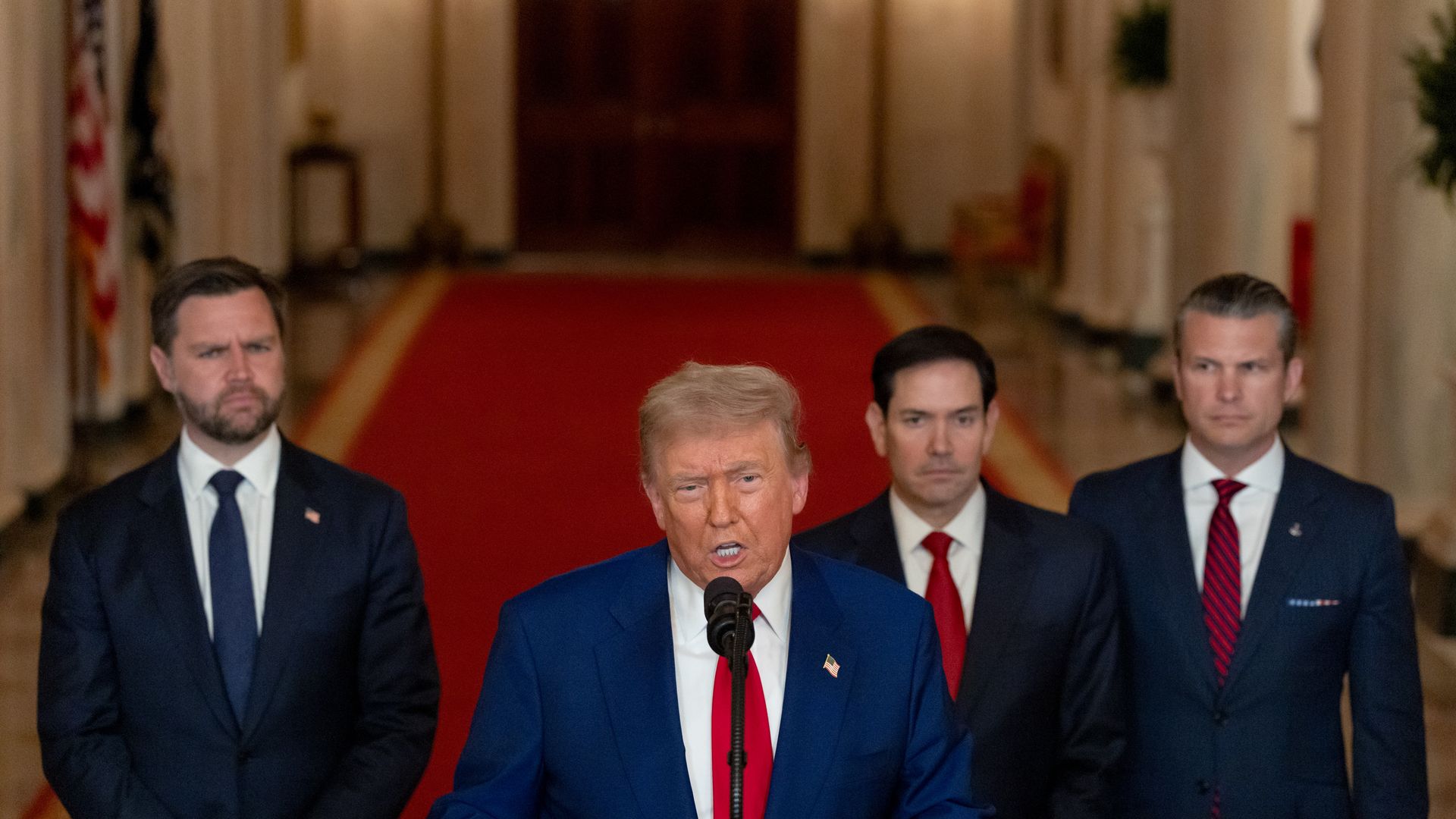
President Trump informed the Senate on Monday that he ordered the military strikes against Iran's nuclear facilities under his constitutional authority and insisted that his actions were consistent with international law.
Why it matters: Trump is asserting his inherent presidential power. He isn't citing any existing authorization of the use of military force previously approved by Congress.
Disney's Pixar suffered its worst-ever debut at the box office with the $21 million estimated domestic opening weekend for "Elio."
🎬 The original film performed "much worse" than Pixar had expected, according to the New York Times, even after expectations had plummeted in recent months.
The movie — which tells the sci-fi story of a boy who dreams of meeting aliens — "had a bumpy road to the screen," AP reported.
Yes, but: Though it fell short of the next-worst Pixar opening — "Elemental" got $30 million in 2023 — "Elio" fetched good reviews from moviegoers and reviewers.
💠Nathan's thought bubble: I like meaningful animated films, but the trailer for this one made it look odd.
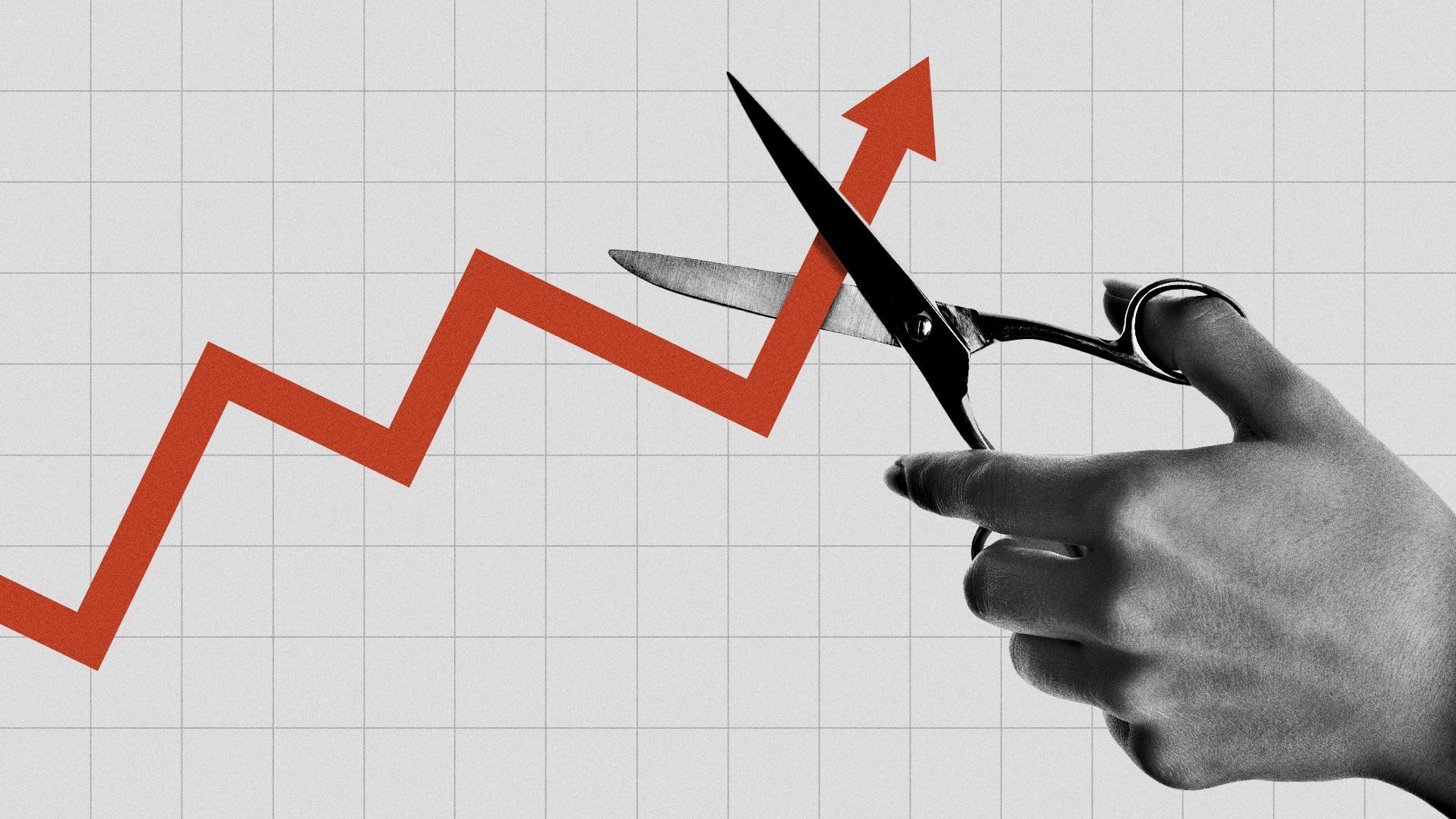
Efforts from the Trump administration to cajole the Federal Reserve into cutting interest rates has taken a new form over the last week, with several senior officials beside the president joining the pressure campaign.
The big picture: In Trump's first term, the president jawboned chair Jerome Powell to lower interest rates. What's different this time around is that it has become a unified message from across the administration.
Ford Motor is pushing ahead with a politically controversial battery factory in Michigan, even as Congress moves closer to eliminating the lucrative Biden-era tax subsidies that made the project financially feasible.
Why it matters: Ford's argument is that by building batteries using technology licensed from China's leading battery producer, CATL, it is helping to re-shore important manufacturing expertise that was long ago ceded to China.
Efforts from the Trump administration to cajole the Federal Reserve into cutting interest rates has taken a new form over the last week, with several senior officials beside the president joining the pressure campaign.
The big picture: In Trump's first term, the president jawboned chair Jerome Powell to lower interest rates. What's different this time around is that it has become a unified message from across the administration.
There is an economic case to be made for the Fed to cut rates soon, which just this morning, a top central bank official made in a speech.
But a core Trump argument — that rate cuts need to happen to save the government money on its borrowing costs — will likely be particularly unpersuasive to decisionmakers at the central bank.
Bowman and Waller are making a rate cut argument that has a shot of persuading their colleagues around the table at the FOMC. It's distinctly different from the one Trump himself is making.
Trump said Friday on Truth Social that "numbskull" Powell would save the federal government up to $1 trillion by cutting rates.
It was the latest in his repeated calls for the central bank to lower rates to save the government money on its debt service costs.
Reality check: If bond investors came to believe that the Fed was setting rates based on what would be most advantageous for the government's debt service costs, rather what is justified by inflation and growth, they would start to price in higher long-term inflation and thus higher long-term rates.
FICO credit scores will begin incorporating buy-now-pay-later data for the first time.
Why it matters: With over 90 million Americans expected to use BNPL for purchases this year, critics argue that existing credit scores paint an incomplete picture of an individual's ability to pay back loans.
Financial markets are discounting the risk of escalation in the Middle East, after more than a day passed without any retaliation from the Iranian side.
Why it matters: Nothing seems to be able to stop the rally that has driven U.S. stocks more than 20% higher since early April.
By the numbers: Most asset classes had a knee-jerk reaction last night that turned calm, orderly — and even slightly risk-on — by this morning.
The CDC center that provides a window into how Americans are accidentally killed could see much of its work zeroed out under the Trump administration 2026 budget after it was hit hard by staff cuts this spring.
Why it matters: Unintentional injuries are the leading cause of death for Americans younger than 45, and the data the National Center for Injury Prevention and Control churns on fatal car accidents, drug overdose deaths, firearm injuries and even dog bites help inform public health strategies.