Residents of European travel hotspots are rallying against the effects of overtourism for the second consecutive summer.
Why it matters: Protesters say post-COVID tourism booms, which don't show signs of slowing down, are increasing costs and pushing locals out of their neighborhoods and cities.
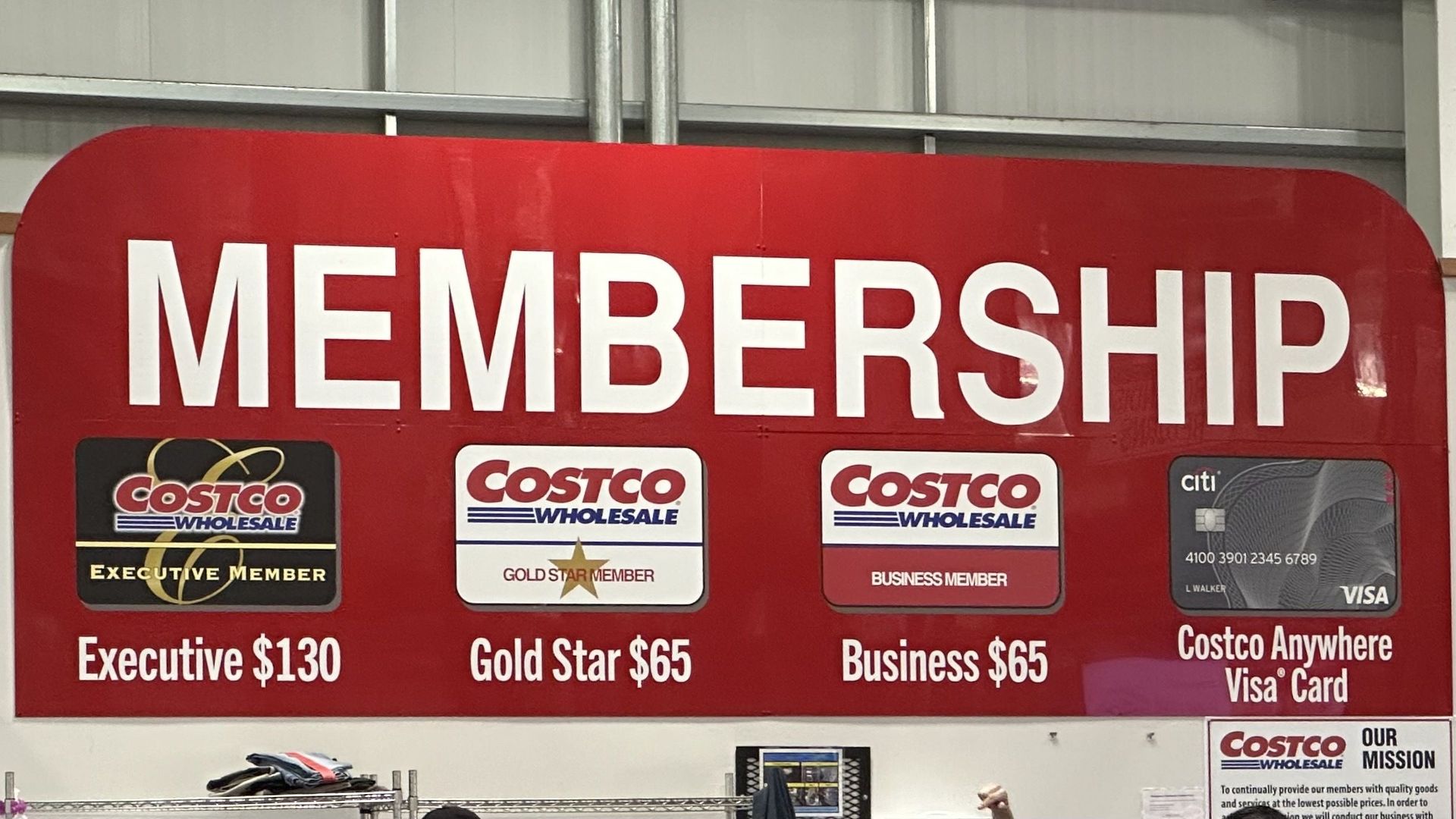
Costco is rolling out earlier shopping hours for executive members at U.S. warehouses — a subtle but significant shift nearly a year after raising membership fees for the first time since 2017.
Why it matters: The perk is a way to add value to the membership club's top tier and potentially increase the ranks of executive members who make up a higher percentage of sales.
Here's what's new on Netflix, Max, Disney+, Apple TV+, Paramount+ and Prime Video.
What we're watching: New seasons of "America's Sweethearts: Dallas Cowboys Cheerleaders" and "The Gilded Age" and a documentary about the first Black Mardi Gras krewe.
Sales of flouride-free toothpaste are surging, according to Bloomberg.
🦷 "Since the beginning of last year, sales of tubes that eschew fluoride have grown around 16% on average each month through April, compared to an increase of just 2.4% for fluorinated options over that time, according NielsenIQ data," Bloomberg notes.
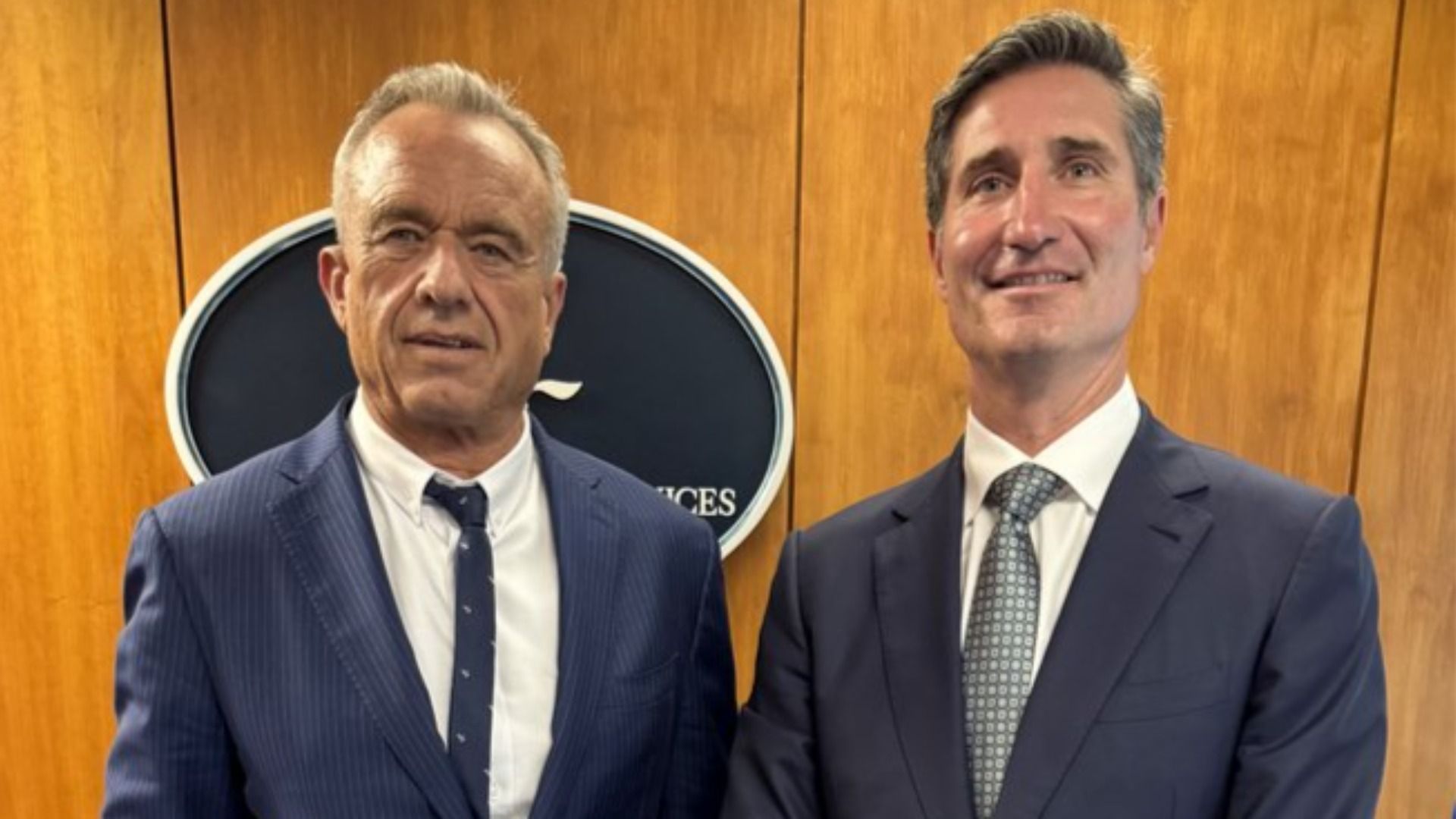
The big picture: HHS Secretary Robert F. Kennedy Jr. has questioned the safety of flouride in drinking water, while podcaster Joe Rogan has done the same while highlighting natural toothpaste alternatives.
The bottom line: Trend beneficiaries include brands like Boka and Biöm, which both "sell fluoride-free toothpaste formulated with tooth-strengthening alternative nano-hydroxyapatite, a version of the naturally occurring mineral and primary inorganic component in teeth," Bloomberg notes.
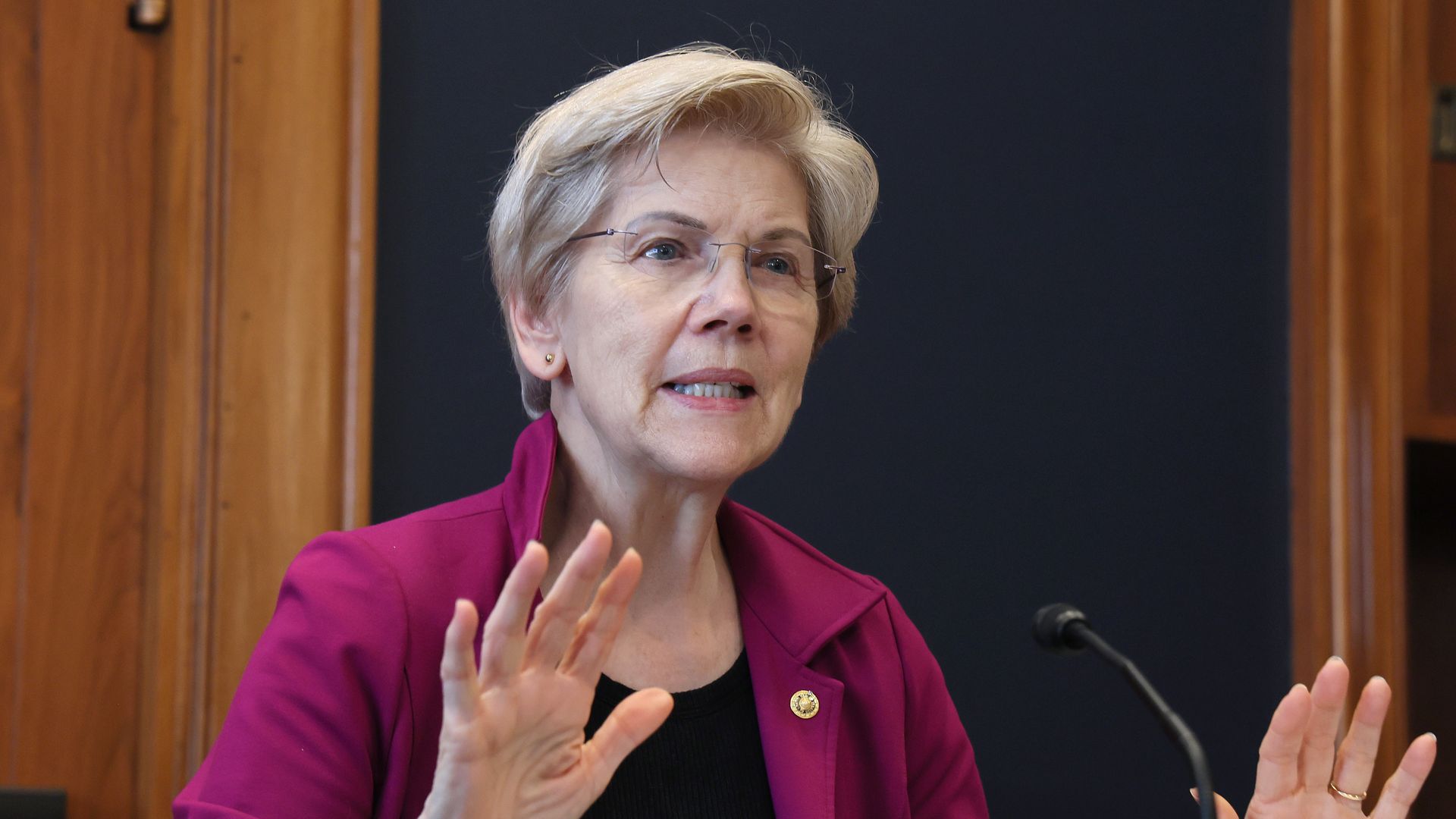
Sen. Elizabeth Warren (D-Mass.) on Wednesday sent a letter to the CEO of 401(k) giant Empower, asking questions about its plan to allow private equity and credit into some of its retirement plans, Axios has learned.
Why it matters: This is an opening salvo in a political fight over expanded access to private equity, which historically has been limited to institutional investors and high-net-worth individuals.
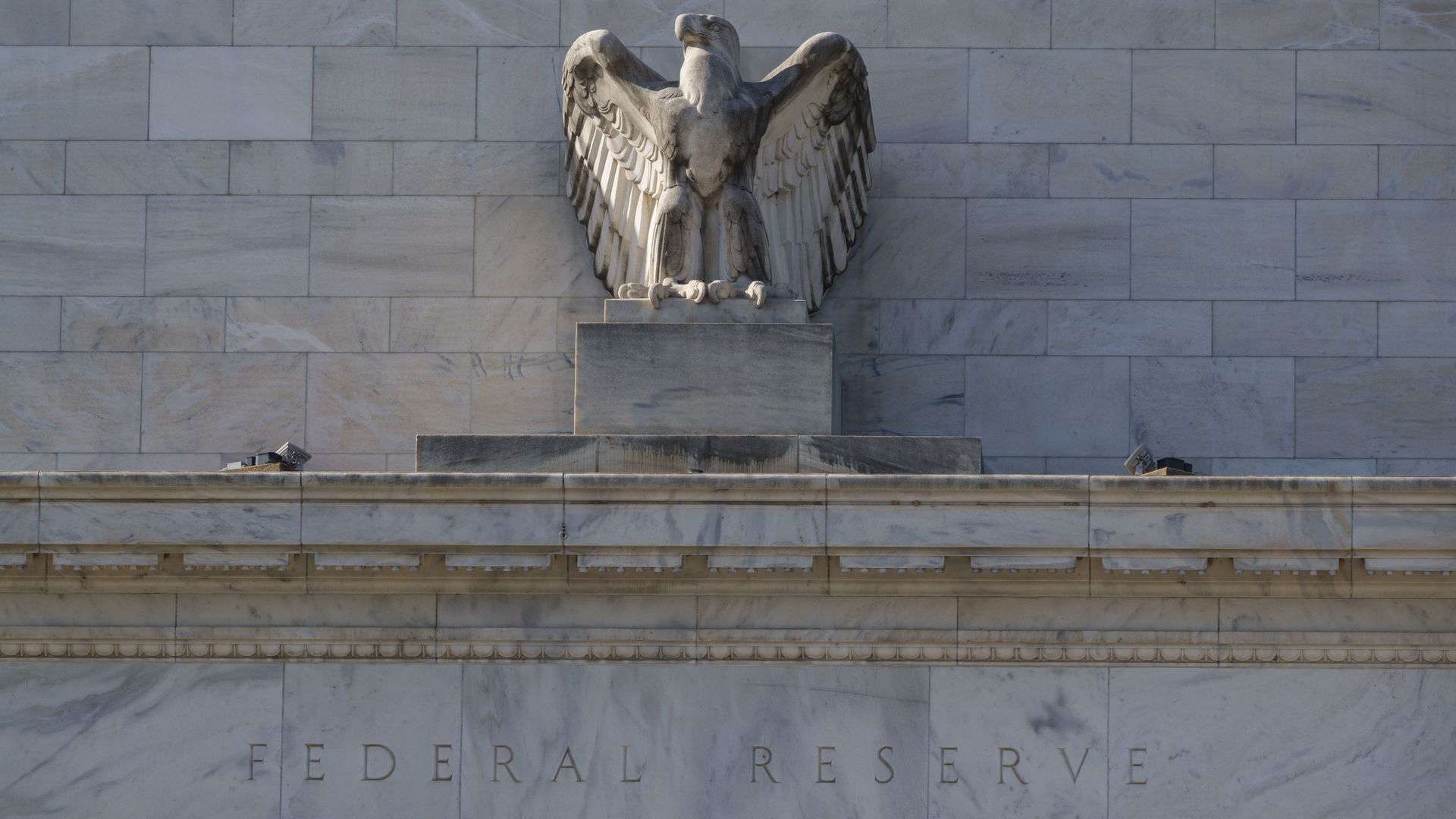
The Federal Reserve left interest rates unchanged for the fourth straight meeting, as its leaders projected weaker growth and higher inflation this year than they envisioned three months ago.
Even so, they continue to expect two rate cuts later this year.
Why it matters: The central bank has resisted President Trump's calls for immediate rate cuts, as its leaders believe that a volatile policy environment will fuel both higher prices and a weaker job market in the near term.
A longtime slump in the new housing sector is getting worse, according to new indicators.
Why it matters: The broader economy held up during a "rolling recession" that hit the housing industry in recent years. That might not be the case this time if other sectors slow concurrently.
The Social Security trust fund is on track to run out of money in nine years, its trustees said in a new report Wednesday, a year sooner than the last projection.
Why it matters: The U.S. faces a major fiscal reckoning in the early 2030s, as retirement benefits would be on track to be slashed automatically, if Congress does not act to preserve the benefits on which millions of Americans rely.
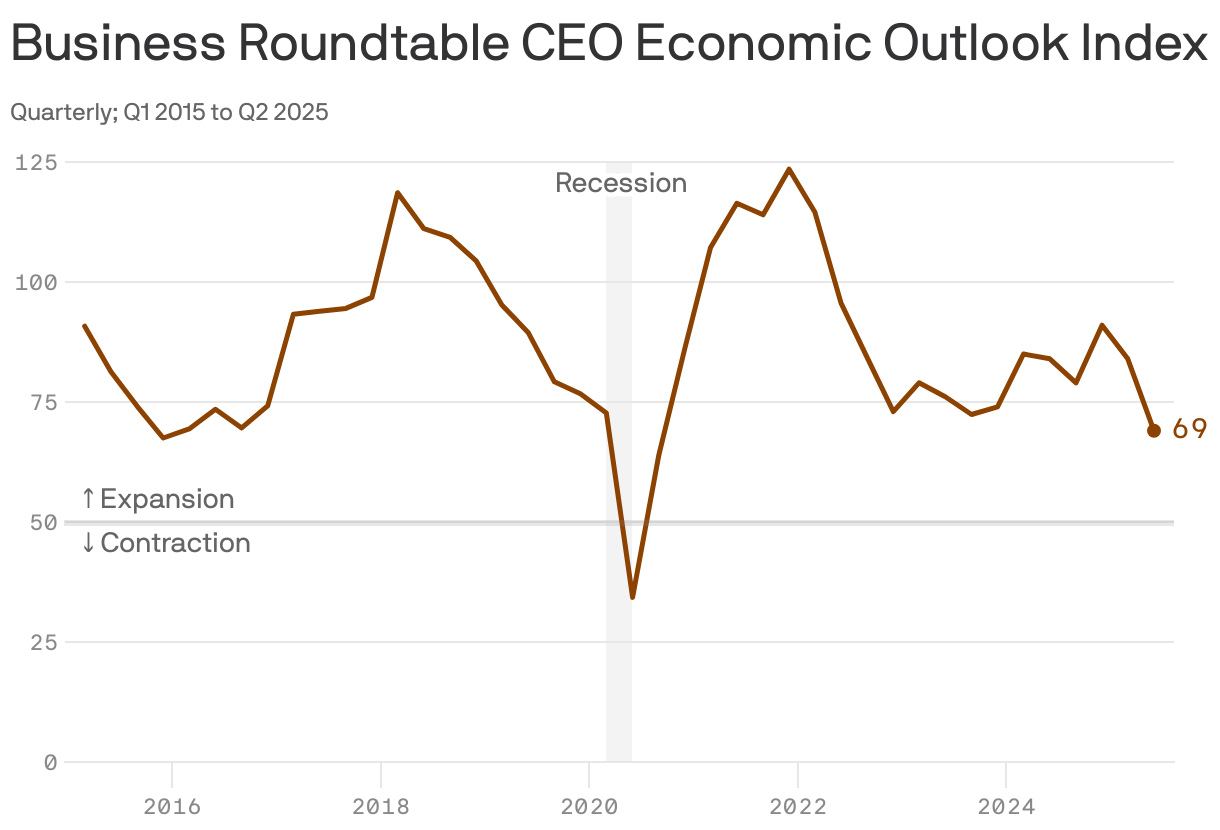
Economic sentiment among America's top CEOs plunged to the lowest level since 2020, according to a new survey by the Business Roundtable, first seen by Axios.
Why it matters: Chief executives have not been this sour on the economy since the once-in-a-century pandemic, with significant downgrading expectations for hiring, investment and sales growth.
The future of transportation, it turns out, looks pretty familiar, with lots of gasoline-powered pickup trucks and SUVs.
Why it matters: With electric vehicle sales stalled, regulations in flux and tariff threats upending supply chains, automakers are leaning into their core moneymakers for the foreseeable future.
A few details are emerging about Ford's affordable EV project, due in 2027.
Why it matters: Ford, like other global automakers, is scrambling to make electric vehicles profitably and still compete with lower-cost Chinese brands.
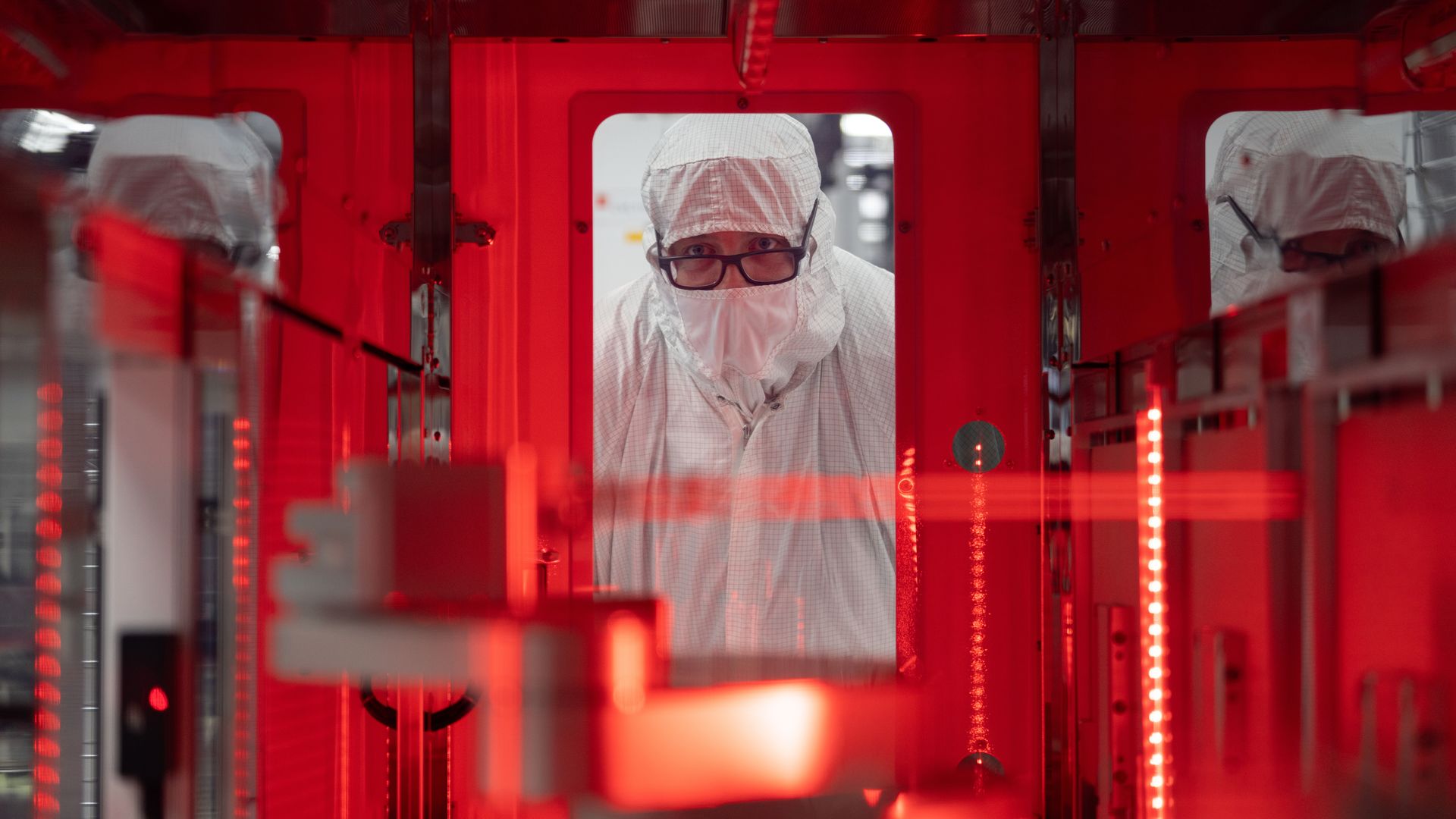
Why it matters: The U.S. has been scrambling to ramp up chip production capacity after the pandemic exposed the country's over-reliance on imports as a national security issue.
Japan's Nippon Steel on Wednesday completed its $14.1 billion takeover of Pittsburgh-based U.S. Steel, and provided greater detail on its national security agreement with the American government.
Why it matters: This ends nearly 18 months of business, legal, and political drama.
Analysts are slashing estimates for U.S. EV sales in coming years as GOP lawmakers and Trump officials scuttle tax credits and emissions rules.
Why it matters: Transportation is the biggest U.S. share of CO2. And dimming sales forecasts show a market that remains tethered to fast-changing policies.
Low-income Americans are looking like the losers in the Senate version of President Trump's signature tax bill.
Why it matters: While some of Trump's preferred tax breaks for the working class made it through, other cuts still outweigh those wins, progressives and advocates for the poor argue.
The White House immigration crackdown is hitting the long-term healthcare industry, as nursing homes and care providers lose foreign-born employees and struggle to hire.
Why it matters: These folks care for the disabled and for the country's fast-growing elderly population, and they're already in short supply.
Tariffs and supply chain uncertainty are playing havoc with hospitals' purchasing plans, especially for lower-margin products like gloves, gowns and syringes.
Why it matters: The uncertainty is in some cases delaying spending decisions, including capital improvements, as health system administrators wait to see the effect of increased duties and whether manufacturers win exemptions from the Trump administration.
Health insurers are starting to notify states that tariffs will drive up the premiums they plan to charge individual and small group market enrollees next year.
Why it matters: The Trump administration's trade policy is adding another layer of uncertainty for health costs as Congress considers Medicaid cuts and is expected to sunset enhanced subsidies for Affordable Care Act coverage.