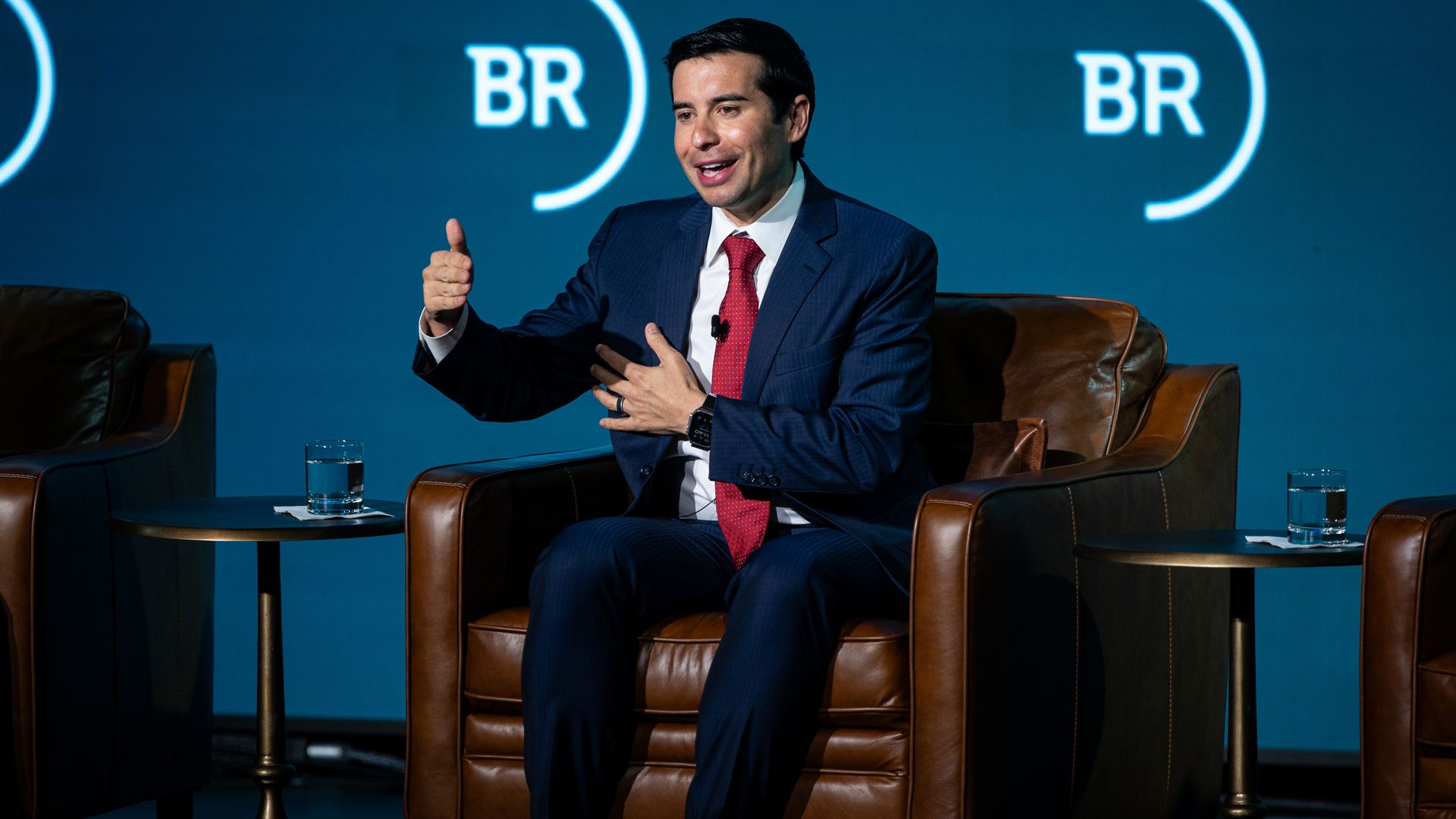
🌮 Yum Brands named its chief financial and franchise officer, Chris Turner, as its new CEO, replacing the retiring David Gibbs in October. Yum's Taco Bell chain is humming, but its Pizza Hut brand remains in a slump. (CNBC)
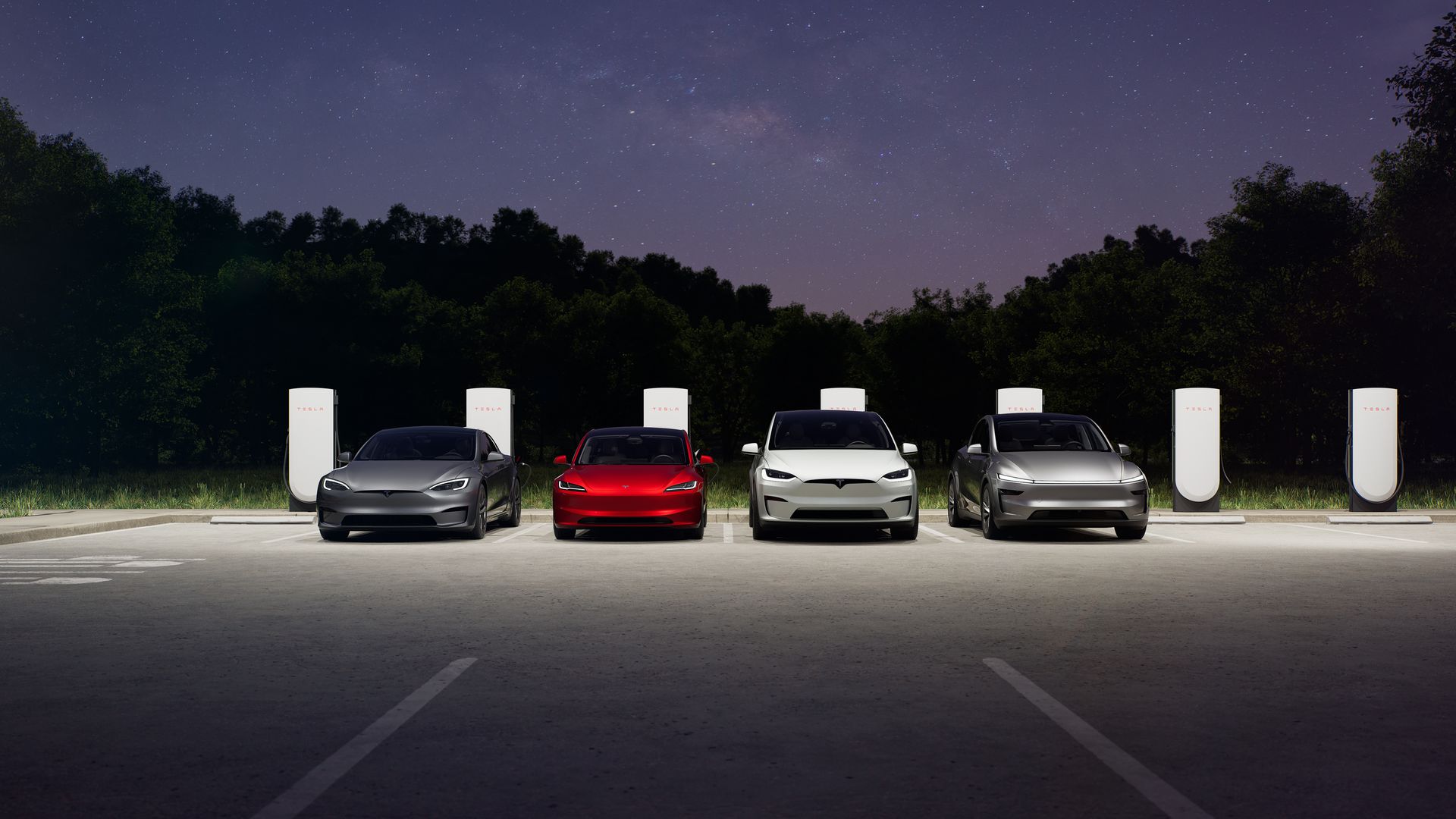
🇺🇸 Tesla took the top four spots in Cars.com's annual list of the most American-made vehicles. Detroit's Big Three automakers had only one vehicle in the top 10. (Axios)
💳 JPMorgan Chase is hiking the annual fee of its popular Sapphire Reserve credit card from $550 to $795. The card will also get additional perks, while some will be eliminated. (Axios)
🤑 Amazon is doubling the length of Prime Day this year from two days to four — the longest sale in the event's history. (Axios)
No Corvette has ever accelerated faster than this one.
General Motors today introduced the 2026 Corvette ZR1X, calling it "a true American hypercar and the most advanced Corvette ever."
💨 Zoom in: This 'Vette will sport 1,250 horsepower with an 8-cylinder, twin-turbocharged, hybrid engine capable of accelerating from 0 to 60 in under 2 seconds.
🫨 The vehicle shares a top speed of 233 mph with its sibling vehicle, the Corvette ZR1, but that car needed a pedestrian 2.3 seconds to go from 0 to 60, according to Automotive News.
GM estimated that the ZR1X will be capable of traveling a quarter mile in less than 9 seconds.
💵 What we're watching: Chevy didn't announce pricing, but the 2025 ZR1 started at $173,300, according to Edmunds, and you can safely expect this one to cost more.
JetBlue plans to reduce its capacity and cut unprofitable routes as the travel industry grapples with a slowdown in demand fueled by economic concerns.
Why it matters: JetBlue has already been struggling to regain its footing after its plan to merge with Spirit Airlines was blocked by a federal judge in 2024.
Supporters of the Tron blockchain, the $26 billion network founded by Justin Sun, the crypto billionaire who ate the multi-million dollar banana, looks set to take over a public company in the U.S.
Why it matters: Tron is a top-10 blockchain, but it's a project that — like its founder — has been mired in controversy, making it an awkward target for mixing into traditional portfolios.
Bitget, a cryptocurrency exchange, put out a new report that described the hottest ways to con normal people out of their money these days.
Why it matters: None of us want to be duped.
How it works: Artificial intelligence is making scammers more dangerous. Here's some categories to be vigilant about:
Familiar (but fake) voices offering an appealing investment. These are AI-powered, so they could sound like someone you know.
Social engineering. Surprisingly good offers (such as for prizes or jobs) or scary offers (about debts you owe, taxes that need to be paid) that include facts about you that you think someone inauthentic couldn't know. You would be surprised at how much scammers can work out about you (and sometimes they just make great guesses).
One small facet of the Clarity Act that has not drawn a lot of attention is a provision that, if passed, would protect people who keep decentralized networks running.
Why it matters: Language recently added would defend people from being busted as money transmitters (a kind of business that always, always requires licenses, in the U.S.).
Catch up quick: Majority Whip Tom Emmer wrote the Blockchain Regulatory Certainty Act, a simple piece of legislation that made this clear, and that language just got amended into the Clarity Act, which is now before the whole House.
In the last Congress, that language was also amended into FIT21, an earlier effort at a market structure bill that passed the House.
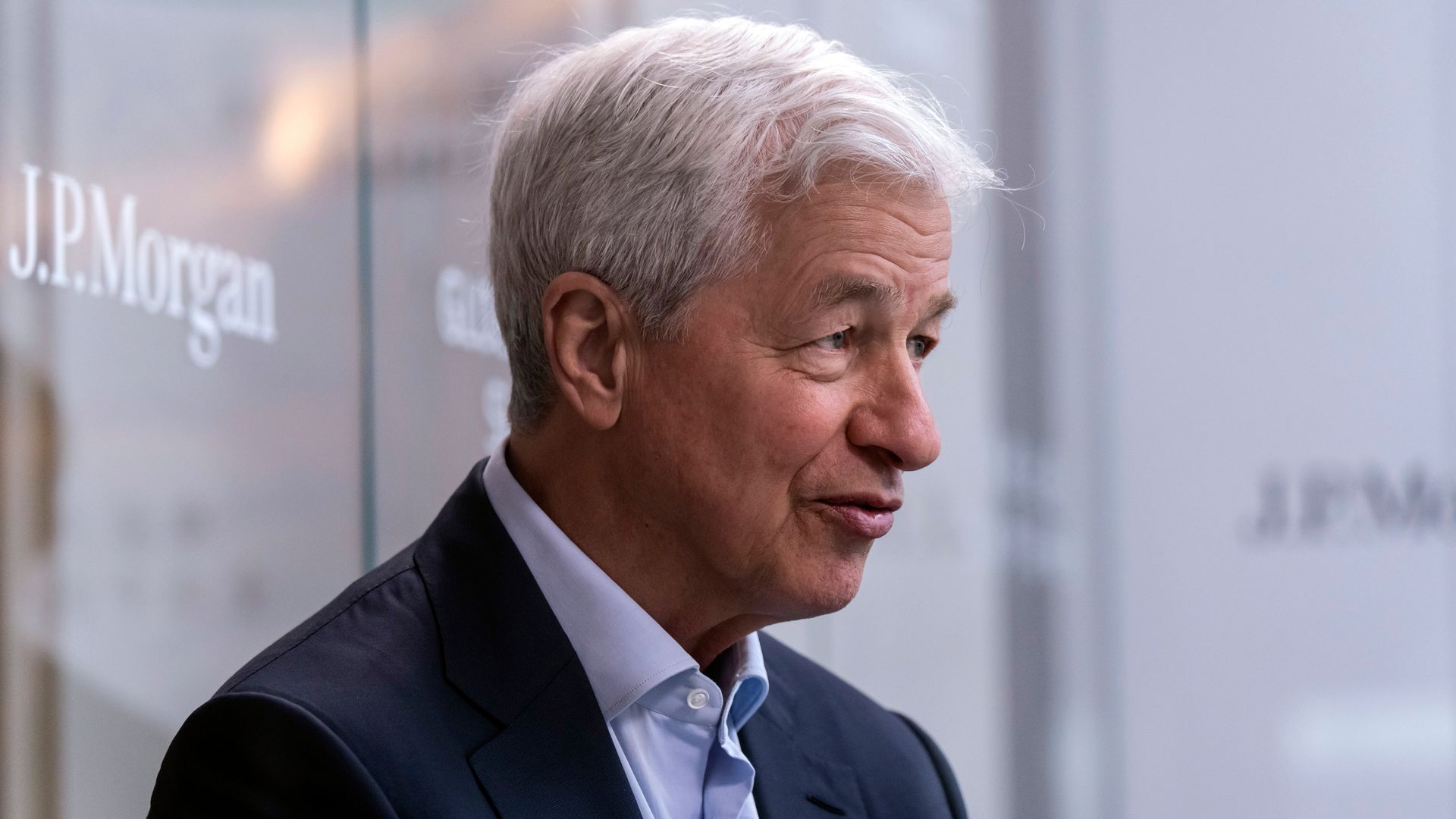
JPMorgan CEO Jamie Dimon said on Tuesday that chief executives should maintain key investments — including workforce initiatives — as businesses grapple with historic policy uncertainty.
Why it matters: White House trade policy and up-in the-air tax legislation has muddled the economic outlook for small and large businesses, with many hesitant to make investment decisions in this environment.
Conventional wisdom is that now is a terrible time for private market investors to launch first-time funds. But that isn't stopping a slew of folks from trying.
The big picture: Limited partners are seeing a wave of general partners spinouts, and many expect that the trend will outpace industry consolidation, according to a recent Coller Capital survey.
Applied Intuition, a Silicon Valley maker of an embedded intelligence platform for autonomous vehicles, raised $600 million in Series F funding at a $15 billion valuation led by BlackRock and Kleiner Perkins.
Why it matters: Self-driving is the present, not the future, as evidenced by over a thousand Waymos on the road in major cities and Tesla's upcoming robotaxi launch in Austin.
American shoppers slowed spending in May, as retail sales fell 0.9% last month, the Commerce Department said on Tuesday.
Why it matters: The worse-than-expected figures come after consumers splurged on autos and other goods in recent months to beat tariff-related price increases.
Some of the most "American-made" vehicles you can buy carry foreign nameplates, per a new Cars.com survey, underscoring the complexity of the global auto industry.
Why it matters: The report, now in its 20th year, is more relevant than ever, landing amid rising geopolitical tensions over trade and tariffs.
Working 9 to 5 was once a way to make a living, in the parlance of Dolly Parton, but the workday today? It never ends.
Why it matters: That's the startling finding of a report out Tuesday from Microsoft on the "infinite workday," which starts before many knowledge workers get out of bed, ends late at night and stretches into the weekend.
Amazon is doubling the length of Prime Day this year from two days to four — the longest sale in the event's history.
Why it matters: This year's Prime Day is forecast to be one of the year's biggest shopping events. Billions of dollars are projected to be spent at Amazon and other retailers that are expected to run competing sales.













/2025/06/16/1750090910248.gif?w=3840)