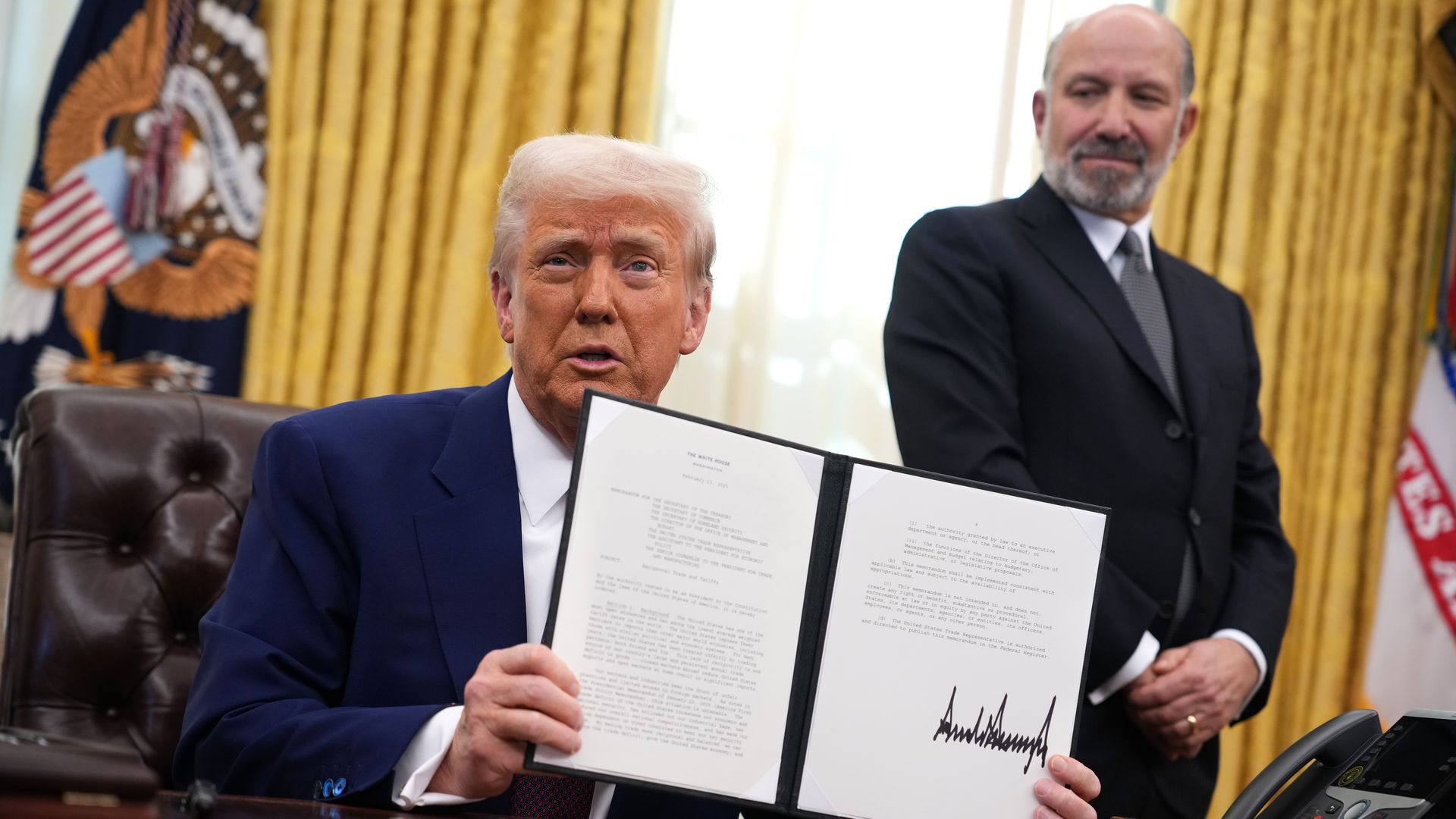
President Trump directed top trade officials to study retaliatory tariffs on global trading partners that have steep import duties on U.S. goods, a process that could take several weeks to complete.
Why it matters: It threatens a historic attack on global trade norms to address what Trump has deemed unfair imbalances, but also leaves room for the White House to strike deals that might ultimately avert tariffs.
The Trump administration has released a slate of nominations this week, and key positions, such as to head the Commodities Futures Trading Commission and a major banking regulator in the OCC, have gone to nominees with ties to the cryptocurrency industry.
Why it matters: There's an adage that personnel is policy, and the appointment of crypto veterans — who served during an era of regulatory skepticism — is further signal that the president intends to make digital assets a priority.
The latest: The most eye-catching nomination is Brian Quintenz to chair the CFTC, the country's derivatives regulator. Quintenz leads crypto policy at the venture capital firm Andreessen Horowitz and is a former CFTC commissioner.
In Robinhood's annual reportfor 2024, the final quarter stands way, way out — it absolutely exploded.
Between the lines: It's crypto trading that did it.
By the numbers: In Q3 the online brokerage brought in $319 million in total transaction-based revenue derived from options, crypto and stock trading.
In Q4, it brought in $358 million just from crypto.
Context: That's a 487% jump in the quarter compared to Q3 from crypto, fueling 111% growth overall. Digital assets vaulted to 53% of Robinhood's transaction-based revenue mix in the final quarter, up from 19% in Q3.
Crypto trading volumes 7Xed on the platform between October and November.
A core goal of President Trump's economic policy is to lower long-term interest rates. The administration has policy options to make it happen — both via Econ 101 macroeconomics and some more unconventional means.
Why it matters: If the Trump team is able to deliver on its goal, it would mean relief for homebuyers, corporate borrowers and the government itself. That said, many of the factors determining those rates are beyond the ability of even a president to control.
If you want to protect yourself against the risk of resurgent inflation and you have some savings to spare, you could do worse than just invest them in the stock market, where dividend income has grown impressively in real terms.
Why it matters: People whose earnings come from labor have seen much less income growth than those who rely on the stock market.
The White House's latest moves to purge the civil service came late Tuesday via an executive order and an email blast to workers letting them know they were fired.
Why it matters: Legal experts say the moves are likely unlawful, workers complain they were sloppily handled, and the whole process runs the risk of doing long-term damage to critical workings of the federal government.
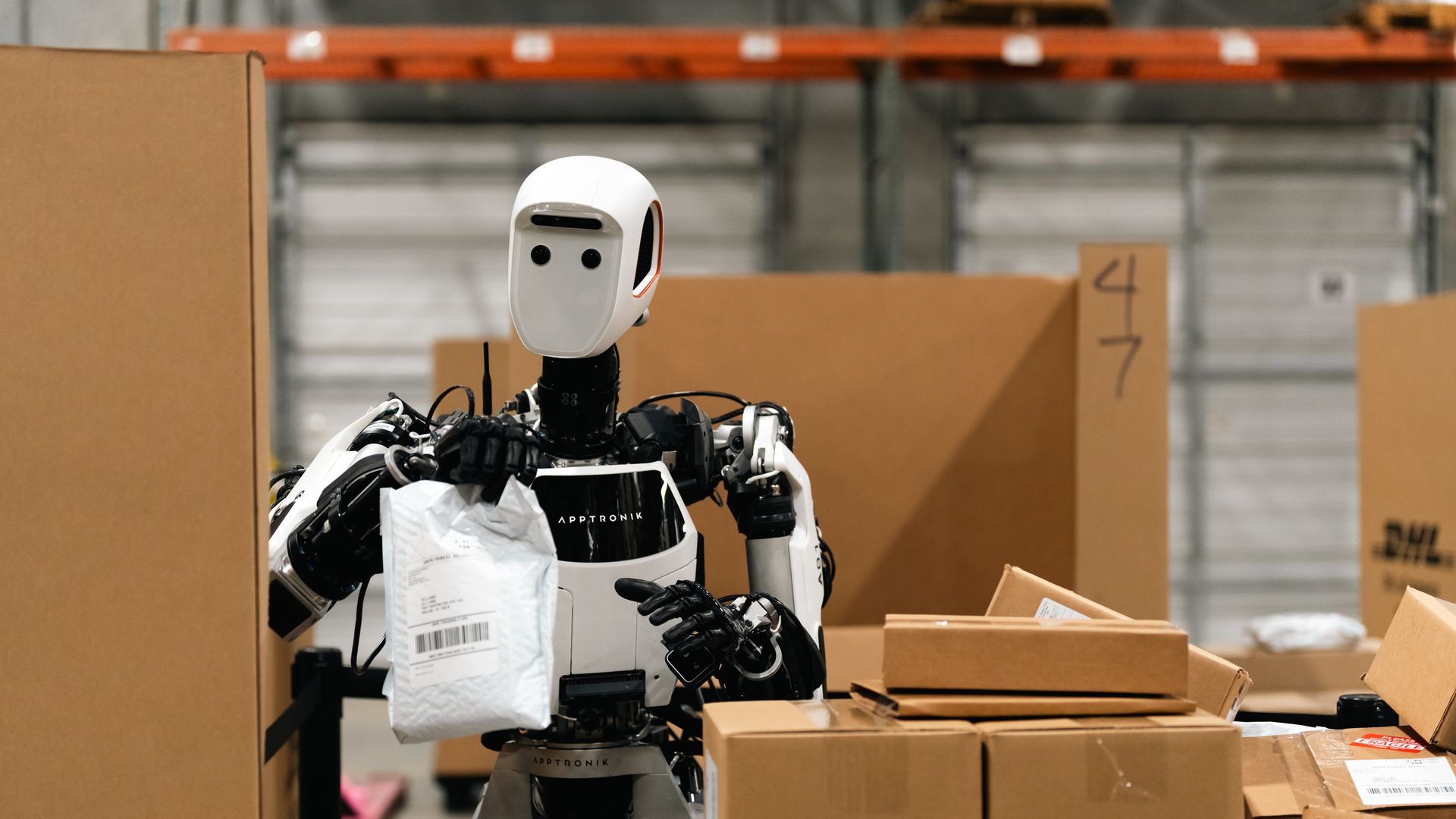
Apptronik, a Texas-based developer of humanoid robots, announced Wednesday that it's raised $350 million in Series A funding.
Why it matters: This is a quantum of capital that's designed to scale the company's robots from tech conference novelty acts to essential "workers" in a variety of industries.
Here's what's new on Netflix, Peacock, Prime Video, Max, Paramount+, Disney+ and Hulu.
What we're watching: Minnesota contestants will find out if "Love Is Blind," the relationships of high school sweethearts are tested and new guests check in to "The White Lotus."
Ford CEO Jim Farley spoke at length with the Detroit News about "Saturday Night Live" legend Chris Farley in a rare interview about his late cousin.
A few highlights of the interview, which comes ahead of SNL's 50th anniversary celebration Sunday night on NBC:
"He was always performing," Jim says, noting that Chris "always got in trouble, but it was innocent," like when he would repeatedly crash the family car and blame nonexistent deer for jumping out in front of him.
The Farley family was shocked when Chris landed on SNL: "We had no idea," Jim says. "We knew he was our funny cousin, but we didn't know he was going to be a world-class comedian."
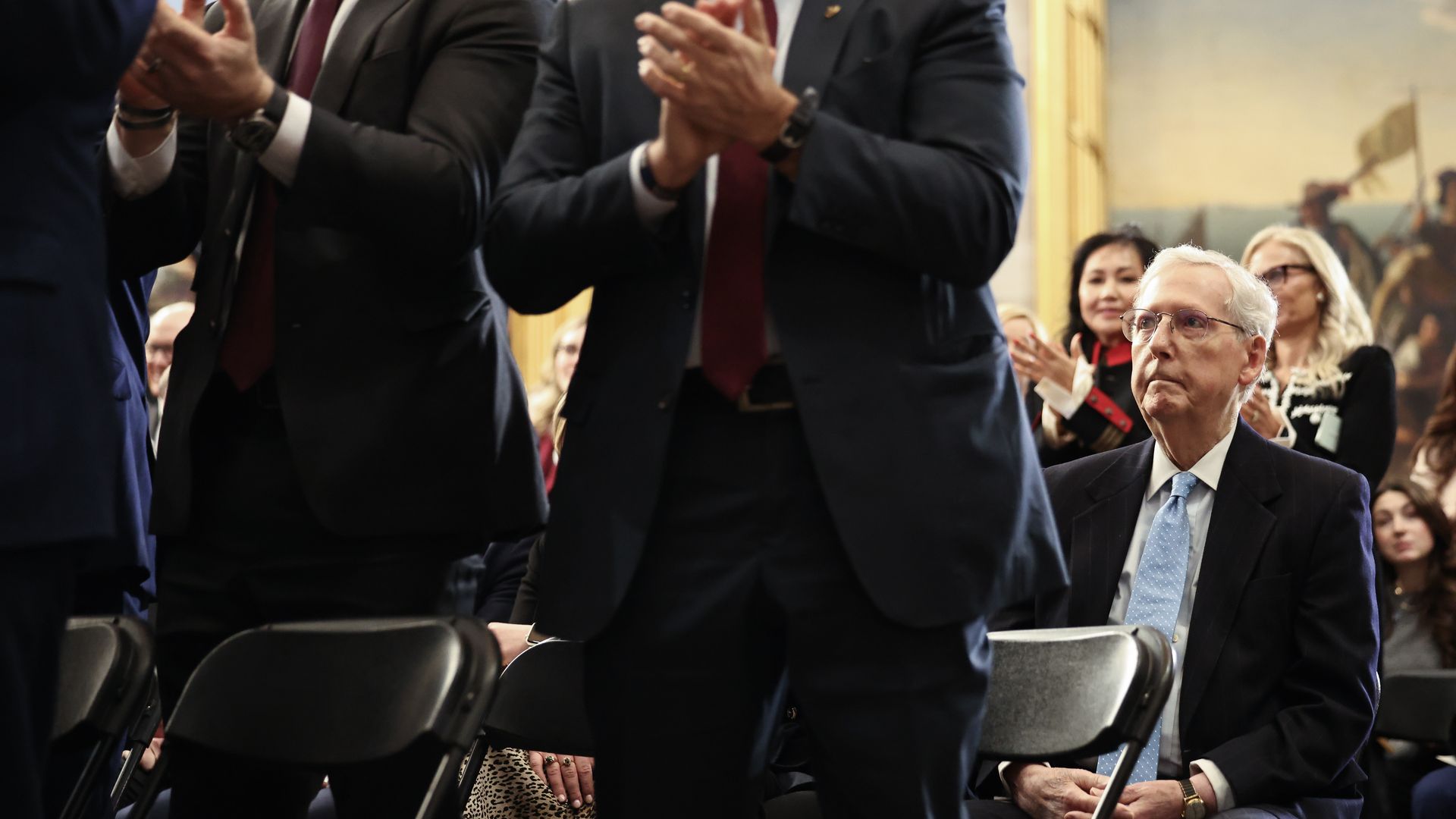
Sen. Mitch McConnell (R-Ky.) continued to lash out against the Trump 2.0 agenda in a Wednesday op-ed, warning that President Trump's sweeping tariff proposals could bruise Kentucky businesses.
Why it matters: In an essay published hours before he voted against Trump's newly confirmed director of National Intelligence Tulsi Gabbard, McConnell bashed the president's tariffs, warning his "aggressive proposals leave big, lingering concerns for American industry and workers."
Several of America's largest companies have buckled to the pressures of political and shareholder activists by rolling back their commitments to diversity, equity and inclusion.
Why it matters: Calls for ending these corporate initiatives have become more fervent in the past year and have intensified at the start of President Trump's second term.
President Trump contended he knew nothing about Project 2025 — but several of his Cabinet picks certainly do.
The big picture: Trump has apparently plucked a number of officials and nominees straight from the pages of the 900-plus-page Heritage Foundation-backed blueprint, which laid out plans to dramatically expand executive power and implement hardline conservative policies.
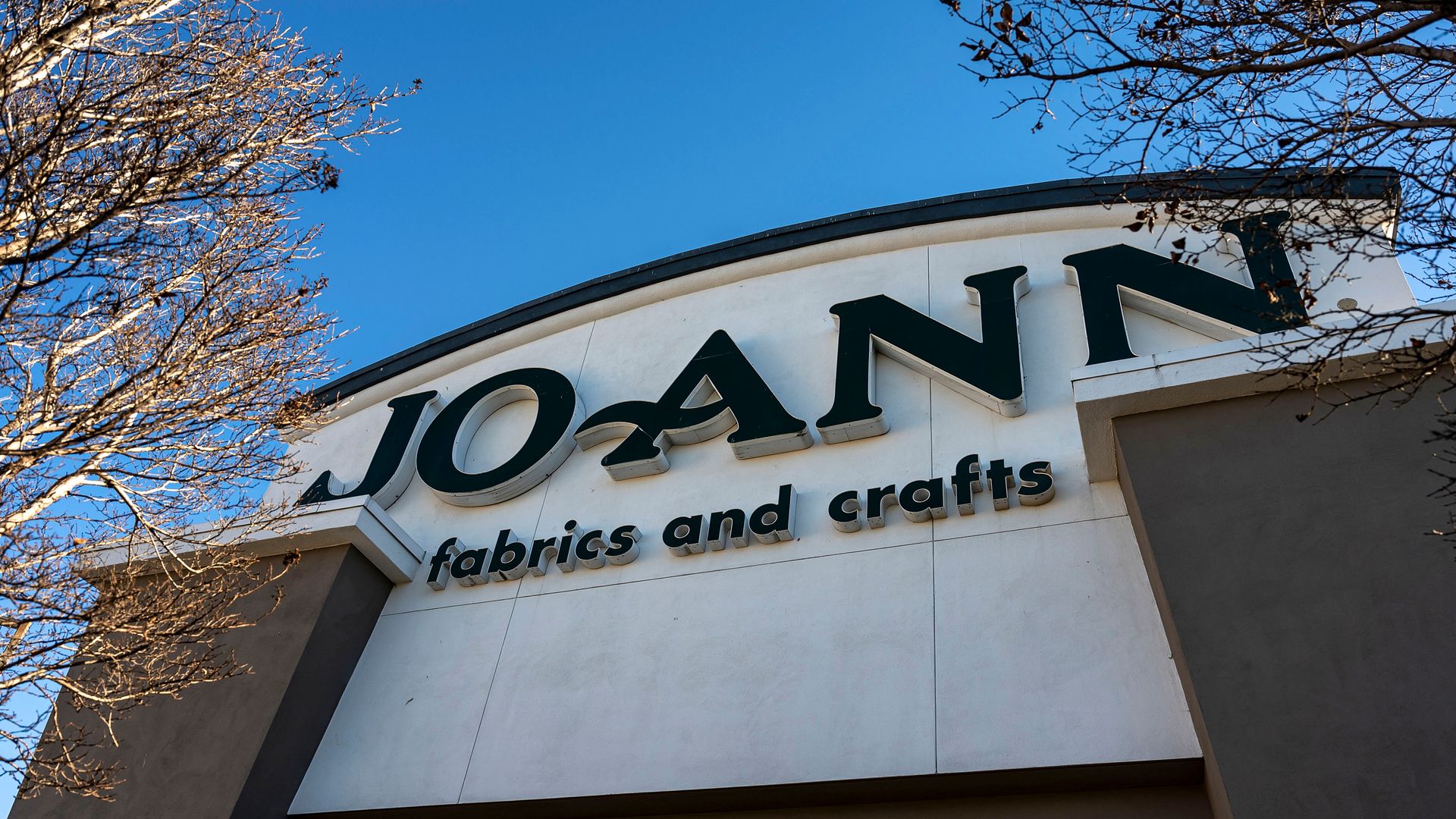
Bankrupt arts and crafts retailer Joann is closing about 500 of its 800 stores, the company announced Wednesday.
The big picture: The retailer is pursuing a bankruptcy sale of its assets but has determined that many of its locations won't attract a buyer, its lawyers said Wednesday in a court filing.
Inflation surged ahead to start 2025, crimping Americans' buying power and serving as a warning to policymakers — whether those contemplating new tariffs or further interest rate cuts — that price pressures are not yet vanquished.
Why it matters: Economic policymakers have described the disinflation process as a bumpy road. The past six months instead look like an uphill path.
The egg crisis is getting so acute, that it's almost a better deal to have a burger for breakfast than an omelette.
Why it matters: President Trump campaigned on lowering Americans' grocery prices — but in the early days of his administration, it's getting harder, not easier, to affordably feed a family a nutritious meal.
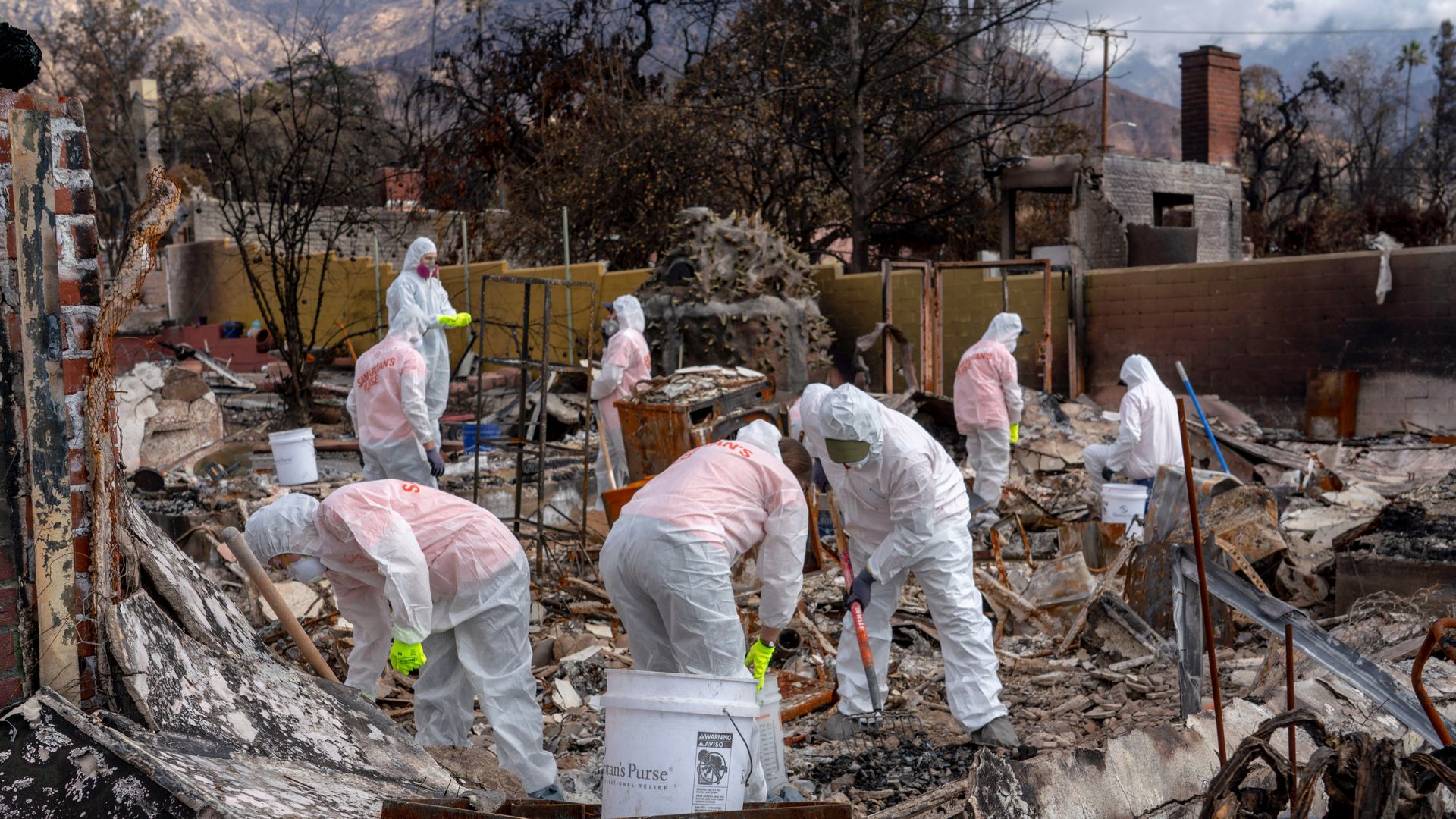
Virtually every homeowner in California may have to dip into their pockets to help cover the cost of January's Los Angeles wildfires, after the state's insurance regulator approved an industry-wide levy for the insurer of last resort.
Why it matters: The $1 billion assessment for the California FAIR Plan is not as bad as some feared but has prompted renewed calls for reform as the state faces ever-growing, climate-fueled risks.
Inflation moved higher in January: The Consumer Price Index rose 0.5%, while a measure that strips out energy and food rose 0.4%, the Labor Department said on Wednesday.
Why it matters: It's a warning to the White House and the Fed about inflation's potential staying power across the economy.
President Trump's early tariff moves have one thing in common: No matter the target, they all threaten to "blow a hole" in the auto industry, Ford CEO Jim Farley said Tuesday.
Why it matters: Whether the tariffs are national (Canada, Mexico) or material (steel, aluminum), the industry fears the same effect — millions of cars a year coming in from Asia and Europe with a sudden cost advantage.
About a quarter of FAFSA applicants last year had difficulty submitting the new federal student aid form that was hampered by technical issues, per a Lumina Foundation-Gallup report released Wednesday.
Why it matters: Glitches and math errors in the free government application presented significant hurdles to students in the college admission process.