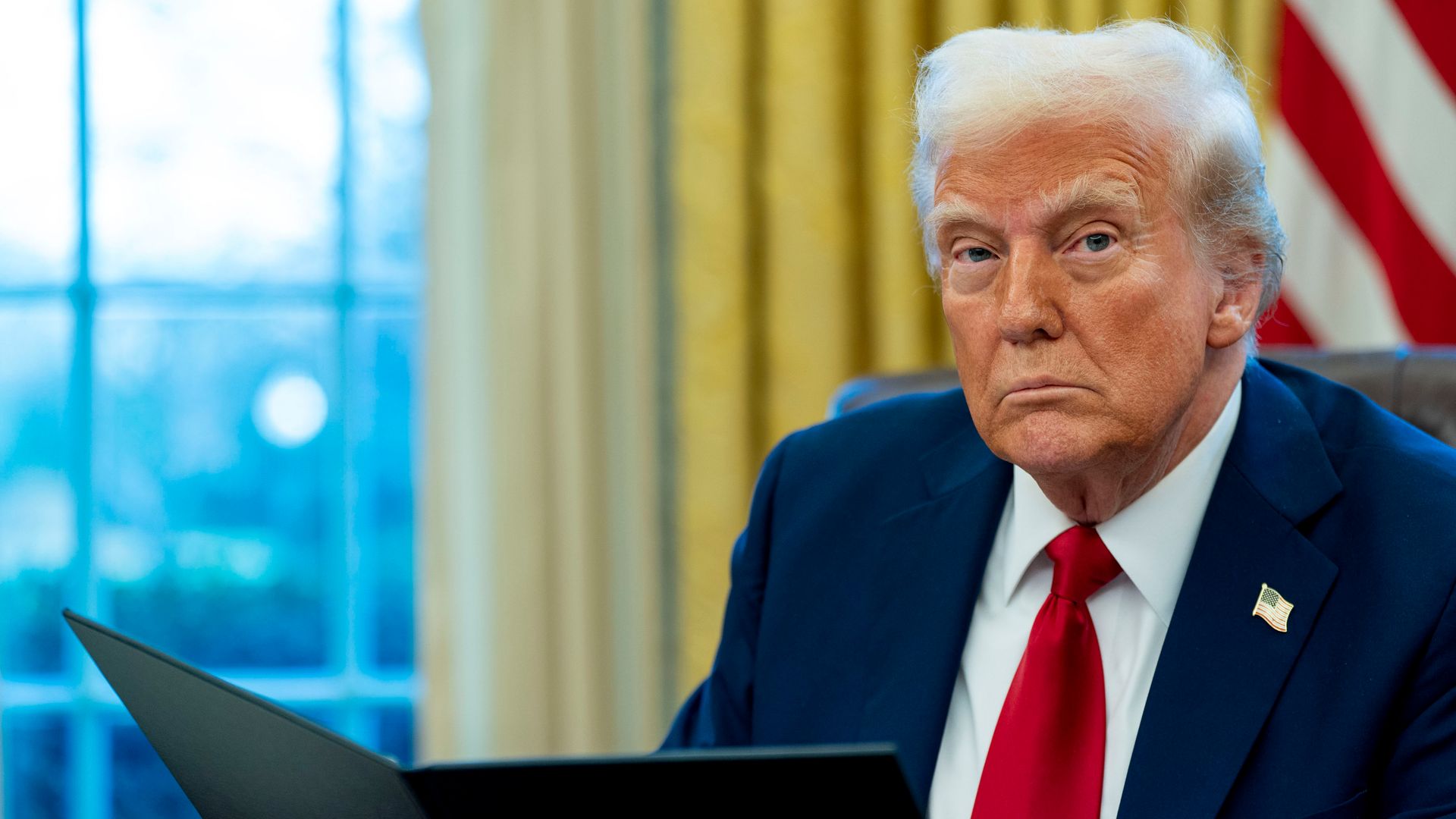
President Trump's planned tariffs could effectively tax the average U.S. household an extra $830 this year, an analysis from the nonpartisan nonprofit Tax Foundation finds.
Why it matters: Economists fear the tariffs will be a net negative for households and the broader economy.
The White House said it will still roll out 25% tariffs on imports from Mexico and Canada, alongside 10% tariffs on China, on Feb. 1 — and threatened future tariffs on other imports from around the globe.
Why it matters: The tariffs would likely spark retaliation of an unknown magnitude, risking economic pain for businesses and consumers.
Company be nimble, company be quick — company is ready for the tariff stick.
Remaining "nimble" — or some variant of the word — has been a popular response from companies in recent days when asked how they're preparing for President Trump's threatened tariffs. "Great question" has preceded more than one answer.
Why it matters: Trump's statements have kept trade partners guessing, perhaps intentionally, but U.S. businesses have been left guessing too.
The big picture: Most company executives have been answering the question of preparedness by discussing the state of their supply chains, their ability to shuffle near-term production and their room to pass through costs.
Senate Republicans areholding their breath over President Trump's tariffs, which kick in Saturday against Canada, Mexico and China.
Why it matters: Many senators spent months telling Axios they saw the move from Trump more as a negotiating tactic. But some were concerned about what would happen if he followed through.
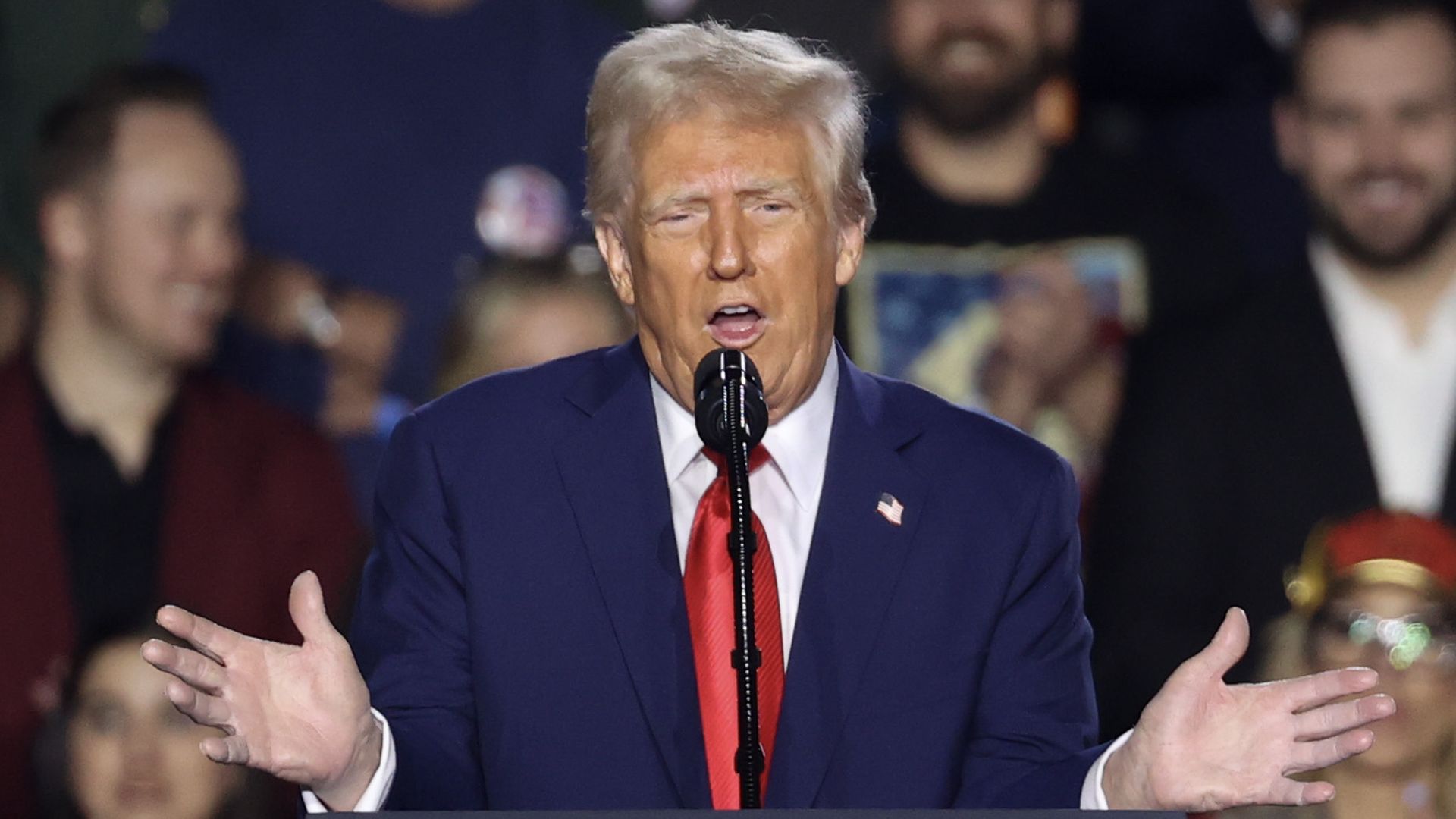
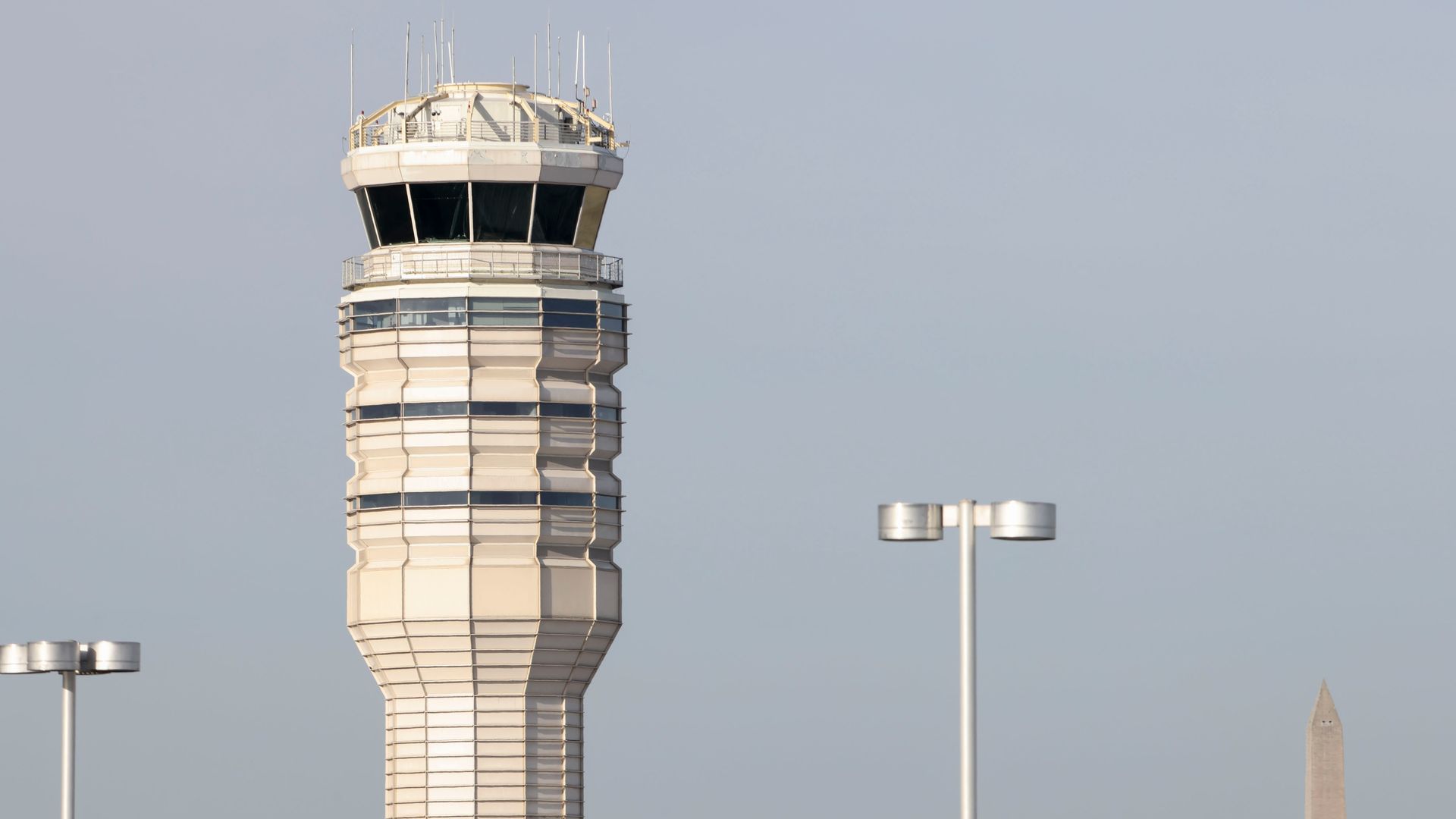
The union representing air traffic controllers on Friday rebutted President Trump's unsubstantiated claim that diversity policies in aviation were to blame for the fatal plane crash Wednesday near Washington, D.C.
The big picture: The union's president defended the quality of his workforce while acknowledging its staff shortages. A federal investigation is still underway to determine the cause of the deadliest aviation crash in the U.S. in decades.
Sports betting isn't legal in Texas, but one of our Austin-based reporters was able to legally purchase a $9 futures contract on the Super Bowl this week anyway, using the prediction market Kalshi.
Why it matters: Kalshi, which is regulated by the Commodities Futures Trading Commission, is not considered a sports betting app.
Waste and recycling management company RTS last week announced $40 million in funding led by existing investor Edison Partners.
Why it matters: Just days earlier, the company claimed in a Delaware lawsuit that it only took the deal because of misdeeds by a different insider, K1 Investment Management.
New data on Friday gives the best snapshot yet of where economic conditions stand before a potential continentwide trade war.
Why it matters: If tariffs prove disruptive to growth, the U.S. is starting from a position of strength — unlike other major economies — which might cushion the blow of tariffs better than otherwise would have been the case.
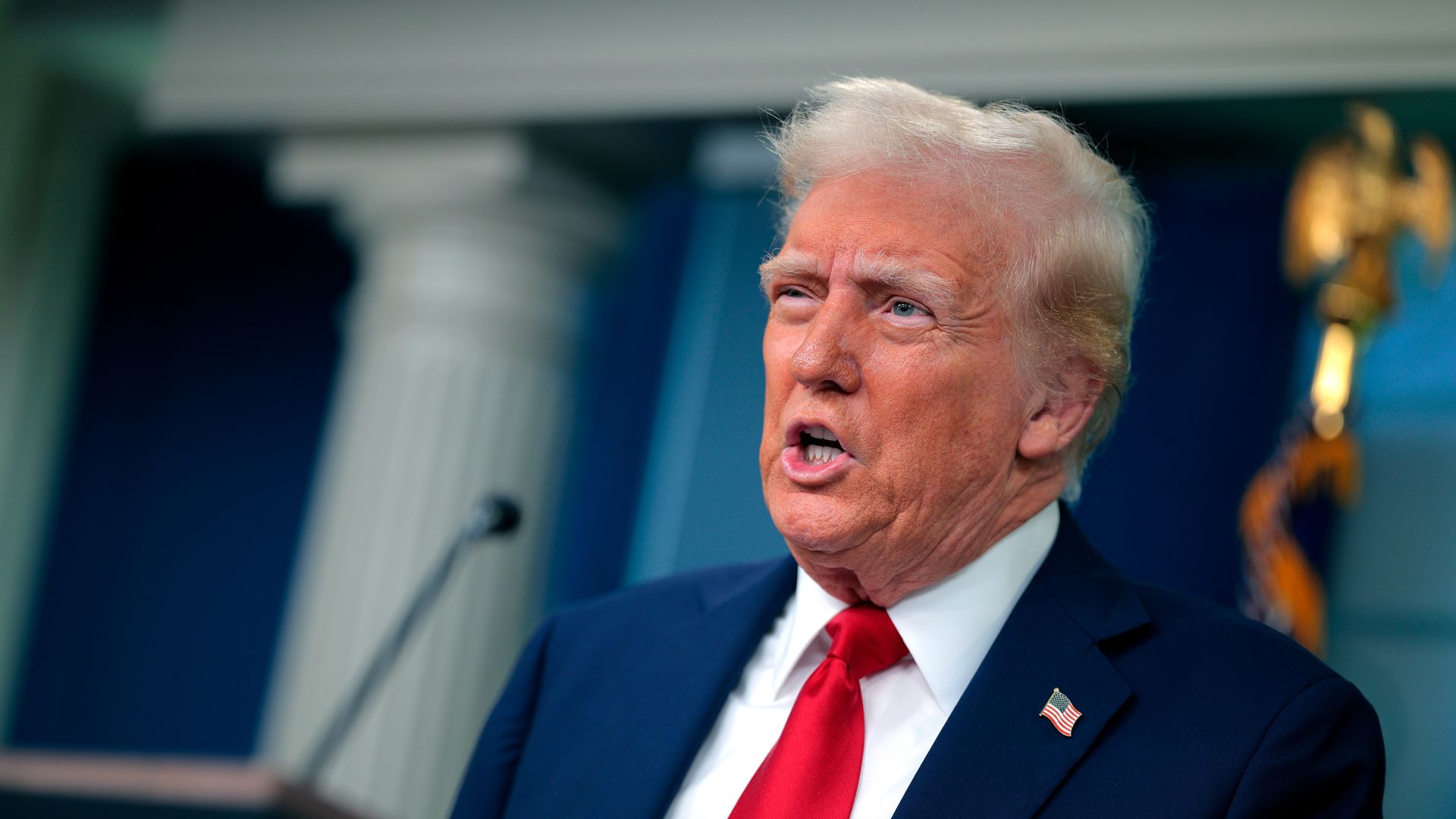
President Trump on Friday blamed the flight path of the Black Hawk helicopter for the fatal plane crash near Washington, D.C.
The big picture: Trump — without providing any evidence — had already blamed diversity efforts for the crash, and his latest comments come well before the National Transportation Safety Board has had time to conduct a thorough investigation.








/2025/01/30/1738265863176.gif?w=3840)