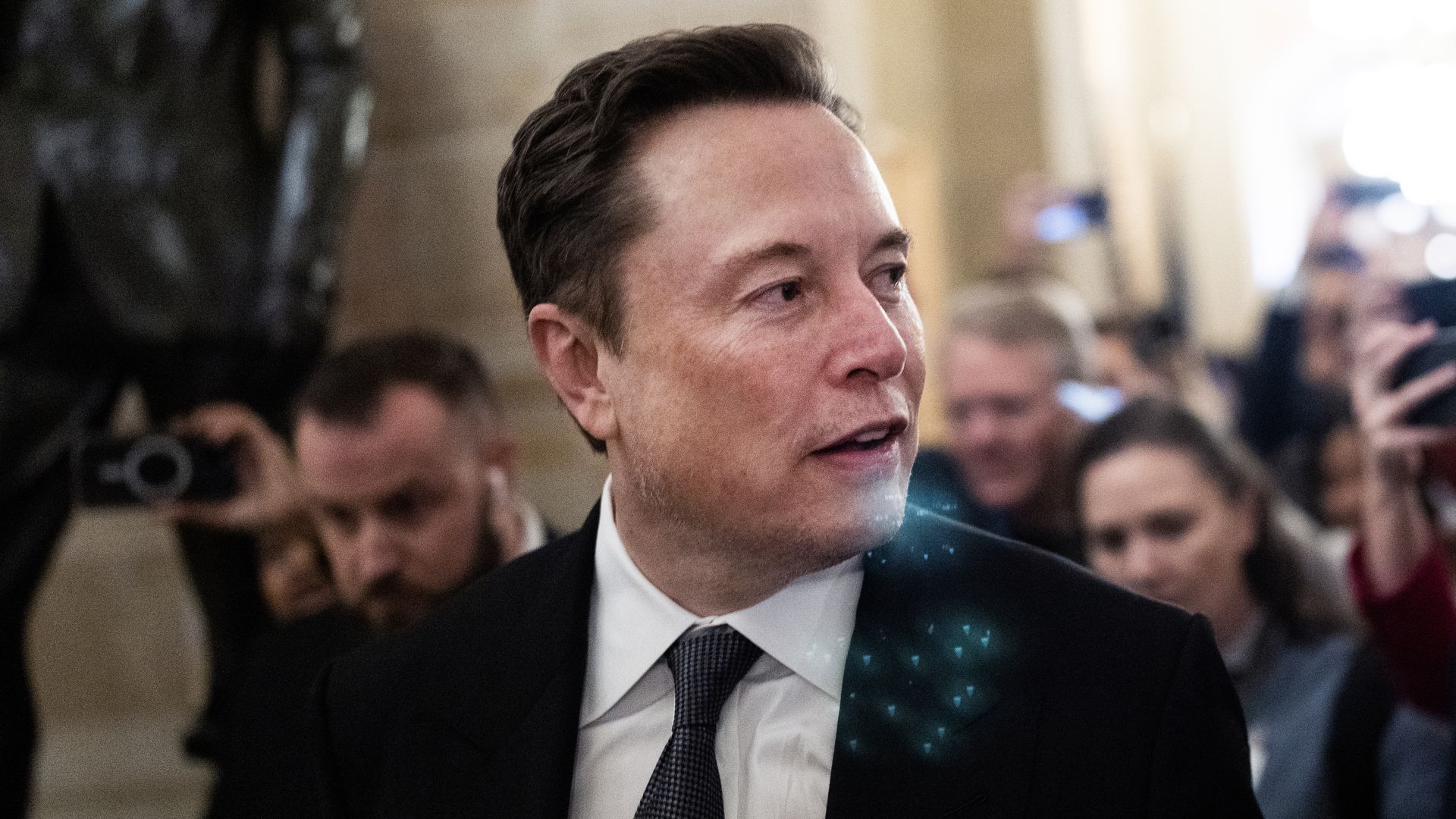
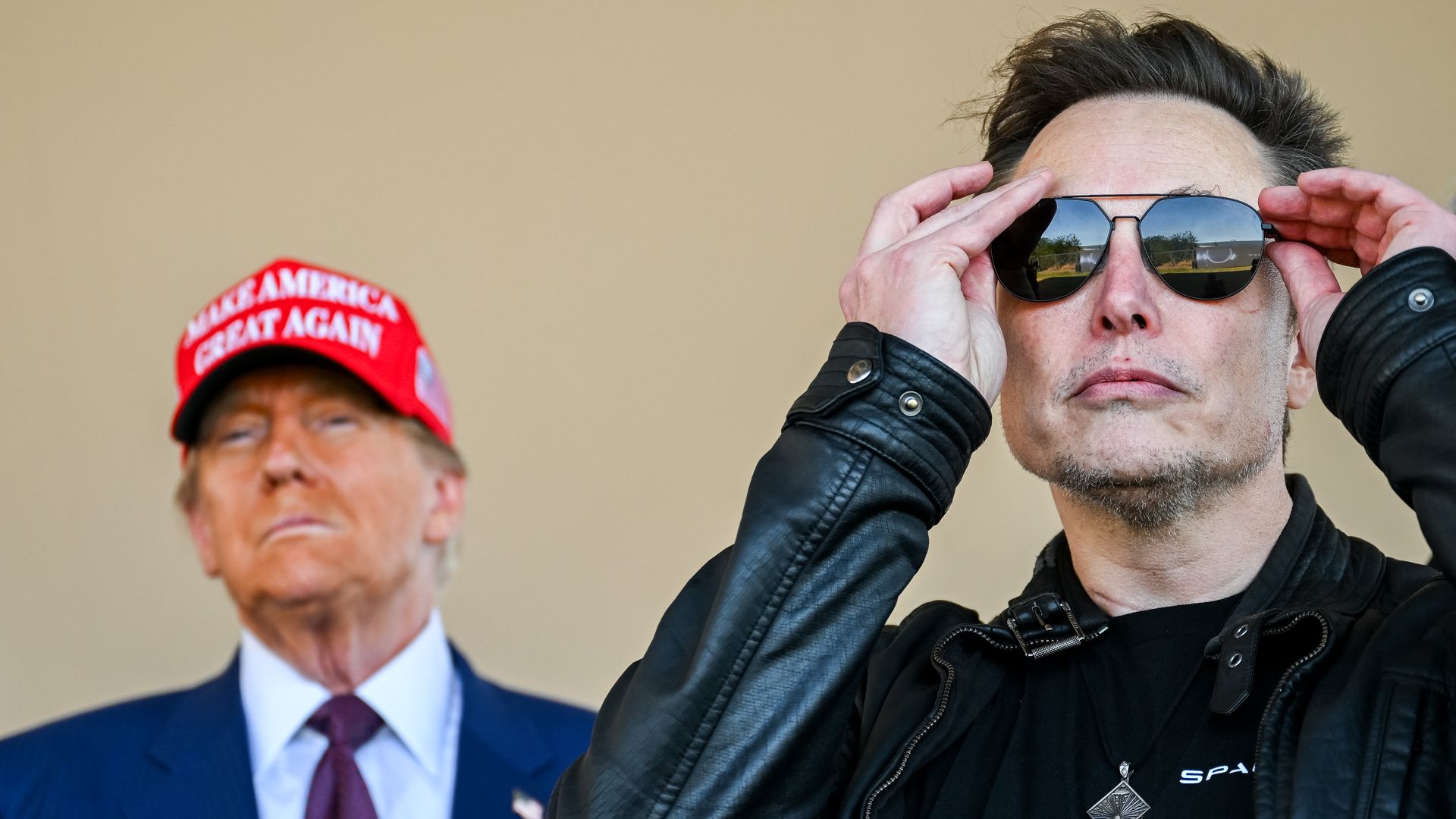
Elon Musk's ongoing feud with the Securities and Exchange Commission escalated Thursday when he publicly challenged the agency, claiming it gave him 48 hours to pay a penalty or face charges related to his Twitter acquisition.
The big picture: Musk's brawl with the regulator — a six-year on-again-off-again battle involving numerous unrelated issues — has reached an inflection point.
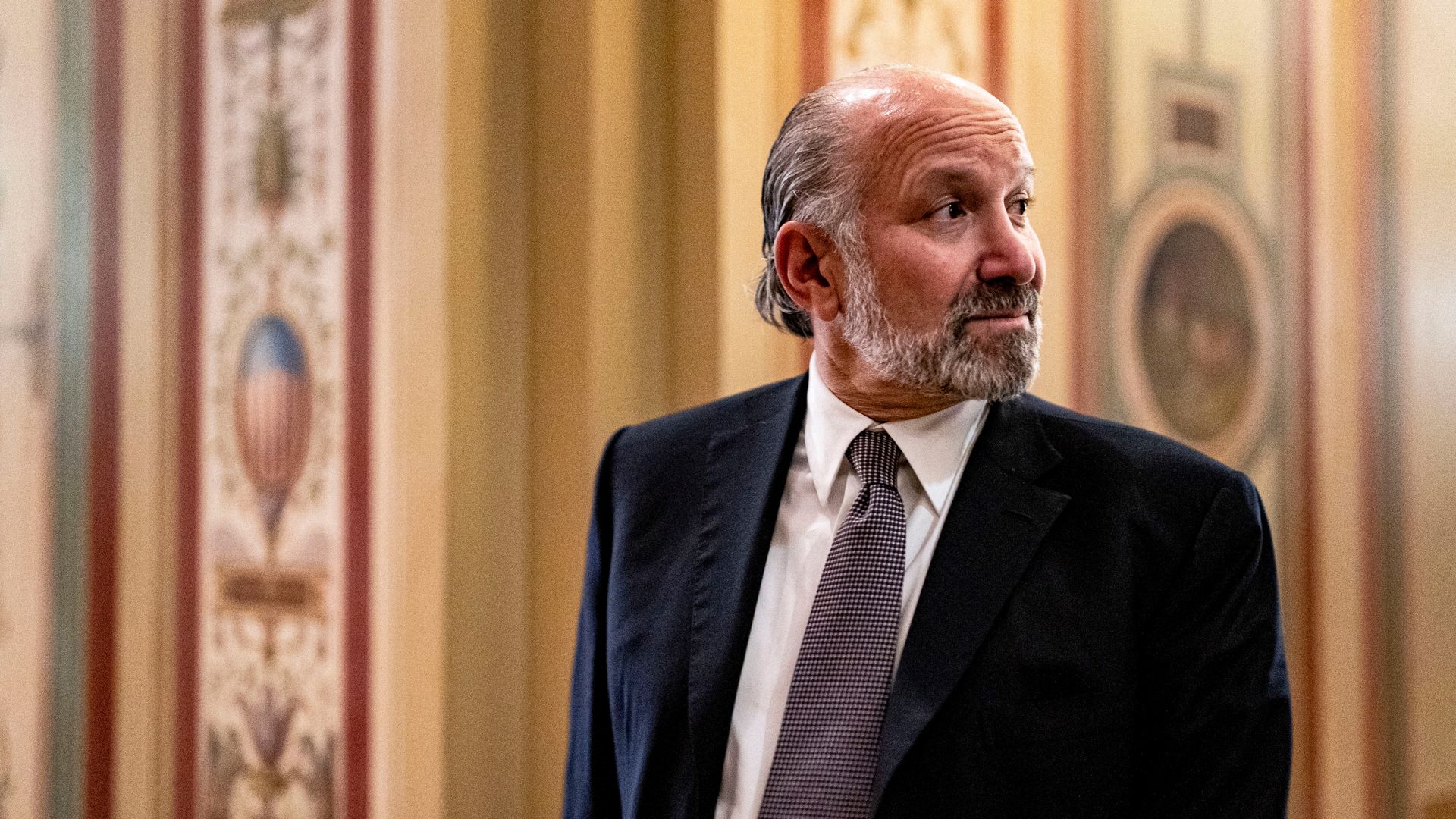
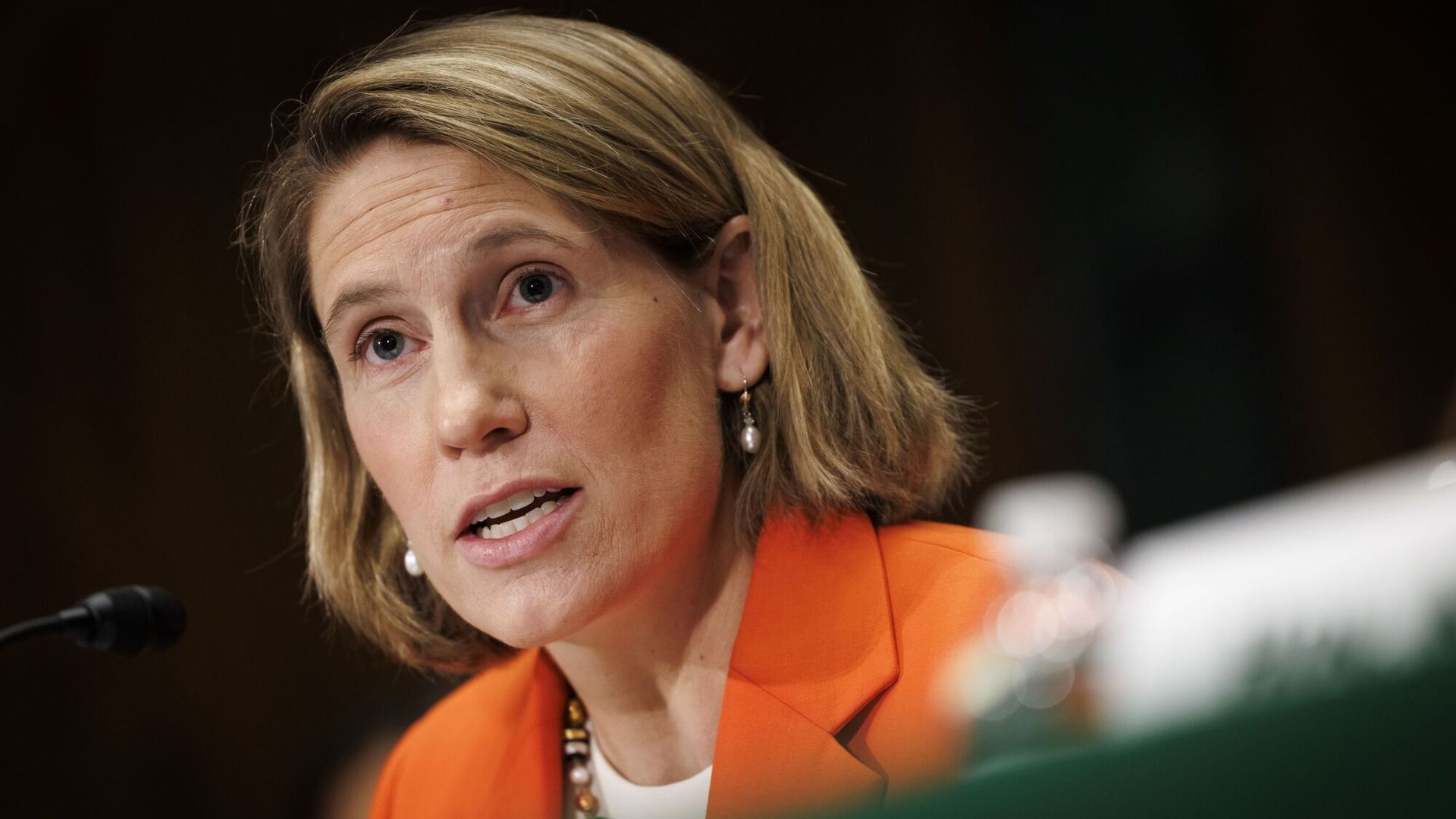
The U.S. Securities & Exchange Commission on Thursday charged Cantor Fitzgeraldwith lying to SPAC investors, and said that the Wall Street firm had agreed to pay a $6.75 million civil penalty.
Why it matters: Cantor Fitzgerald is led by Howard Lutnick, who was recently nominated by President-elect Trump to lead the U.S. Commerce Department. It's unclear if Trump was aware of the SEC investigation.
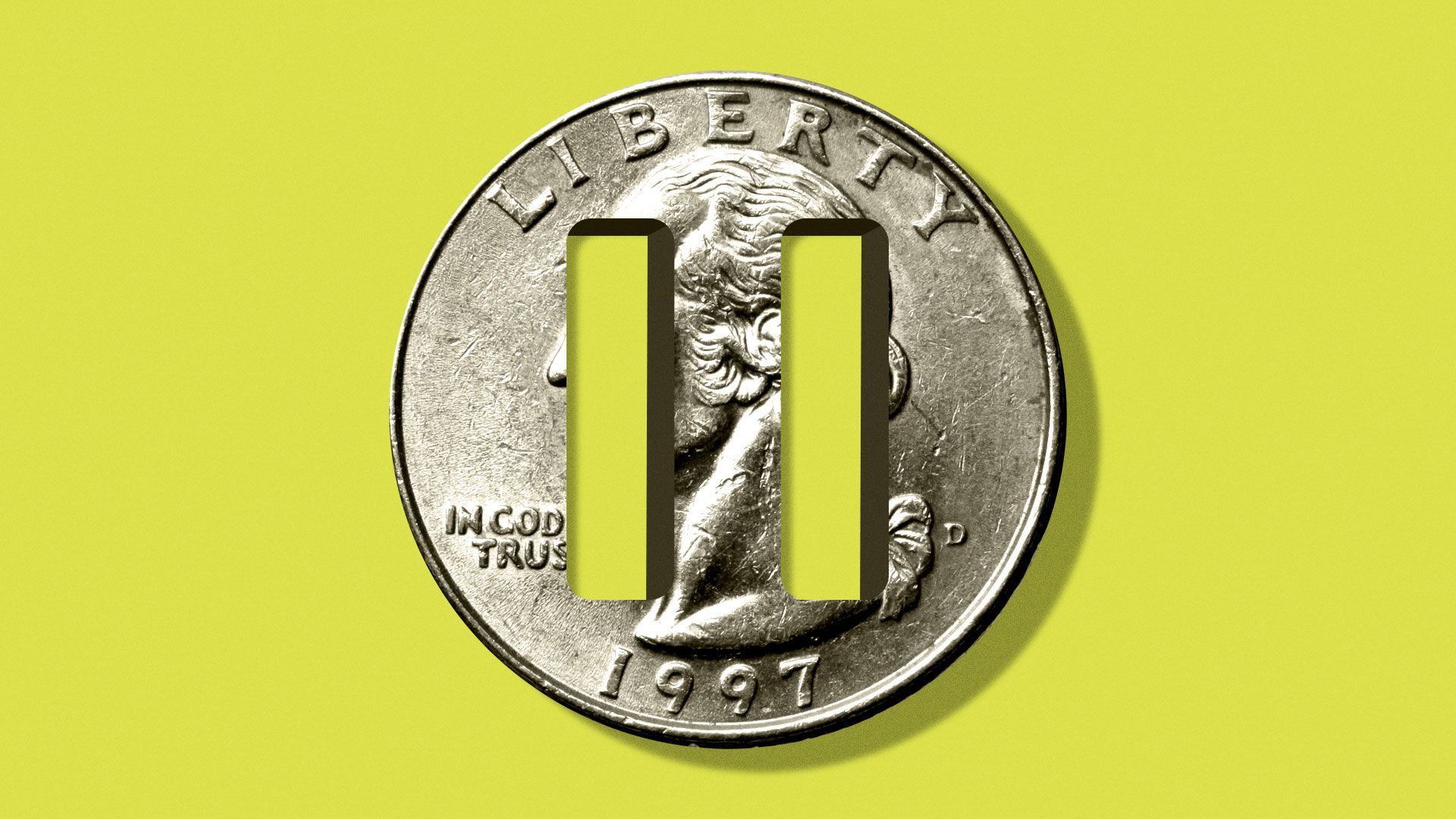
Financial markets and Fed watchers view an interest rate cut next week as a near certainty. There are some reasons to think the cut might be a mistake.
Why it matters: The case for pausing interest rate cuts is that the inflation outlook has grown murkier, while growth has remained robust in the last couple of months. Risk management concerns, in this argument, tilt toward patience.
Sens. Ed Markey (D-Mass.) and Mike Braun (R-Ind.) want more information on private equity ownership of methadone clinics, and how those investments may impact both clinical decisions and lobbying efforts to restrict broader methadone distribution.
Why it matters: Private equity could have an opioids problem, after years of gobbling up abuse treatment facilities.
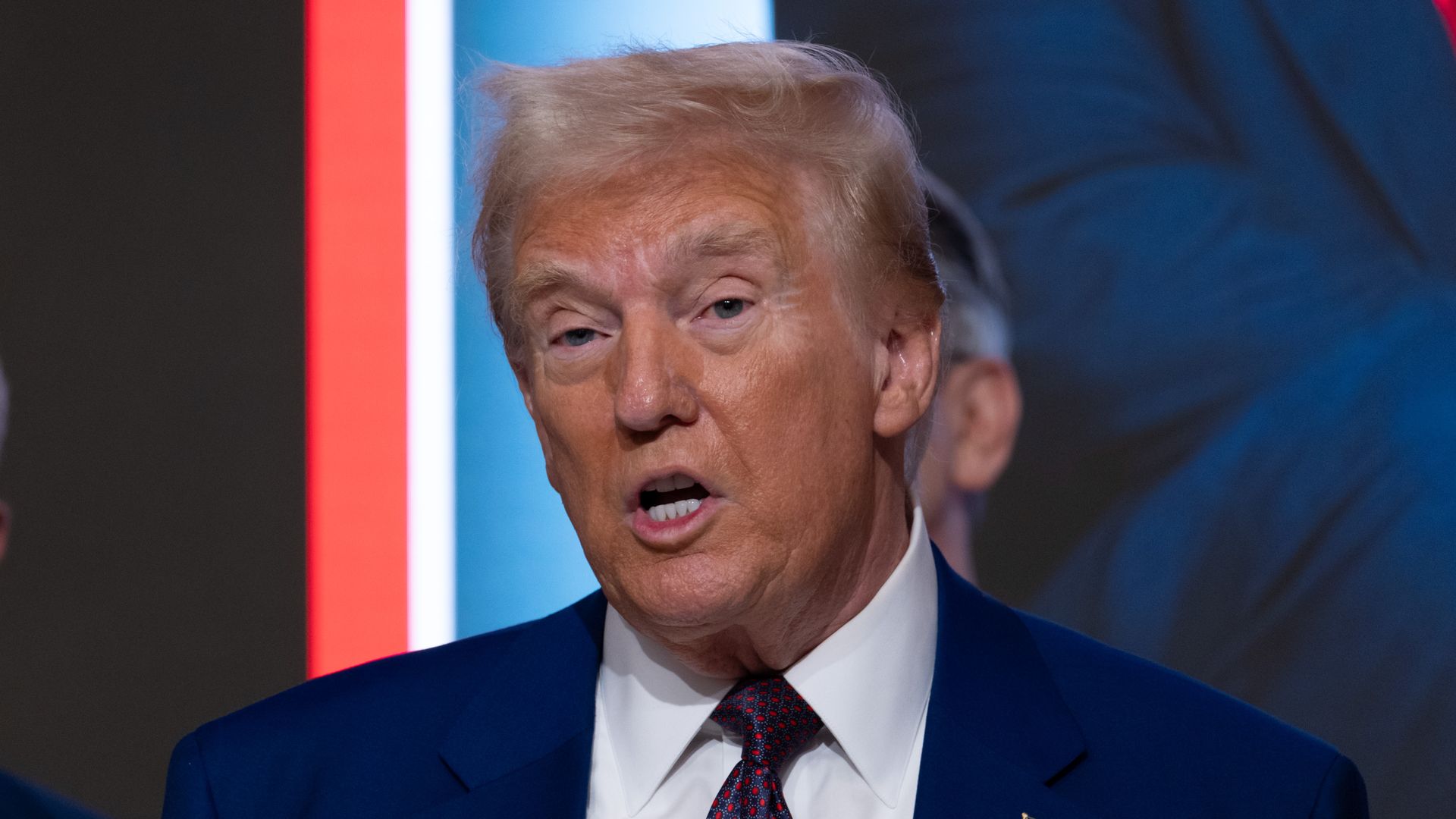
President-elect Trump appeared to indicate his support for the dockworkers union in its contract dispute with the United States Maritime Alliance (USMX) that led to a major strike at East Coast and Gulf ports earlier this year.
Why it matters: Though port workers are back on the docks after a three-day work stoppage in October, they haven't yet finalized a new contract with the shipping companies — the prospect of an economy-crushing strike still looms. The deadline is just five days before Trump's inauguration.
Why it matters: The delay complicates the chances that Crenshaw, a Biden appointee whose renomination is opposed by the committee's current GOP ranking member, will see a vote before President-elect Trump is sworn in.
The U.S. Supreme Court changed its mind about the Nvidia lawsuit over how much it relied on the crypto business, which means a trial could finally happen.
Between the lines: Nvidia is the big winner of recent times amid the AI boom, but in prior eras, it had a more ambivalent relationship with another edgy new technology that padded its bottom line at times: cryptocurrency mining.
Before it got rich on AI chips, Nvidia made (and still makes) computing equipment optimized for gaming that could also be used for certain kinds of blockchain mining, especially on Ethereum.
These devices would become pricey whenever mining got hot, such as in 2017. (There's no longer mining on the second-largest blockchain.)
So the part of this that might need explaining is "key holders." Most crypto startups use cryptography to manage their assets or their codebase.
Zoom in: A lot of times, they use multikey wallets — such that more than one person needs to sign — to move funds or make changes. That way, someone can't run off with funds or delete the code.
It's sort of like how Coca-Cola is said to only have a couple of people who know the recipe for Coke, and they can never be on a plane at the same time.
If you're using cryptography to manage things, it gives a team complete control, but there's also no backup plan. If all the keyholders were to disappear, whatever was locked would stay locked forever.
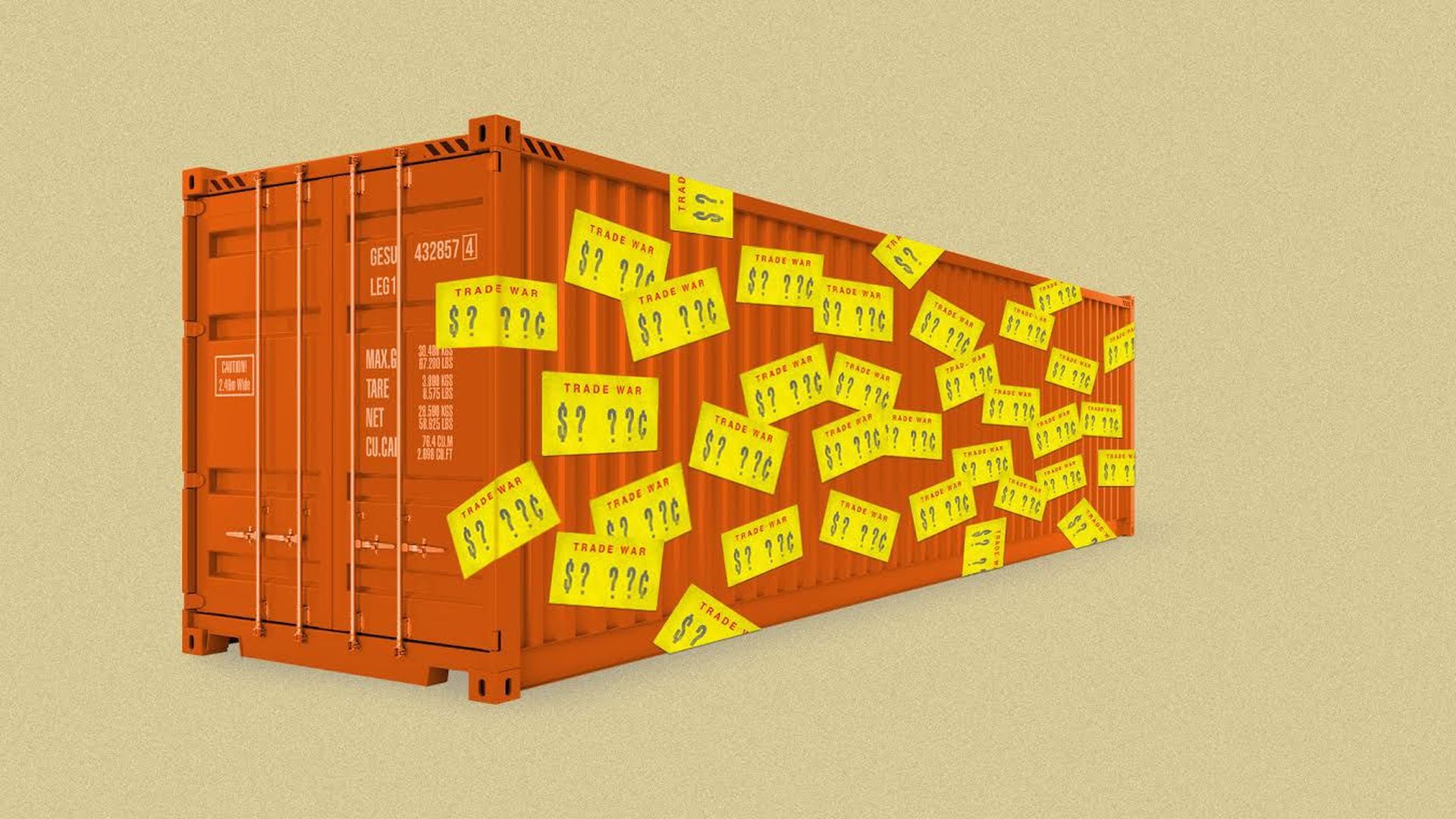
Social media postsdon't carry the force of law, even when they're from a soon-to-be president. That is a reality to keep in mind in assessing how and when the incoming Trump administration will enact new tariffs.
Why it matters: Presidents have expansive power over trade policy — but that power is derived from specific legal provisions that dictate multistep processes for deploying that power.
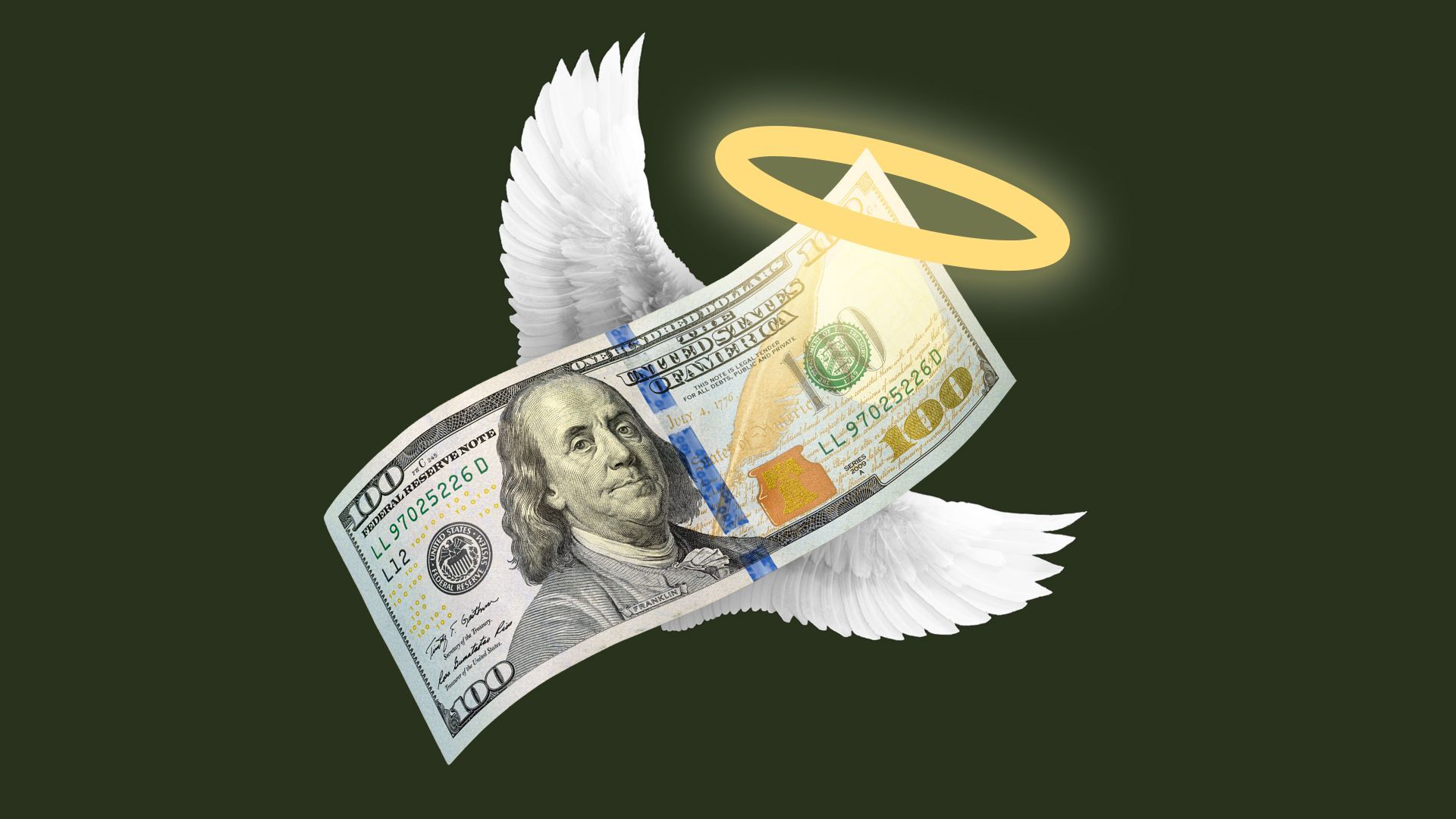
Wholesale prices rose at a quicker pace in November, the latest evidence following Wednesday's CPI report that inflation is no longer cooling.
By the numbers: The Producer Price Index rose 0.4%, the biggest monthly gain since this summer. The index increased 3% in the 12 months through November, the largest increase since February 2023.
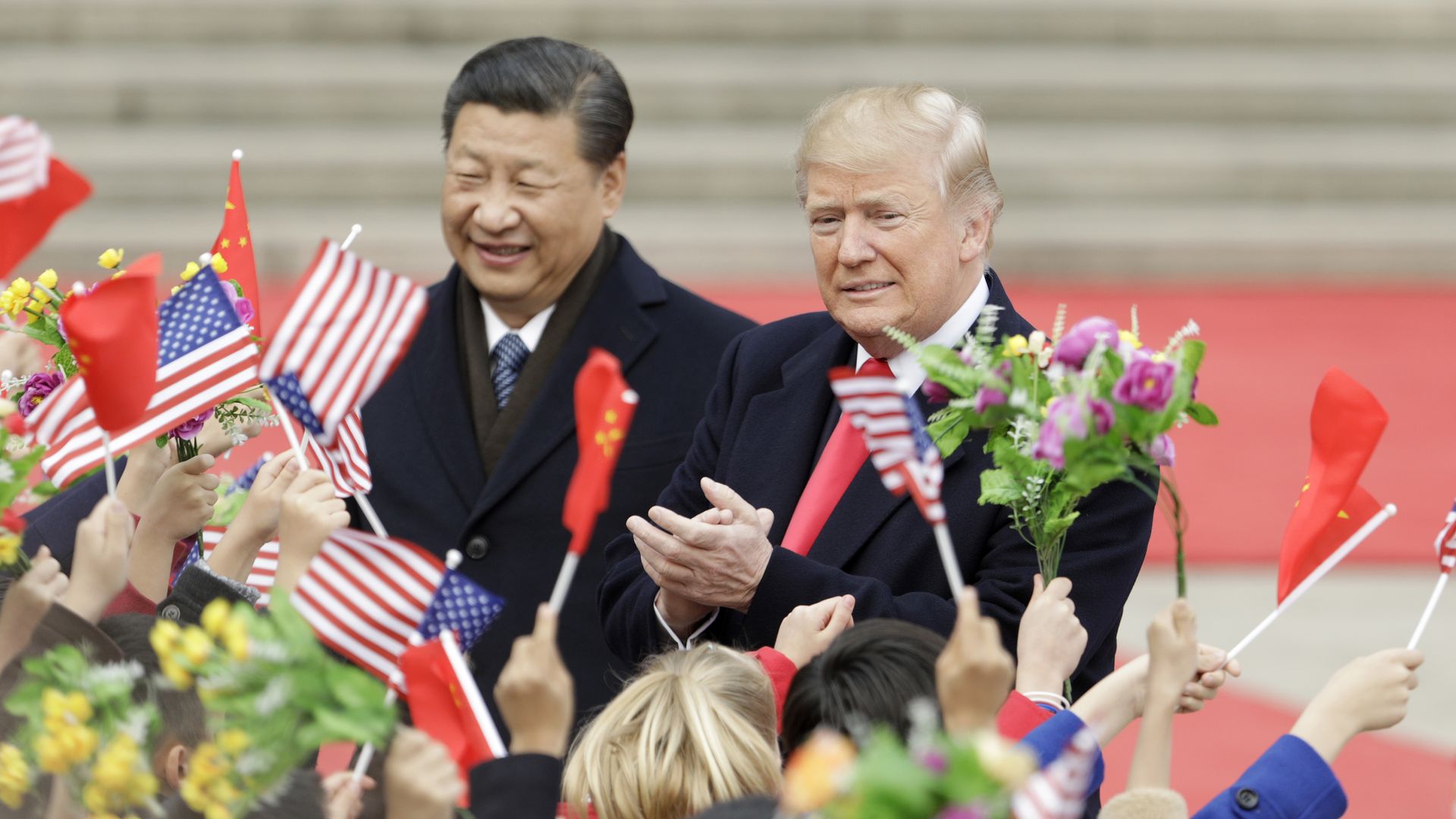
President-elect Trump invited Chinese President Xi Jinping to his inauguration ceremony, incoming White House press secretary Karoline Leavitt said on Thursday.
Why it matters: Trump's outreach comes after he threatened imposing major tariffs on the country and tapped a bevy of China hawks to join his incoming administration.
President-elect Trump brushed aside concerns about conflicts of interest involving his adviser Elon Musk, insisting the world's richest man would put the country first.
Why it matters:Musk has Trump's ear on a broad range of government functions that directly impact his space, auto and social media businesses —and those of his competitors, too.
A broad measure of poverty for families headed by single mothers rose last year and is now back to 2018 levels, per a new analysis of Census Bureau data from the National Women's Law Center.
Why it matters: Cuts to safety net programs for the poor are on the table next year as the GOP looks to pay for an extension of the 2017 Trump tax law.
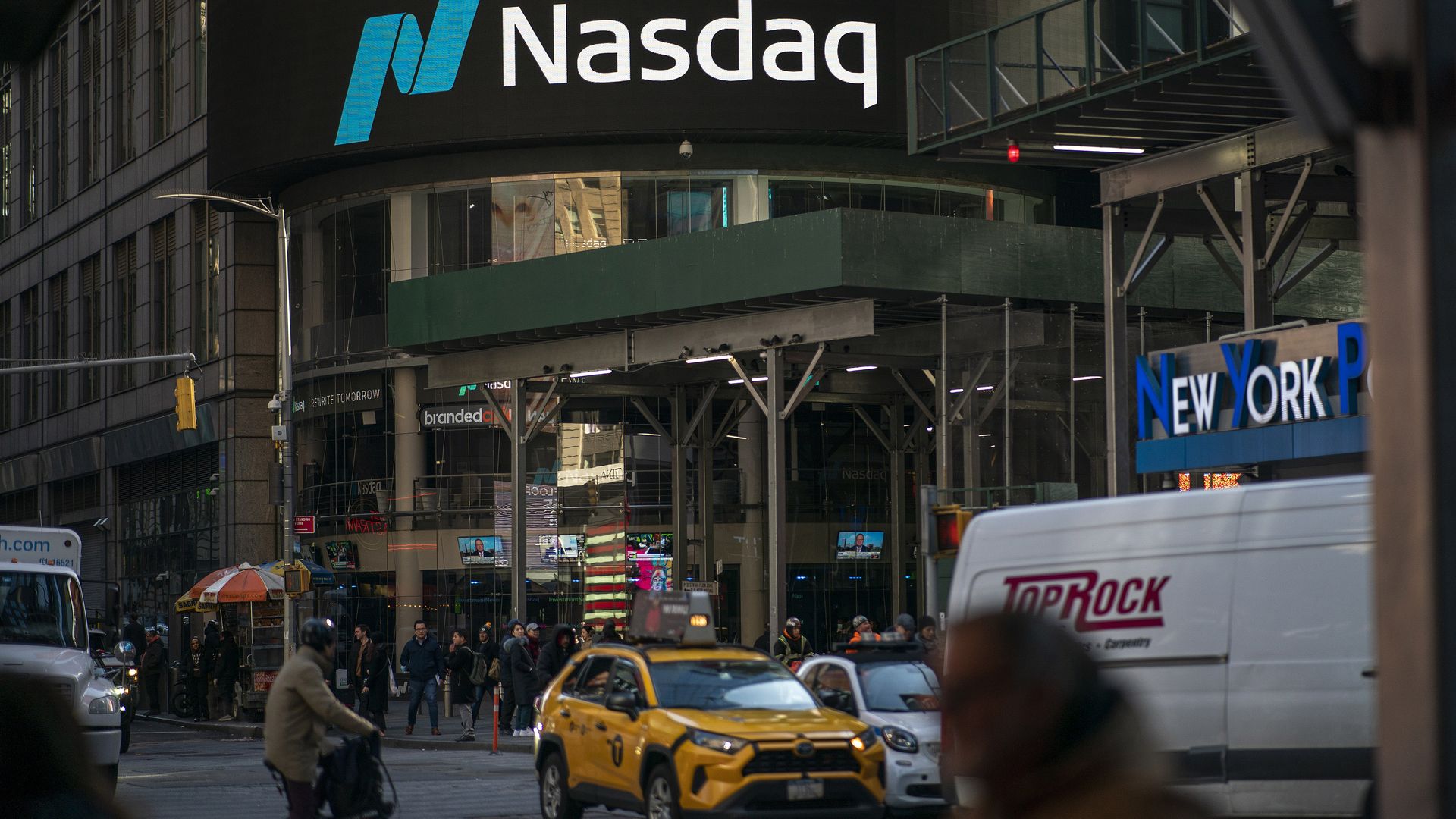
A federal appeals court on Wednesday struck down the Nasdaq's diversity disclosure rules for companies listed on the stock exchange, which were designed to boost the representation of women and minority directors on boards.
The big picture: The conservative-majority New Orleans-based 5th U.S. Circuit Court of Appeals ruled the Securities and Exchange Commission did not have the power to approve the rule that required companies to ensure women and minority directors were on their boards or provide an explanation of why this was not the case.