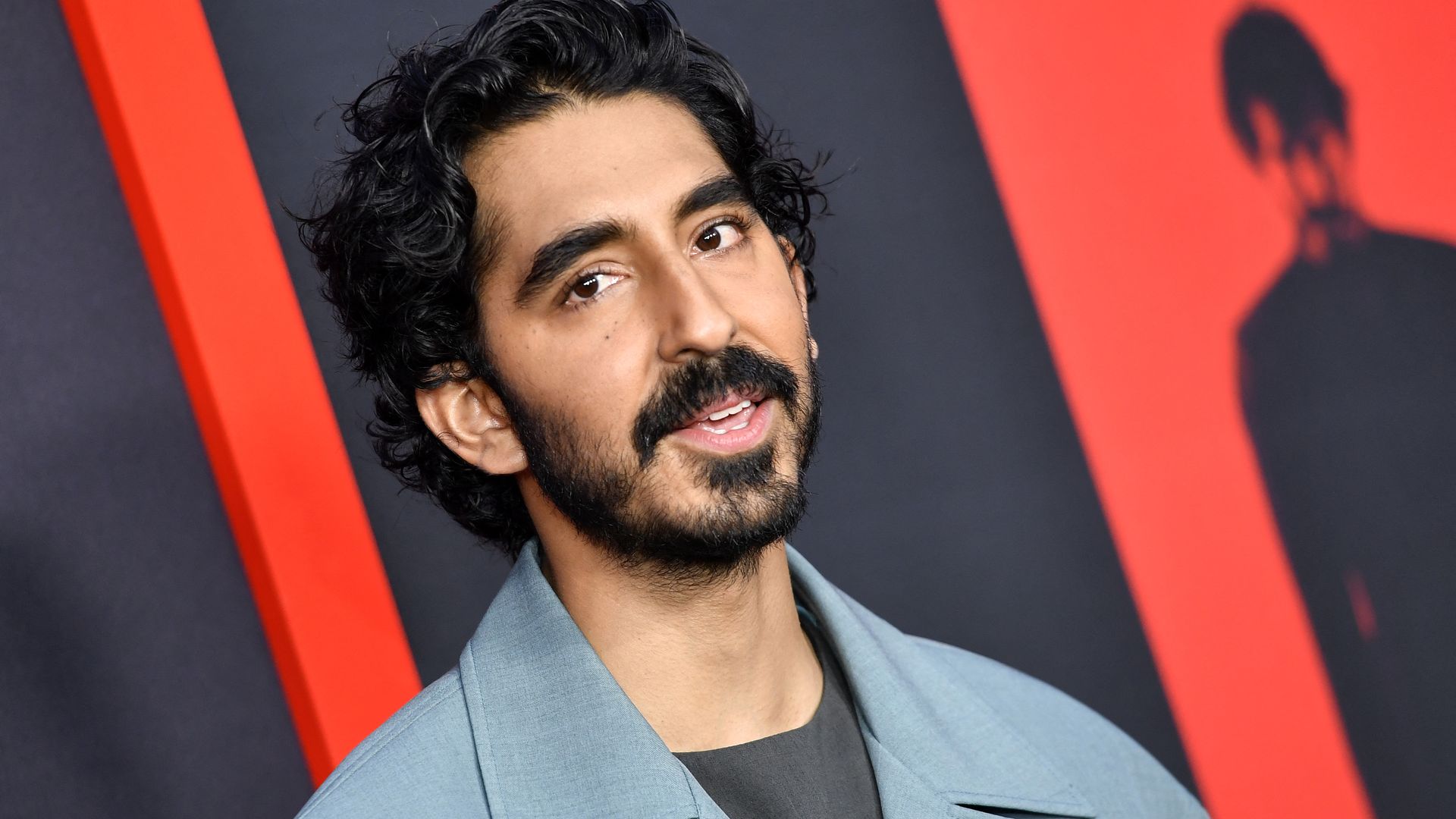
The "John Wick"-esque action thriller "Monkey Man" was the second-highest grossing film at domestic box offices this weekend — making over $10 million across more than 3,000 theaters.
Why it matters: The movie was sold first to Netflix before "political undertones" reportedly scared the streamer off and Jordan Peele stepped in to convince Universal Pictures to pick it up, according to The Wrap.
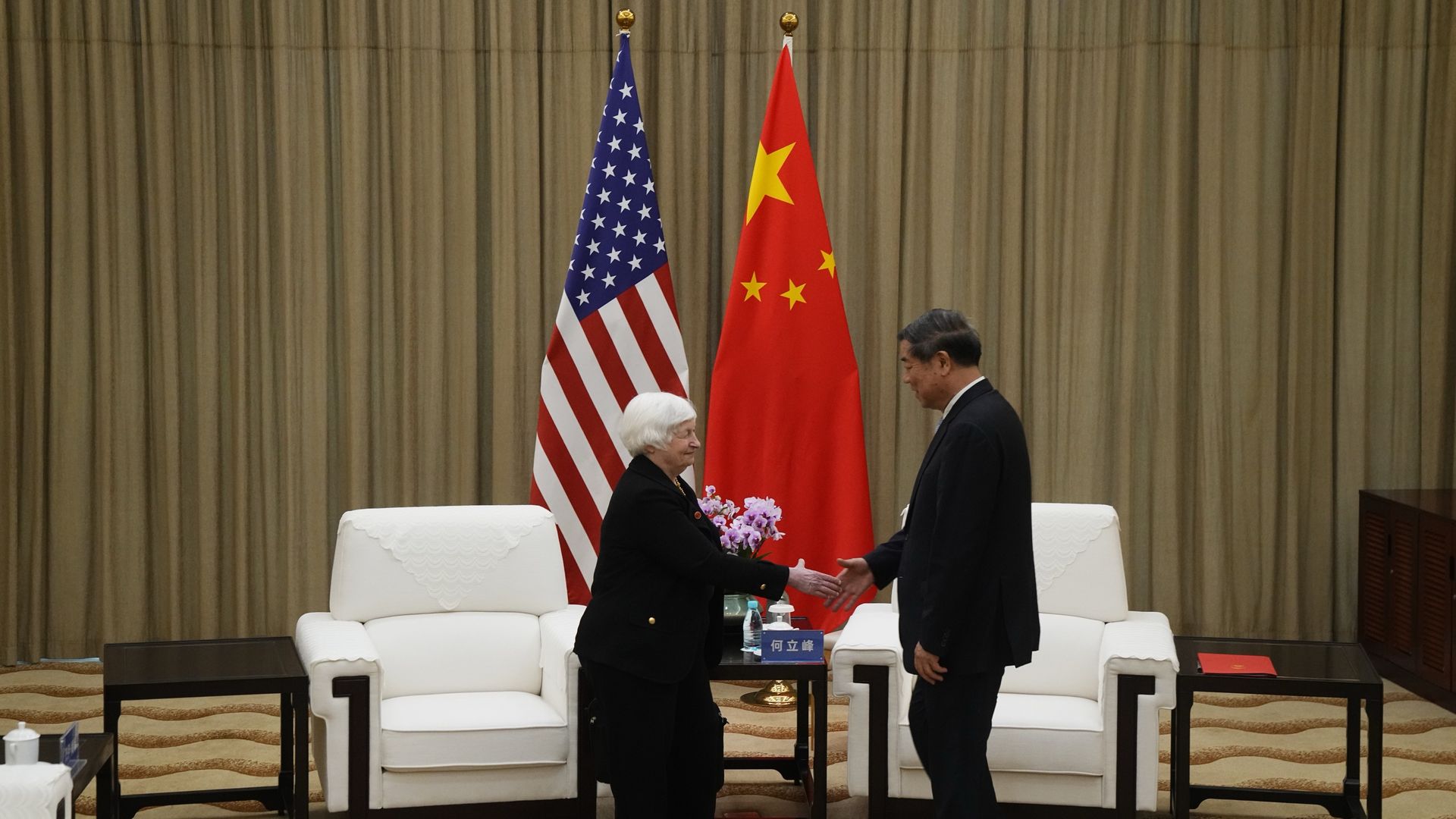
BEIJING—First mushrooms, now chopsticks: Treasury Secretary Janet Yellen has trekked to China twice in her role as top manager of one of the globe's most important economic relationships.
And both times, Yellen has become something unique for an official in the post: a social media star.
Why it matters: Chinese social media is, once again, abuzz with Yellen's latest visit.
Gold prices set a new record high on Monday, topping $2,300 per ounce amid a broad commodities rally, international tensions and moves by global central banks.
Why it matters: Central bank purchases have been key in driving up gold, which normally operates as a safe haven in times of turmoil.
Conflict in the Middle East, as well as speculation that the Federal Reserve may loosen monetary policy later this year, is also helping give bullion a lift.
The metal neared $2,400 per ounce before paring gains, but was still up over half a percent on the day, according to Yahoo Finance data.
Context: The metal's rarity and physical properties give it its inherent value besides being a shiny, coveted metal. Bullion is also used by investors a hedge against market and global risk (it's part of the reason Costco started selling gold bars last year).
According to Bank of America data, China, Poland and Singapore led the central bank gold purchases in 2023; The world's second-largest economy has led the pack, stockpiling gold for the 17th straight month.
By the numbers: Bullion still makes up a large portion of global central bank reserves.
U.S. leads the world's official bullion holdings, with 69.7% of reserves which is 8,133 tons as of February 2024.
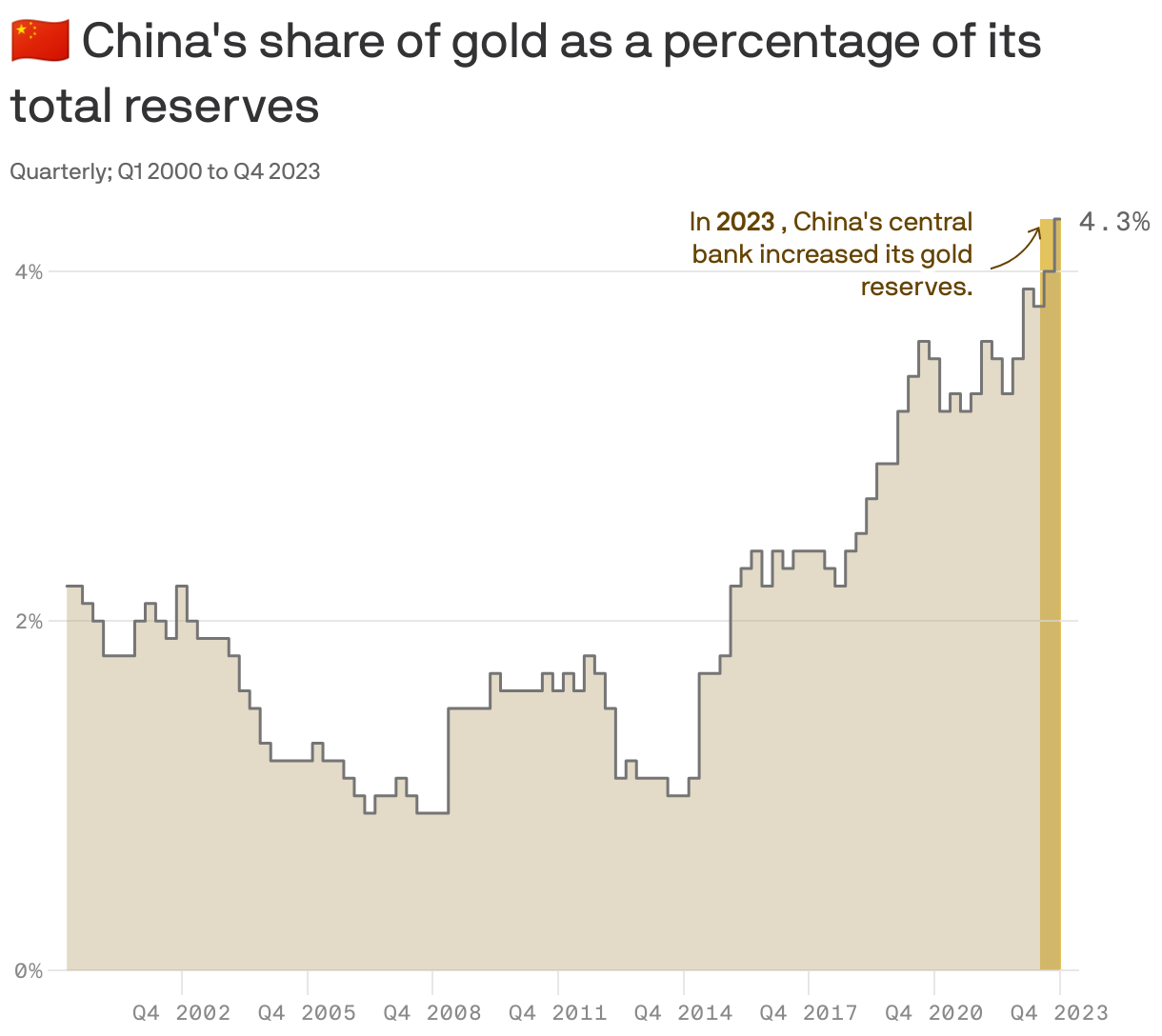
But in 2023, China outpaced all central banks, adding 225 tons of gold to its reserves. That was the highest increase since 1977, with total gold reserves reaching 2,235 tons by the end of December last year.
As of February 2024, gold accounts reached 4.3% of China's official foreign exchange reserves from 2.9% in 2019.
Zoom in: The People's Bank of China (PBOC), has been steadily beefing up its gold reserves for more than a year.
China's gold spree isn't just about financial strategy—it's also in reaction to rising geopolitical woes.
What they're saying: A big reason behind central banks' gold buying is that central banks don't trust the global financial system, Francisco Blanch, head of global commodity and derivatives research at BofA Securities, tells Axios.
After the EU and US slapped Russia with sanctions, which included freezing its central bank's foreign reserves, it made many central banks rethink on the kind of reserve assets they should be holding, Blanch says.
China's gold buying strategy also fits well with its goal to diversify its assets alongside other BRICS countries (Brazil, Russia, India, and South Africa), who are eyeing global economic dominance by 2050.
What we're watching: The value of the U.S. dollar, which trades inversely to gold, as well as indications that markets are tempering bets on Fed rate cuts as U.S. data continues to defy expectations.
Get your eclipse glasses ready and set a reminder: Monday offers a rare, brief chance to see a solar eclipse for most of the country.
Why it matters: You'll have to wait until 2044 to spot a total solar eclipse in the contiguous U.S. if you miss this celestial event, according to NASA.
BEIJING — Treasury Secretary Janet Yellen spent the last several days in China warning of a huge threat that could rattle the global economy in the years ahead: another "China shock," resembling the one in the early 2000s that wrecked key U.S.-based industries.
Why it matters: The Biden administration has hinged its economic legacy on industrial policy — supporting sectors like climate technology that it hopes will thrive without much dependence on China and other trade partners with whom the U.S. has fraught diplomatic ties.
Why it matters: NASA warns "it is not safe to look directly at the Sun without specialized eye protection for solar viewing" except during the brief total phase of a total solar eclipse.
How much money would you save up if you invested your spare change in the stock market? The answer, in practice, seems to be about $2,500 over nine years.
Why it matters: One of the most controversial concepts in the world of financial advice is the idea — sometimes called "the latte factor" — that saving small amounts of money can add up to significant wealth over time. Now we have empirical evidence as to whether that's true.
The biggest urban experiment in decades is coming to New York City in June, when vehicles will be charged $15 and up to drive in Manhattan below 60th Street.
Why it matters: It's a first-in-the-nation policy that other American cities — like Seattle, San Francisco and Washington, D.C. — might be eager to replicate.
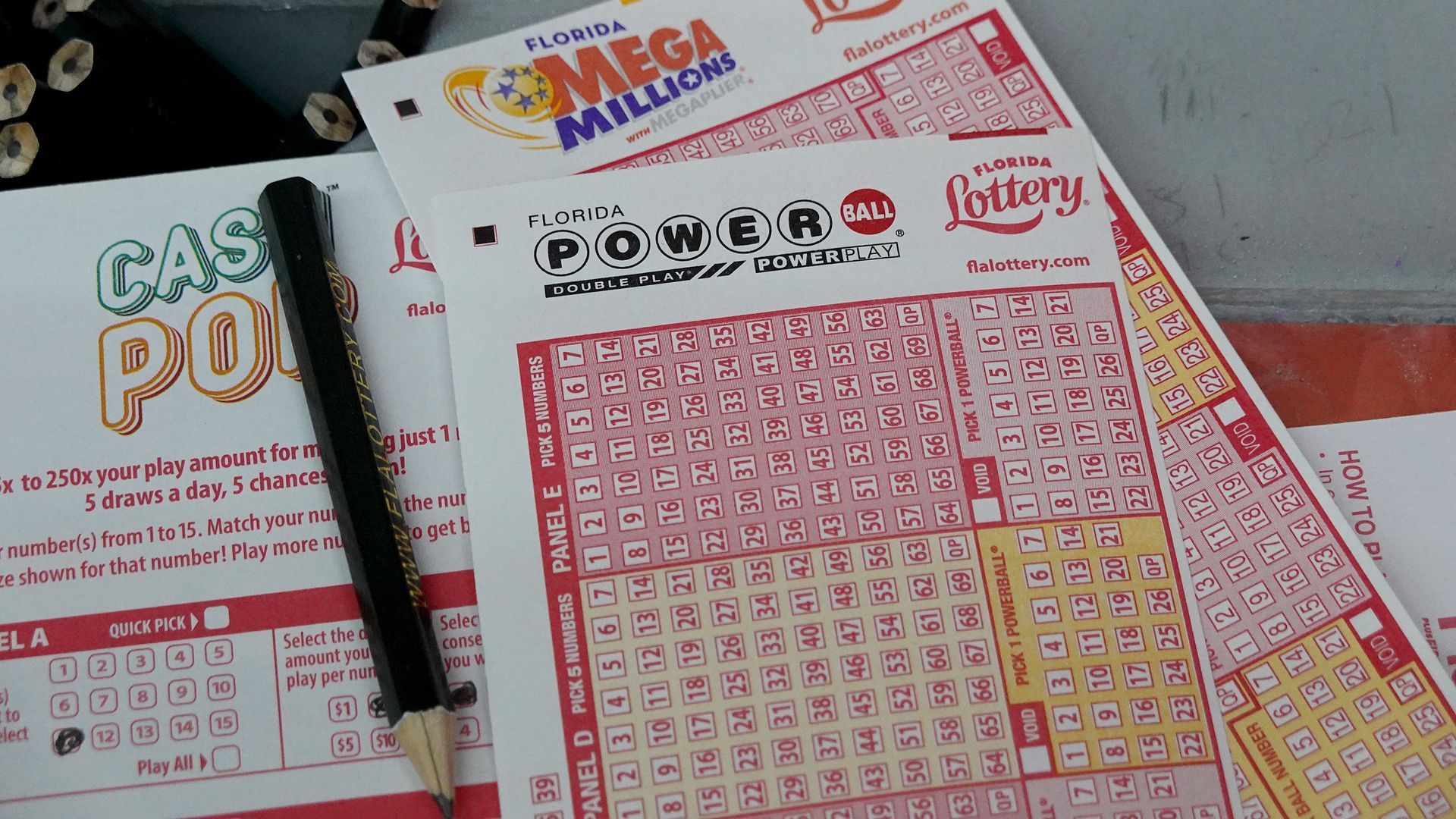
A ticket sold in Oregon is the sole winner of the $1.326 billion Powerball jackpot, the eighth-largest U.S. lottery prize ever, Powerball officials announced Sunday.
BEIJING, China — Treasury Secretary Janet Yellen has a growing set of allies working to slow the flow of cheap Chinese-made clean-tech products that they say are warping global prices.
Why it matters: There's rising worldwide backlash against China's massively subsidized factory sector, which is producing more electric vehicles, solar panels and other products than its economy can absorb.