The New York Times said during its earnings report on Wednesday that it saw more than a half-million new subscribers — roughly double the amount of net new subscriptions that it typically sees in any given quarter.
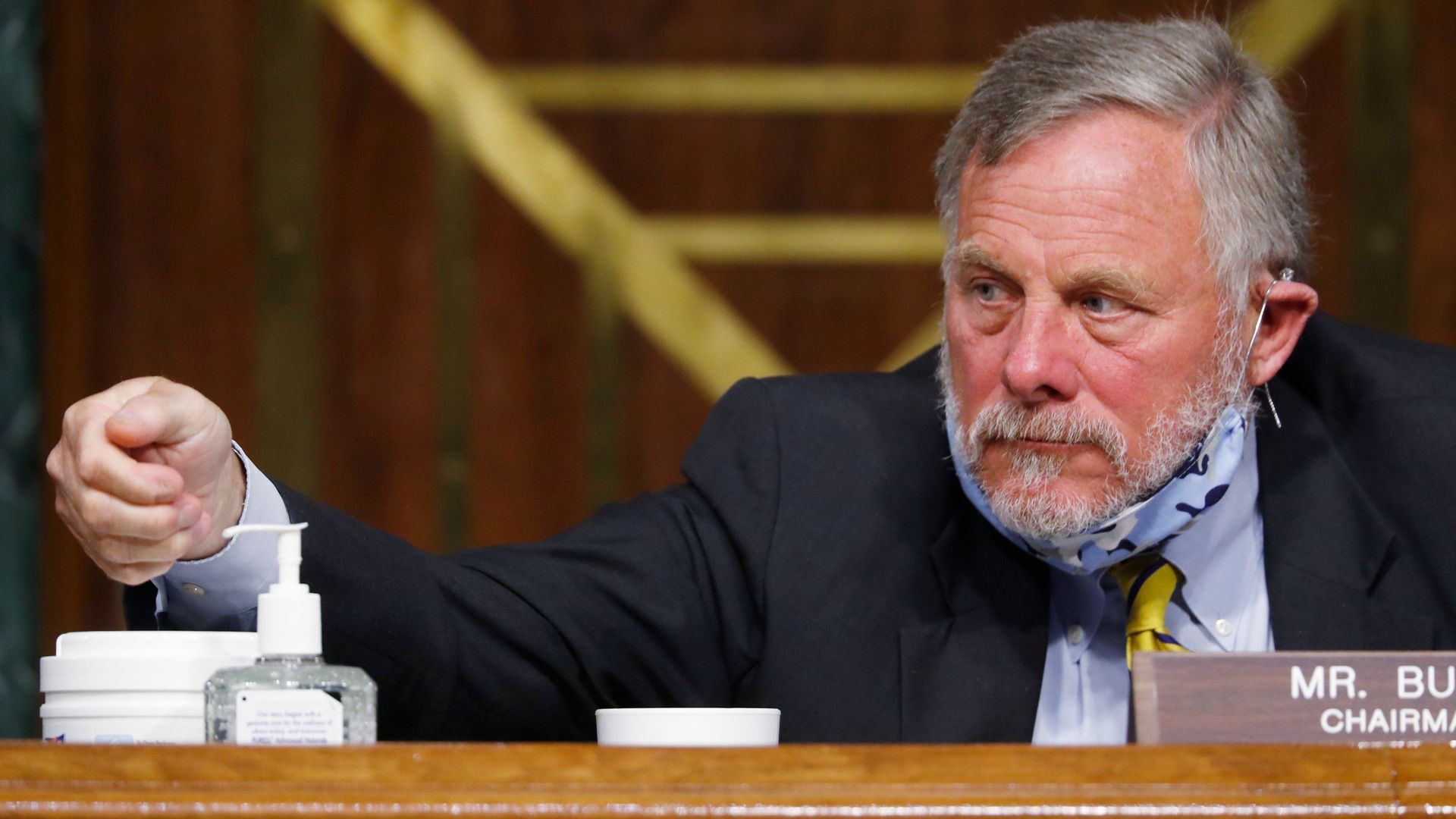
Senate Intelligence Chairman Richard Burr's (R-N.C.) brother-in-law, Gerald Fauth, dumped up to $280,000 in shares on the same day as the senator, according to documents published by ProPublica on Wednesday.
Why it matters: Burr was hit with a federal lawsuit in late March over his mass sell-off of stock holdings that preceded a market crash caused by the coronavirus pandemic. He dumped between $582,029 and $1.56 million, ProPublica reported in March.
The dramatic need caused by the pandemic and the accompanying economic devastation is being partially met by innovative approaches to philanthropy.
Why it matters: The COVID-19 pandemic could lead to human misery on a scale we haven't seen for decades. Smarter and more generous volunteering and giving could help prevent the worst outcome while demonstrating the unity that is desperately needed.
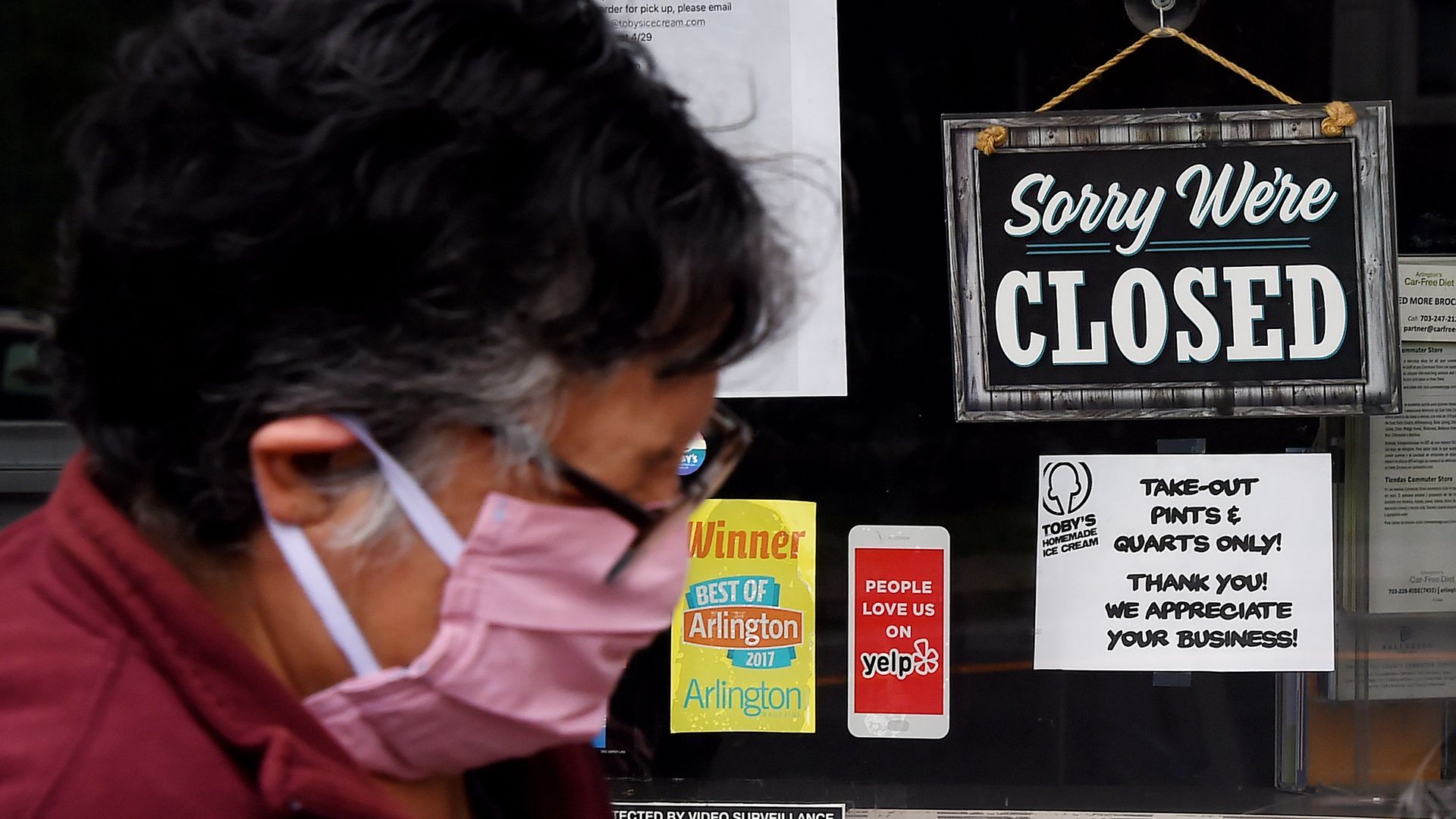
Irate business owners are finding out the hard way that their insurance policies don't cover coronavirus — and they're suing.
Why it matters: No matter how big a premium a company might pay for business interruption insurance, most policies only cover physical damage to a property, not the loss of use of a hotel, restaurant or other building from a stubborn new virus.
Food delivery company GrubHub's stock dropped by more than 5% in after-hours trading after it delivered mixed Q1 results, with strong revenue, widening losses and a year-on-year decrease in daily average orders.
Why it matters: The coronavirus pandemic is expected to help delivery services as Americans remain home and shift how they interact with restaurants. Yet tech companies that enable them also face mounting costs relating to their workers' health and safety, and GrubHub's Q1 results suggest existing headwinds going into the crisis.
Restaurant chain Legal Sea Foods signed a new business interruption insurance policy on March 1, after which the coronavirus pandemic caused it to close all 33 locations and furlough thousands of employees. But its insurer won't pay up, mirroring the experiences of many other restaurateurs. Now Legal Sea Foods is suing. Dan digs in with Legal Sea Foods CEO Roger Berkowitz.
Lyft's stock price shot up by 15% in after-hours trading after the company beat Q1 revenue estimates yet also posted a loss per share more than double what analysts expected.
Why it matters: With the coronavirus keeping most Americans home, Lyft is in crisis mode, cutting 17% of its workforce just last week. The report indicates the company was making solid progress getting more revenue out of its riders before the pandemic hit.
New CEO Bob Chapek had quite a first earnings call on Tuesday, announcing that Disney had seen its earnings fall by 90% in the first quarter. Still, Chapek asserted the company was "confident in our ability to withstand this disruption."
Why it matters: Disney is perhaps more representative of the global economy than any other company on earth and its stock has been one of the few that seems to reflect the damage the COVID-19 pandemic has done.
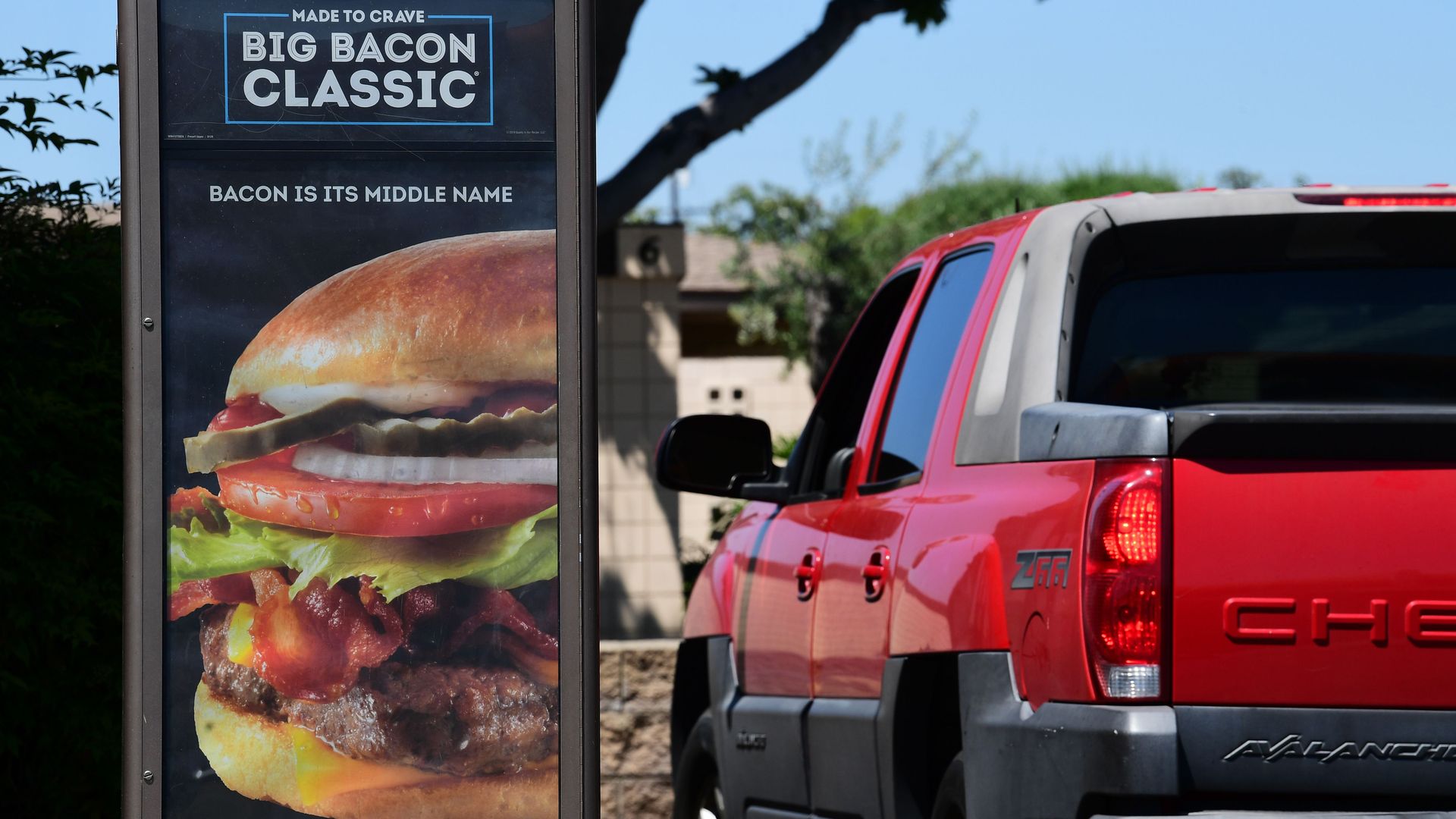
A fifth of Wendy’s 1,043 fast-food restaurants have run out of meat, an analysis by the financial firm Stephens found, per the New York Times.
Why it matters: The days of unlimited meat options have temporarily come to an end across the U.S. — and while meat is still available, consumers are likely to face localized purchase limits or shortages as supply chains creak under the strain of the coronavirus.
There's a growing consensus that automakers can safely resume vehicle production this month as they continue to ride strong demand for pickup trucks and SUVs through the coronavirus crisis.
The big picture: The pandemic crippled auto production and sales as it rolled across the globe, but signs of improving business in China are providing hope that the industry will see a similar V-shaped recovery in North America.
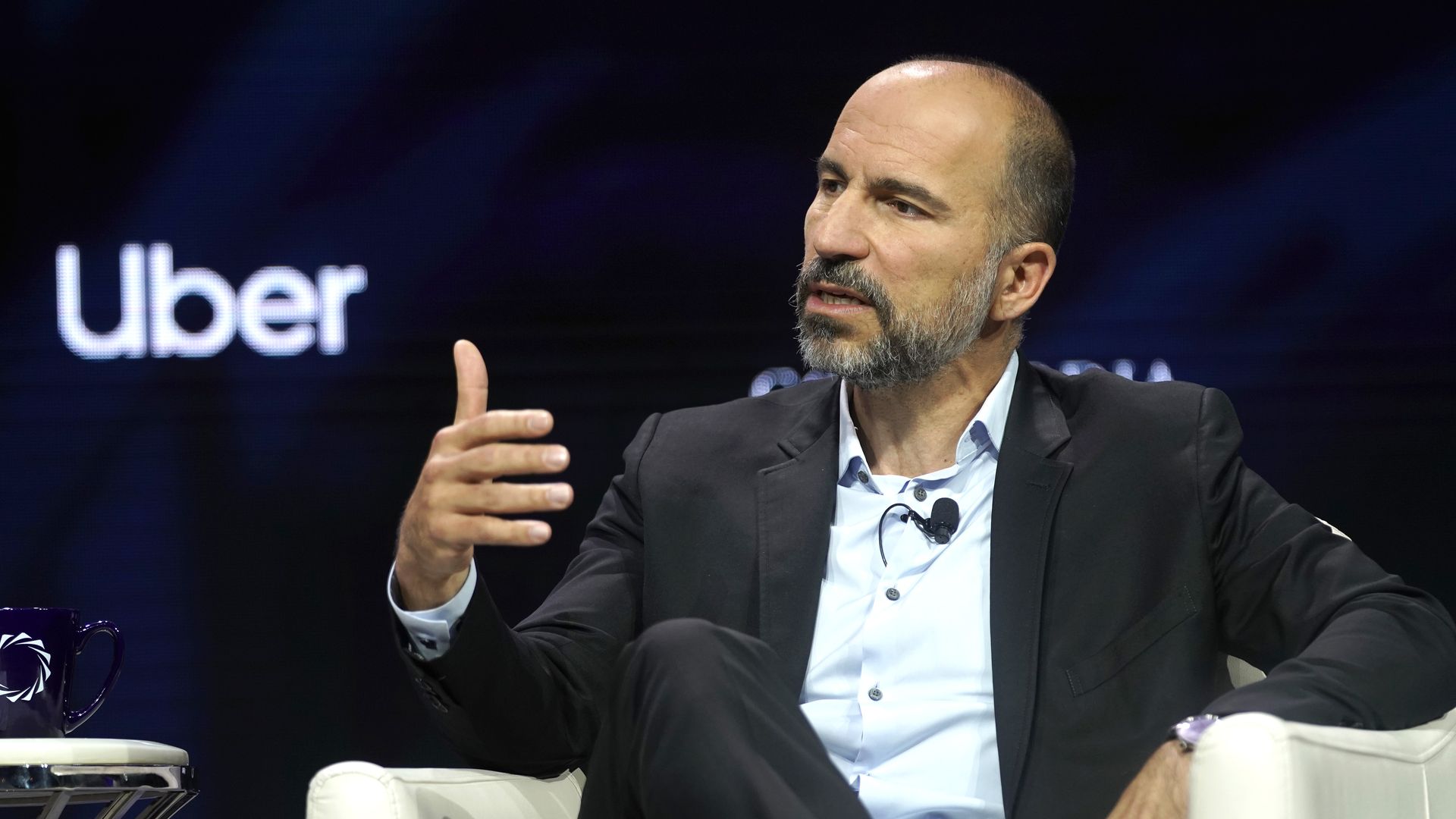
Uber will lay off 3,700 employees, while CEO Dara Khosrowshahi will waive his salary for the remainder of the year, according to the company's most recent filing with the Securities and Exchange Commission.
The big picture: The cuts, which will be to the customer support and recruiting teams, represent about 14% of Uber's 26,900 employees, per CNBC. Much of Uber's ride-hailing business has vanished as people stay indoors during the coronavirus pandemic, even as the company's food delivery sector has seen a boom.
The private sector lost 20.2 million jobs in April, according to ADP's private jobs report — the worst monthly job loss in the report's history.
Why it matters: "Job losses of this scale are unprecedented. The total number of job losses for the month of April alone was more than double the total jobs lost during the Great Recession," Ahu Yildirmaz, co-head of the ADP Research Institute said. The hospitality sector was hit hardest with 8.6 million jobs lost, while the trade, transportation, utilities and construction sectors also suffered major blows.
The Federal Trade Commission has signed off on AbbVie's $63 billion acquisition of Allergan, but antitrust regulators said the companies must divest three drugs — two of which will be sold to Nestlé — that would have consolidated too much power under one roof.
The bottom line: This was a contentious decision among the FTC commissioners. But now AbbVie — which makes the world's best-selling drug, Humira, and has been accused of playing games as the autoimmune drug's patent lapses — is significantly expanding by acquiring the maker of Botox.
By the end of this year, analysts at Bank of America Global Research estimate the Fed's balance sheet will have risen to nearly $10 trillion and the world's six largest central banks will have taken their holdings from around $15 trillion to $25 trillion worth of assets.
The big picture: The Fed now has the largest balance sheet of all central banks, having surpassed the European Central Bank and Bank of Japan.
U.S. services businesses saw their steepest drop in activity in April since the Great Recession with the Institute for Supply Management’s non-manufacturing index falling to 41.8, its lowest reading since March 2009.
Yes, but: The survey's prices paid index jumped to its highest since January and firms said they had seen the highest percentage of price increases since May 2018.
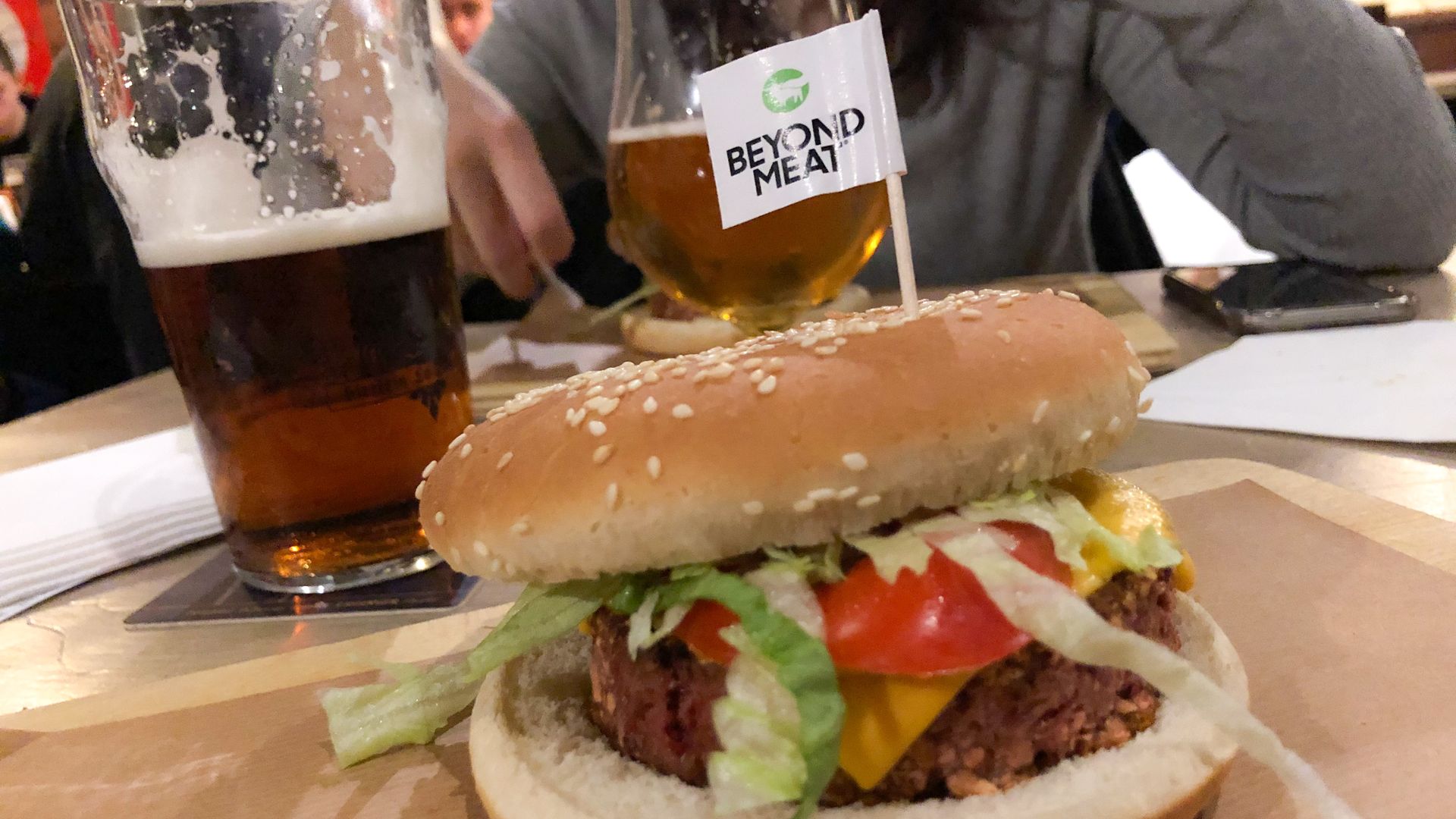
Beyond Meat reported Tuesday net revenue of $97.1 million in the first quarter, a 141% increase from a year ago for the plant-based meat maker.
Why it matters: The company's earnings report stood in stark contrast to the "real" meat production industry, which has had to shut down plants and face broken supply chains amid the coronavirus pandemic, leading to consumer shortages and an increase in beef and pork prices.
Having been conditioned for years by financial pundits to see the next recession as their opportunity to get rich after largely missing out on 11 years of a surging bull market, young people are viewing the coronavirus-driven stock market crash as their golden ticket.
What's happening: Thanks to zero fees, easy access afforded by the internet, and an unexpected glut of free time on their hands, millennials and Gen Zers are opening online brokerage accounts at a record pace.
In an effort to combat what it calls a confusing patchwork of reopening guidance, the U.S. Chamber of Commerce debuted Wednesday an interactive map with state-specific information to help businesses navigate local rules and guidelines.
Why it matters: The chamber has urged federal, state and local officials to move to a more unified approach.