CNN and PBS will launch “Amanpour & Company” this July, a late-night public affairs program hosted by CNN veteran Christiane Amanpour, the companies announced in a statement Tuesday. It will air on CNN International on weekdays.
Why it matters: Amanpour officially replaces longtime host Charlie Rose in the 11 p.m. slot on PBS, just a few months after Rose's positions at both PBS and CBS were terminated due to accusations of sexual harassment. PBS had been playing Amanpour's CNN show during the hour in the interim — now it's official.
U.S. employers advertised 6.6 million open jobs in March, setting a record that dates back to December 2000, when records begin, per the AP.
What it means: Even though the unemployment rate is the lowest it’s been since 2000, which normally makes it harder for businesses to recruit since there are fewer people looking for jobs, the uptick in postings could be explained by the fact that increases in wages have tapered off so employers may be taking advantage of the lull to post more jobs.
Why it matters: There are many factors contributing to a rise in paywalled news, like tech's ad dominance, and a piqued interest in all things Trump. But on-demand access to information and entertainment has also become a consumer trend that is likely helping news outlets get consumers cash in.
More than four in 10 Americans think the news media's coverage of President Trump is too critical, a level of dissatisfaction that has remained remarkably consistent since Trump took office,according to an Axios/SurveyMonkey poll.
Why it matters: Partisan polarization about the fairness of media coverageappears to be just as locked in as it was after the 2016 election. Most Republicans (87%) say coverage is "too critical" — exactly the same as in a Feb. 2017 poll asking the same question.
Quartz, the business news website owned by Atlantic Media, and Concert, the digital ad marketplace founded by Vox Media and NBCUniversal, will announce a new partnership today called "Concert C-Suite" that combines their collective ad inventory for marketers to target elite business readers.
Why it matters: Previously, advertisers would target this type of high-end business audience online by either a) buying ads separately across a bunch of different web publishers or b) buying ads across a third-party ad network that typically has less brand-safe inventory. Now they can do it all in one place, with less hassle and less risk.
"Some of the biggest names on Wall Street are warming up to Bitcoin, a virtual currency that for nearly a decade has been consigned to the unregulated fringes of the financial world," the N.Y. Times' Nathaniel Popper reports:
Why it matters: "The moves ... mark a dramatic shift toward the mainstream for a digital token that has been known primarily for its underworld associations and status as a high-risk, speculative investment."
The stock prices of the three large pharmacy benefit managers — Express Scripts, CVS Health (which owns Caremark) and UnitedHealth Group (which owns OptumRx) — aren't doing so hot in the past week.
Driving the news: Two of Trump's top health care officials, Scott Gottlieb and Seema Verma, recently made comments that criticized the practices of pharmacy benefit managers.
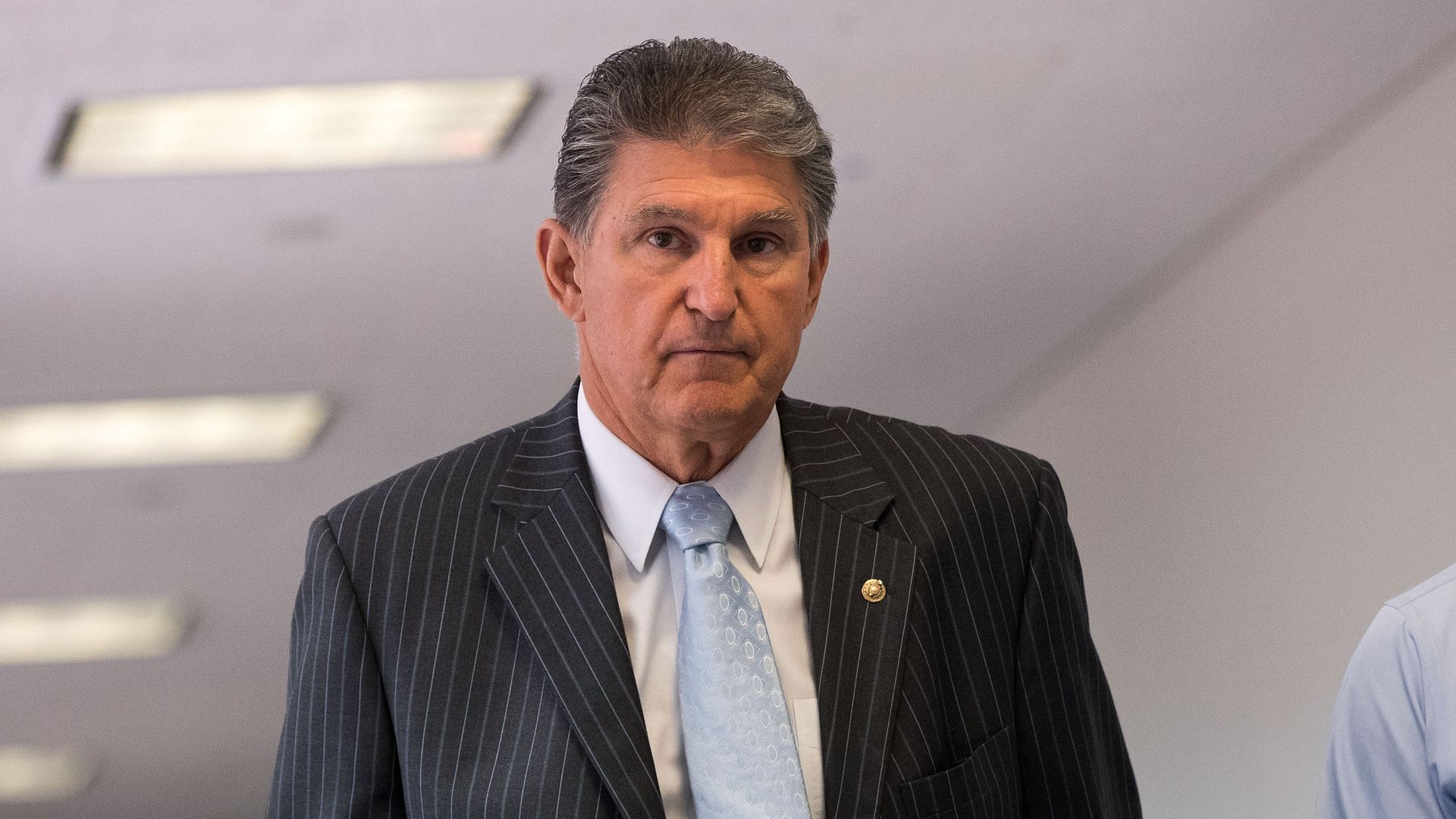
America First Policies, the biggest pro-Trump nonprofit group, is spending more than $500k on an ad campaign starting Wednesday, pressuring red-state Democrat Sen. Joe Manchin of West Virginia to confirm President Trump's pick for CIA director — Gina Haspel.
State of play: America First believes that Manchin and Independent Sen. Angus King, who caucuses with Democrats, are the two most likely non-Republican members of the Senate Intelligence Committee to vote for Haspel. However, the group settled on targeting Manchin because they think he's more likely to break. They also realize that if Manchin votes in Haspel's favor, she'll go to the floor as a bipartisan nominee.
The Phnom Penh Post was sold to an investor with ties to the Cambodian government, the paper reports, in a further signal that the free press is disappearing in the country.
The backdrop: The Post's sale comes nearly seven months after the Cambodia Daily, its biggest rival, was forced to shut down due to alleged tax violations. The Post itself owed $3.9 million in taxes prior to the sale.
After the Post's staff reported on the sale, the investor who bought the paper asked for the story to be taken down but the staff refused, resulting in multiple firings. One of his complaints: "The name of the new owner is wrong. It is reported as Sivakumar Ganapathy. In fact, it is Sivakumar S. Ganapathy."