Wednesday's economy stories

What happens when you fall out of the middle class
By next week, a St. Louis property developer called Commercial Development Company must decide whether it will buy a shuttered, 94-year-old GM assembly plant in Janesville, Wisconsin. Whatever happens, the plant's prominence — and that of Janesville itself — in U.S. industrial history is past, vanquished by the same forces that have unraveled the fabric of so many storied manufacturing towns in and outside the U.S., and with it shaken up politics fundamentally.
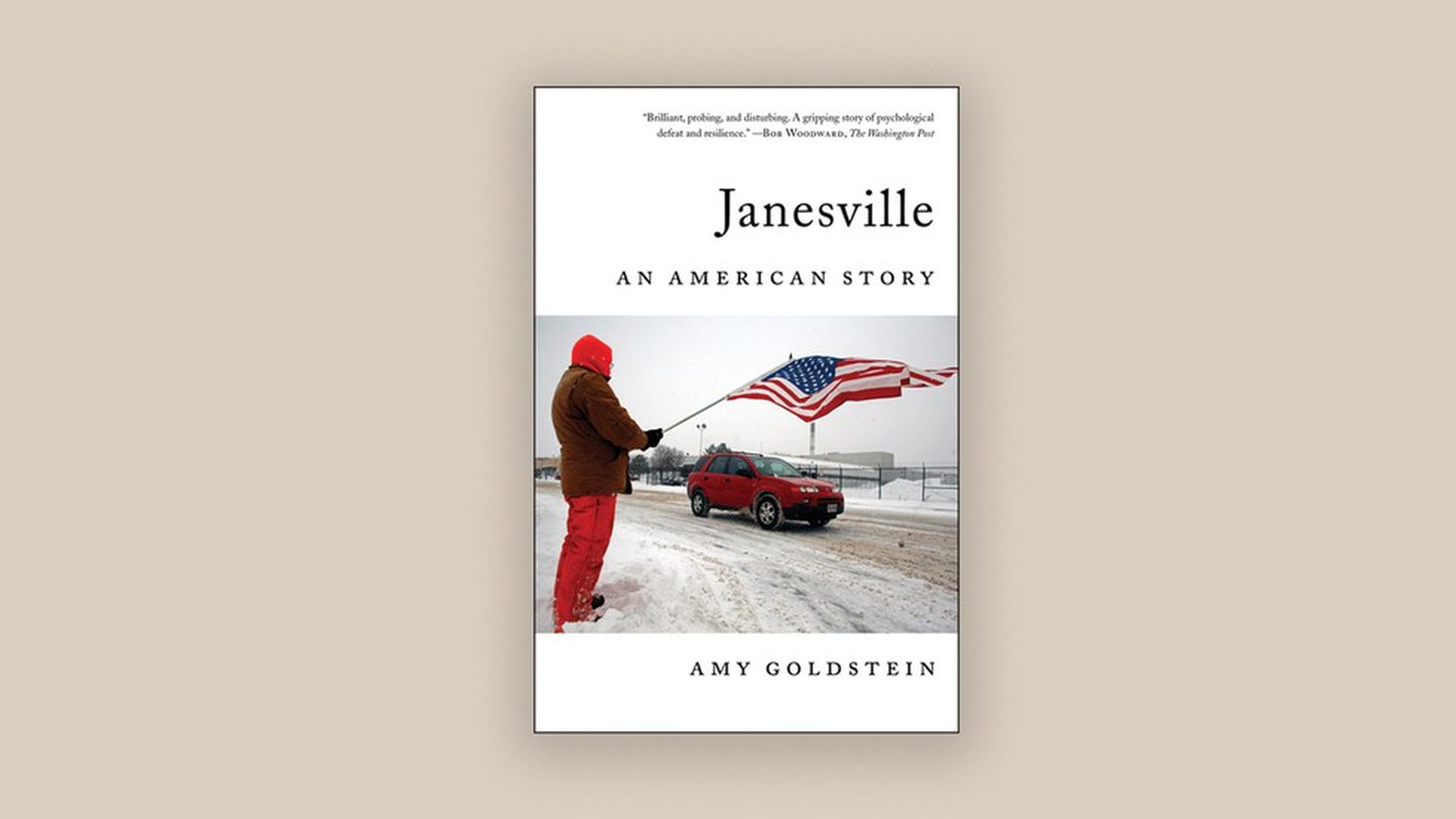
On Tuesday evening, the Washington Post's Amy Goldstein won the FT/McKinsey Business Book of 2017 for Janesville: An American Story, her incredibly well-timed account — the result of six years of immersive research — of what happened when one company town went south. Janesville is and isn't the story of Donald Trump's ascendance: its middle class has been rent by the loss of well-paying manufacturing jobs, and their replacement by lesser employment in a distribution center that the town paid millions of dollars in incentives to attract. Yet, though Democrats stayed away in droves, the town voted for Hillary Clinton last year.
When we chatted yesterday, I asked Amy for her main takeaways after months of speaking about the book.

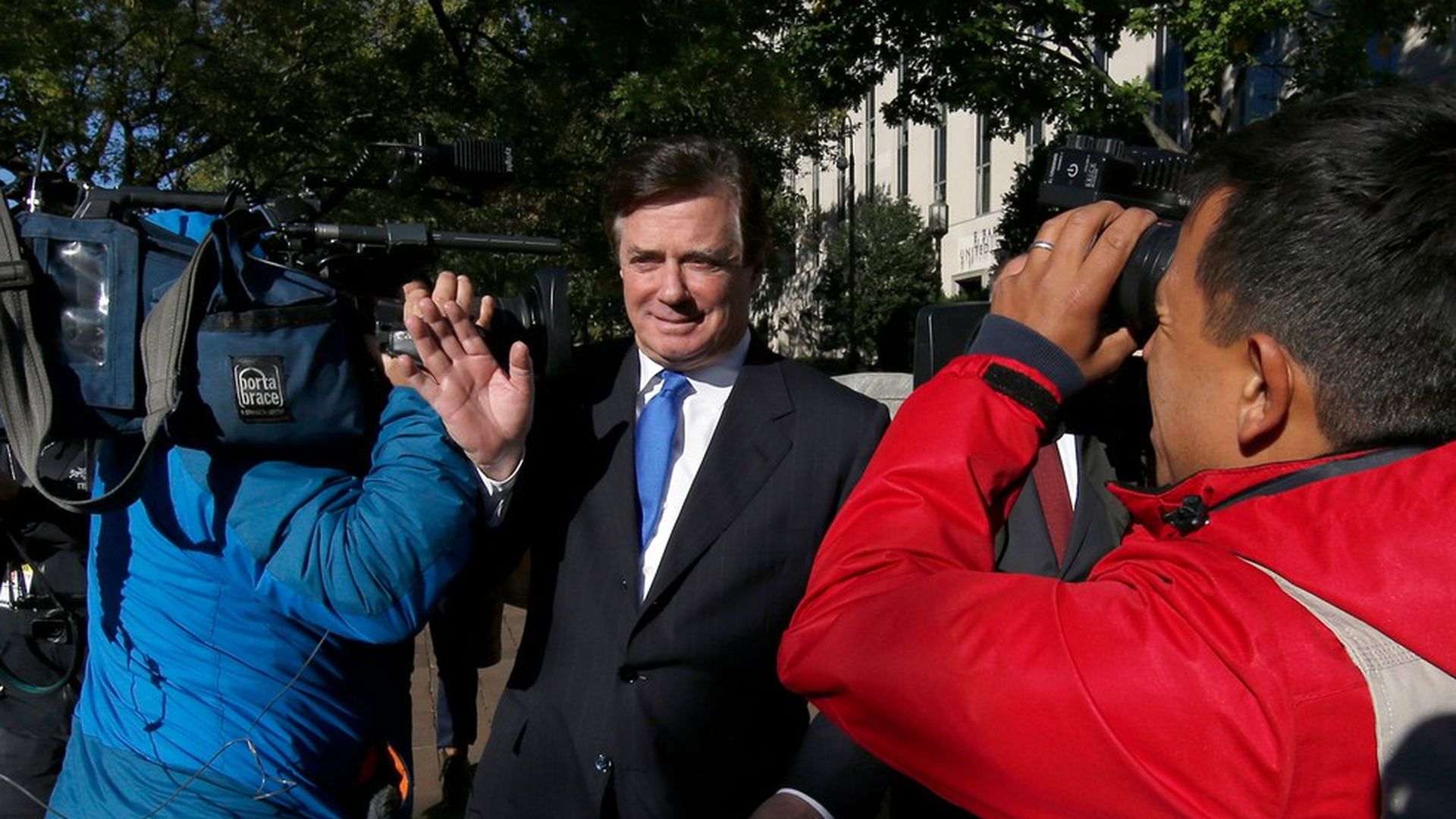
Gag order issued in Manafort, Gates case
U.S. District Court Judge Amy Berman Jackson issued a gag order Wednesday to discourage lawyers, defendants, and witnesses from making statements to the media in the case against Trump's former campaign chairman Paul Manafort and his business pal Rick Gates, Politico reports. The gag order doesn't outright ban statements to the media, just those that may bring "prejudice" to the case.
Why it matters: This is a sign the judge is trying to keep the eventual trial from becoming "a public relations campaign," as she put it in a hearing last week. But the impact of the gag order may be limited. As former Justice Department prosecutor Peter Zeidenberg told Politico: "It doesn't apply to the president and he's the one who's going to be shooting off his mouth on this more than anyone else."
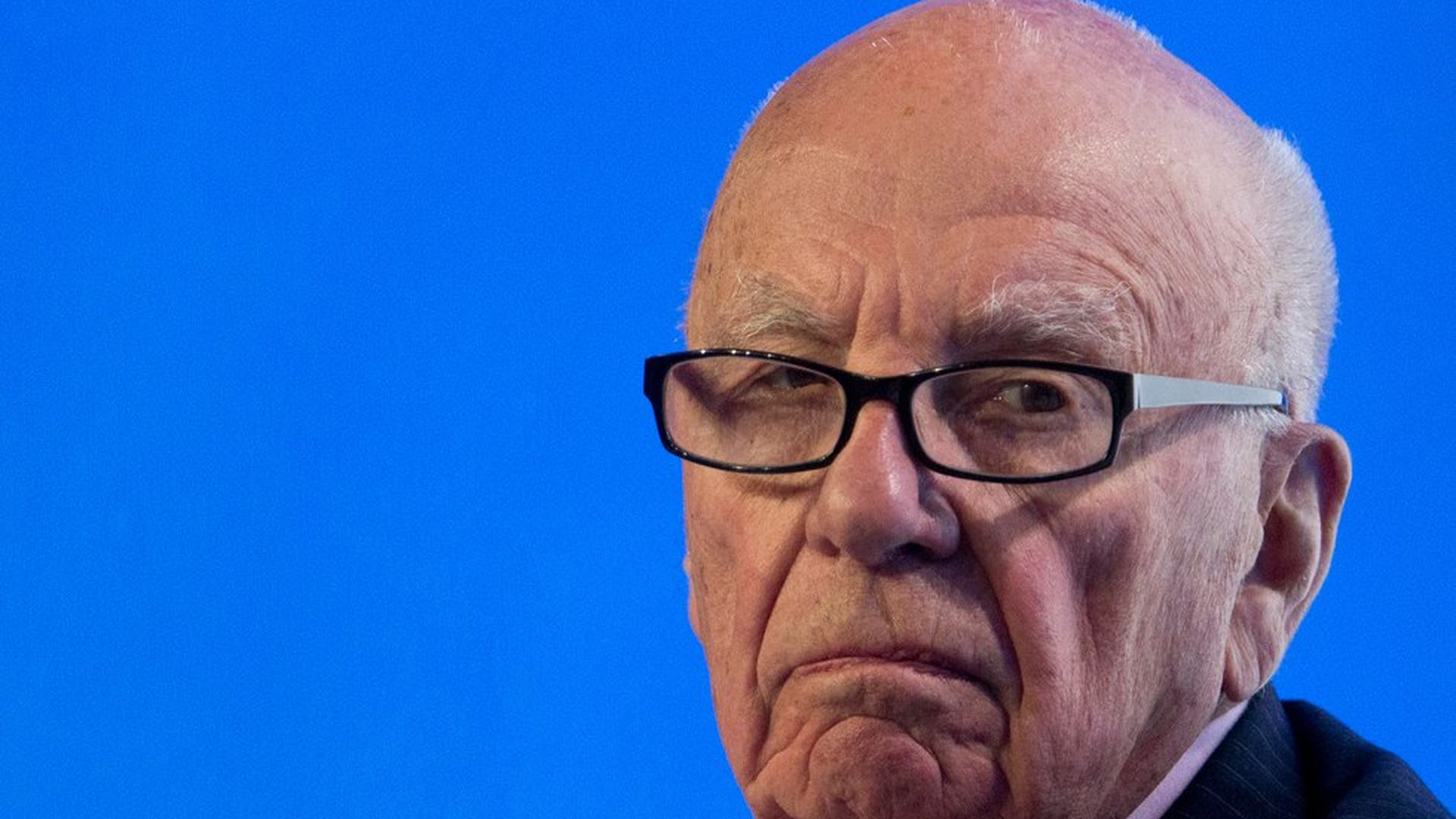
Murdochs weigh break-up of media empire
"Talks with Disney over sale of key TV and movie assets could signal end of an era for the media moguls," per the Financial Times,
Why it matters: "The Murdochs have started a process that could lead to the dismantling of a company that took decades to assemble."

Most oppose government regulating tech like media
A majority of Americans across political ideologies do not feel that the federal government should regulate large social media platforms (e.g. Facebook and Twitter) that display but don't produce content the way the government regulates media companies, according to the latest Axios/SurveyMonkey poll.
Why it matters: Fake news hype hasn't convinced the public that large tech companies should be held accountable for the information that is distributed on their platforms, even though more people are getting news and information from those companies and more people continue to take real-life action as a result of misinformation being promoted on the platform.Per Pew, about 1/4 of all U.S. adults get news from two or more social media sites, up from 15% in 2013 and 18% in 2016. And just under half (45%) of U.S. adults use Facebook for news. Even more telling, of the 45% of Facebook news users, around half say they get their news from that social media network alone.
Methodology: The poll was conducted online by SurveyMonkey on Nov. 2 and 3 with a 5,503 person sample and a modeled error estimate of plus or minus two percentage points. Data have been weighted for age, race, sex, education, and geography using the Census Bureau's American Community Survey to reflect the demographic composition of the United States age 18 and over. Crosstabs available here.