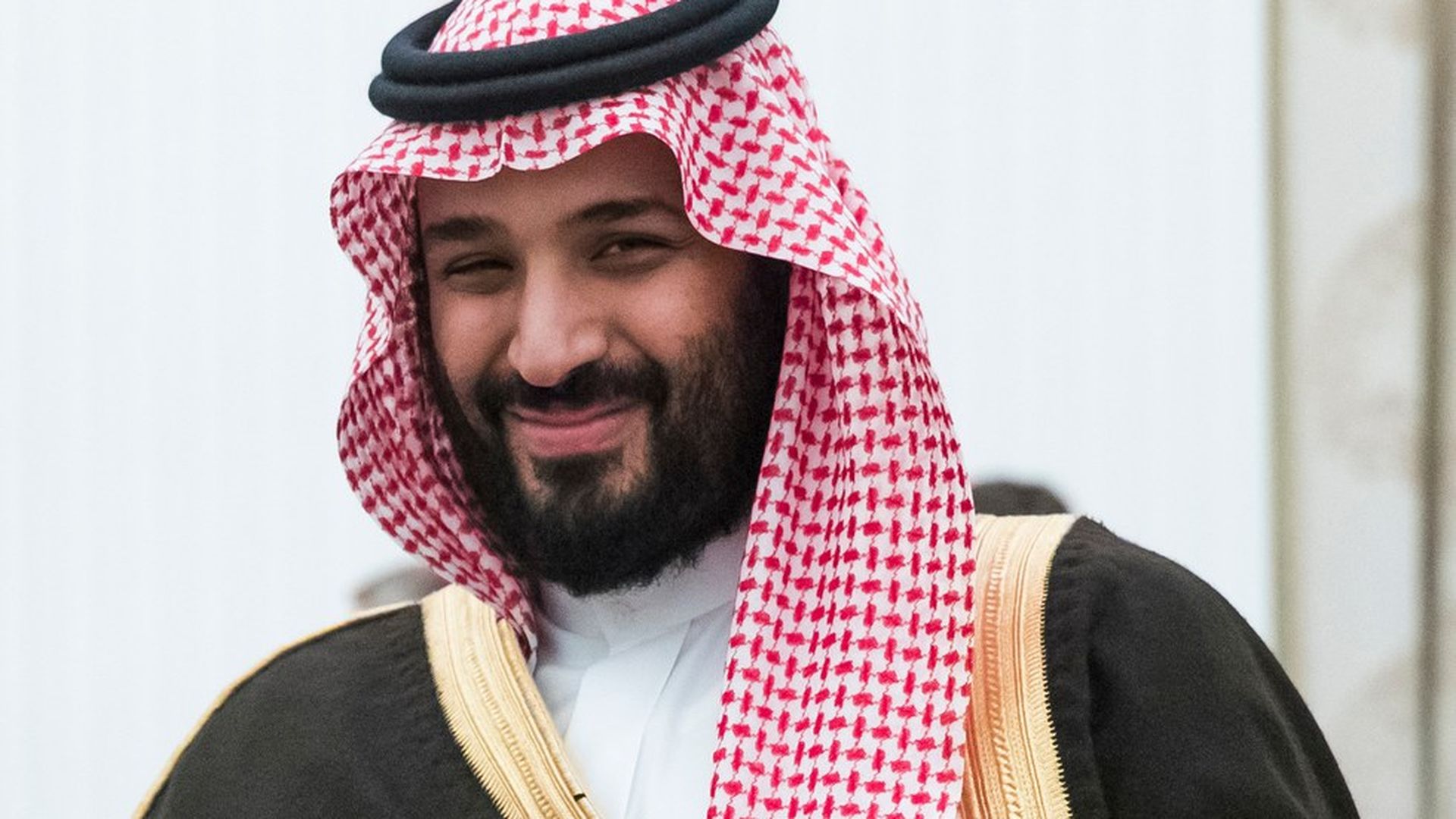
Saudi state oil company Aramco is considering dropping plans to go public with the biggest IPO listing in history, and is looking into a private share sale to some of the world's largest wealth funds and investors, including China, the Financial Times reports.
Bottom line: An international listing could still be an option even after a private sale, but most likely not until at least 2019, according to the FT. An Aramco spokesperson told Axios, "a range of options" are still under review, no decision has been made and "the IPO process remains on track." The IPO was a part of an economic reform plan spearheaded by Saudi Arabia's crown prince Mohammed bin Salman in response to the kingdom's recession. Salman has said the company could be worth $2 trillion. The FT estimated it to be worth closer to $1 trillion.
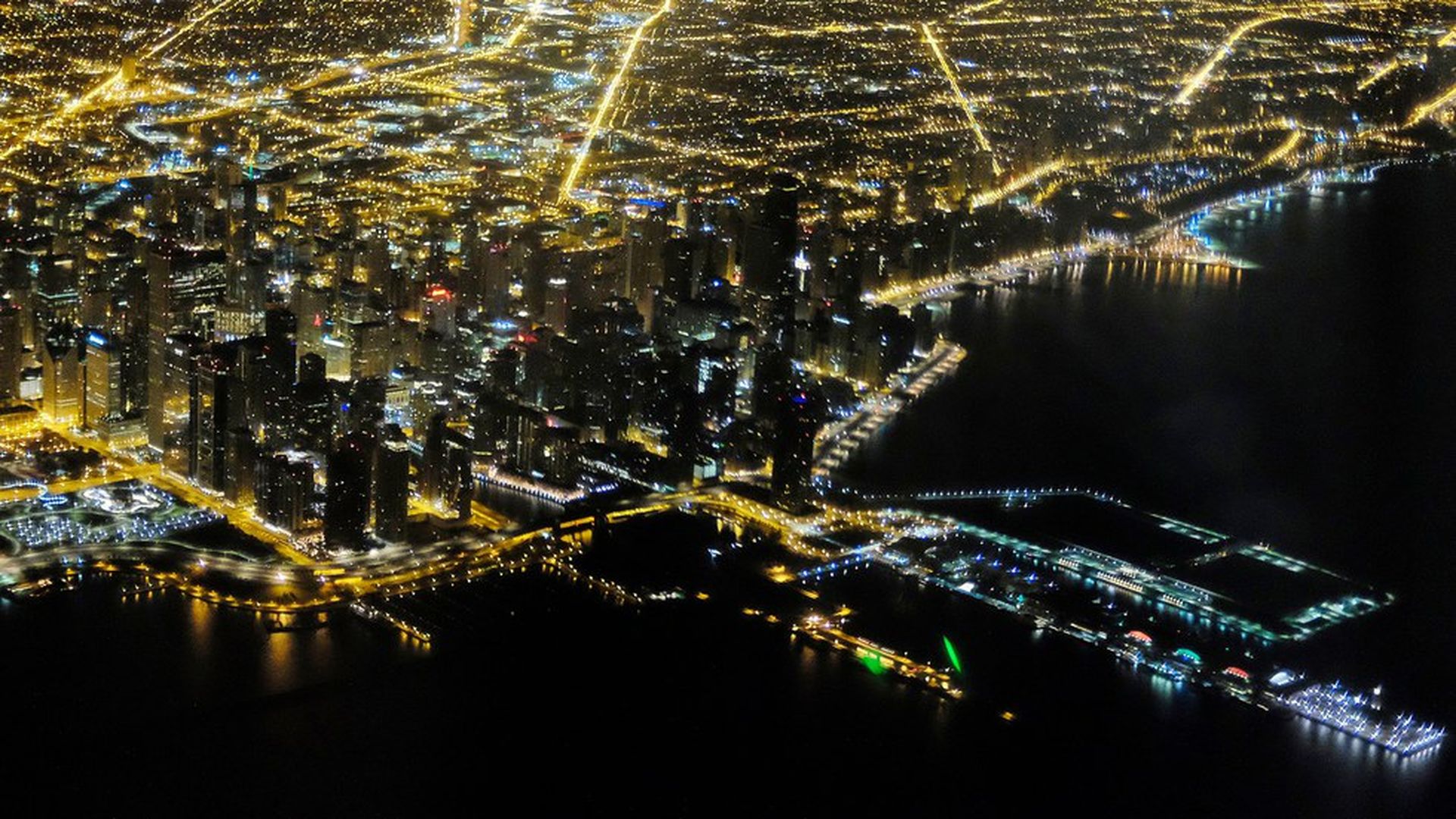
A Chicago-based startup valued at $5.5 billion misled advertisers with manipulated information about effectives and targeting of ads, the WSJ reports on A1. The company, Outcome Health, installs screens in doctors' offices and charges pharmaceutical companies to run ads on them. It boasts $500 million in backing from heavyweight investors including Goldman Sachs, Google's parent, Alphabet, Pritzker Group Venture Capital, and a few others.
The result: The altered reports and data could have increased business for Outcome, which doesn't publicly disclose results but estimated sales for 2016 at around $130 million.
Several key roboticists have departed Google in recent months, an indication of the firm's failure to make good on several high-profile investments in the sector made back in 2013, Bloomberg Businessweek reports.
Why it matters: Rosanna Myer, CEO of the startup Carbon Robotics, told Businessweek that Google's acquisitions of companies like Boston Dynamics and Redwood Robotics "held the industry back more than moving it forward," by failing to materially advance or commercialize their inventions. Jeremy Conrad, a partner at hardware incubator Lemnos Labs voices similar complaints. "These were some of the most exciting robotics companies," he says "and they're just gone."
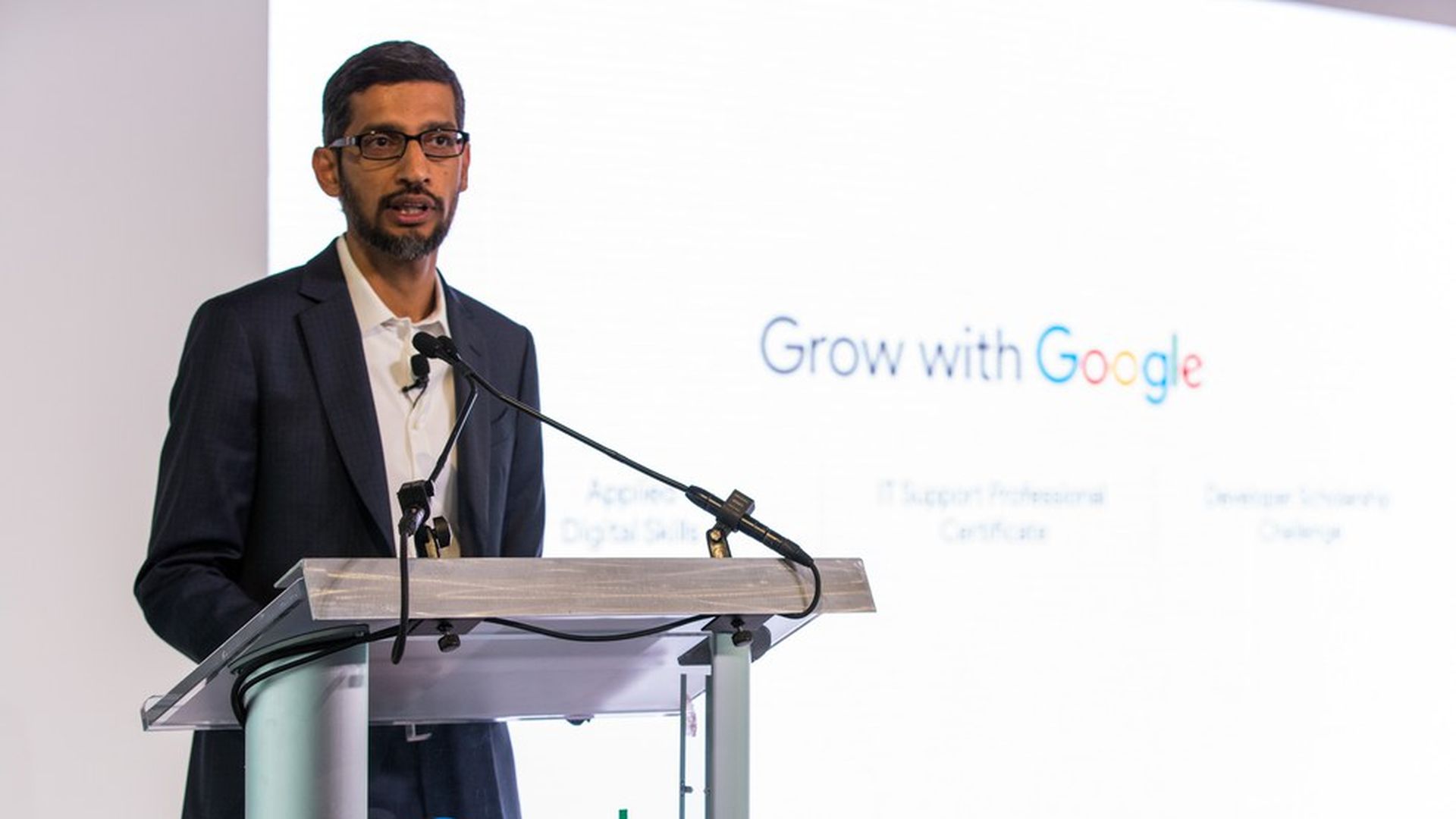
Google CEO Sundar Pichai was in Pittsburgh Wednesday to announce a new five-year, $1 billion program to help close the global education gap. Part of the program was a new "Grow with Google" program to work with U.S. cities as well as a $10 million grant to Goodwill that will see Google employees working with the nonprofit to train people in digital skills.
Why it matters: Google, along with Apple, Microsoft and other big tech companies, have all launched significant efforts in recent months to demonstrate their commitment to education and U.S. jobs.
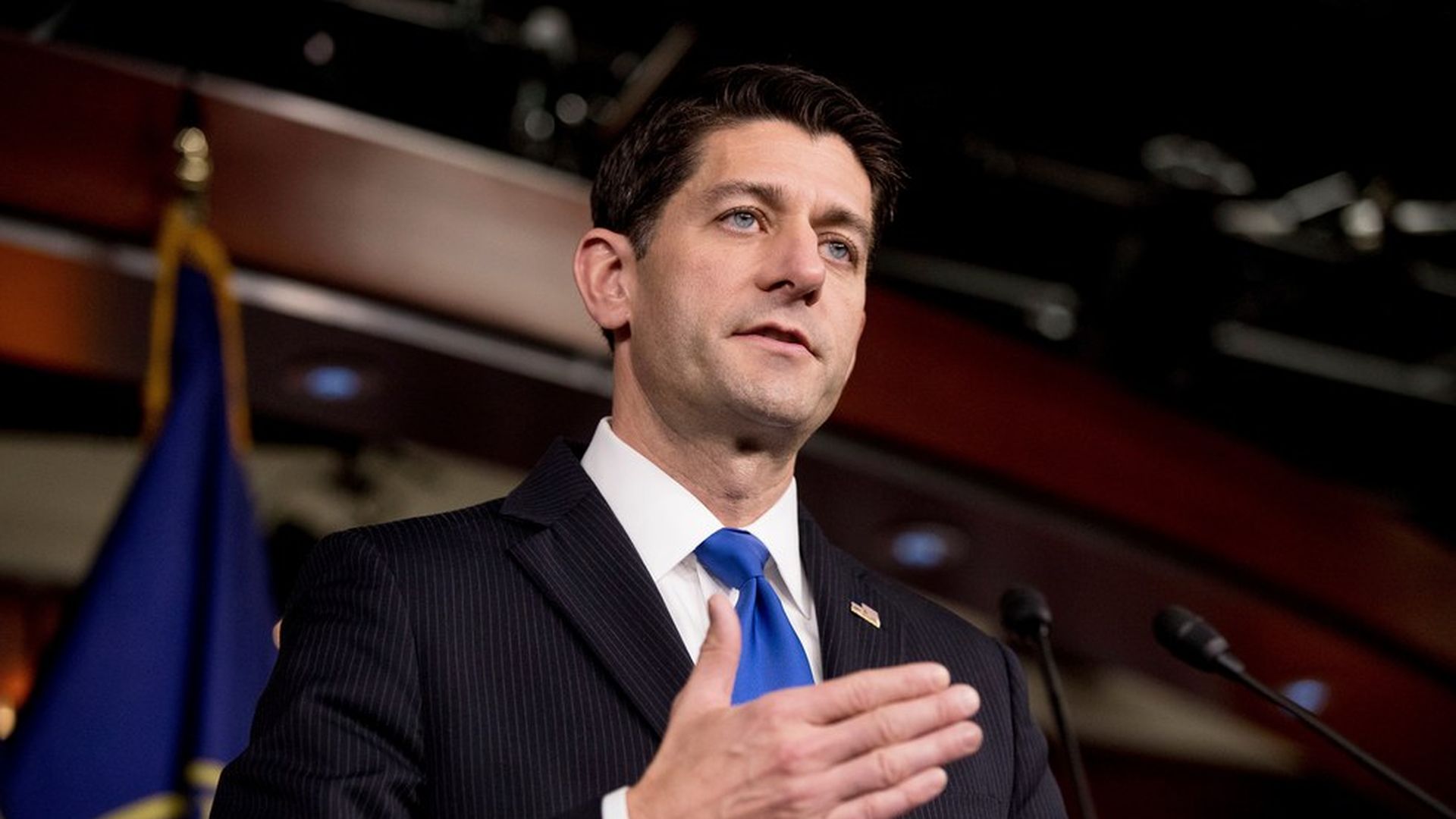
House Speaker Paul Ryan reaffirmed his threat Thursday to keep Congress in session through Christmas if they don't meet their tax reform deadlines:
"Half this country is living paycheck to paycheck and if it means we've got to stay here 'til Christmas to give them the relief they need and deserve, then tough we will do that."
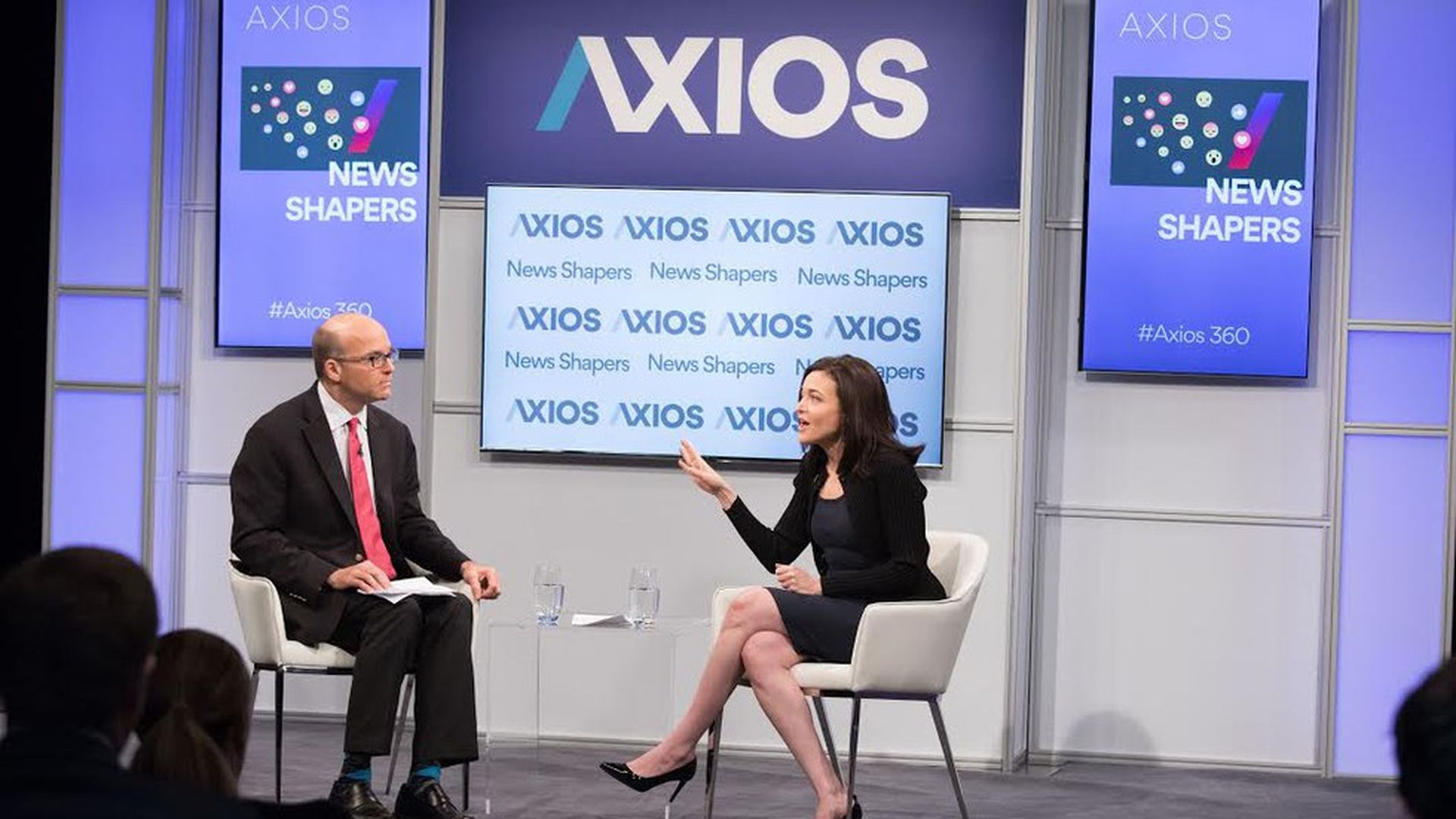
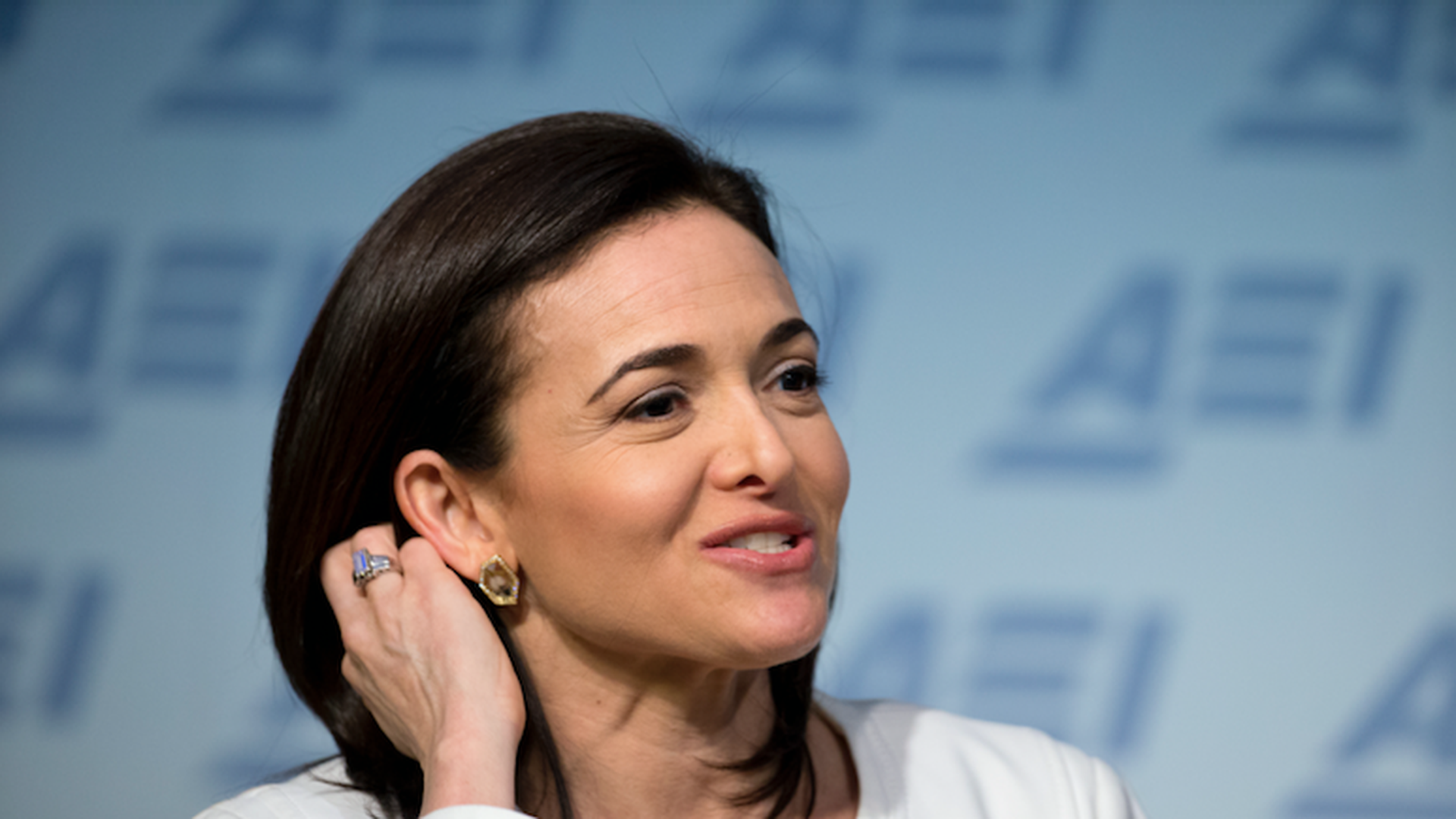
Sheryl Sandberg, COO of Facebook, told Axios' Mike Allen "there are times when you shouldn't" be allowed to target your ads on Facebook. She clarified that Facebook doesn't intend to allow ads that are "discriminatory," but added that "targeting on Facebook is broad."
The Trump factor: Sandberg, when pressed, would not answer Axios' question directly about whether she could explain the overlap in targeting between Trump's campaign and fake accounts on Facebook. One big, newsy item: Sandberg also said when Facebook releases the ads to Congress, data on targeting will also be released.
Facebook Chief Operating Officer Sheryl Sandberg told Axios' Mike Allen Thursday that "things happened on our platform that shouldn't have happened" in the lead up to the 2016 presidential election.
"We know we have a responsibility to prevent everything we can from this happening on our platforms... and so we told Congress and the Intelligence committees that when they are ready to release the ads, we are ready to help them."
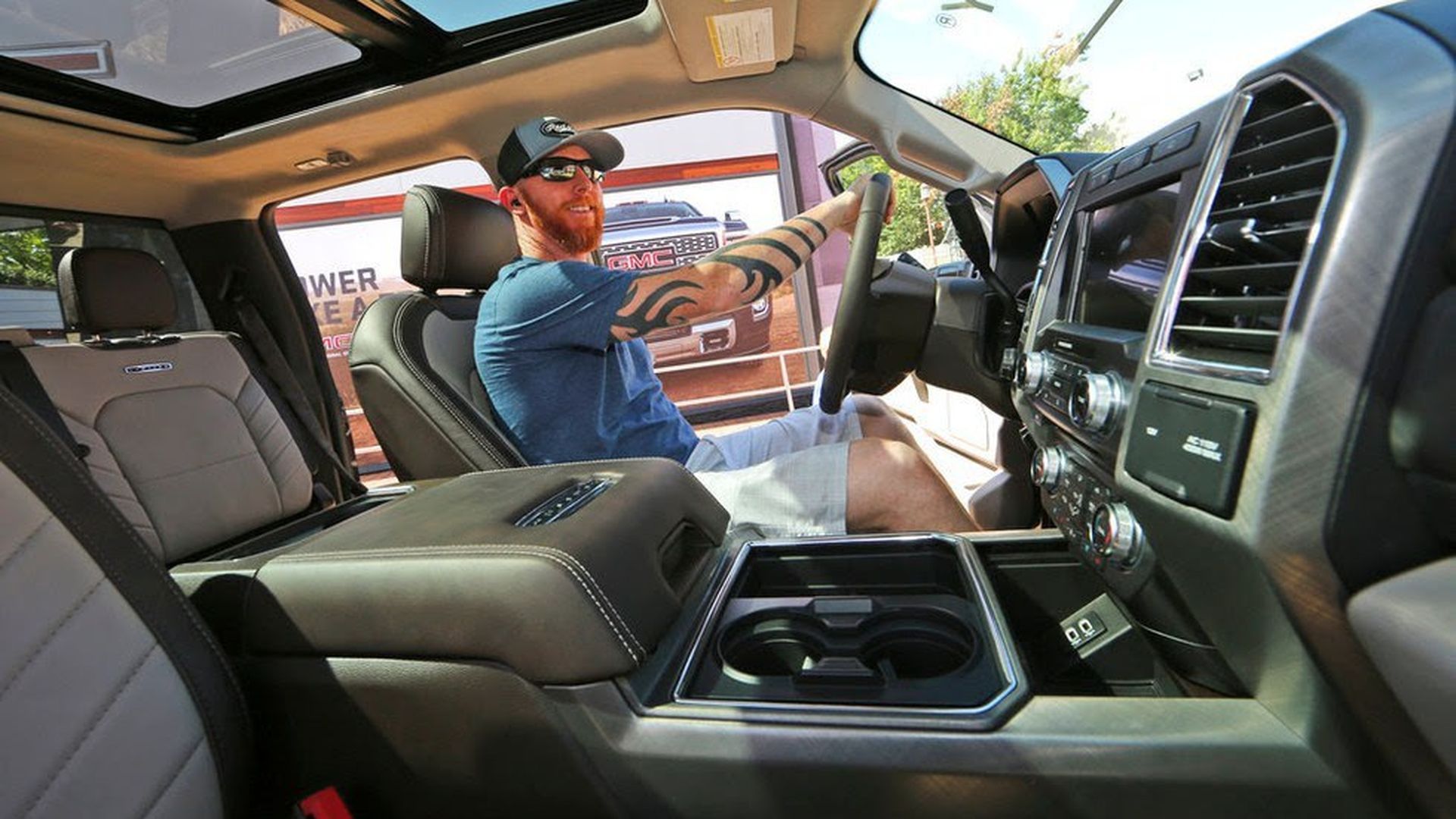
Americans are increasingly spending big bucks on trucks for luxury add-ons like heated and cool seats, backup cameras, panoramic glass roofs, doling out an average of $46,844 for a pickup, according to Kelley Blue Book, AP Auto Writer Dee-Ann Durbin reports ("US pickup truck buyers demanding more luxury"). Durbin writes, "That's more than the starting price of luxury SUVs like the Mercedes GLC or the Lexus RX." The juice: