Wednesday's economy stories

The BBC reveals the salaries of its top earners
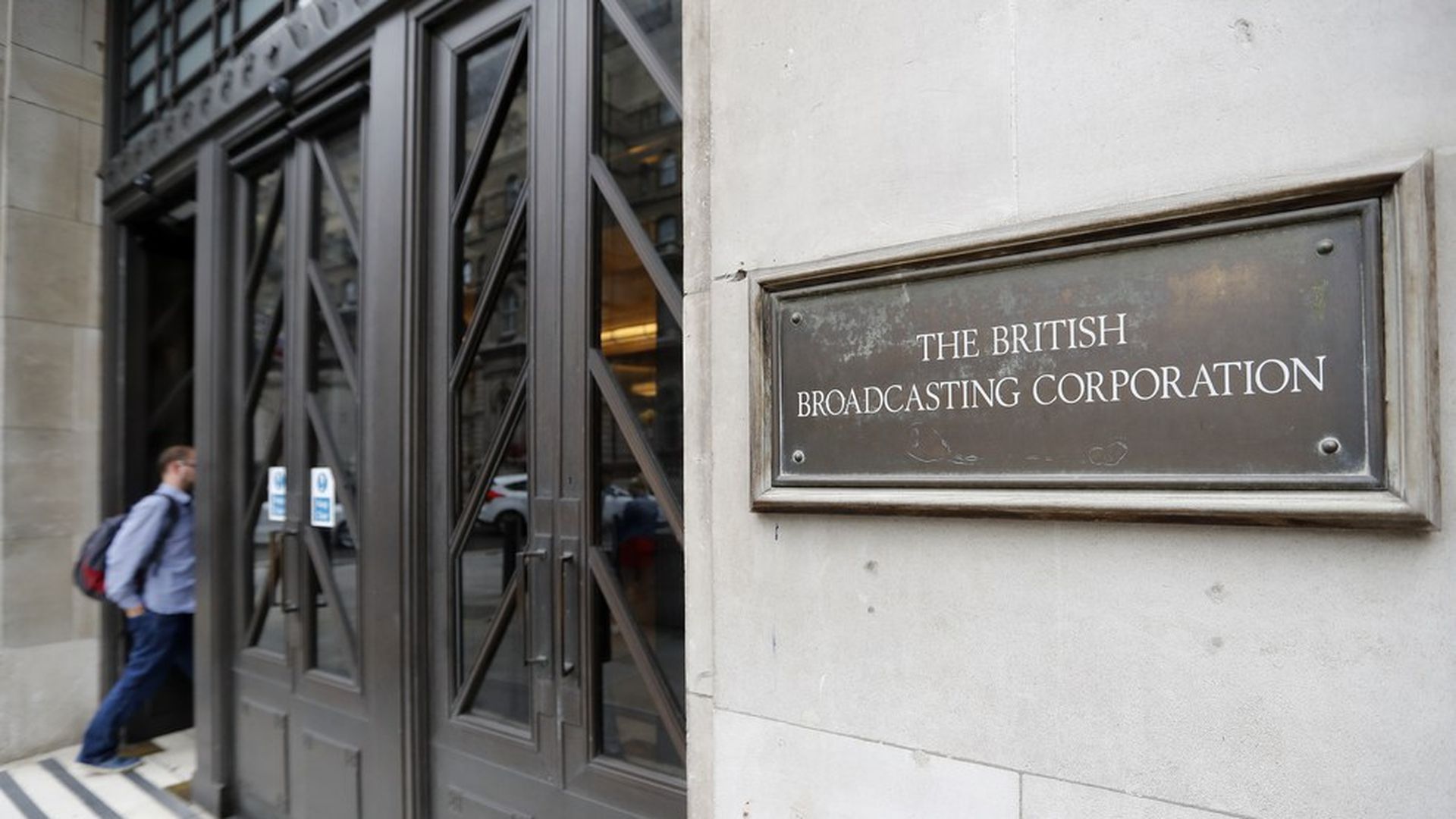
The BBC published the salaries of its highest-paid stars today after the British government pushed the publicly-funded media corporation to disclose the previously confidential information, per the AP.
- The big thing: Women and ethnic minorities make substantially less than their white male counterparts. For example, its top-earning news anchor Huw Edwards brings in over £550k (about $718k) while his female counterpart Fiona Bruce makes about £200k (about $261k) less.
- The top earner: Radio presenter and former Top Gear host Chris Evans at £2.2 million ($2.87 million).
- Point of comparison: The amounts earned by BBC talent are notably less than their American counterparts. Matt Lauer makes about $25 million annually at NBC — and its deal with Megyn Kelly earlier this year reportedly came in somewhere between $15 million and $20 million, according to Forbes.

Report: Many firms are "AI washing" claims of intelligent products
Software companies are seeking to exploit the current artificial intelligence craze by "AI washing" — exaggerating the role of AI in their products, according to a new report by Gartner, the research firm.
Gartner, which tracks commercial manias through a tool it calls the Hype Cycle, compares what is currently going on in AI with a prior surge in environmental over-statement — "greenwashing, in which companies exaggerate the environmental-friendliness of their products or practices for business benefit."
The bottom line: More than 1,000 vendors say their products employ AI, but many are "applying the AI label a little too indiscriminately," Gartner says in its report. Kriti Sharma, who runs the AI team at Sage, tells Axios that a lot of companies are seeking to solve problems using AI that would be better done by humans. And what is often called AI "is just automation that you are doing," she said.
Google is re-introducing Glass as a manufacturing tool
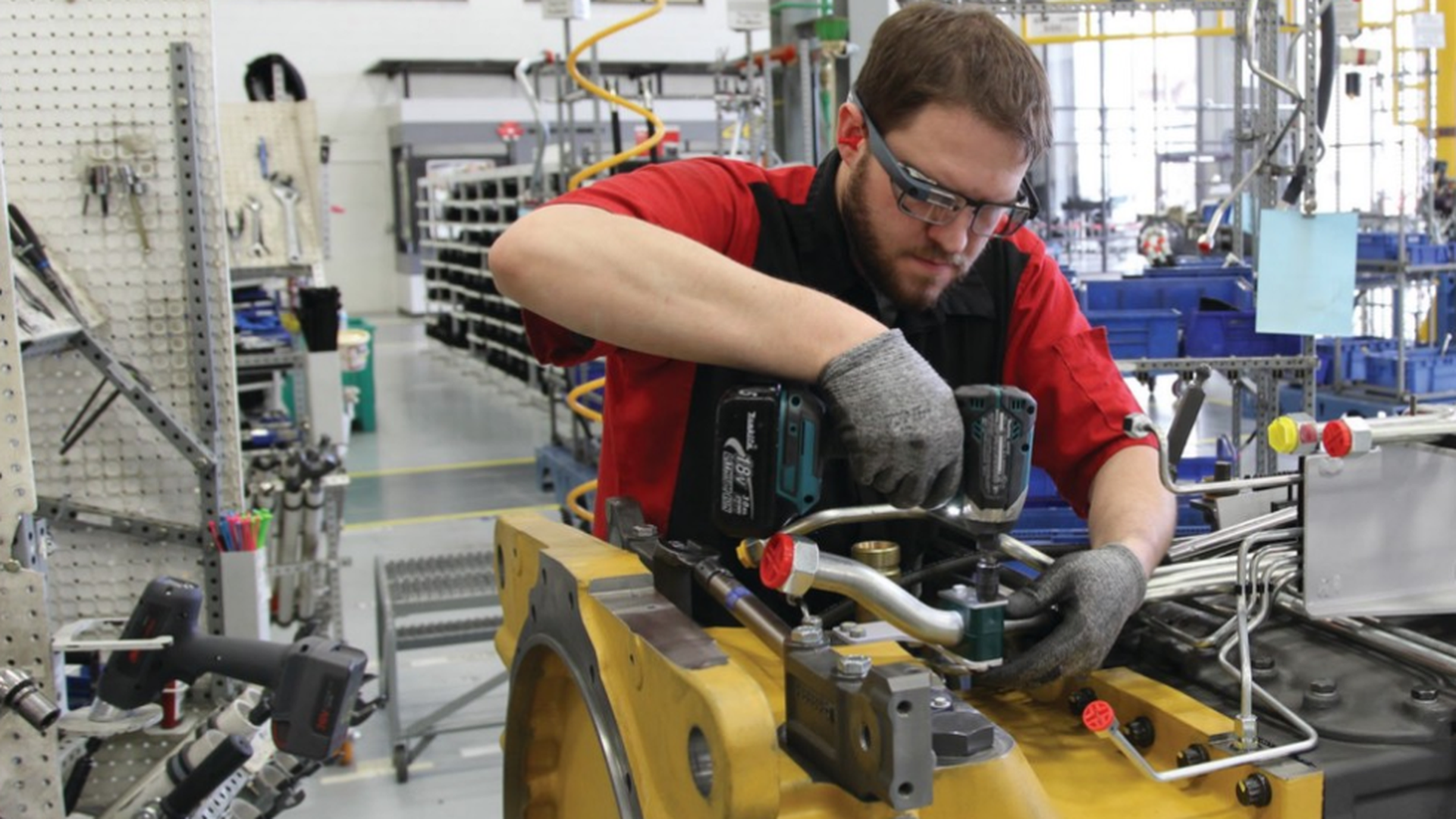
Google's much-touted Glass technology failed to gain traction with consumers, but the company says it has given the computerized spectacles new life as a business tool. The tech giant says it used a lightened up, clip-on version in a two-year beta test of "Glass Enterprise Edition," and that it's now going commercial with them.
They are less creepy: In a blog post, Google shows workers wearing a far less-clunky version of Glass than the weird ones that co-founder Sergei Brin frequently sported when he ballyhooed the product in 2013. Google says workers wearing the new Glass can view instructions for what to do next right in their line of sight rather than stopping what they are doing to consult a laptop or an instruction manual. Google's website lists about three dozen beta customers, and says some have improved the efficiency of tasks by 25%.

BMW is backing an online used car marketplace
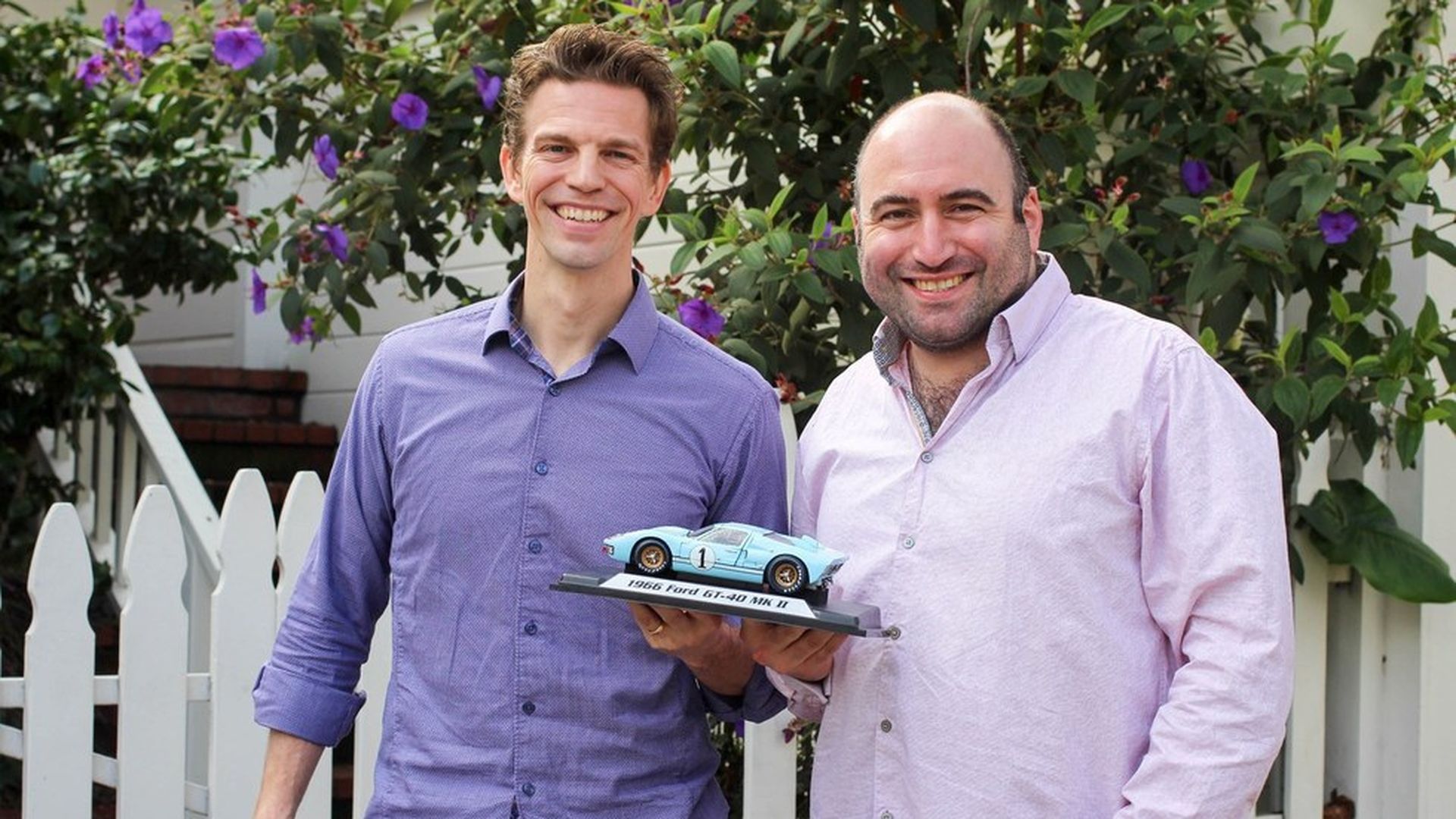
Shift, an online marketplace for used cars, has raised $38 million in Series C funding led by BMW iVentures.
Industry view: Shift's latest funding comes within months of rival Beepi shutting down (after raising $150 million), and Carvana going public and trading well. "I think it's nothing but good news for Shift because we have a very clear comp" in the public market, Shift CEO George Arison told Axios. "The beauty of this industry is that it's not a winner-take-all situation."

Trump is Fox & Friends' "virtual fourth host"
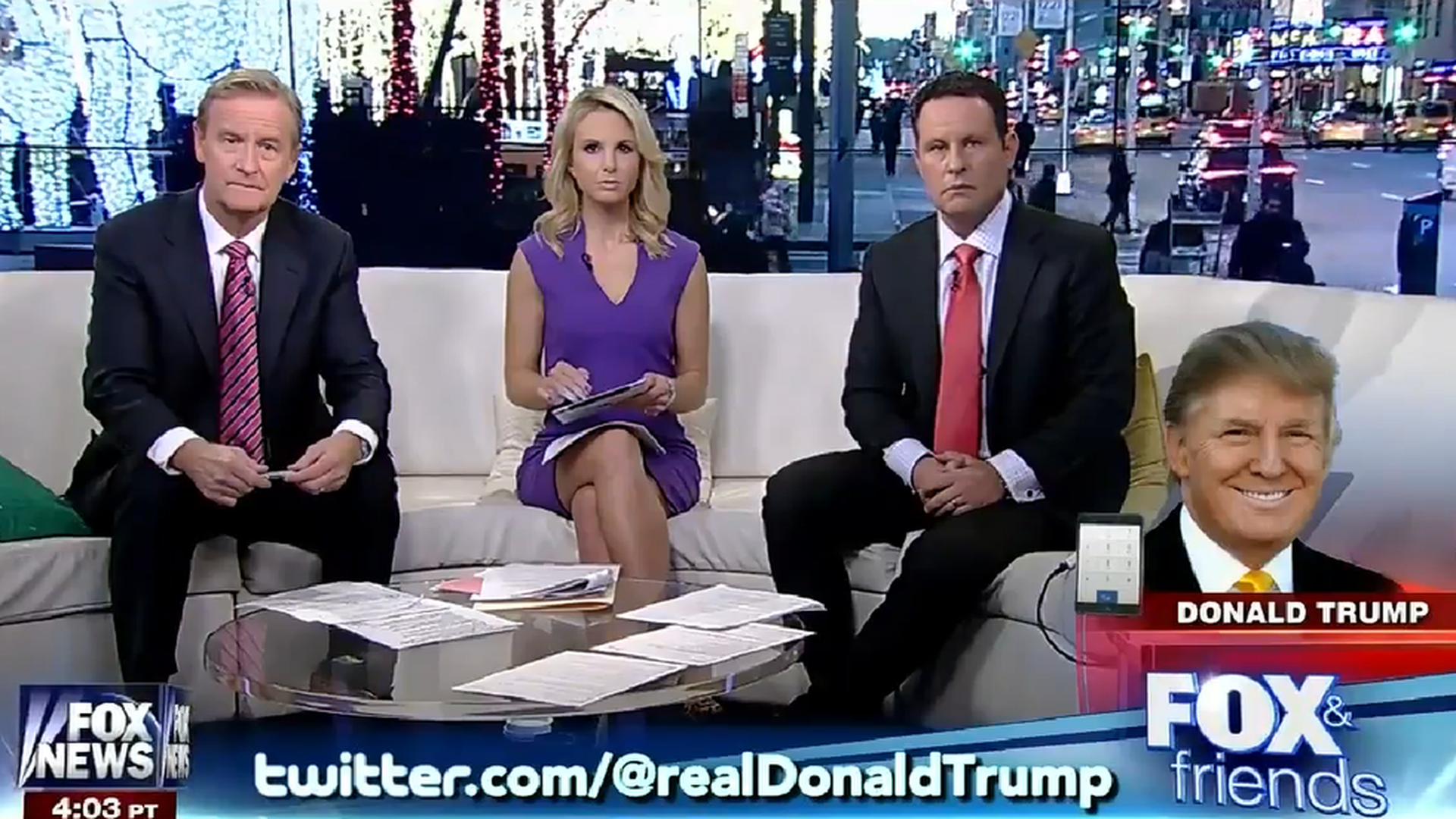
N.Y. Times TV Critic James Poniewozik, "Watching 'Fox & Friends,' Trump Sees a Two-Way Mirror":
"'Fox & Friends,' the three-hour wake-up program on Fox News, is an interactive magic mirror for Donald J. Trump. President Trump is the show's subject, its programmer, its publicist and its virtual fourth host. The stars offer him flattery, encouragement and advice.
"When he tweets, his words and image appear on a giant video wall. It's the illusion of children's TV — that your favorite show is as aware of you as you are of it — except that for Mr. Trump, it's real."

Report: Monopolies invest less in the economy

Corporate America has become ever more concentrated over the past two decades, and its monopoly power is killing the incentive for large companies to invest in the economy, according to new research from NYU's Stern School of Business.
- The paper's authors assert a cause-and-effect relationship between a widespread increase in large company monopolies and a decrease in investment in new technologies, plants, and equipment by those same monopoly companies.
- Economists have been confounded by a dearth of corporate investment in the economy for years, since high profits and low interest rates should encourage more investment. But if companies feel they are protected from competition by their sheer size, they needn't continue to invest to maintain high profits.
- Why this is bad for U.S. workers: Weak corporate investment holds back GDP growth and stunts wage growth. When corporations invest in new technologies, they tend to raise productivity, enabling workers to demand higher pay.
The future of jobs is still a mystery
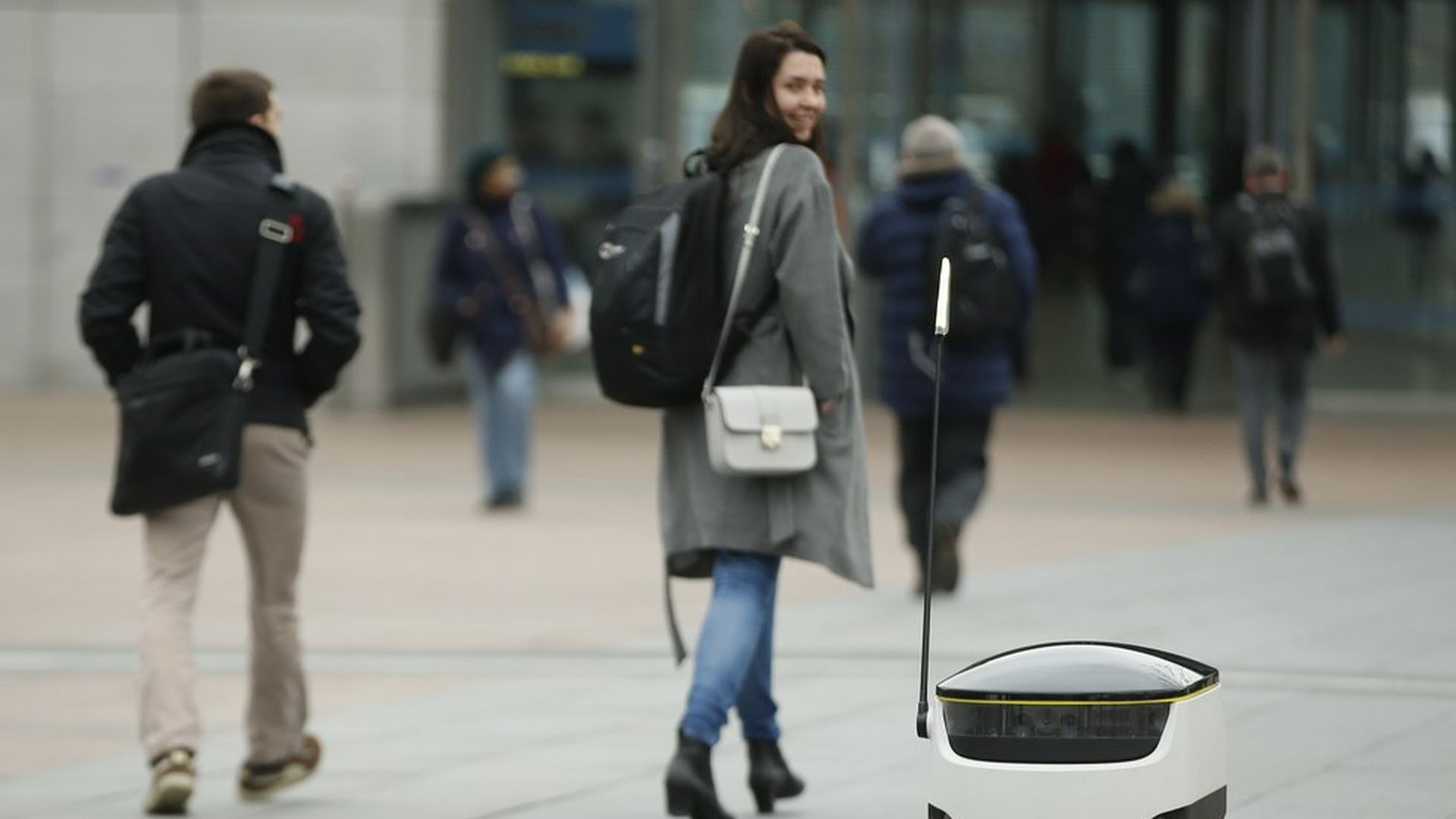
Political, business and technology leaders are turning their attention to the rapidly changing workforce, but they are only beginning to understand what the future of employment looks like and what matters most to workers, several acknowledged at Fortune's Brainstorm Tech conference in Aspen.
Why it matters: Our ability to make employment transitions as painless as possible will hinge on our ability to get ahead of these trends. Apparently, we have a long way to go.
What workers care about: Contrary to popular assumptions, most American workers are more concerned about having a stable and consistent income than making more money, said DoorDash CEO Tony Xu, whose company employs independent contractors to make food deliveries.
Microsoft and Baidu partner on self-driving car tech
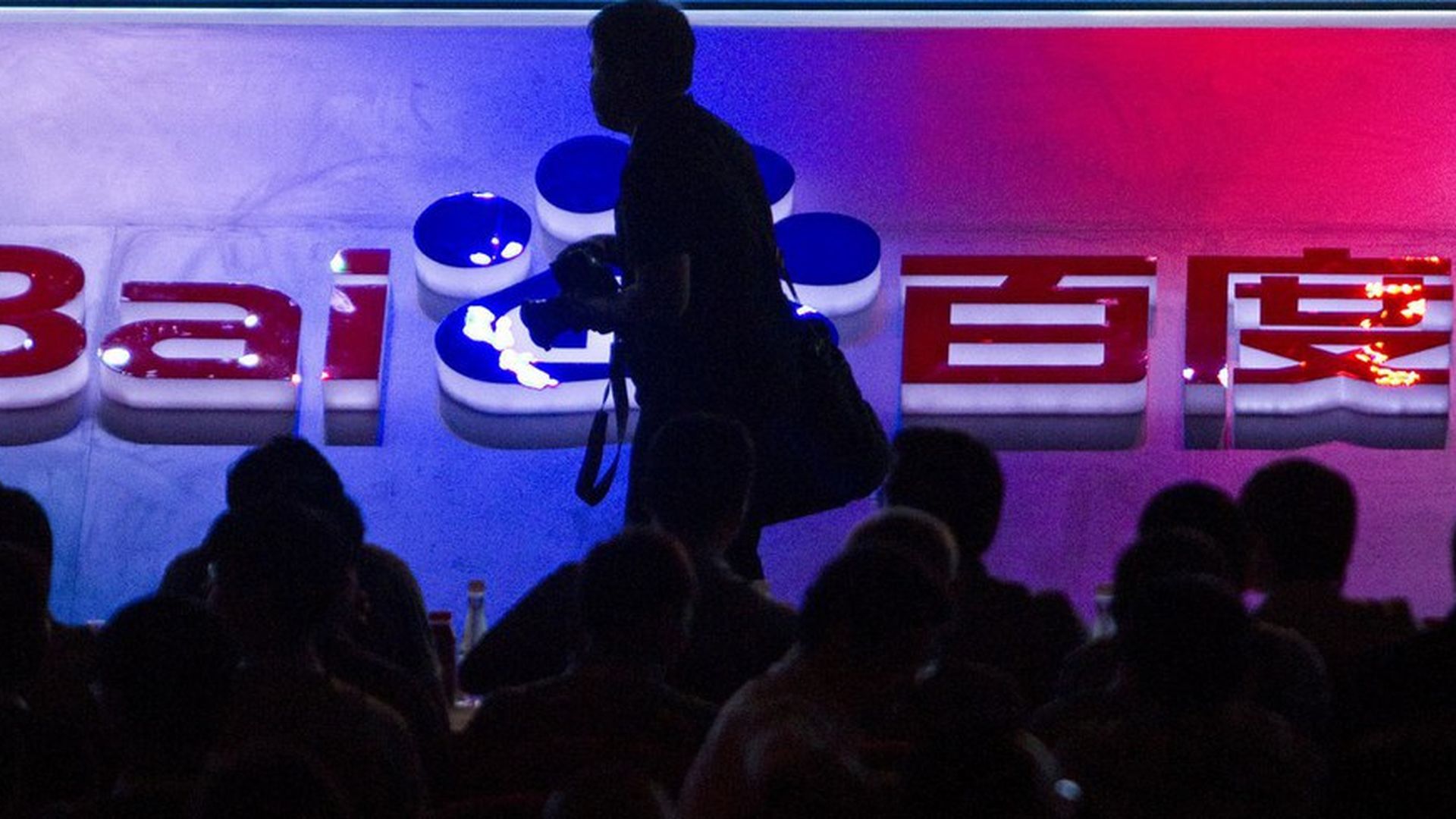
Chinese search giant Baidu announced Tuesday that it will be partnering with Microsoft's Azure cloud computing services division to offer software and infrastructure for autonomous vehicles to firms outside China. The partnership is one of more than 50 that Baidu, known as the Google of China, has launched to create an open-source software platform that car makers can use to create autonomous vehicles of their own.
Why is Baidu giving its software away for free? Baidu President Ya-Qin Zhang tells Axios that it's attempting to be "the Android of the autonomous car industry," alluding to Google's smartphone platform, which it gives away for free as a means for selling more advertising. Zhang says that by making much Baidu's software available for free, it hopes to become the default autonomous driving platform that will open opportunities for profit down the road.

Scoop: Redford and Woodward are planning a Watergate-themed movie
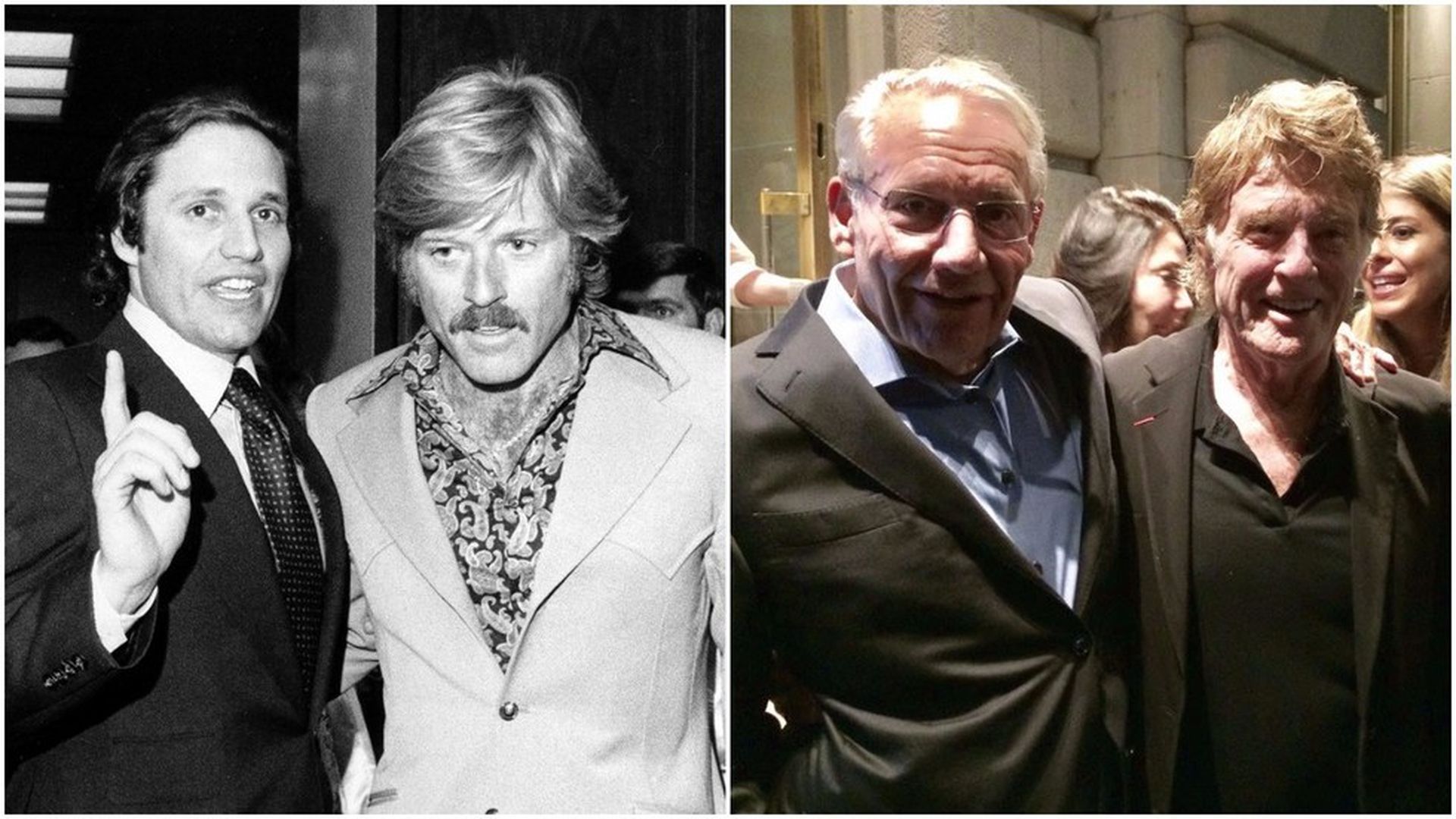
Robert Redford (age 80) and Bob Woodward emerged last night from Avra Madison on 60th Street in New York City. Redford played Woodward in the 1976 movie, "All the President's Men."
Asked if they're planning a Watergate-themed movie or documentary, Woodward said, with his customary mystique: "Yes."
The film's release date is unknown. But we're told: "soonest."