Tuesday's economy stories

Ford will import Focus from China, not Mexico
Ford announced plans Tuesday to import its compact Focus model from China, after scrapping a proposal earlier this year to expand a plant in Mexico. The planned Mexico facility had been roundly criticized by President Trump during last year's campaign, and the economics of the Mexico plant have been called into question as the Trump administration considers changes to NAFTA that could eliminate the advantage of producing in Mexico relative to China.
A blow to U.S. auto workers: Profit margins for sales of compact cars in the U.S. are thin, so it makes little sense for Ford to expand production of the Focus in the U.S. But when such cars are built in Mexico rather than China, they are typically sourced with American-made auto parts, supporting at least some domestic employment. The vast majority of parts for Chinese-built cars are made in China.

Ryan and Pence promise sweeping tax reform in 2017
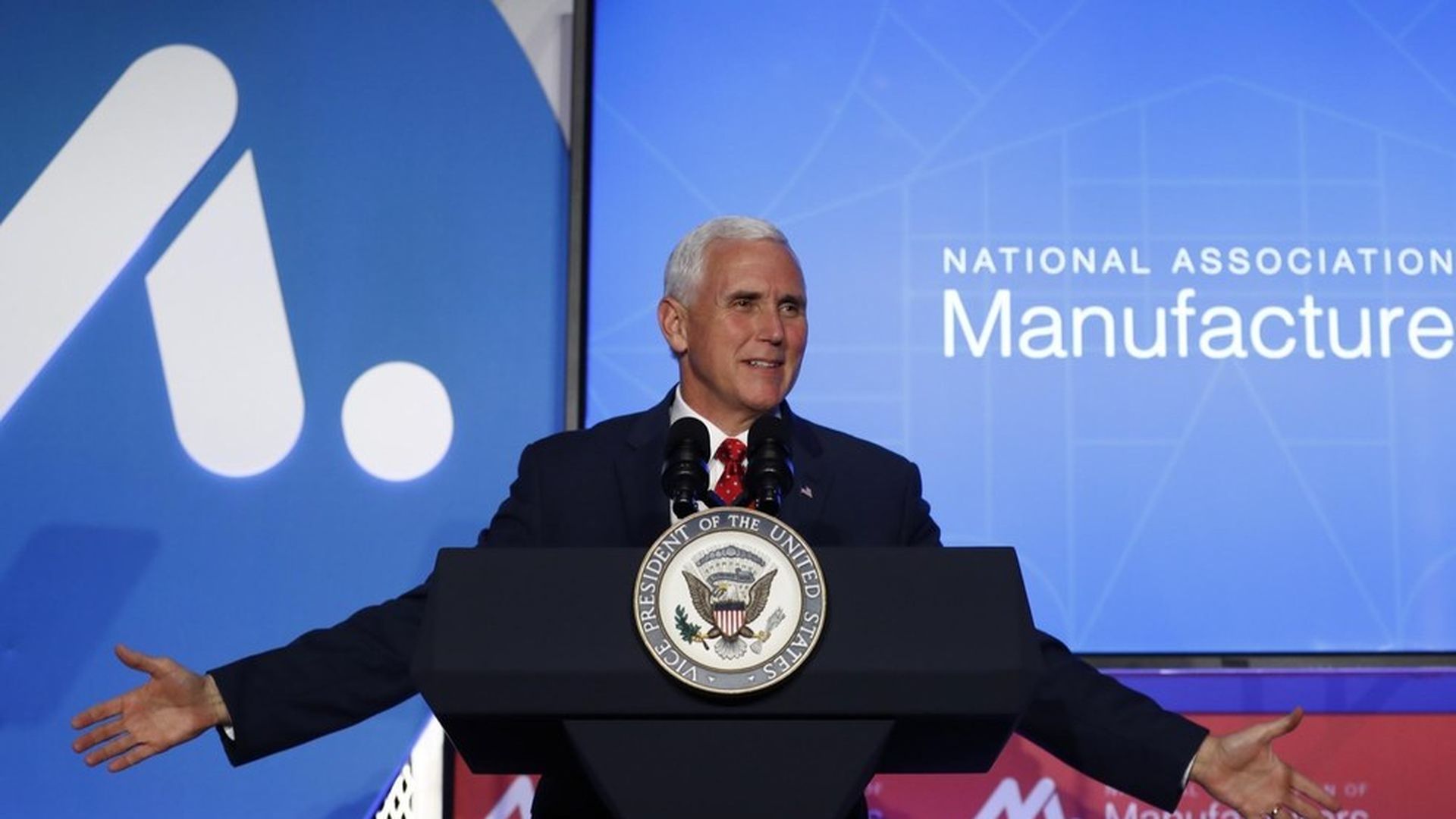
Speaker of the House Paul Ryan and Vice President Mike Pence both addressed the National Association of Manufacturers' 2017 Manufacturing Summit this afternoon with a clear commitment to pass massive tax reform before the end of the year.
- Ryan: "We are going to get this done in 2017…because we have to get this done in 2017. We cannot let this once-in-a-generation moment pass us by."
- Pence: "We're going to pass the largest tax cut since the days of Ronald Reagan, and we're going to do it this year."

Google now using AI to put job listings right in your search results
As of today, certain job-related search-queries will yield job postings culled from different job boards — and they'll show up right in your search results. Those postings will be augmented, in some cases, by the time it would take to commute from your house and by the employer's ratings on sites like Glassdoor.
Why it matters: The project is part of a larger initiative called Google for Jobs that the company talked about at its annual Google I/O conference. It's also part of a larger trend of Google putting information directly in search results in an attempt to help people get more information without leaving Google's site.
Trump supporters: Manufacturing jobs dangerous, low-paying
President Trump won the White House by promising to bring back manufacturing jobs that companies sent overseas to take advantage of cheap labor. But actual Trump supporters say the issue is that manufacturing jobs in the U.S. today for blue-collar workers are dangerous or low-paying.
- Reuters interviewed workers in the manufacturing hub of Elkhart, Indiana, where voters supported Donald Trump by a 2-to-1 margin in November.
- The unemployment rate in Elkhart sits at just 1.9%, but the manufacturing jobs there that pay well are so physically demanding that many workers cannot stay for long before medical issues force them to accept lower-paying jobs elsewhere.
- Why it matters: Offshoring and immigration aren't to blame for the lack of high-paying but low-skilled jobs in manufacturing as much as automation technology, which has left for humans tasks that are either low-value, high-skilled, or dangerous.
Regulators not convinced by 3D-printed titanium airplane parts
Major parts suppliers for airplane manufacturers like Boeing are ready to use cutting-edge 3-D printing technology, but regulators like the U.S. Federal Aviation Administration have yet to sign off.
- Boeing subcontractor Spirit AeroSystems Holdings is ready to produce thousands of its parts 30% more cheaply by using 3-D printing technology, The Wall Street Journal reports, whereby titanium is melted and then precision-deposited, layer-by-layer, to build the final part.
- The Journal reports the FAA isn't ready to certify the technology as "reliable enough to ensure identical strength and other properties from batch to batch," and the approval process could take until 2018.
- Why it matters: Technology is advancing more quickly than regulators are keeping up. In the case of aerospace manufacturing, this dynamic is about ensuring passenger safety. But for other technologies like self-driving cars, regulators will be concerned about other effects like job loss.

Trump's approval rating sinks to lowest point yet
President Trump's approval rating has sunk to the lowest level since becoming president, according to a CBS News poll. That's largely in part to his handling of the Russia investigation, an issue that gets lower ratings than any other topic, including the economy or terrorism, per the poll.
Why it matters: The latest ranking reveals that the scandals involving Moscow are now dragging down Trump's approval ratings, and has elevated the issue to one that Americans care most about — a big problem for a WH trying to shift the focus back to Trump's policy agenda.
CNN's Acosta: White House is stonewalling the media
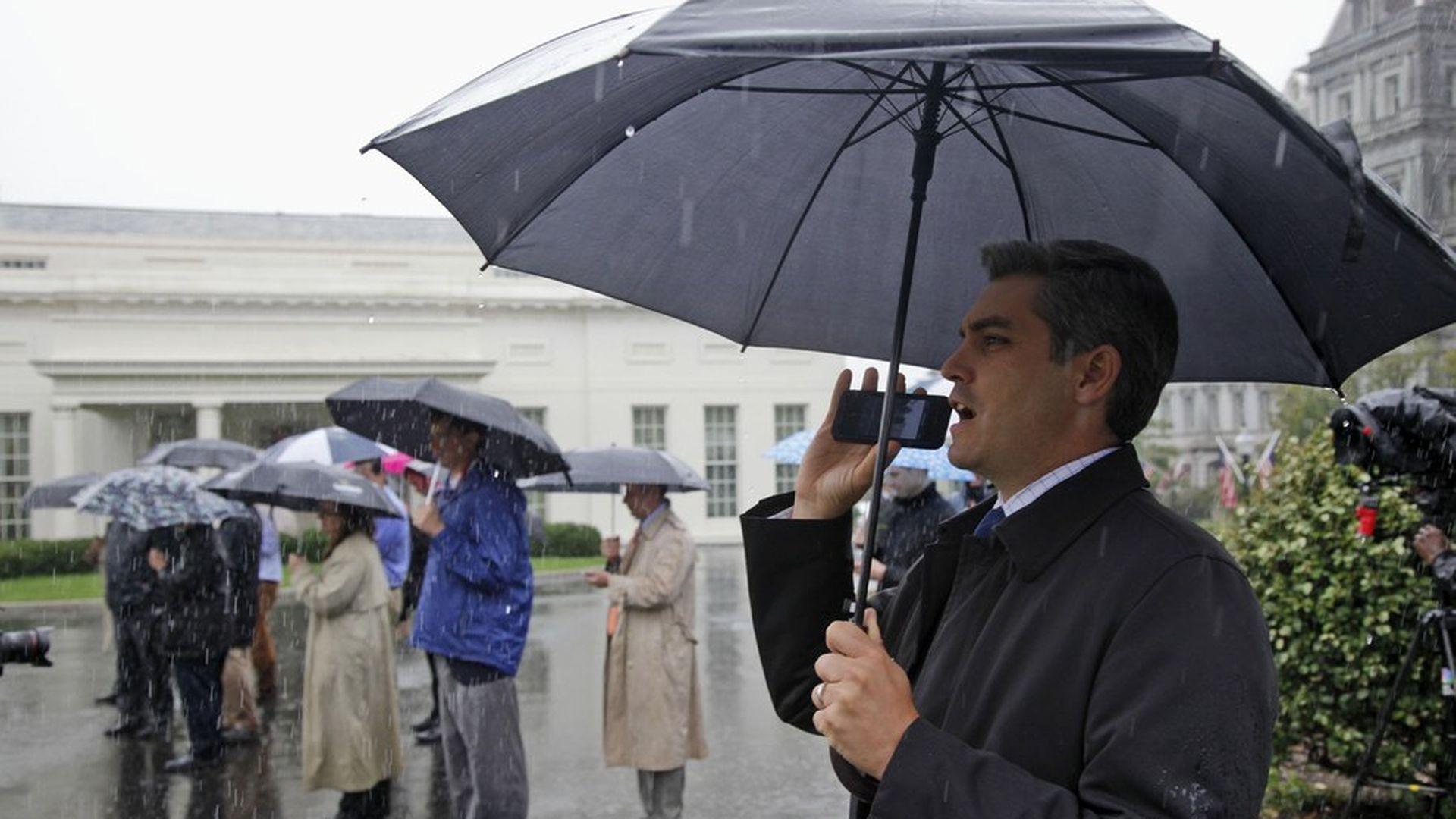
Jim Acosta, CNN's Senior White House correspondent, slammed the Trump administration on Twitter Monday for hosting press briefings off-camera and without audio, as was the case with Sean Spicer's press briefing this afternoon.
"Make no mistake about what we are all witnessing. This is a WH that is stonewalling the news media. Hiding behind no camera/no audio gaggles. There is a suppression of information going on at this WH that would not be tolerated at a city council mtg or press conf with a state gov. Call me old fashioned but I think the White House of the United States of America should have the backbone to answer questions on camera."
Why it matters: The White House has been increasingly cutting down on the number of press briefings, and access to those briefings, and many reporters argue that the limitations undermine the purpose of the briefings altogether: being transparent in sharing information with the public.
Jack Ma recruits U.S. small businesses to sell to China
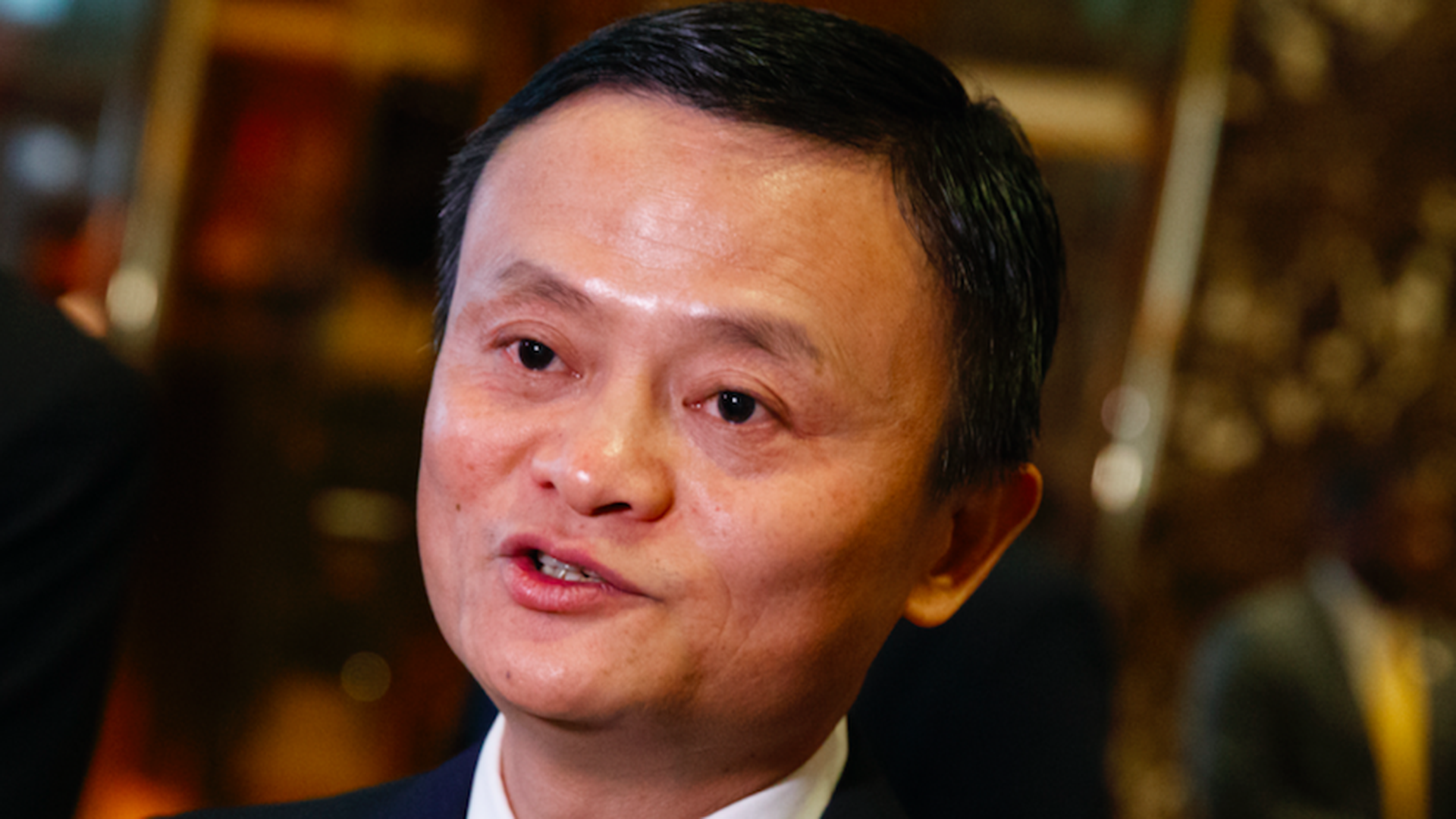
Alibaba CEO Jack Ma has pledged that the e-commerce giant will create 1 million U.S. jobs within 5 years. That plan means increasingly bringing U.S. businesses onto its platform, enabling higher sales to China's rapidly growing consumer base, and Ma is trying to recruit U.S. vendors this week at Alibaba's Gateway conference in Detroit.
But for mom and pop stores around the country, selling to Chinese consumers won't be as easy as it was catering to Americans using online platforms like Amazon, as Bloomberg reports.
Reasons for skepticism: U.S. businesses are hungry to reach the half-billion shoppers on Alibaba sites, but hurdles like language, regulations and consumer understanding remain. University of California business professor Christopher Tang tells Bloomberg, "The market for goods is already saturated," and that domestic Chinese business are more than able to meet growing local consumer demand.
Meet Jay Sekulow, Trump's TV lawyer
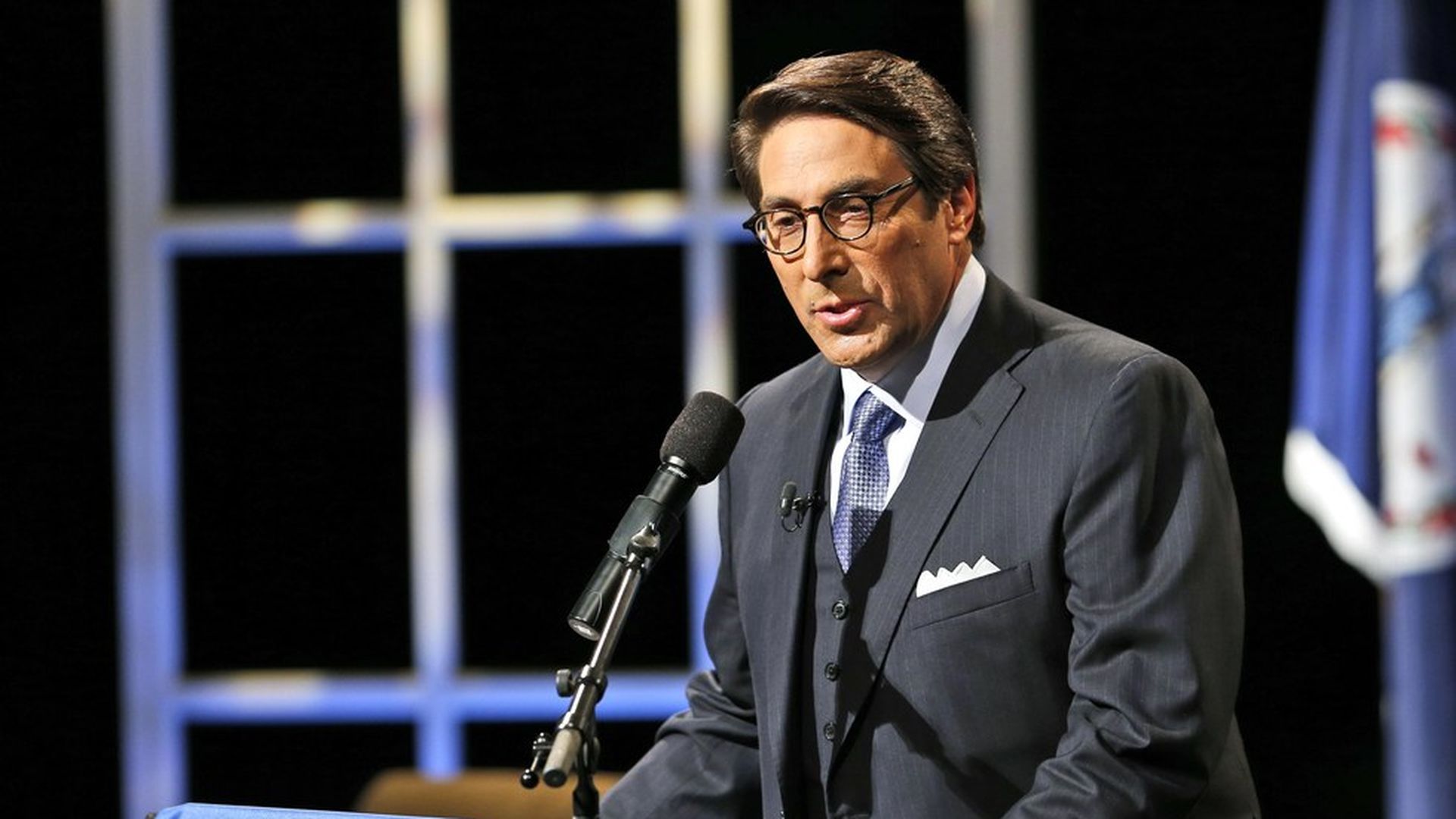
Jay Sekulow, a member of President Trump's legal team, raised eyebrows Sunday as he hopped from network to network defending Trump against reports that he's under investigation for obstruction of justice, until he fumbled while being interrogated by Fox News' Chris Wallace, and admitted he doesn't know for sure what Special Prosecutor Robert Mueller is investigating.
That misstep was not due to inexperience on TV — Sekulow regularly appears as a legal analyst on Fox News Channel, The 700 Club, and Sean Hannity's radio show. Sekulow has grown famous for his work with the religious-right, such as in his defense of the American Center for Law and Justice (ACLJ).
Expect to see a lot more of Sekulow, who has essentially stood in for members of the administration on the Sunday shows for two weeks running.