Sunday's economy stories

How AI is taking over the global economy in one chart
For decades, corporate America has spurned big-lab research-and-development spending, the type that delivered the dizzying and broad tech and economic progress of the last century. But a belief that artificial intelligence is going to drive the next big economic wave has led today's largest companies — like Google, IBM and Microsoft — to revert to the old, ambitious R&D model. And their Chinese competitors — Baidu and Alibaba — aren't far behind.
These five companies — plus Amazon, Facebook and Google — combined are investing more in research and development than many entire economies. In 2015, for instance, the entire U.K. economy — companies and the government — invested $53.8 billion in R&D, less than the $58.2 billion posted by the big eight. Take a look at the chart below.
How to get rich as AI takes over the world
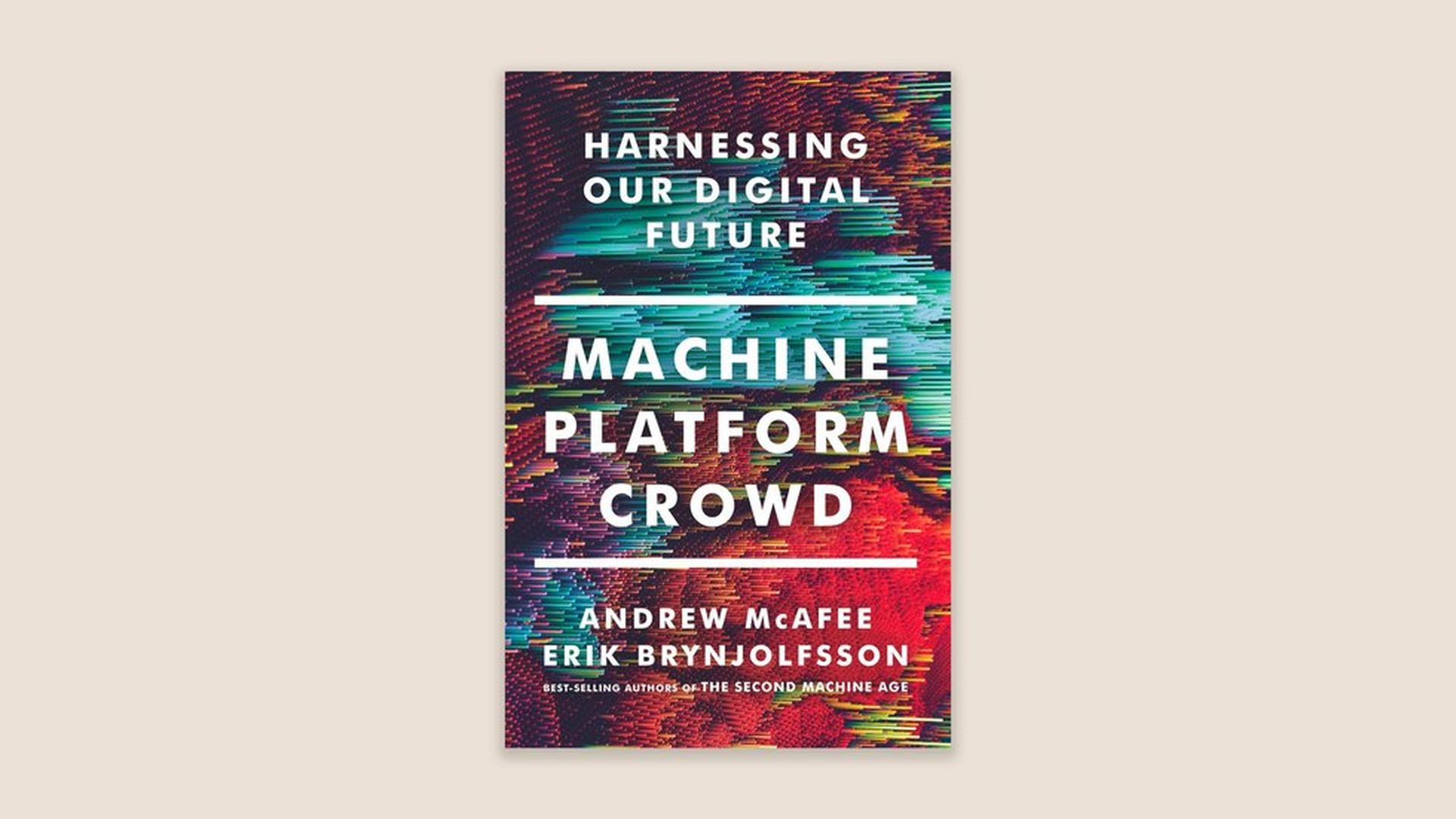
In 2014, MIT economists Andrew McAfee and Erik Brynjolfsson created a new zeitgeist with a book declaring The Second Machine Age — a time of technological advancement as revolutionary as the first machine age that saw the widespread adoption of electricity and the automobile.
Now they are back with Machine, Platform, Crowd, a guide for business leaders through the thicket presented by artificial intelligence, tech companies with tremendous reach, and the power of the crowd.
Thought bubble: McAfee and Brynjolfsson have delivered another smart roadmap for business executives. But not so much for society, for whom they have two simple messages: buckle up, and kill before being killed. That's not good enough. Our political leaders, for starters, sorely need advice for navigating internet-fomented hacking and cyber crime.

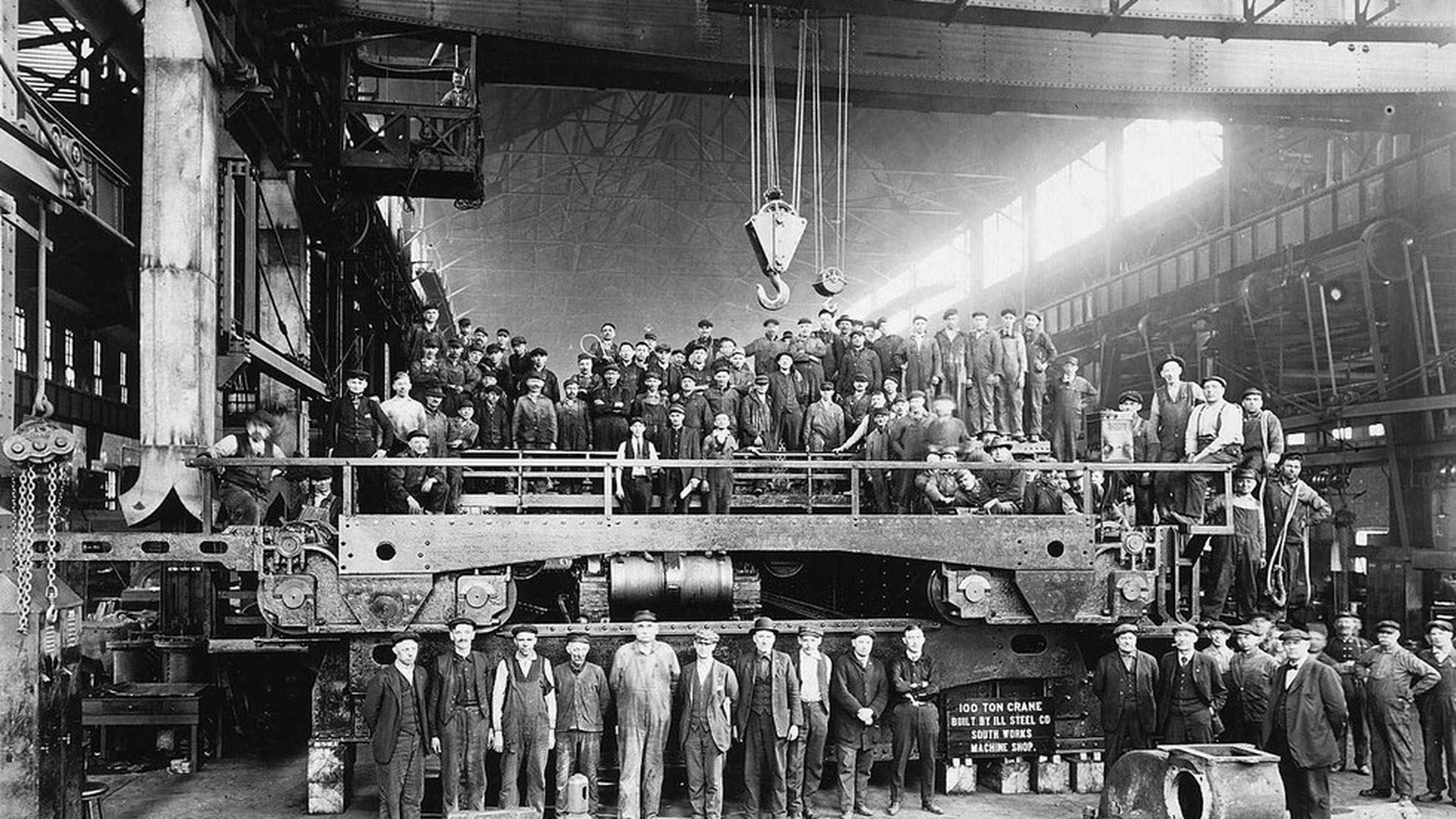
Look to the Industrial Revolution for how machines will lower wages
People worry that automation will drastically affect wages for those humans who manage to keep their jobs, and that's fair: it took more than 1.5 centuries for workers' wages to recover after the Industrial Revolution, per The Economist.
The introduction of machines and tools created a significant demand for unskilled labor (it rose from 20% of the workforce to 39% from 1700 to 1850). Machines either pushed craftsmen out of the labor market completely, or encouraged employers to decrease their workers' wages. The Economist cites this exact situation in which wages fell drastically in the early 1800s, not recovering until 1960.
Why it matters: That's a long time for wages to recover, and machines have become increasingly advanced since 1960. Most of them, at least in some industries like manufacturing, are introduced to eliminate the need for workers or, ultimately, they alter the way employers think about workers' wages in an age where cost-effective and time-saving machines are becoming ubiquitous.