Saturday's economy stories

Look to the Industrial Revolution for how machines will lower wages
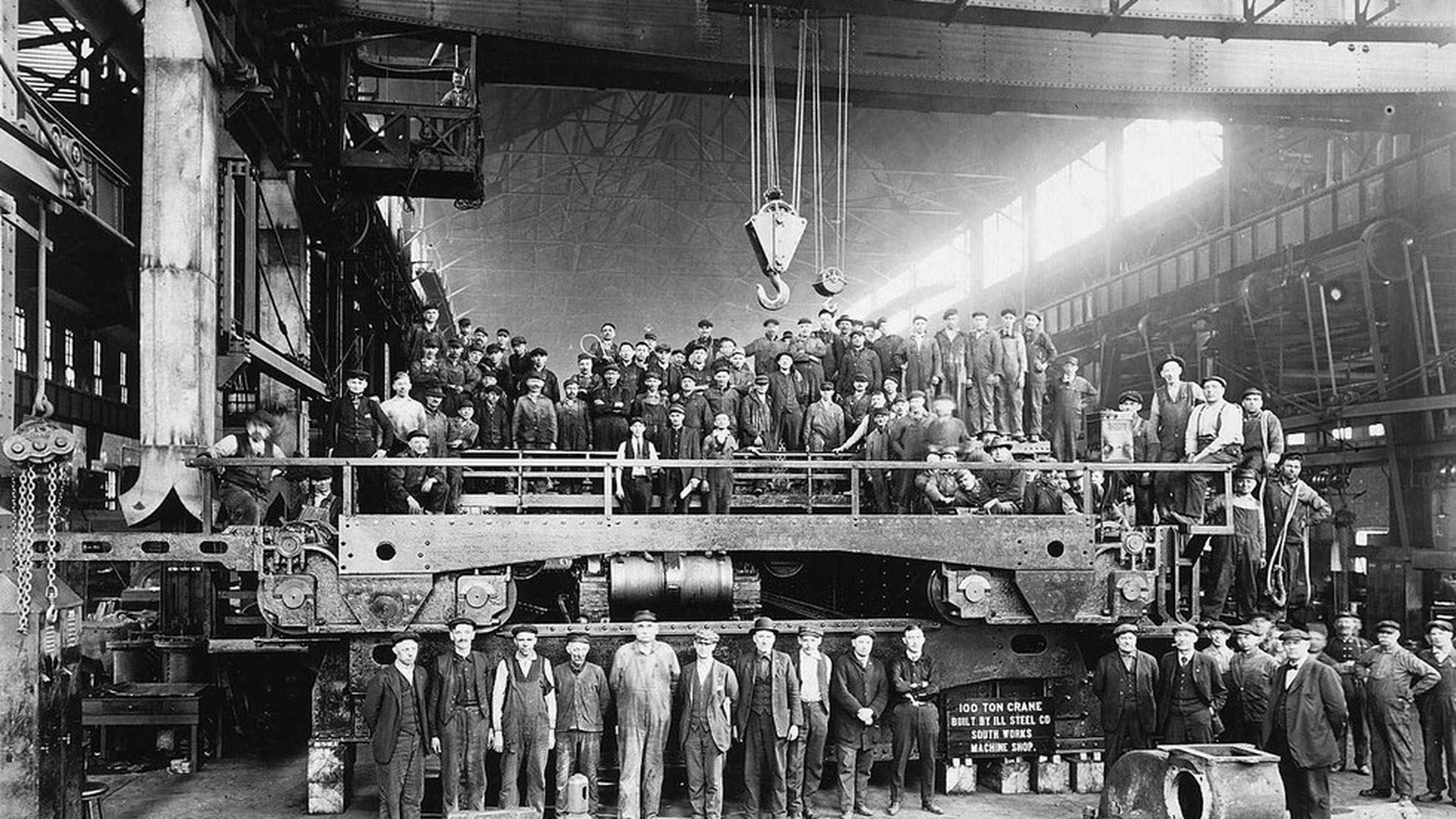
People worry that automation will drastically affect wages for those humans who manage to keep their jobs, and that's fair: it took more than 1.5 centuries for workers' wages to recover after the Industrial Revolution, per The Economist.
The introduction of machines and tools created a significant demand for unskilled labor (it rose from 20% of the workforce to 39% from 1700 to 1850). Machines either pushed craftsmen out of the labor market completely, or encouraged employers to decrease their workers' wages. The Economist cites this exact situation in which wages fell drastically in the early 1800s, not recovering until 1960.
Why it matters: That's a long time for wages to recover, and machines have become increasingly advanced since 1960. Most of them, at least in some industries like manufacturing, are introduced to eliminate the need for workers or, ultimately, they alter the way employers think about workers' wages in an age where cost-effective and time-saving machines are becoming ubiquitous.

The FBI isn't releasing Comey memos to media
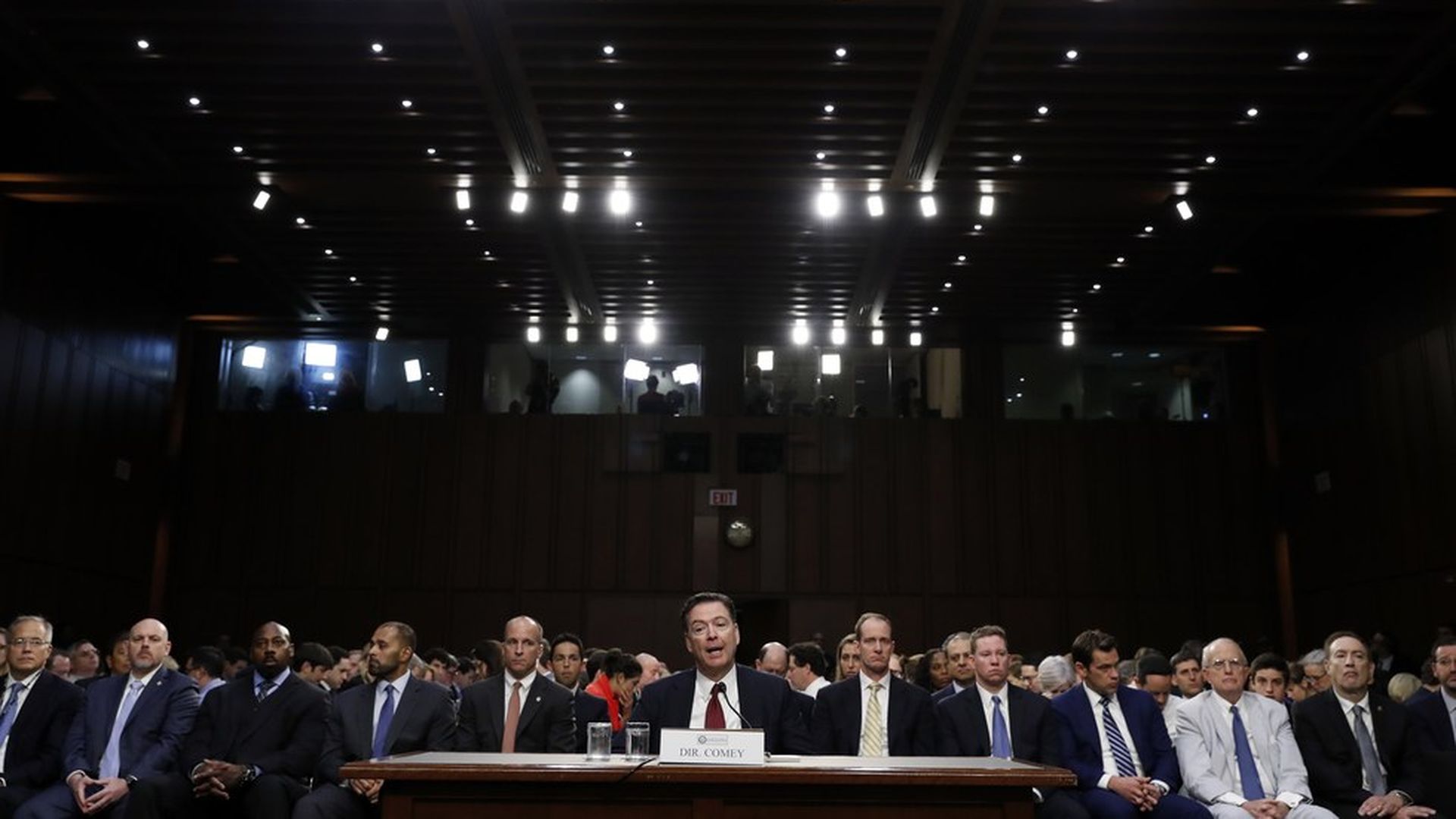
BuzzFeed News reports the FBI refused to hand over James Comey's memos that he wrote after his interactions with Trump because they could "reasonably interfere" with a "pending or prospective law enforcement proceeding." This was in response to a FOIA request.
What to expect: This exemption from fulfilling the FOIA requests is consistent with the protections the exemption option provides, according to Steven Afterwood, director of the Project on Government Secrecy at the Federation of American Scientists.
What it means: Afterwood said once the probes are over there will be no reason to withhold the documents. Keep in mind, lawmakers have requested the Comey memos be turned over, too. So until the public sees the memos, Trump testifies under oath about the interactions, or the lawmakers get those documents, it's going to continue to be a he-said he-said situation between Comey and Trump at their meetings.

Prisoners are now using drones for drug delivery
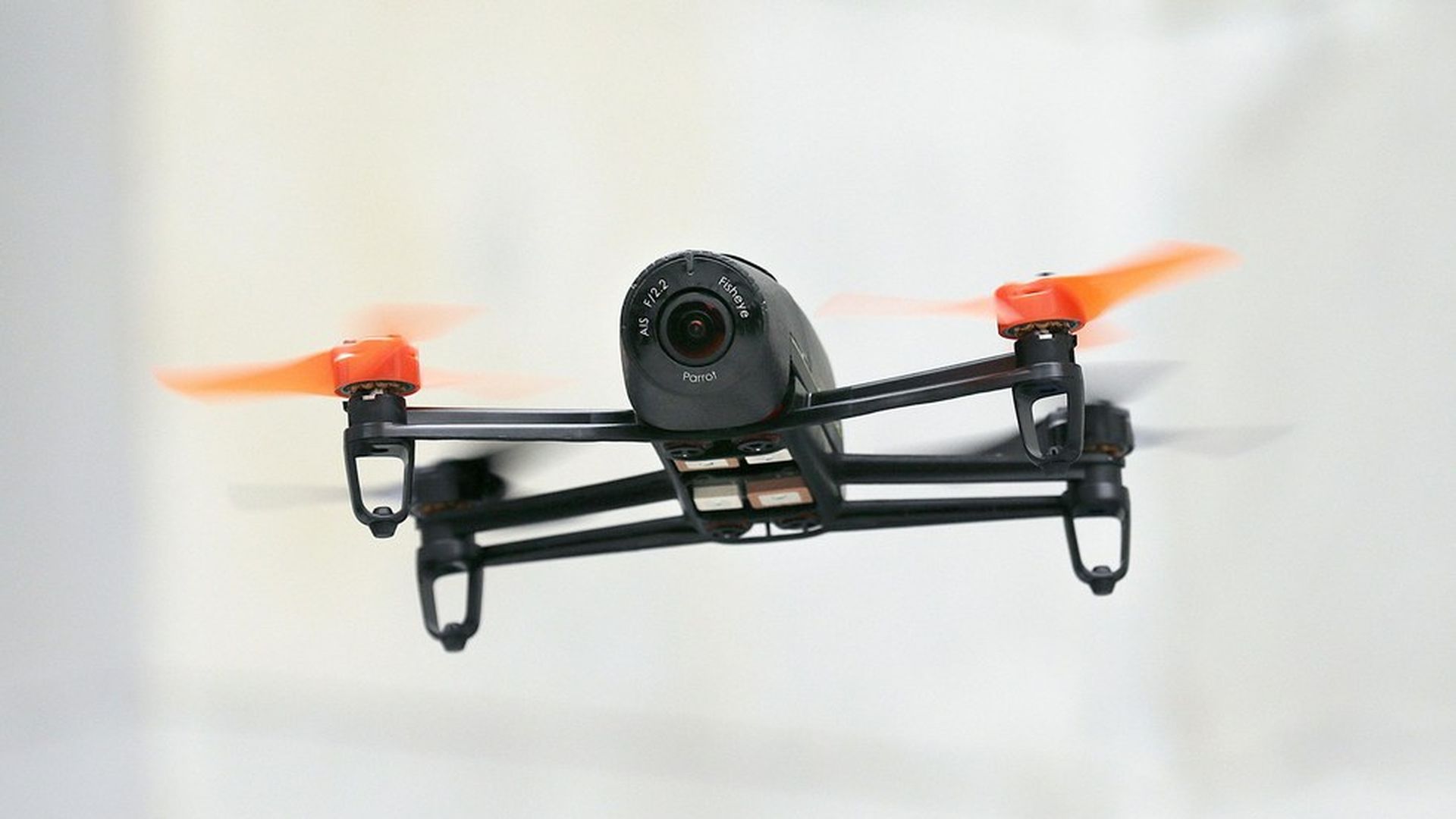
Drones are quickly becoming a popular tool for companies around the world, from Amazon to a Swedish institute is testing the delivery of defibrillators to heart-attack patients. And now, even prisoners are using civilian drones to have contraband delivered to them within prison walls, NY Daily News reports.
Inmates are recognizing drones' "potential value as tools for bad deeds," per the Daily News. In the past five years, there have been over a dozen attempts to transport things like porn, drugs, and mobile phones into federal prisons, according to documents obtained by USA TODAY.
Why it matters: In the past, inmates bribed visitors or guards to sneak them things like drugs or other small items, but drones open up "the possibility of transporting much bigger and much more lethal items like guns" into the facility.

Sam Altman grapples with tech’s political moment

Y Combinator chief Sam Altman has been an influential voice in the tech world since he took over the startup accelerator in 2014, thanks to the organization's track record of picking startups that win big. Now the Trump era has nudged him into politics.
In recent months Altman has met with Trump voters, worked on an "ethics pledge" for tech, and tried to recruit a candidate for governor of California — sparking chatter he might run himself. He pushed back on that talk, though later told Axios:
"I've learned a long time ago, I don't talk about things YC is going to do, I don't talk about things I'm going to do until we do them, just as a matter of policy."