Monday's economy stories

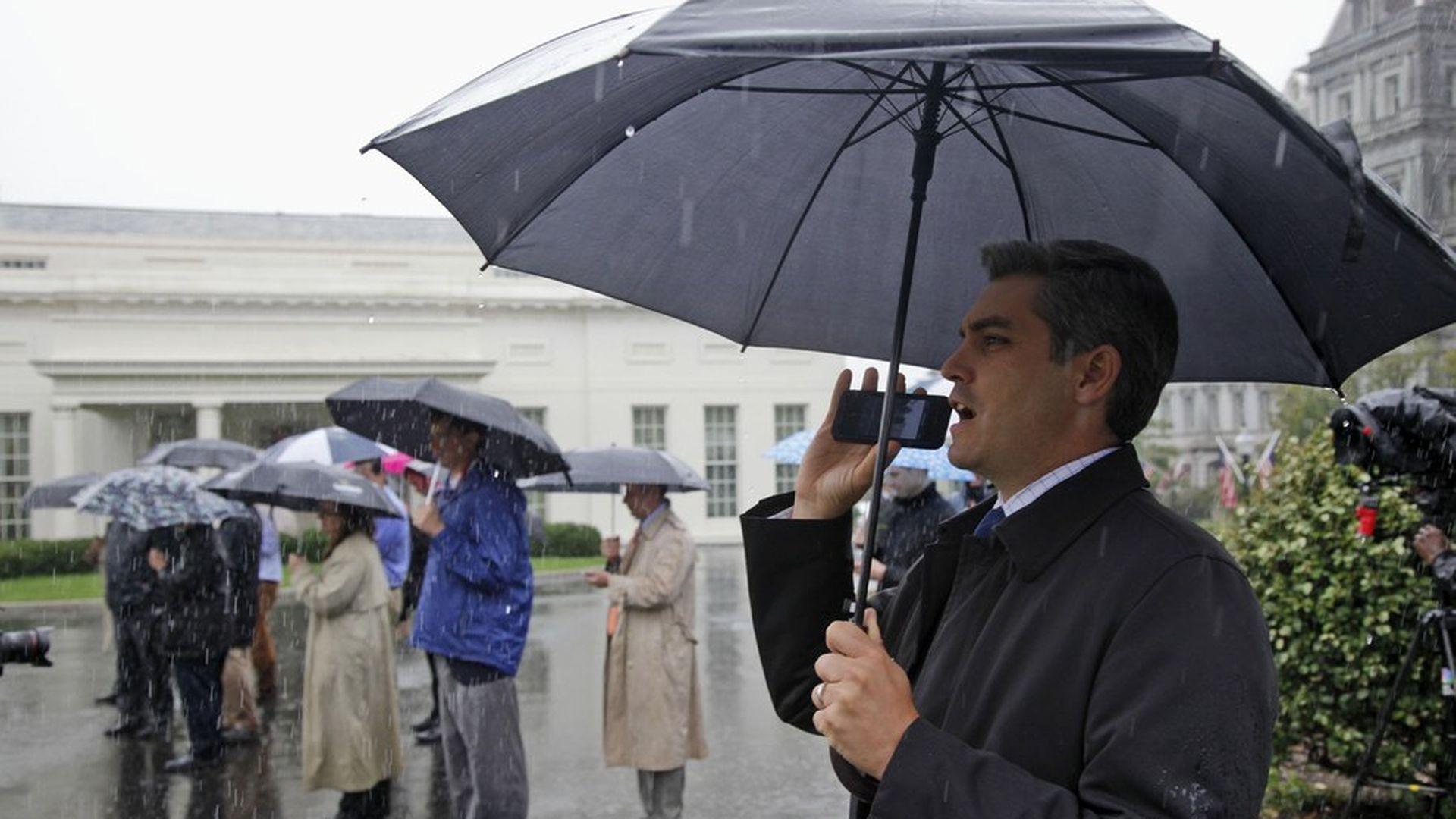
CNN's Acosta: White House is stonewalling the media
Jim Acosta, CNN's Senior White House correspondent, slammed the Trump administration on Twitter Monday for hosting press briefings off-camera and without audio, as was the case with Sean Spicer's press briefing this afternoon.
"Make no mistake about what we are all witnessing. This is a WH that is stonewalling the news media. Hiding behind no camera/no audio gaggles. There is a suppression of information going on at this WH that would not be tolerated at a city council mtg or press conf with a state gov. Call me old fashioned but I think the White House of the United States of America should have the backbone to answer questions on camera."
Why it matters: The White House has been increasingly cutting down on the number of press briefings, and access to those briefings, and many reporters argue that the limitations undermine the purpose of the briefings altogether: being transparent in sharing information with the public.

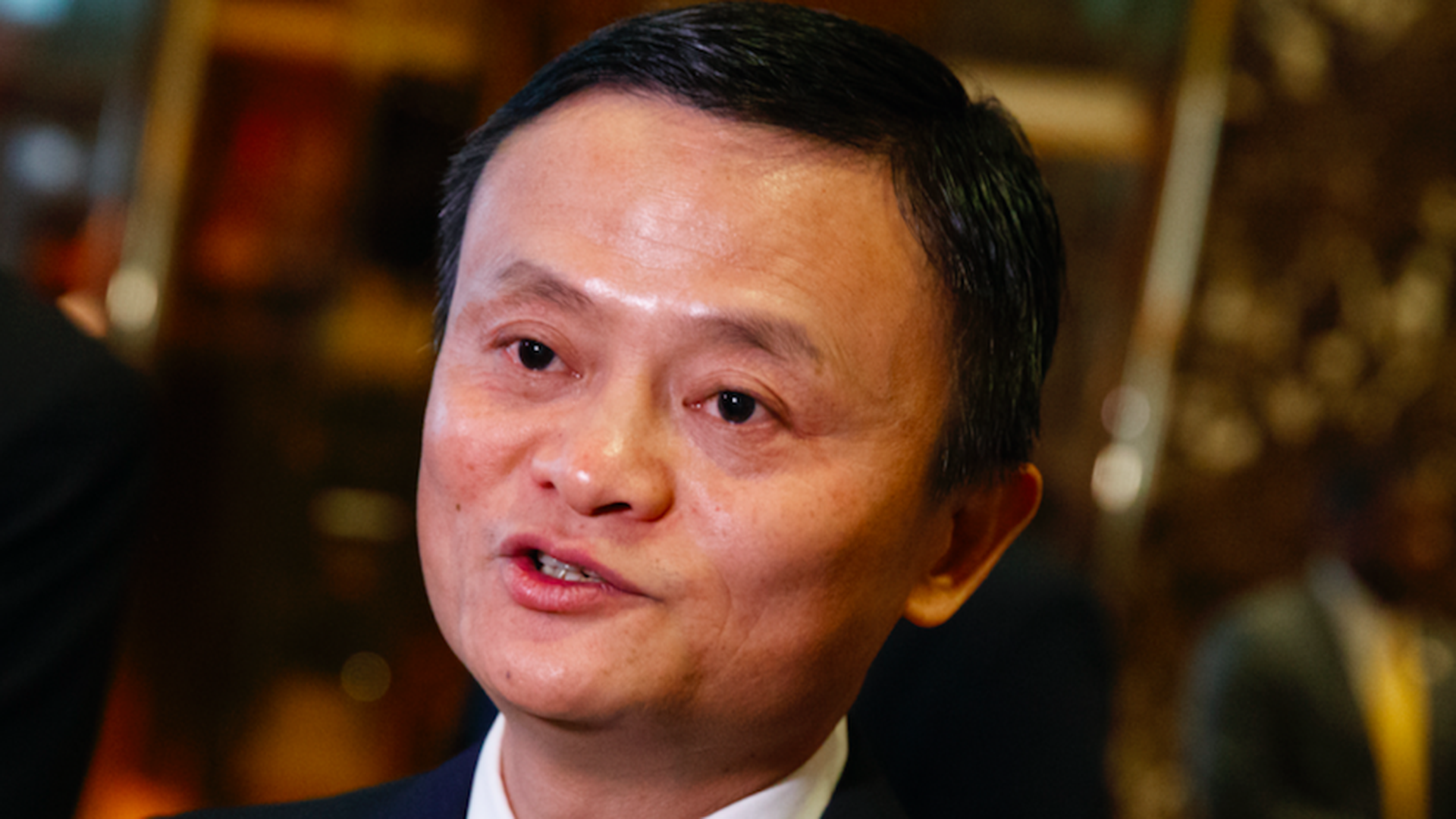
Jack Ma recruits U.S. small businesses to sell to China
Alibaba CEO Jack Ma has pledged that the e-commerce giant will create 1 million U.S. jobs within 5 years. That plan means increasingly bringing U.S. businesses onto its platform, enabling higher sales to China's rapidly growing consumer base, and Ma is trying to recruit U.S. vendors this week at Alibaba's Gateway conference in Detroit.
But for mom and pop stores around the country, selling to Chinese consumers won't be as easy as it was catering to Americans using online platforms like Amazon, as Bloomberg reports.
Reasons for skepticism: U.S. businesses are hungry to reach the half-billion shoppers on Alibaba sites, but hurdles like language, regulations and consumer understanding remain. University of California business professor Christopher Tang tells Bloomberg, "The market for goods is already saturated," and that domestic Chinese business are more than able to meet growing local consumer demand.

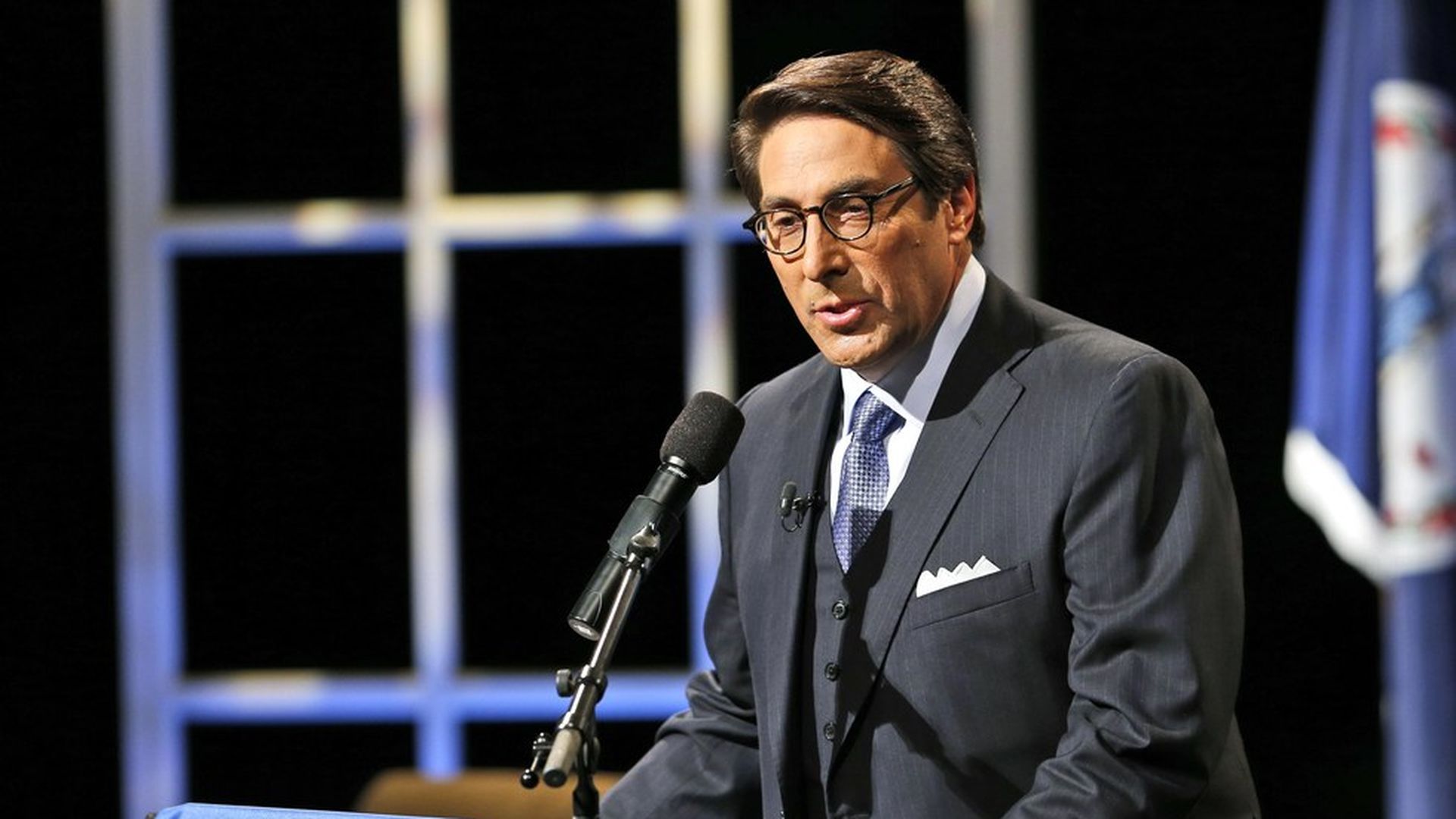
Meet Jay Sekulow, Trump's TV lawyer
Jay Sekulow, a member of President Trump's legal team, raised eyebrows Sunday as he hopped from network to network defending Trump against reports that he's under investigation for obstruction of justice, until he fumbled while being interrogated by Fox News' Chris Wallace, and admitted he doesn't know for sure what Special Prosecutor Robert Mueller is investigating.
That misstep was not due to inexperience on TV — Sekulow regularly appears as a legal analyst on Fox News Channel, The 700 Club, and Sean Hannity's radio show. Sekulow has grown famous for his work with the religious-right, such as in his defense of the American Center for Law and Justice (ACLJ).
Expect to see a lot more of Sekulow, who has essentially stood in for members of the administration on the Sunday shows for two weeks running.

How AI is taking over the global economy in one chart
For decades, corporate America has spurned big-lab research-and-development spending, the type that delivered the dizzying and broad tech and economic progress of the last century. But a belief that artificial intelligence is going to drive the next big economic wave has led today's largest companies — like Google, IBM and Microsoft — to revert to the old, ambitious R&D model. And their Chinese competitors — Baidu and Alibaba — aren't far behind.
These five companies — plus Amazon, Facebook and Google — combined are investing more in research and development than many entire economies. In 2015, for instance, the entire U.K. economy — companies and the government — invested $53.8 billion in R&D, less than the $58.2 billion posted by the big eight. Take a look at the chart below.
How to get rich as AI takes over the world
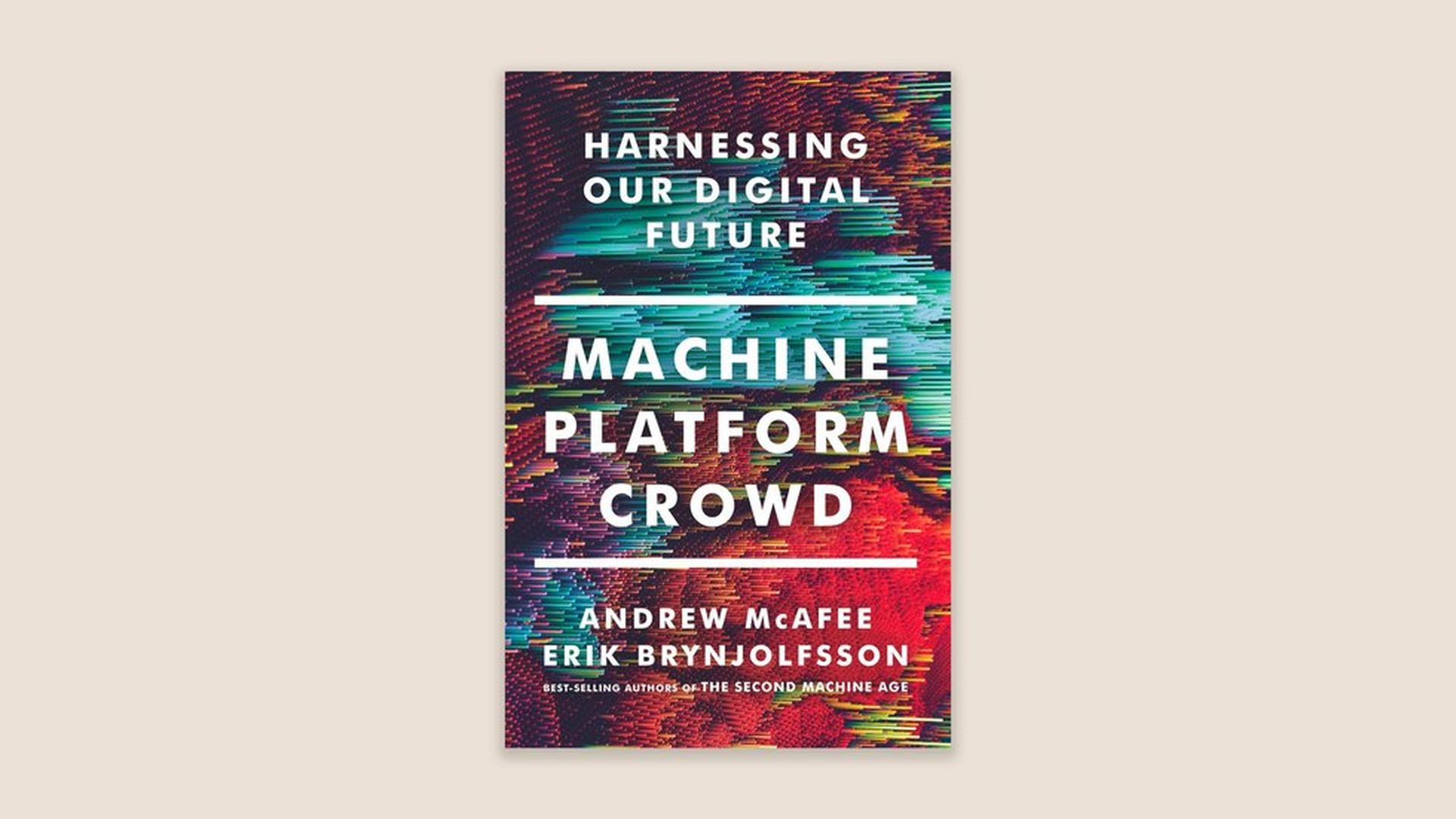
In 2014, MIT economists Andrew McAfee and Erik Brynjolfsson created a new zeitgeist with a book declaring The Second Machine Age — a time of technological advancement as revolutionary as the first machine age that saw the widespread adoption of electricity and the automobile.
Now they are back with Machine, Platform, Crowd, a guide for business leaders through the thicket presented by artificial intelligence, tech companies with tremendous reach, and the power of the crowd.
Thought bubble: McAfee and Brynjolfsson have delivered another smart roadmap for business executives. But not so much for society, for whom they have two simple messages: buckle up, and kill before being killed. That's not good enough. Our political leaders, for starters, sorely need advice for navigating internet-fomented hacking and cyber crime.