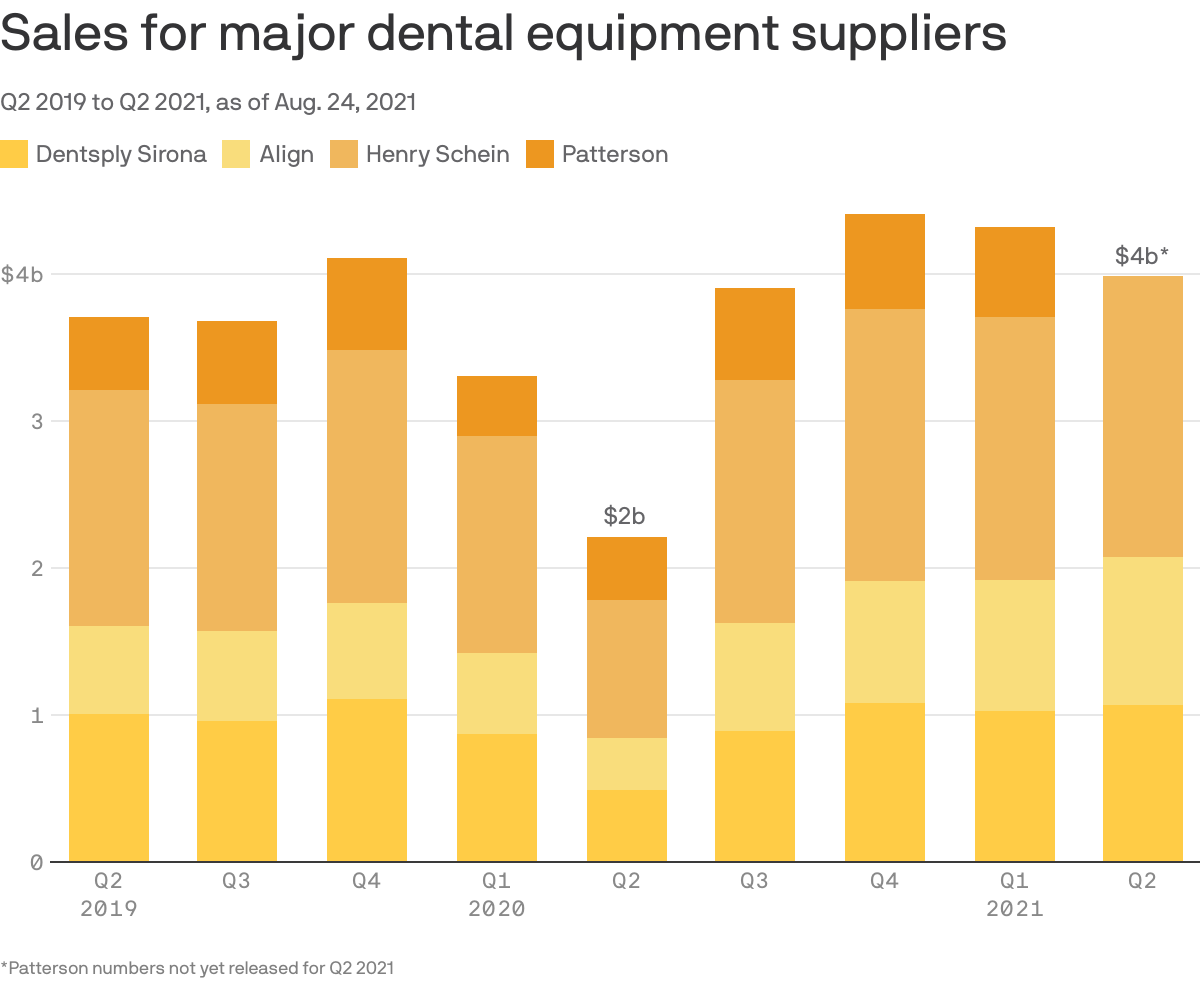
People are back to cleaning and fixing their teeth.
The big picture: The coronavirus almost completely halted the operations of dentists and orthodontists last spring. But since then, sales of dental equipment and supplies have doubled over the past year as more people got vaccinated and returned to their dentists' offices.
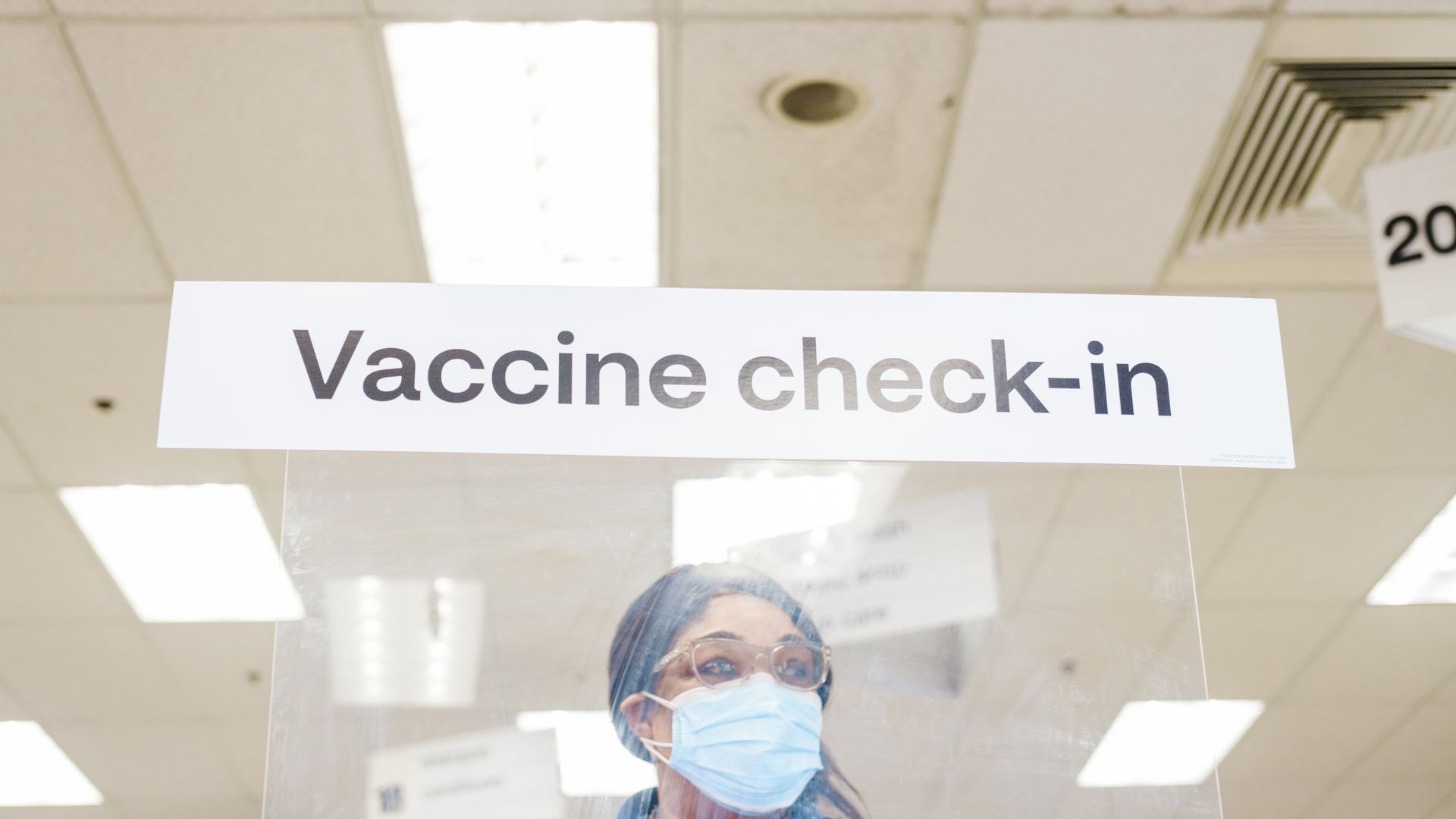
CVS Health will require patient-facing employees and all corporate staff to be fully vaccinated against COVID-19 by Oct. 31, the company announced on Monday.
Driving the news: Now that the Pfizer vaccine has been approved by the FDA, it's likely more companies will impose vaccination requirements. The share of job postings on Indeed requiring vaccination has jumped 90% in just the last month, Axios' Erica Pandey reports.
Ramp, a New York-based corporate card and spend management platform, raised $300 million in Series C funding at a $3.9 billion valuation led by Founders Fund. It also acquired Buyer, a "negotiation-as-a-service" platform focused on large purchases like annual software contracts.
Why it matters: Ramp tries to differentiate itself from rivals by emphasizing its spend management tools, but venture capitalists aren't taking the thrifty hint.
Airbnb will begin housing 20,000 Afghan refugees globally starting Tuesday, founder and CEO Brian Chesky tweeted Tuesday.
Why it matters: "The displacement and resettlement of Afghan refugees in the US and elsewhere is one of the biggest humanitarian crises of our time," Chesky wrote in a thread. "We feel a responsibility to step up."
Adam Boehler was one of very few VC-backed founders who joined the Trump administration, leaving Landmark Health in 2018 to become director of the Center for Medicare and Medicaid Innovation. Now he's back in the private sector, with a new startup that wants to disrupt the kidney care market.
Why it matters: The CDC estimates that 15% of U.S. adults suffer from some form of chronic kidney disease, including more than 38% of those over 65 years old.
The FAA is announcing $20.4 million in grants to airports for using zero-emissions vehicles and electrifying equipment that currently relies on fossil fuels.
Why it matters: While next-wave, future aviation/aircraft techgets lots of attention, nuts and bolts equipment at airports is decidedly low-tech (think diesel generators and dirty shuttle buses) and ripe for the deployment of existing and mature low-emissions systems.
Peloton will sell its Tread treadmill model with new safety features in the U.S., UK and Canada on Aug. 30 and in Germany later this fall, the company announced Tuesday.
Why it matters: The move comes three months after the company recalled its Tread and Tread+ models due to reports of small children being injured and even killed beneath the machines.
It’s taking longer for businesses to get stuff delivered from their suppliers.
Why it matters: On one hand, supply chain delays are known to fan inflation as sellers can get buyers to pay higher prices for a smaller number of goods. On the other hand, these delays also reflect that the demand for goods remains robust, which is a bullish sign for the economy.
The number of homes available for sale is rising, which is good news for prospective buyers who have been getting priced out of the market.
Why it matters: Home prices finally started to pull back in July as inventories rose. Prices had been surging over the last year as low mortgage rates and the sudden desire for more space caused housing demand to outstrip new supply.
Your menu options, if you happen to find yourself in the first-class cabin of a Delta flight from Seattle to Boston this fall:
Skagit River Farms Polish kielbasa with Beecher’s cauliflower mash, or pan-roasted chicken with fingerling potatoes, Skagit River Farms bacon and Walla Walla caramelized onions in a kimchi butter sauce.
What's happening: Airlines are trying to win back premium customers with better in-flight meals featuring fresh, local fare, a J.D. Power travel analyst tells Axios.
Carriers are adding gourmet-sounding seasonal foods and craft beers to entice their customers to be happier — and to pay more.
Flashback: It started with gourmet vendors in airports.
"What we’ve seen is that people are more willing to pay a higher price for local food ... like crabcakes in Baltimore, or a moon pie in Kentucky," said Michael Taylor, leader of J.D. Power's travel practice.
At my home airport in Detroit, that means Plum Market with Zingerman's famous sandwiches (the crusty bread is amazing), or Grobbel's Gourmet Deli, known for its mouth-watering corned beef.
Airlines followed suit, experimenting with premium-cabin meals featuring distinctive flavors inspired by chefs at some of the country's most popular restaurants — a far cry from "the feather or the leather."
But then COVID-19 hit. Many airlines stopped serving meals altogether or switched to sealed plastic containers.
Now, they're trying to lure us back with coast-to-coast or trans-ocean menu offerings like:
Alaska Airlines: Guajillo chile-lime salad with ancient grains, roasted broccoli and sweet potato with a roasted lemon crema, and miso-marinated cod with sesame garlic farro, sauteed yu choy, bell peppers and shiitake mushrooms in a sesame-miso butter sauce.
JetBlue: Build-your-own meal (even in coach!) like roasted chicken thigh over a base of brown rice with herbs, or spiced eggplant over coconut cauliflower quinoa, with sides of mac and cheese and a mixed heirloom tomato salad sourced from Dig Acres in upstate New York.
United Airlines: Egg scramble with plant-based chorizo, or grilled chicken breast with orzo and lemon basil pesto — with a chocolate "Pie in the Sky" dessert specially created by Chicago-based Eli's Cheesecake.
Then wash it down with a local craft beer or curated regional wine.
The catch: Sourcing local ingredients for airlines that hop all over the country — or the world — can be tricky.
Some airlines aim to reduce the logistical challenge by requiring customers to pre-order their selections.
What to watch: COVID isn't going anywhere — and, with cases rising, the Federal Aviation Administration is likely to extend its mask requirement, currently scheduled to expire Sept. 13.
In-flight meals might be tastier, but eating them will remain a challenge.
Last week's decision by OnlyFans to ban "sexually explicit" content not only raised questions about the platform's future, but also sparked panic among the sex workers who made it so popular in the first place.
Why it matters: OnlyFans has been a safe space for sex workers, allowing them to make a living without in-person interactions.
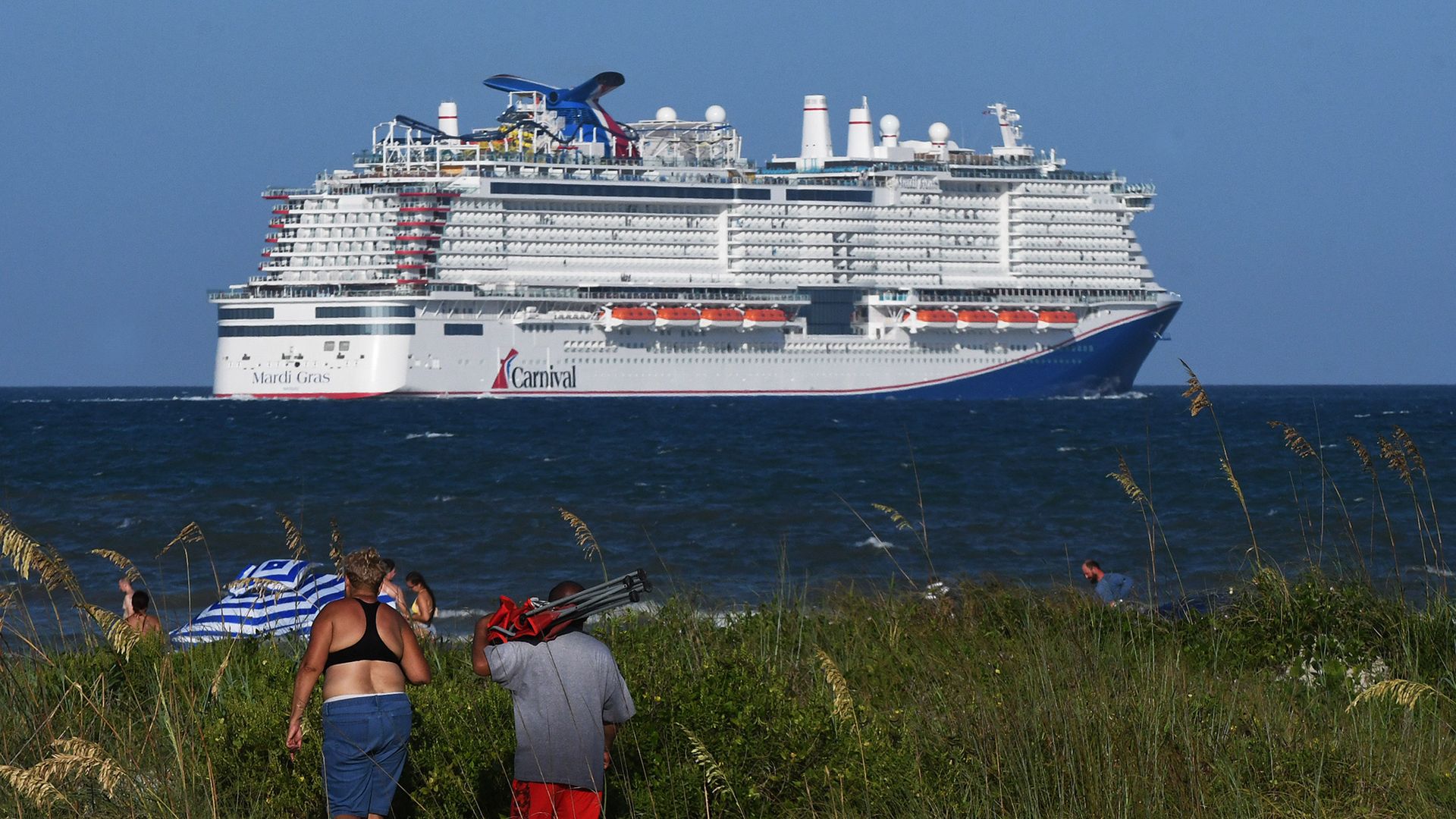
Cruise lines are tightening pandemic protocols as the Delta variant of COVID-19 surges globally, with Carnival Cruise Line the latest to tighten vaccine requirements.
Why it matters: Cruise ships were a coronavirus epicenter early in the pandemic, and the CDC advised last Friday that people at increased risk of severe illness from the coronavirus should avoid traveling on cruises.