Saturday's scene of a burning jet landing safely back at the airport harkens back to the day when Boeing was an engineer-driven company known as the gold standard for aviation safety.
Why it matters: That reputation took a major blow after two crashes involving the 737 MAX. Boeing has since spent billions, and the FAA has sought to overcome its own reputational hit, reengineering and re-certifying the MAX in pursuit of the same long-term safety record as its earlier airliners.
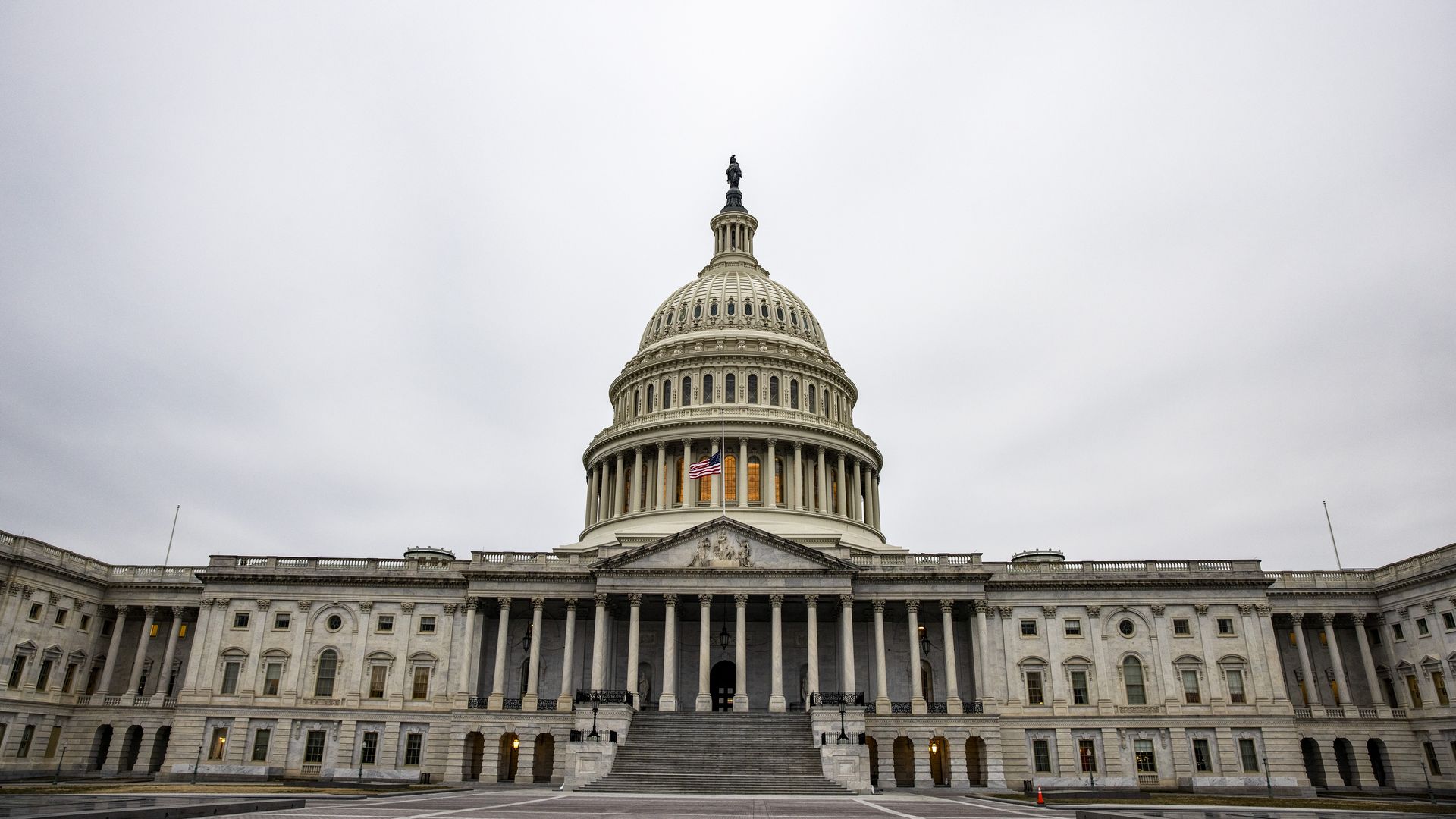
BuzzFeed News on Tuesday filed a lawsuit against the U.S. Capitol Police for records related to the Jan. 6 insurrection.
Why it matters: TheCapitol Police is an extension of the legislative branch and therefore not subject to Freedom of Information Act requests. USCP has been largely uncommunicative with the media since the insurrection.
Many companies last month stopped making political donations, particularly to those who voted against certifying the presidential election results. The movement owed much to a CEO meeting held just hours before the Capitol Hill insurrection.
Axios Re:Cap talks with Yale School of Management's Jeffrey Sonnenfeld, who convened that gathering, who says CEOs are standing firm.
SoftBank and former WeWork CEO Adam Neumann are nearing a detente in their long-running legal battle, as first reported by WSJ and confirmed by Axios.
Why it matters: WeWork isn't a party to the litigation, but having it settled would help smooth the company's post-pandemic path, which is expected to include a second stab at the public markets.
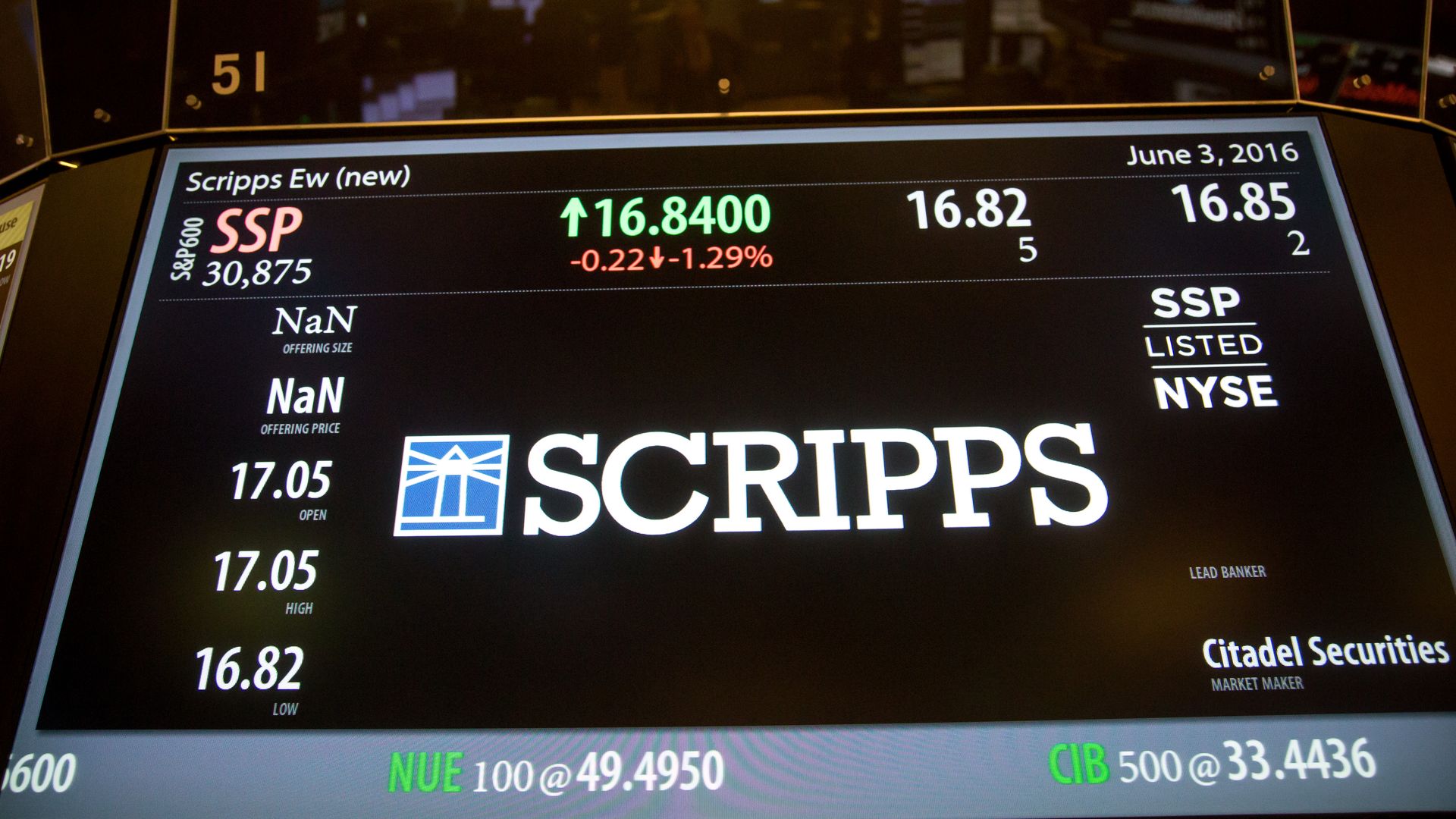
E.W. Scripps is planning to create new national lifestyle networks that will leverage its recent $2.65 billion acquisition of national broadcast company ION, sources tell Axios.
The big picture: The company, founded in 1878, has managed to survive by gradually spinning off its newspaper business while simultaneously acquiring and then reimagining its television assets.
A nonprofit consortium of nonprofit journalism organizations had a record 28% membership growth last year.
Why it matters: The COVID-19 pandemic has pushed some struggling newsrooms to embrace the nonprofit model, an arrangement that allows news companies to accept charitable donations while still being able to sell ads and subscriptions.
Tech stocks suffered some big losses on Monday, as the specter of higher U.S. borrowing costs continued to weigh on their share prices, while bullish vaccine expectations helped make the Dow the only major U.S. index to end in the green.
What happened: The benchmark 10-year Treasury yield rose to 1.37%, a fresh one-year high, showing investors remain bullish on the economy and a recovery in inflation.
Trust in the Federal Reserve was unmoved from its late January level, as overall positive momentum for the central bank's trust among Americans looks to have stalled out just below 40%, according to the latest Axios/Ipsos poll.
Why it matters: Fed chair Jerome Powell will head into his testimony with Congress over the next two days to make his case that the Fed's current take on monetary policy is helping Americans.
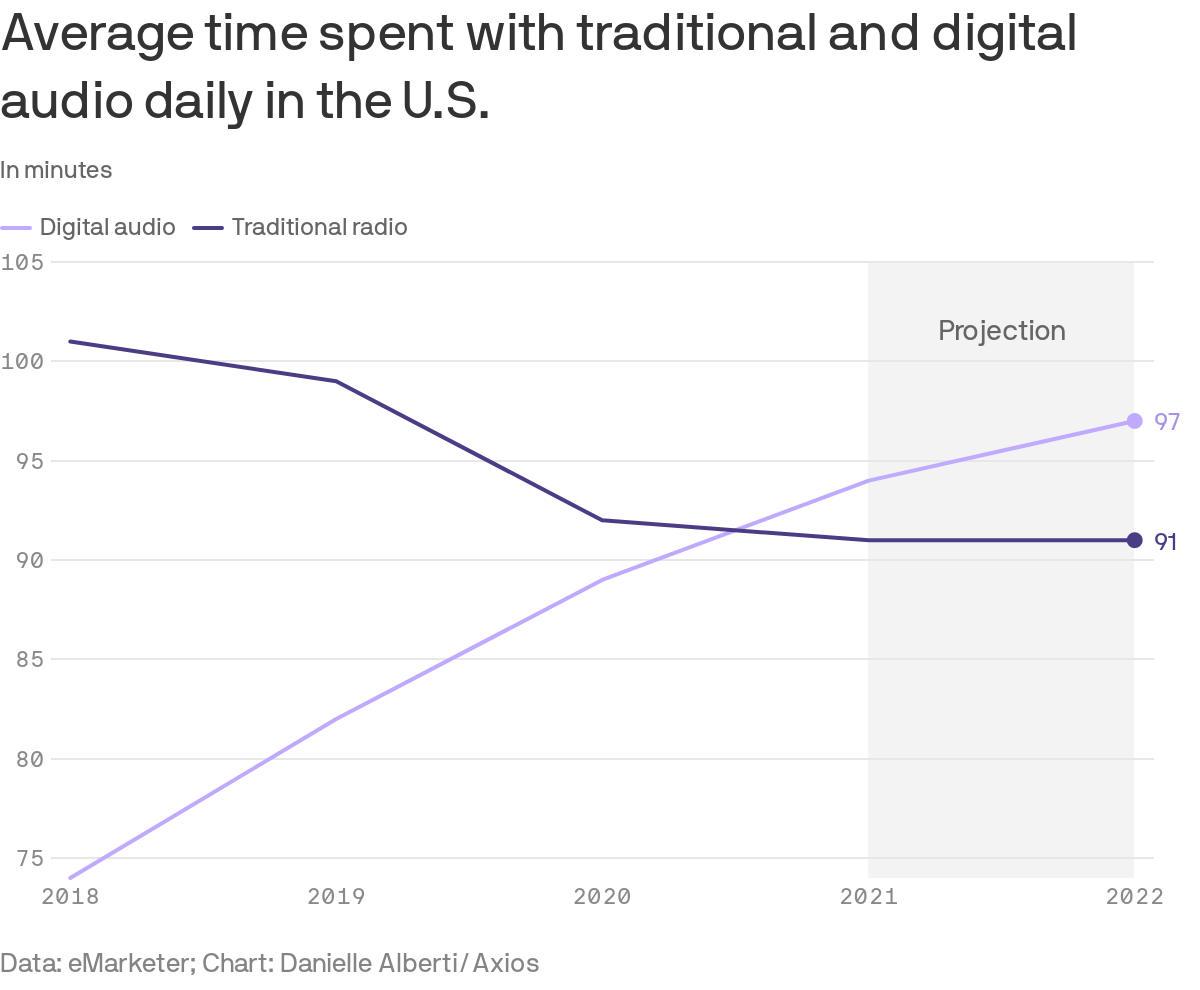
Spotify on Monday announced a new advertiser network called the Spotify Audience Network that will combine all of the audio streaming giant's music and podcast ad inventory in one place when it launches in coming months.
Why it matters: The first-of its kind digital audio network will make it possible for marketers to be able to run targeted digital audio ads at scale, similar to what they are able to do now with banner ads or search ads on Facebook and Google.
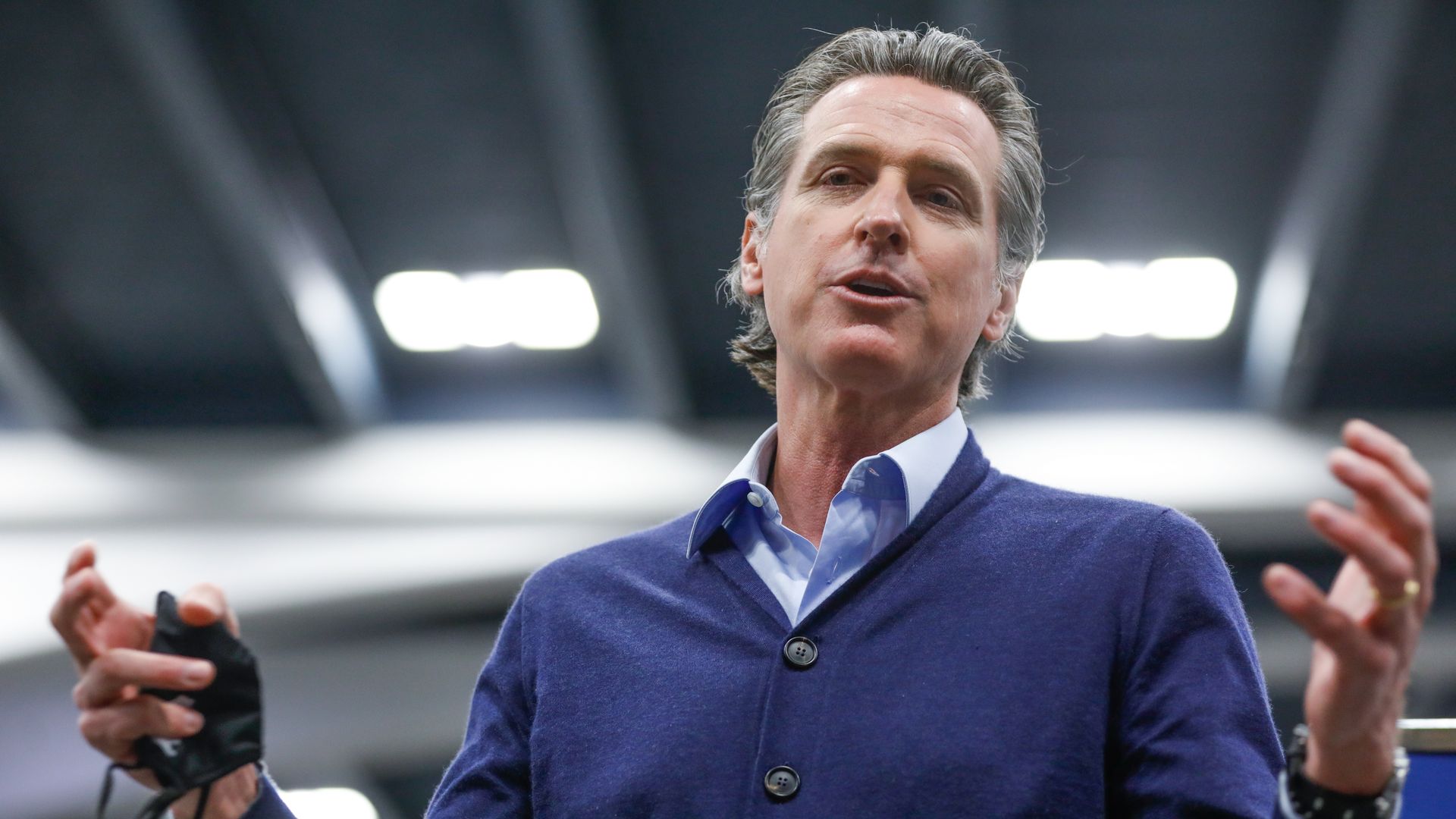
California Gov. Gavin Newsom (D) has pledged to sign into law Tuesday a measure to provide some 5.7 million people with at least $600 in one-off payments as part of a state COVID-19 relief package.
Driving the news: State lawmakers on Monday overwhelmingly voted for the bill, designed to help people on lower incomes through the pandemic.