Snapchat's stock was down in after-hours trading Thursday, despite beating Wall Street expectations on user growth, as well as top and bottom lines.
Why it matters: The camera company warned investors that its forecast for this quarter would be lower than expected, in part due to a drop in advertiser demand in the two weeks following the Capitol siege, as well as upcoming Apple privacy changes.
Jeff Bezos this week announced plans to retire as CEO of Amazon, which he founded and helped turn into one of the world's most successful and significant companies.
Axios Re:Cap digs into what's next for Bezos and for Amazon — and Bezos' place in the innovators pantheon — with Steve Jobs' biographer Walter Isaacson, a former Time Magazine editor who put Bezos on the cover in 1999 and who more recently penned the forward to a collection of Bezos' writings.
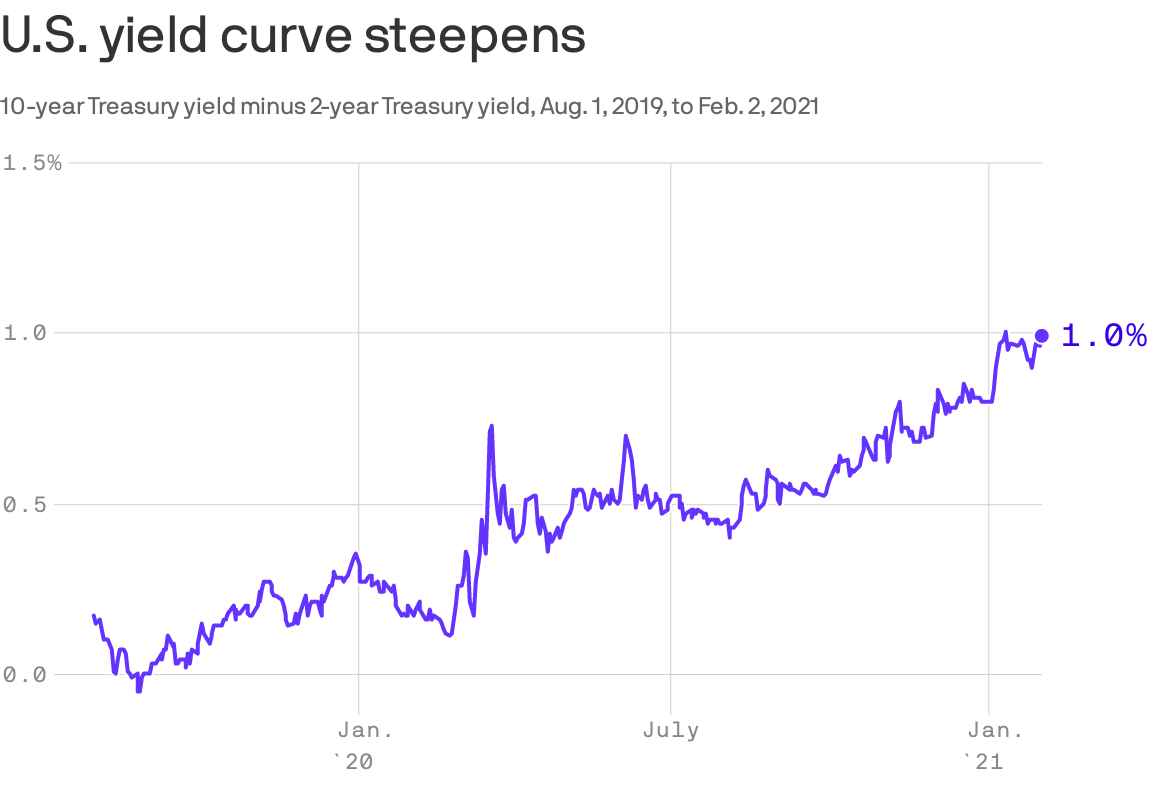
The markets are more optimistic about growth and inflation than they have been in over four years.
Driving the news: That's the signal being sent by the U.S. Treasury bond yield curve, where 10-year notes now yield a full percentage point more than their one-year equivalents.
Every startup founder and investor in Silicon Valley is chasing the coveted "tech multiple" — and Robinhood is no exception.
Why it matters: Technology companies are supposed to scale easily: Once you've built the platform, more users just mean more profit. By that standard, Robinhood just found out the hard way that it really isn't a tech company at all.
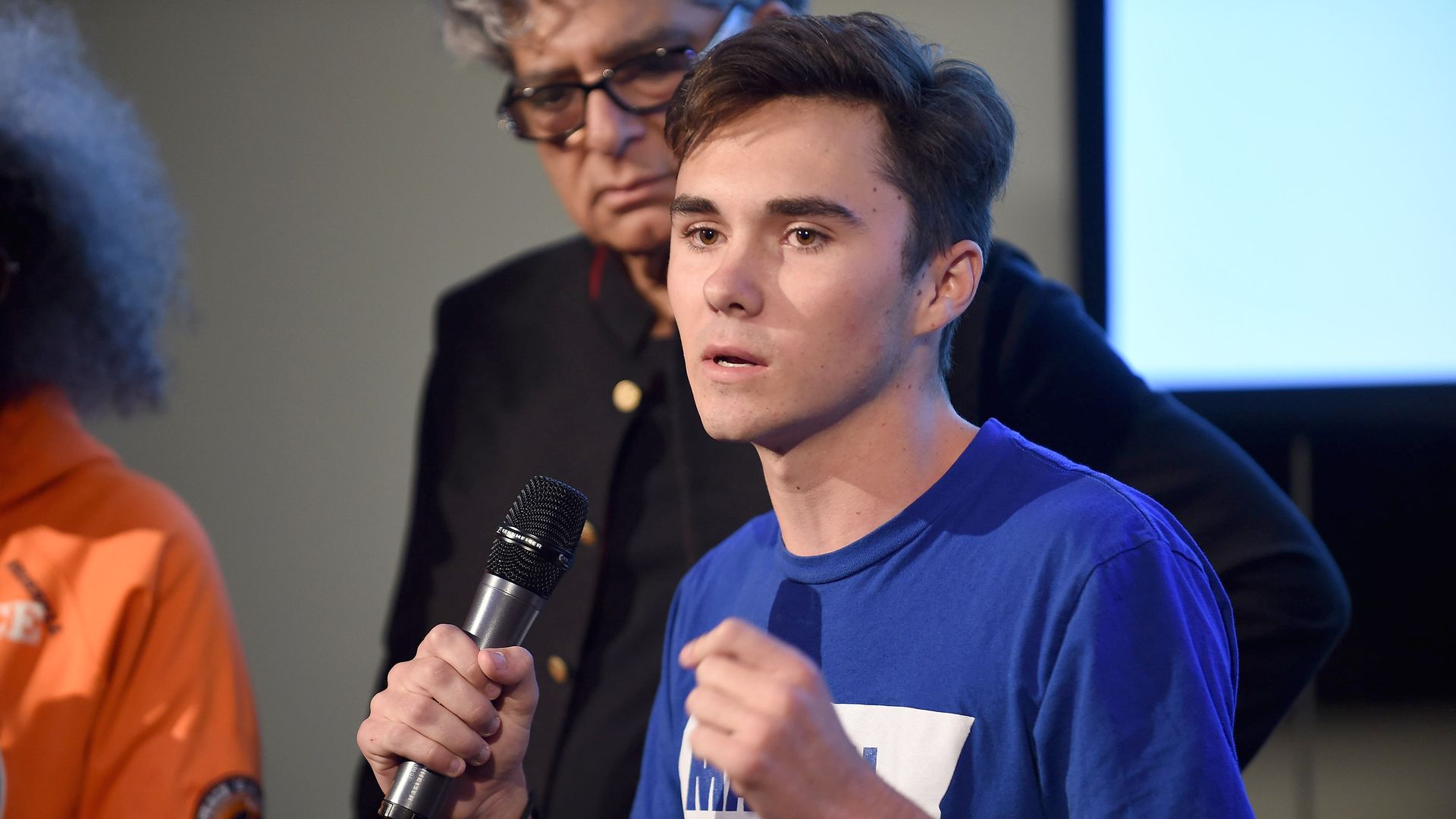
March for Our Lives co-founder David Hogg tweeted on Thursday that he and software developer William LeGate are launching a pillow company to compete against MyPillow, which is led by Trump supporter CEO Mike Lindell.
Driving the news: Lindell is one of former President Trump’s most adamant defenders and has repeatedly shared unsubstantiated conspiracy theories about the election since President Biden took office.
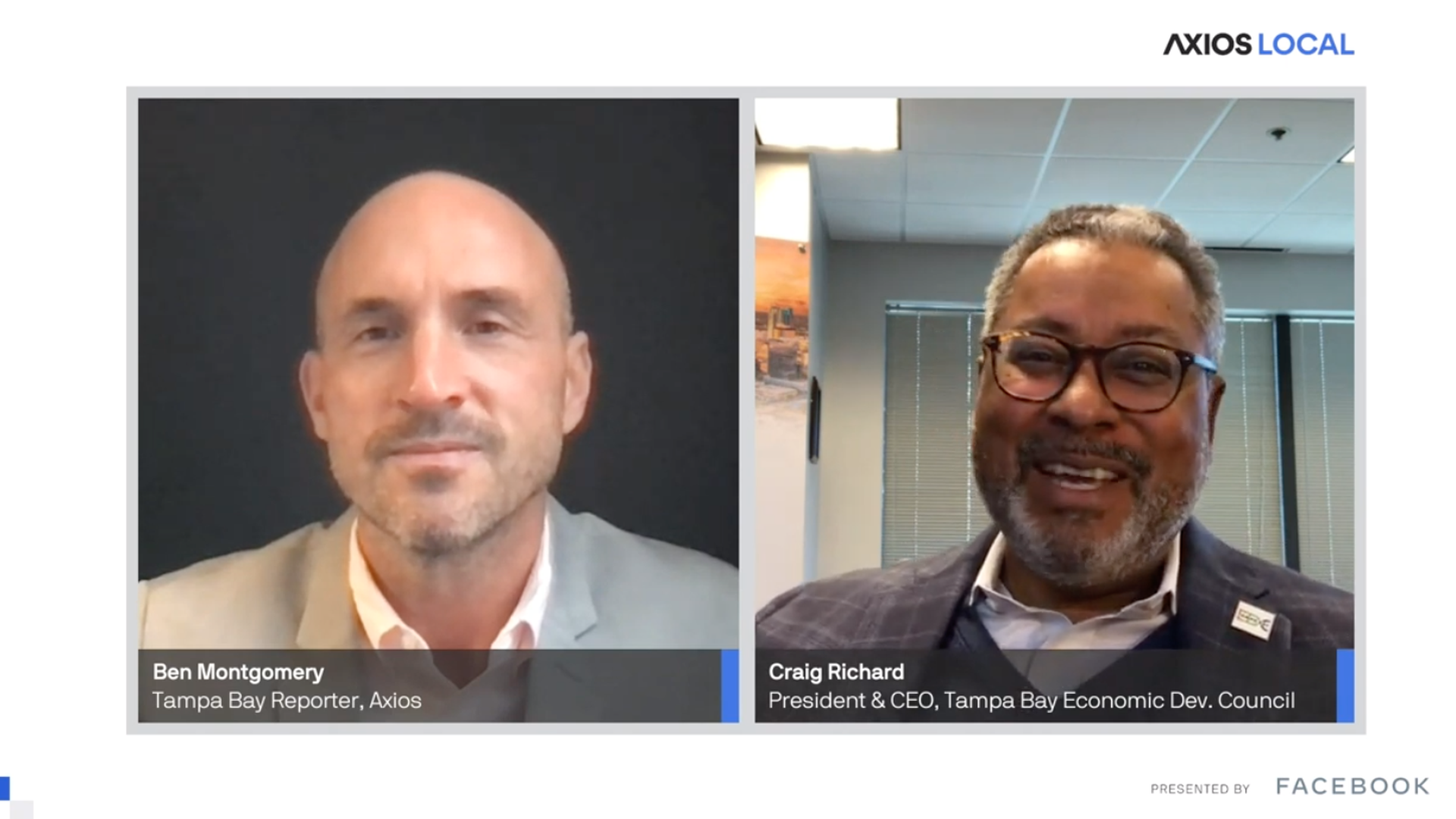
Improving transportation and infrastructure in Tampa could drive significant economic growth, Tampa Bay Economic Development Council CEO Craig Richard said on Thursday at an Axios virtual event.
The big picture: Tampa has buses for public transportation and has improved its biking and pedestrian access in recent years. But the city does not have a rail system outside of the TECO line streetcar, which is not high-speed and has limited reach. Some infrastructure throughout Hillsborough County is also in need of repair.
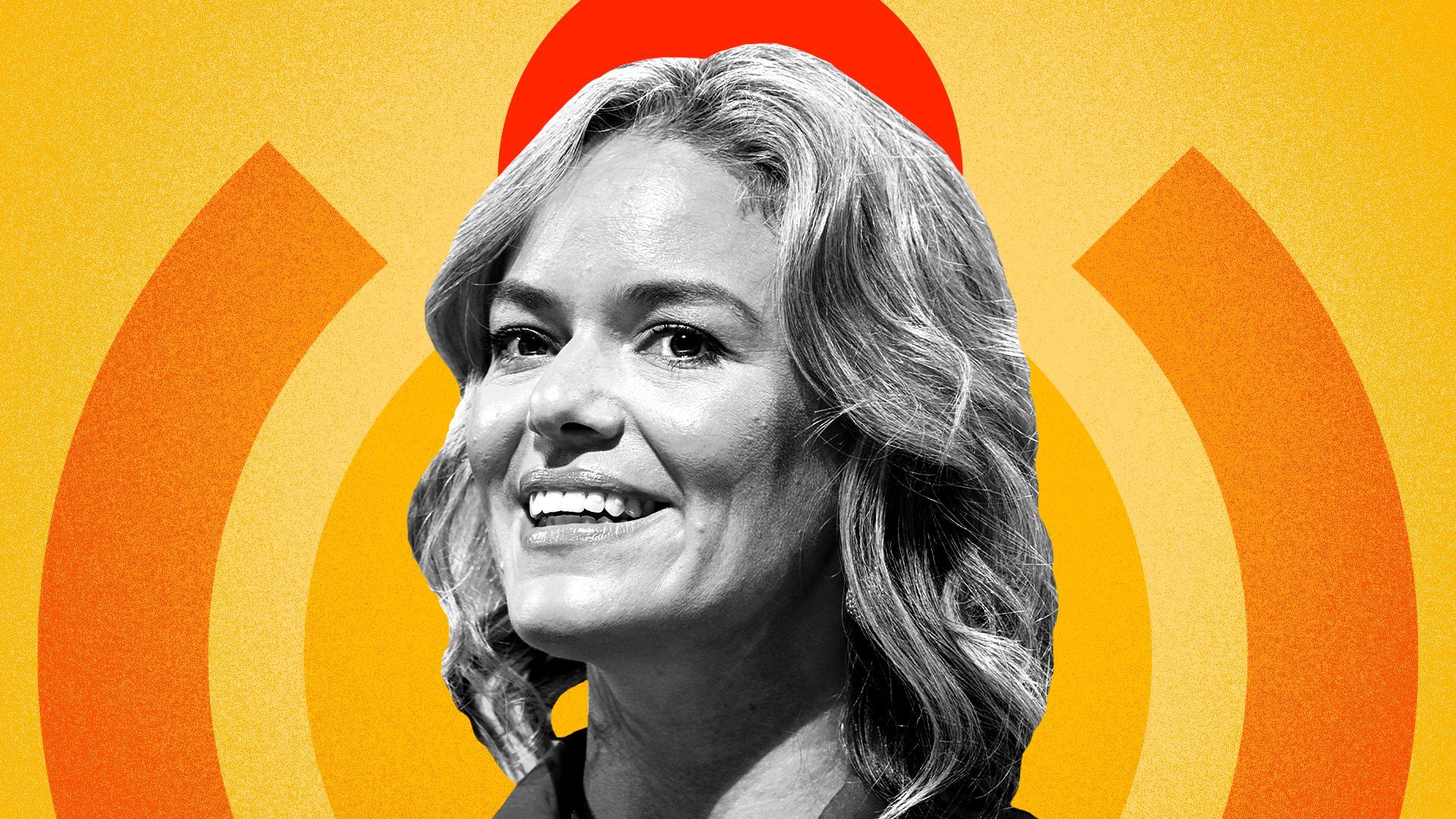
Katherine Maher, the Wikimedia Foundation's CEO, will step down as of April 15, she tells Axios, leaving the nonprofit in a vastly stronger position than she found it when she joined in 2014.
Why it matters: Wikipedia is growing to become the most global and trusted source of knowledge in the world. Its base of active editors is rising, its number of women editors has increased by 30% just in the past year, and it has upgraded not only its website but also its app, which is now available for feature phones as well as smart phones.
Sana Biotechnology, a Seattle gene regulation startup led by several co-founders of Juno Therapeutics, raised $588 million in its IPO. The company priced 23.5 million shares at $25, for a fully diluted market value of around $4.9 billion.
Why it matters: It's the largest-ever IPO for a preclinical biotech company.
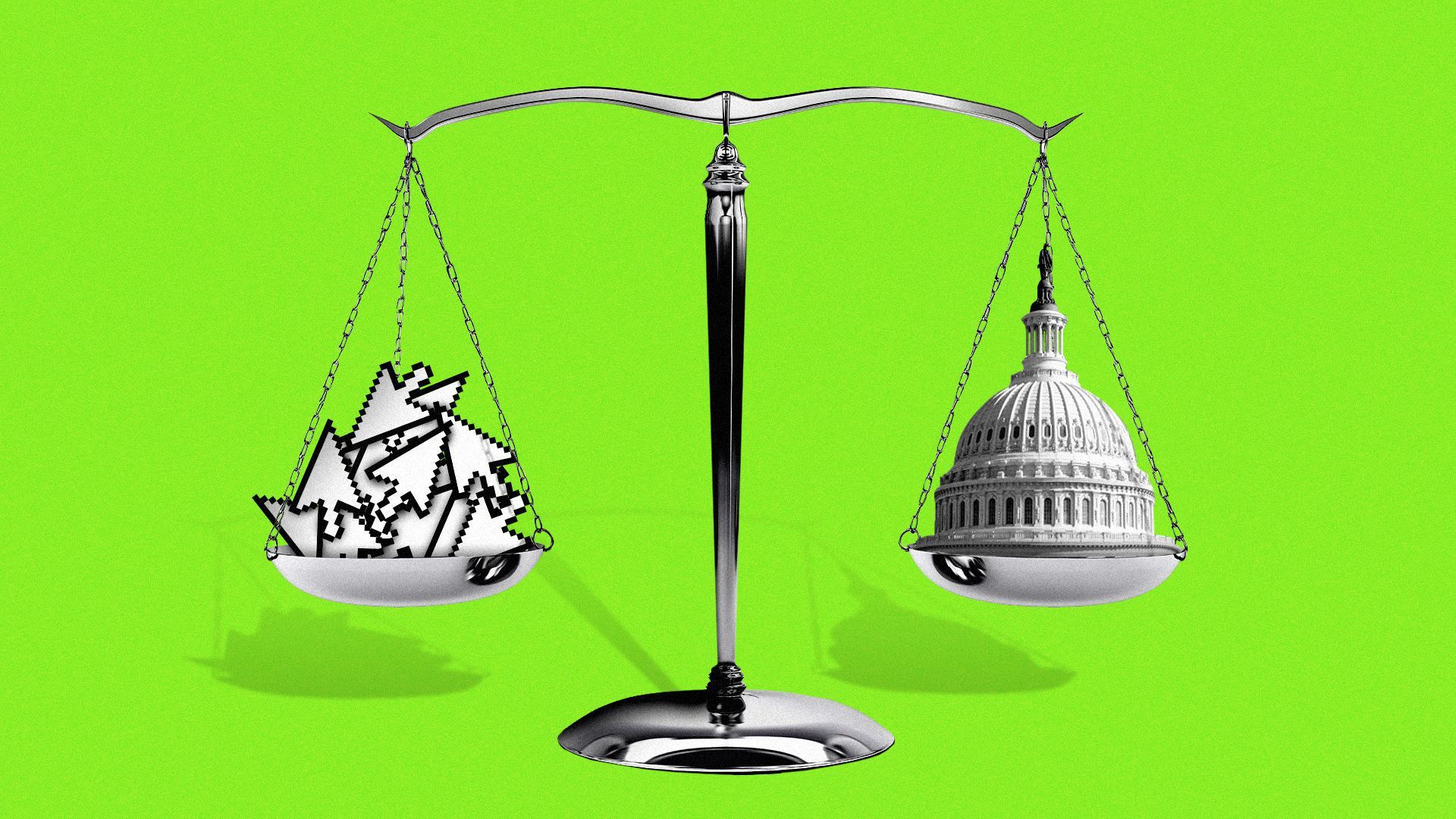
Democrats and Republicans might have found an area of sincere, bipartisan unity: making it harder for Big Tech companies to complete mergers and acquisitions.
Why it matters: This is a mixed bag for tech startups. On the one hand, it could slow the growth of mega-platforms, thus giving startups more breathing room. On the other hand, it could limit liquidity options.
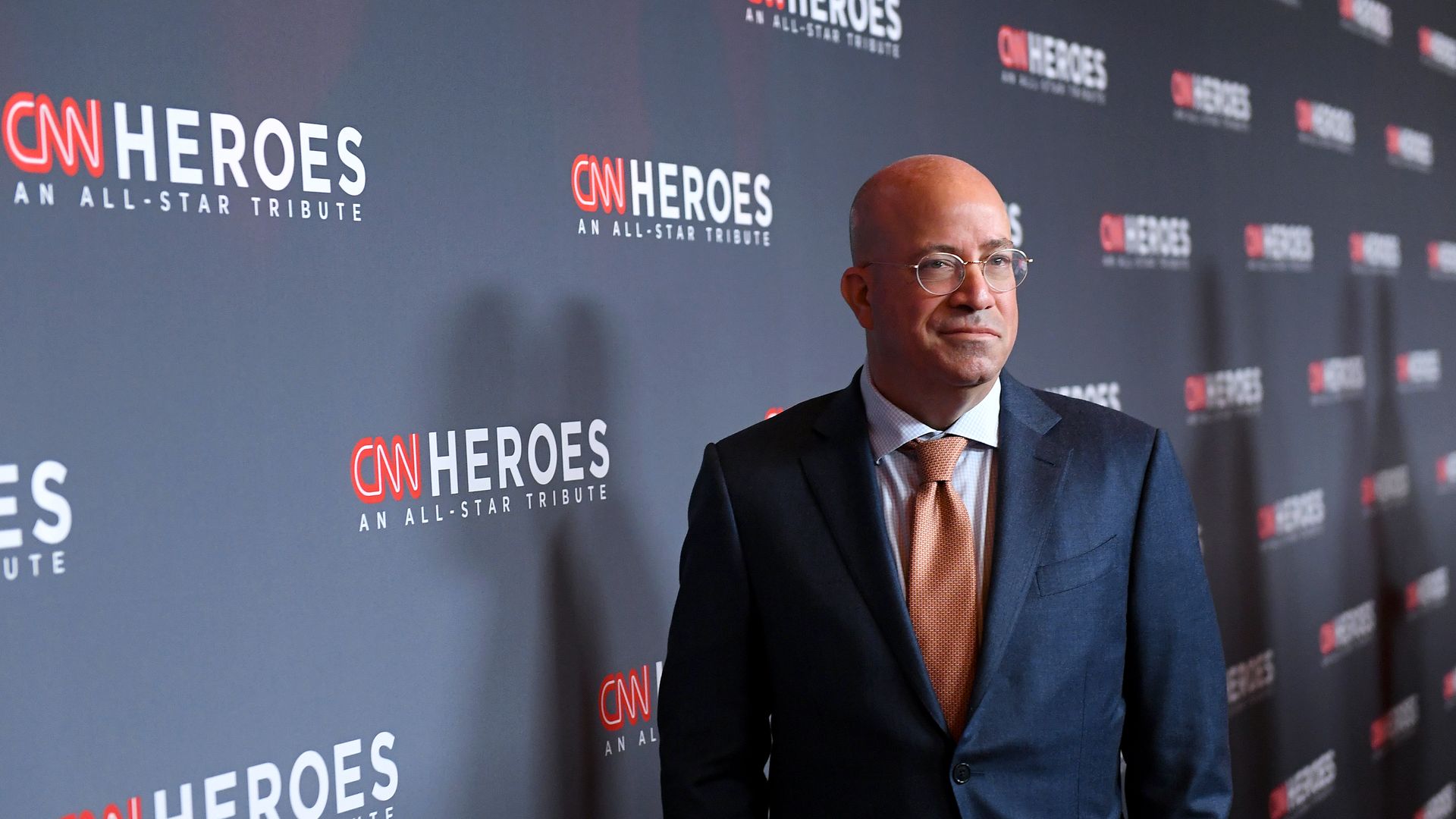
CNN Worldwide president Jeff Zucker said on a staff-wide call Thursday morning that he plans to stay with the network until his contract expires at the end of 2021.
Why it matters: Zucker's tenure at CNN has been debated among media insiders for years. The TV boss has reportedly been eyeing an exit from the network for some time.
Oil prices rose almost 2% on Wednesday, with a barrel of U.S. West Texas Intermediate (WTI) crude touching its highest since January 2020.
Driving the news: The jump in oil prices followed government data showed that U.S. crude stockpiles fell to their lowest since March, while OPEC+ maintained its supply cut agreement.
U.S. inflation expectations continue to rise, as the 5-year breakeven rate hit its highest in nearly eight years on Wednesday.
What's happening: Inflation expectations are climbing at a torrid pace thanks largely to massive lending by the Fed and big government stimulus programs, with both expected to continue at a sizable pace for some time.
Cannabis companies continued to blaze higher on Wednesday, boosted by the announcement that mainstream sleep medications company Jazz Pharmaceuticals would acquire GW Pharmaceuticals, developer of Epidiolex, a marijuana-based drug that won FDA approval as a treatment for severe forms of childhood epilepsy in 2018.
By the numbers: U.K.-based GW Pharma shares jumped 46% and pot stocks rallied broadly, gaining on their already impressive 2021 surge.
A survey last month from Kiplinger and digital wealth management company Personal Capital found that 60% of respondents had taken some form of withdrawal from their IRA or 401(k) during the coronavirus pandemic, but new data suggests those numbers were a bit high.
What's new: Kiplinger has since amended its results and reports that just "a third of respondents took a distribution or loan from their retirement account."
Increasing lockdowns, a mutating virus and a botched vaccine rollout have the eurozone headed for a double-dip recession, weighing heavily on its currency and pushing the dollar higher.
Why it matters: The weak dollar (down 10% from its 2020 highs) has been a linchpin for some of the biggest consensus trades this year — strong commodities, skyrocketing U.S. equity prices and emerging market stocks and bonds.
Never has a company been so popular, and also so hated.
Why it matters: We're now at a key inflection point in the Robinhood saga that's likely to determine whether having a snazzy app with name recognition is all you really need to overcome internal weaknesses.
Facebook's business may be booming, but for the first time in the company's history, that doesn't seem to be enough to convince Wall Street its future is bright.
The big picture: Several Facebook executives have told Axios over the past year that big scandals — like the 2020 ad boycott, the Capitol siege, or the company's high-profile battle with Apple — have been the hardest challenges they've ever professionally faced. Now, Wall Street is having doubts, too.
The commission that U.S. home sellers typically pay to real estate agents is under fire, with the real estate industry accused of antitrust violations and extracting exorbitant fees.
Why it matters: Some legal experts predict that an antitrust lawsuit over brokers' fees will reach the Supreme Court — and say the many challenges to the current system could upend the market and make it cheaper to sell a home.