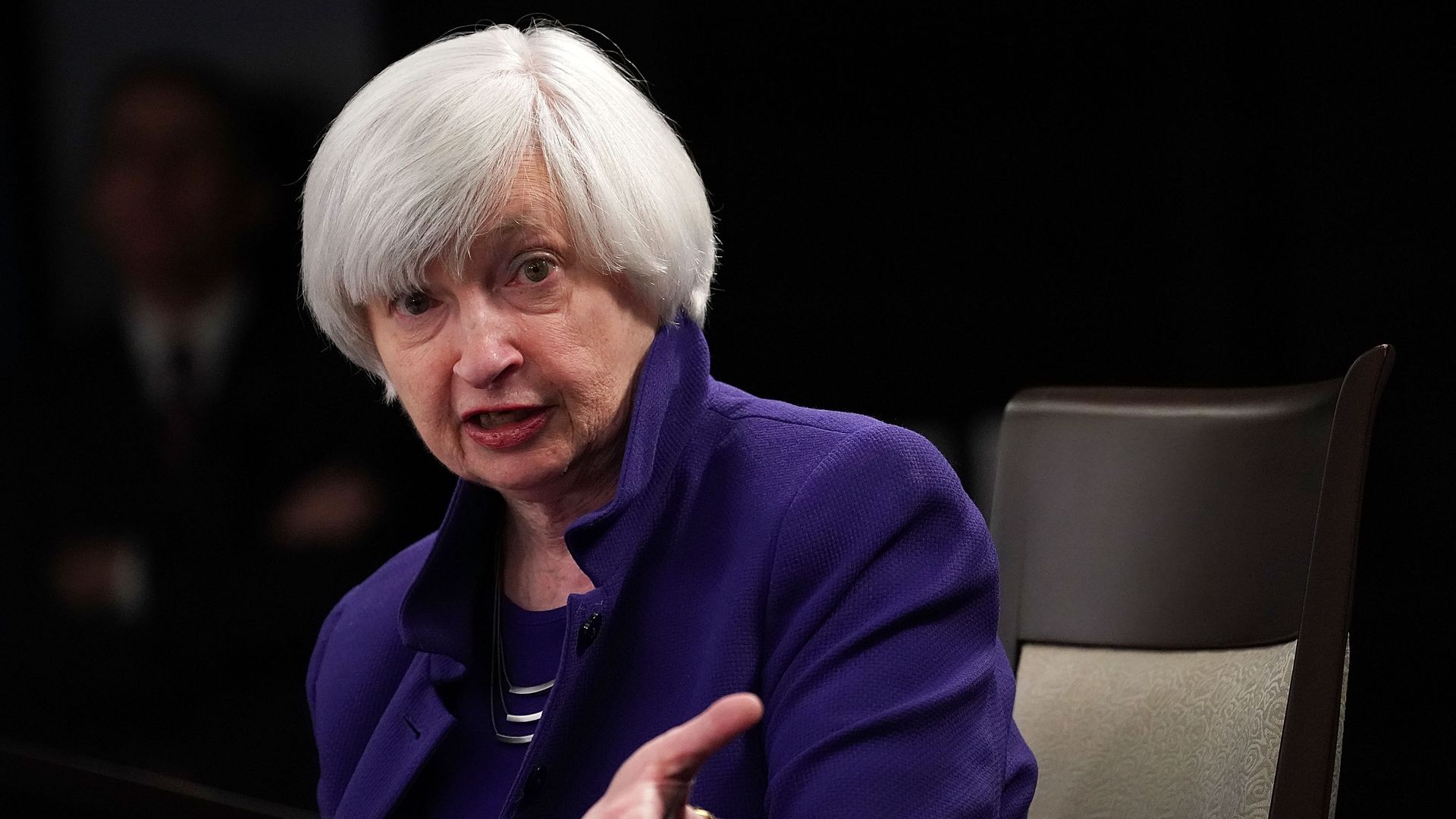
The Senate voted 84-15 to confirm Janet Yellen as Treasury secretary on Monday.
Why it matters: Yellen is the first woman to serve as Treasury secretary, a Cabinet position that will be crucial in helping steer the country out of the pandemic-induced economic crisis.
Leon Black is stepping down as CEO of investment giant Apollo Global Management, following the conclusion of an independent investigation into his interactions with Jeffrey Epstein.
Why it matters: Black has long been one of Wall Street's top power brokers, and he's one of the people responsible for helping to create the modern private equity industry.
The parent company of the Boston Red Sox and Liverpool F.C. has ended talks to sell a minority ownership stake to RedBall Acquisition, a SPAC formed by longtime baseball executive Billy Beane and investor Gerry Cardinale, Axios has learned from multiple sources. An alternative investment, structured more like private equity, remains possible.
Why it matters: Red Sox fans won't be able to buy stock in the team any time soon.
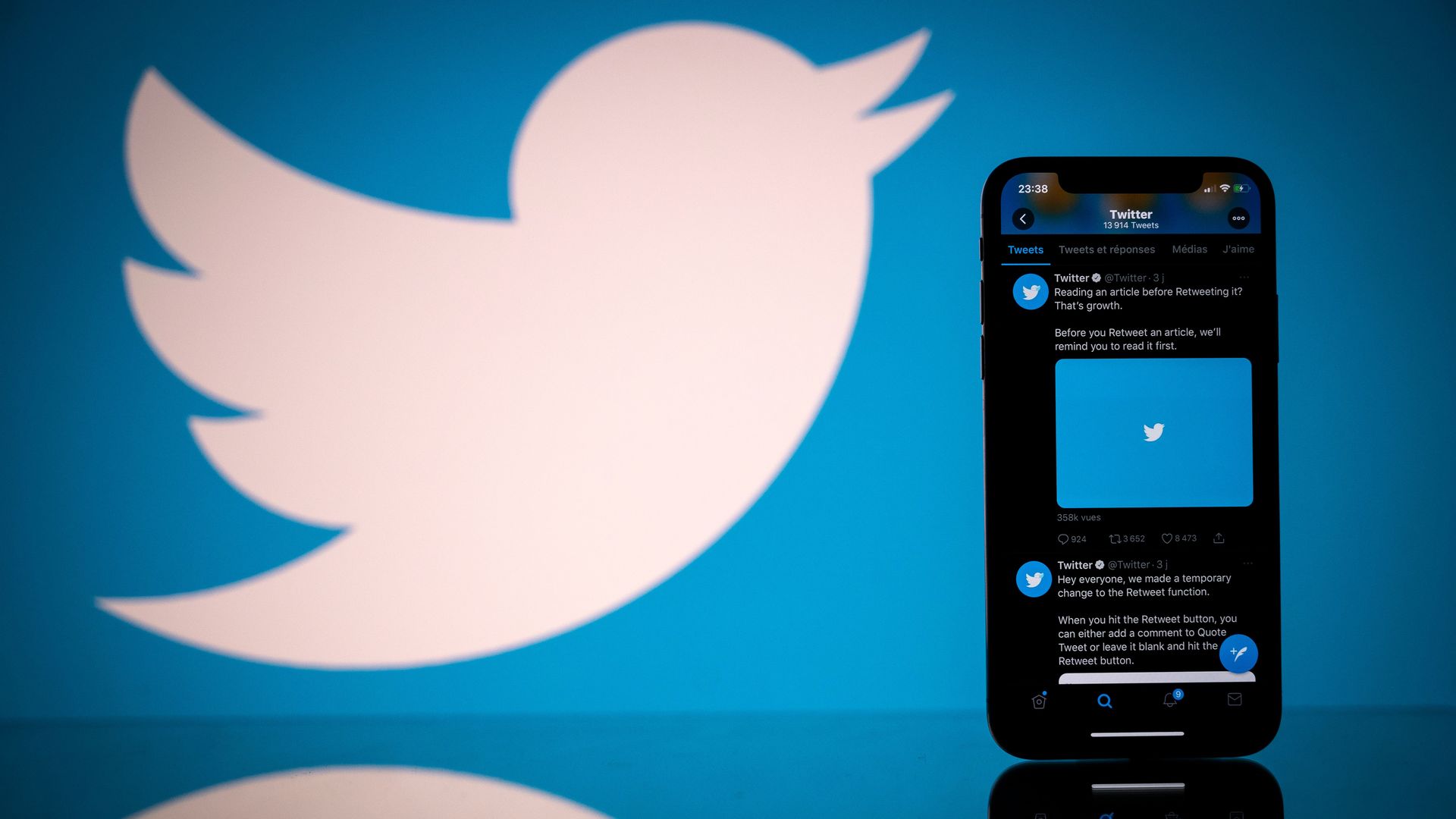
Twitter on Monday announced a new feature, called Birdwatch, aimed at combating misinformation and disinformation with a "community-driven approach" that allows users to add context to tweets they believe are misleading.
How it works: The new feature, which is being piloted in the U.S., "allows people to identify information in tweets they believe is misleading and write notes that provide informative context," Twitter's vice president for product Keith Coleman wrote in a blog post.
Clubhouse, a San Francisco-based audio social network, raised around $100 million led by existing investor Andreessen Horowitz at a $1 billion post-money valuation, Axios has learned. The deal was publicly announced, but the dollar details were not.
Why it matters: The startup says it had two million users last week, despite having launched less than a year ago and keeping a very tight handle on new invites until quite recently. It also now plans to launch a program to monetize creators, which could both increase usage and open up Clubhouse's own revenue spigot.
Five companies this morning announced plans to go public via reverse mergers with SPACs, at an aggregate market value of more than $15 billion. And there might be even more by the time you read this.
The bottom line: SPAC merger activity hasn't peaked. If anything, it's just getting started.
Spurred by big demand for top-of-the-line iPhones, the average selling price in the U.S. hit $873 last quarter, up from $809 a year ago, according to a report from Chicago-based Consumer Intelligence Research Partners.
Why it matters: Apple still makes a huge chunk of its revenue and profits from iPhone sales, though services are an increasing source of both as well.
Shell is buying the European electric vehicle charging company Ubitricity, the companies announced this morning without disclosing the deal's size.
Why it matters: Ubitricity says it is the largest charging public charging network in the UK, with over 2,700 charge points, and operates in several cities.
Budweiser said Monday it's giving up its iconic in-game Super Bowl airtime for the first time in 37 years, and will instead donate $1 million to the Ad Council and COVID Collaborative’s Vaccine Education Initiative.
Why it matters: The move is one of many fan-favorite traditions that will be lost at this year's game because of the pandemic.
Peacock and WWE announced a multi-year agreement Monday that gives Peacock exclusive streaming rights to WWE Network in the U.S.
Why it matters: The deal, reportedly worth over $1 billion, will help bolster Peacock's programming to better compete with the slew of new streaming companies that have launched in the past year.
Yac, an online voice messaging platform, has raised $7.5 million in venture funding led by GGV Capital and the Slack Fund, which funded the app last year.
Why it matters: Yac helps companies integrate audio messaging into their workflow. It launched at the beginning of the pandemic and has benefitted enormously from companies needed improved communication during remote work.
A key sales gaugehas recovered past its pre-pandemic level, according to a new quarterly survey of business conditions by the National Association for Business Economics.
Why it matters: It’s another sign of businesses bouncing back from the depths of the pandemic recession, even with soaring coronavirus cases and a full economic recovery still far off.
Wall Street is pinning its bets of an economic rebound this year on mass vaccinations and a virus brought under control, but new coronavirus strains threaten that sunny outlook, a number of firms are warning.
Why it matters: None downgraded growth forecasts because of the variants, but they’re acknowledging there’s a new asterisk to the anticipated economic recovery.
Taboola, the content recommendation company known best for the chum box ads at the bottom of publishers' websites, has agreed to merge with special purpose acquisition company, ION Acquisition Corp., and become a publicly-traded company.
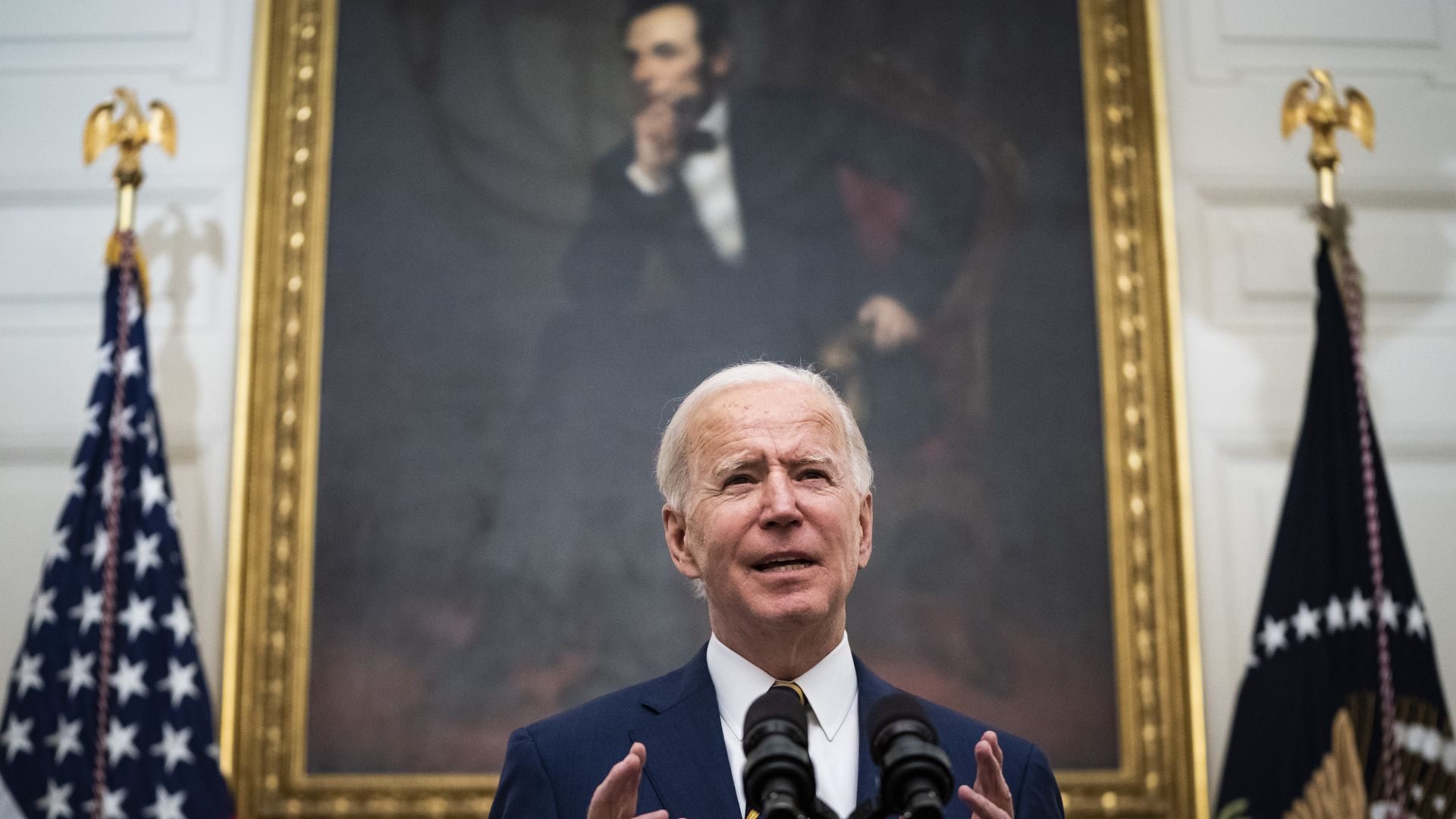
President Joe Biden will continue his flurry of executive orders on Monday, signing a new directive to require the federal government to “buy American” for products and services.
Why it matters: The executive action is yet another attempt by Biden to accomplish goals administratively without waiting for the backing of Congress. The new order echoes Biden's $400 billion campaign pledge to increase government purchases of American goods.
Nearly every major media and entertainment company is pouring lots of cash into launching new podcasts. But many of them aren't making big money — at least not yet.
Why it matters: As is the case with most new technologies, when it comes to podcasts, consumer adoption has outpaced monetization.










/2021/01/25/1611584398392.gif?w=3840)