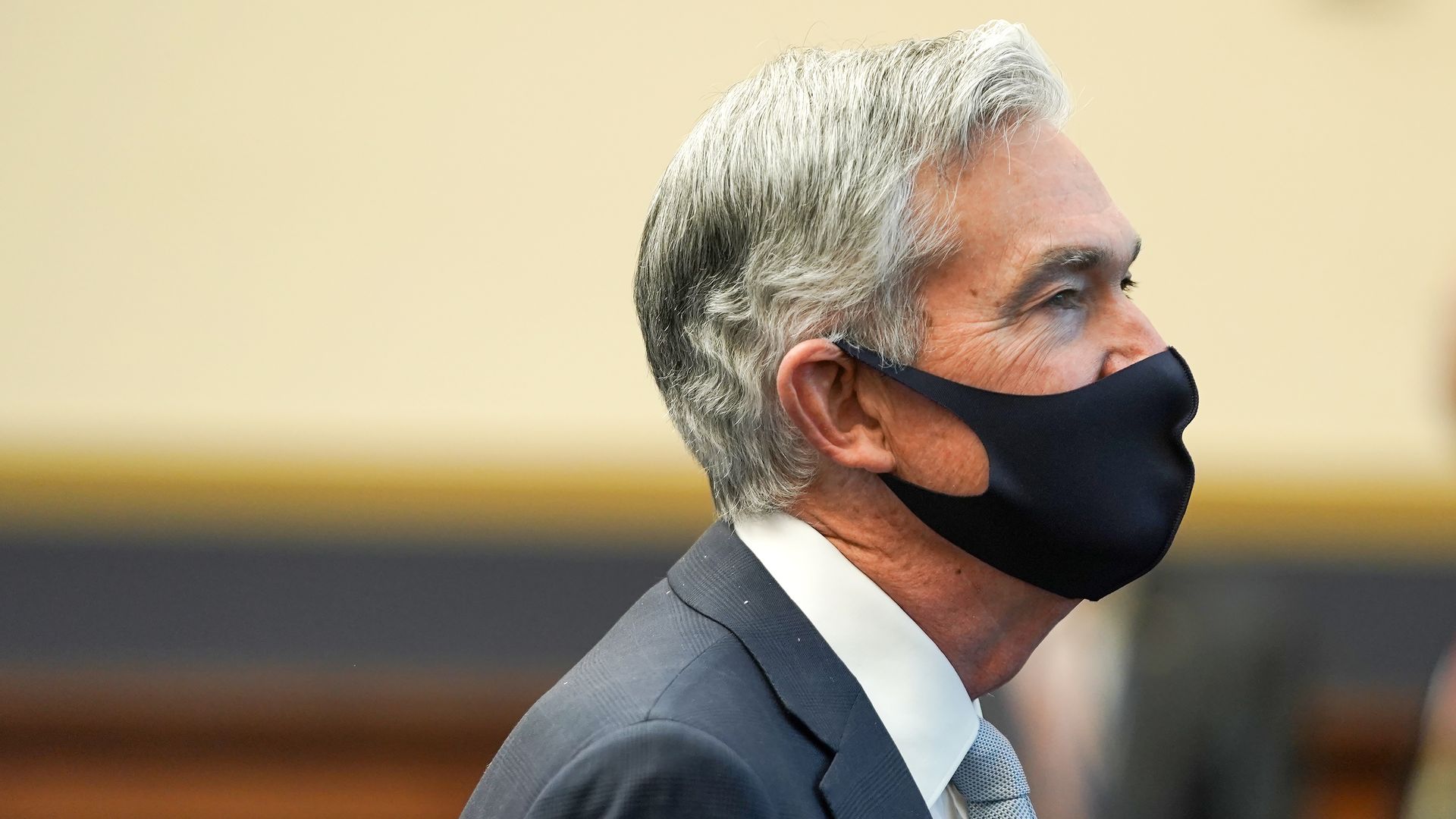
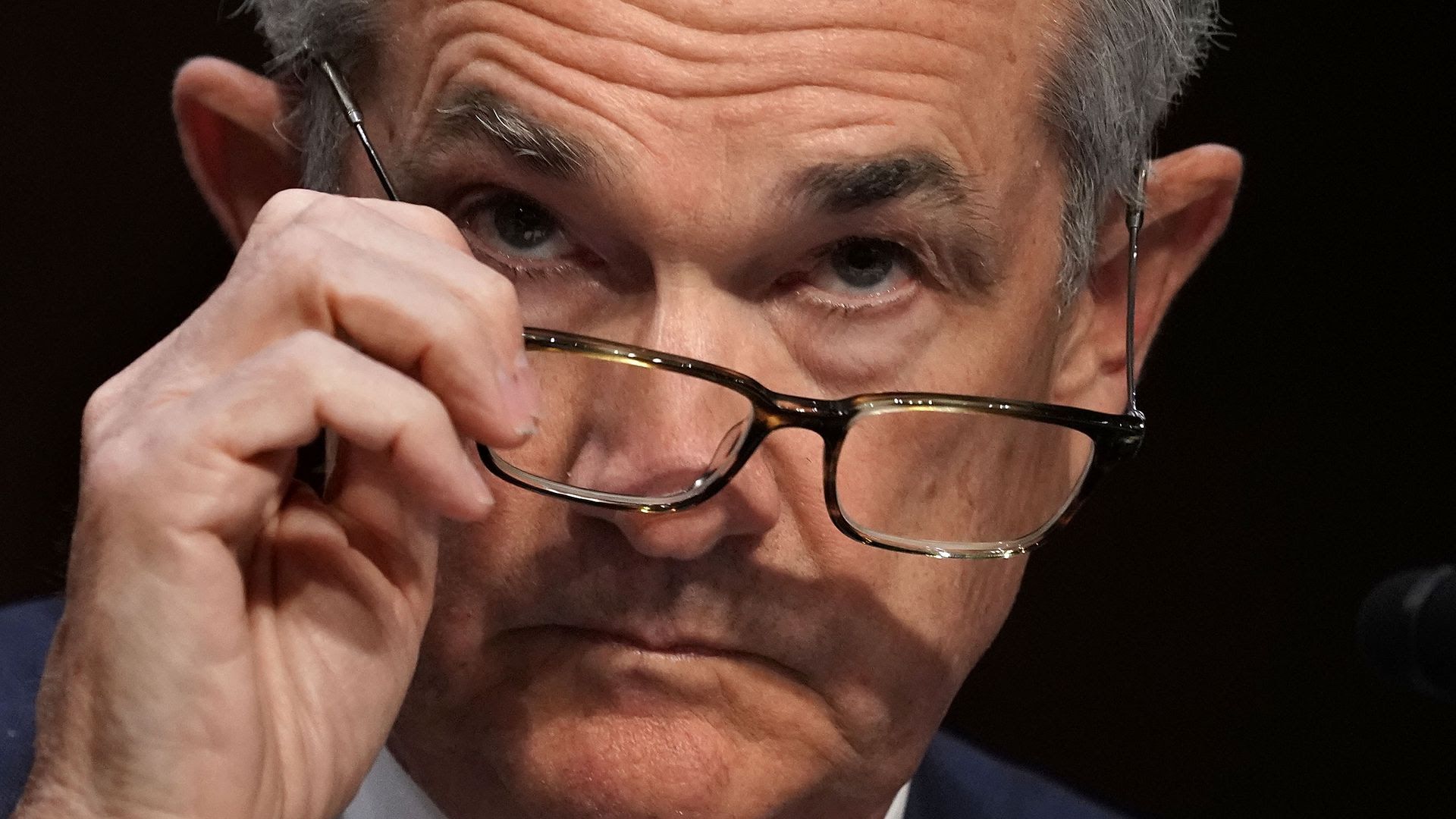
Interest rates will stay near zero for the foreseeable future, Federal Reserve chairman Jerome Powell said on Thursday.
Why it matters: It staves off concerns that the central bank is eyeing pulling back on its easy money policy if the economy recovers faster than anticipated.
Grocery delivery company Instacart says it will provide a $25 stipend to its workers who take time off to get vaccinated for COVID-19 in the U.S. and Canada starting on February.
Why it matters: Some companies in retail and services are beginning to announce incentives to get their workforces vaccinated sooner rather than later — both for the workers' safety and the companies' own bottom lines.
America has become a two-vaccine nation, but plenty of other companies are continuing to work on new vaccines that could increase supply and accelerate the country's goal of herd immunity.
Axios Re:Cap digs into the vaccine pipeline with Derek Lowe, a medicinal chemist and biotech blogger.
Just weeks into the pandemic, we reported that venture capitalists were still doing deals, even though their offices were closed and their flights were canceled. But we didn't quite foresee the WFH gusto.
Driving the news: U.S.-based venture capital hit an all-time record in 2020.
Petco, a San Diego-based pet supplies and services company owned by CVC Capital Partners and CPPIB, raised $817 million in its IPO.
Why it matters: The company priced above its expected range, $18 vs. $14–$16, reflecting how the public markets just can't get enough of companies that cater to the cuddly fuzzballs.
Although most eyes were on the impeachment and other Washington goings-on, Wednesday was a big day for the chip industry, which produced a 10-figure deal and a major leadership shakeup.
The big picture: Legacy chip players Intel and Qualcomm have watched other companies eat into the business lines that got them where they are. They're now seeking to seize control of their own fates.
More than 1.4 million Americans filed for jobless claims last week — a figure that includes first-time filings for regular state unemployment and another program for non-traditional workers.
Why it matters: It’s another surge in the number of Americans applying for unemployment benefits, an additional sign the labor market is facing more strain as the coronavirus continues to ravage the country.
The Consumer Price Index rose 0.4% in December, the biggest increase since August, largely because of rising gasoline prices, the U.S. Bureau of Labor Statistics reported.
Details: The increase "was driven by an 8.4% increase in the gasoline index, which accounted for more than 60% of the overall increase," BLS said.
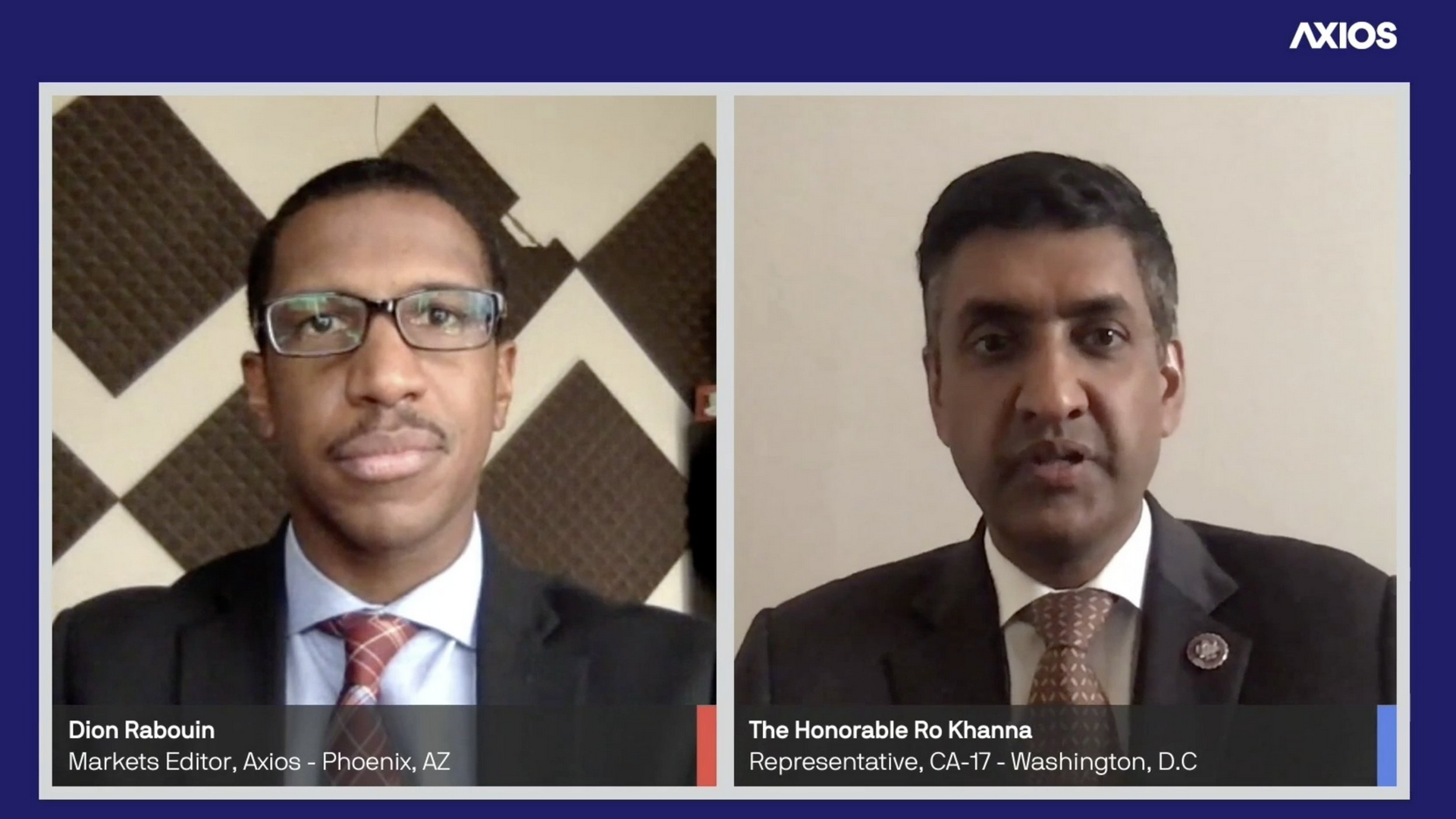
Rep. Ro Khanna (D-Calif.) laid out a few specific policies he and some of Congress' other leading progressives are likely to demand when the next U.S. Congress begins its term.
The big picture: Khanna wants Congress to deliver more direct aid to Americans in the form of $2,000 monthly checks and to provide $1 trillion over 10 years in loans and grants to small businesses but is also taking aim at the Fed, arguing that the central bank has gone astray of its original intent to help small businesses and community banks.
With long-term U.S. interest rates creeping higher and the stock market rally looking increasingly bubblicious, market participants will have a keen eye on remarks by Fed chair Jerome Powell today at Princeton University.
Why it matters: The uncertainty created by the coronavirus pandemic, volatility in financial markets and diverging opinions about the future of monetary policy from Fed policymakers have investors hungry for guidance.
Venture capital investment into technologies aimed at combating climate change reached a record high in 2020, according to PitchBook, a private-market data firm.
Why it matters: Clean-energy technologies must increase substantially to drastically reduce greenhouse gas emissions over the next 30 years. It’s also notable that the pandemic didn’t dampen the trend.
Power will move from Wall Street to Washington over the next four years. That's the message being sent by President-elect Biden, with his expected nomination of Wall Street foe Gary Gensler as the new head of the SEC, and also by Sherrod Brown, the incoming head of the Senate Banking Committee.
Why it matters: Biden is going to attempt to chart an economic policy that's visibly to the left of Bill Clinton and Barack Obama. If he succeeds, it's going to show up not only in taxes and spending, but also in regulation.
The Federal Aviation Administration announced a new "zero tolerance policy" toward unruly airline passengers, who could face fines of up to $35,000 and imprisonment for interfering with crew members.
Why it matters: The crackdown comes after the agency saw a "disturbing increase in incidents" of passengers disrupting flights with "threatening or violent behavior" stemming from their refusal to wear masks and recent violence at the U.S. Capitol.