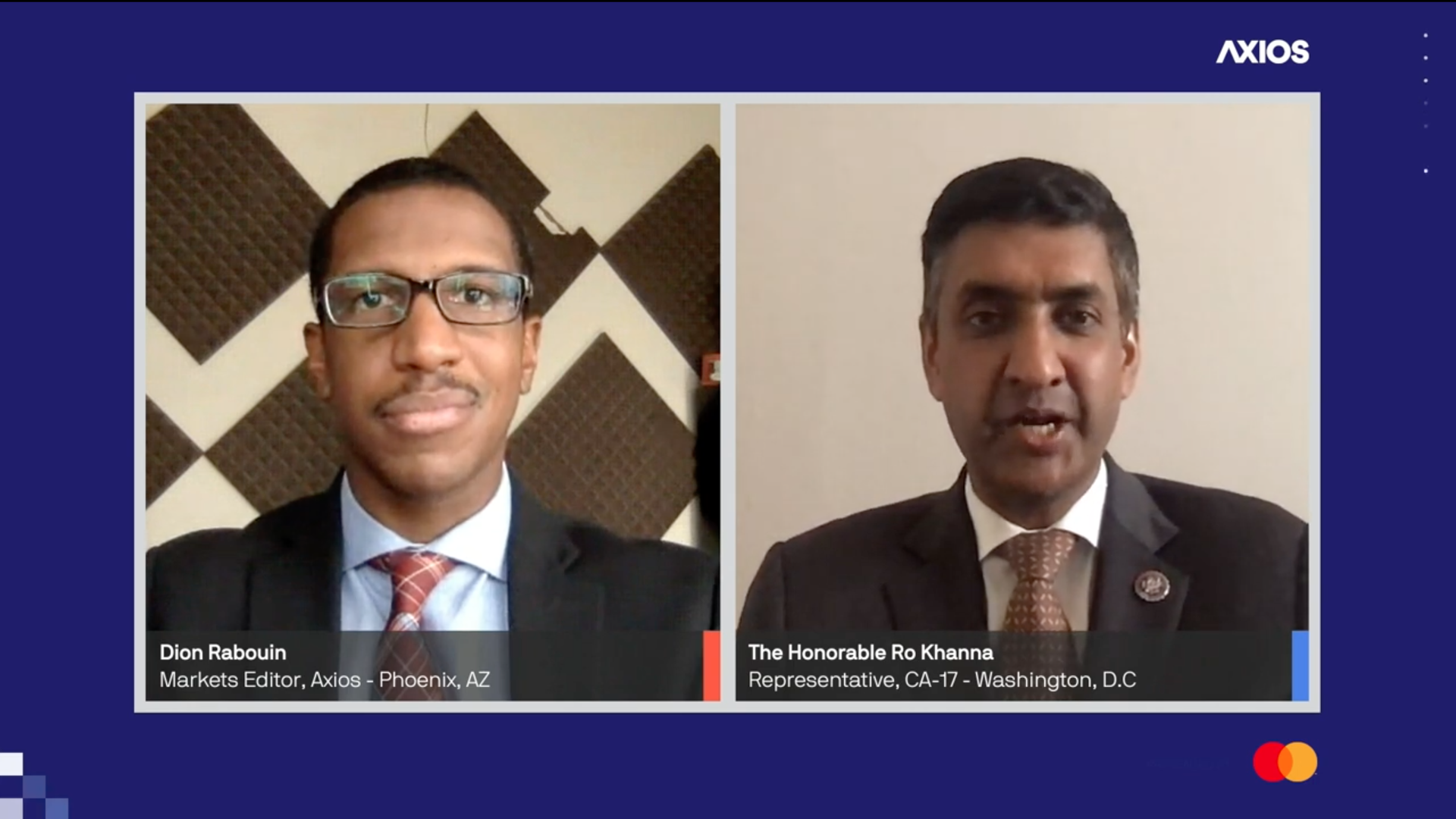
Rep. Ro Khanna (D-Calif.) said during an Axios virtual event that the Federal Reserve Board needs to be able to give loans in rural and minority communities, which have been some of the most affected during the coronavirus pandemic.
Why it matters: People in rural and minority communities have been disproportionally impacted by the coronavirus.
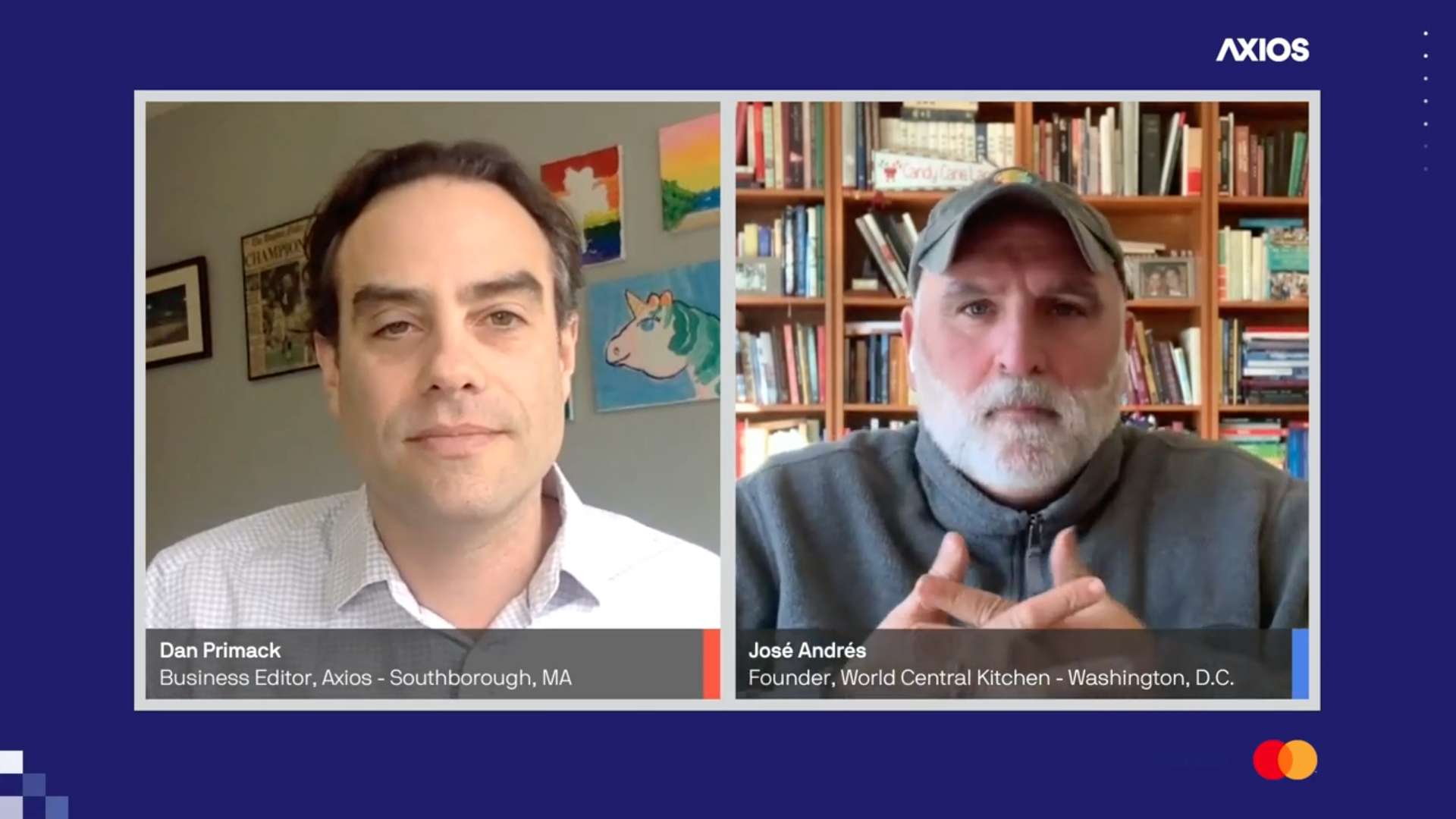
José Andrés, the founder of World Central Kitchen and celebrated chef, said during an Axios event that survival of restaurants is a crucial part of the U.S. economic recovery as the coronavirus pandemic continues to ravage the industry.
Why it matters: The hospitality industry has faced an existential crisis since the beginning of the pandemic. "With new rounds of state-mandated restaurant and bar restrictions, and winter weather limiting outdoor dining, food services accounted for 372,000 job losses in December," the Washington Post writes.
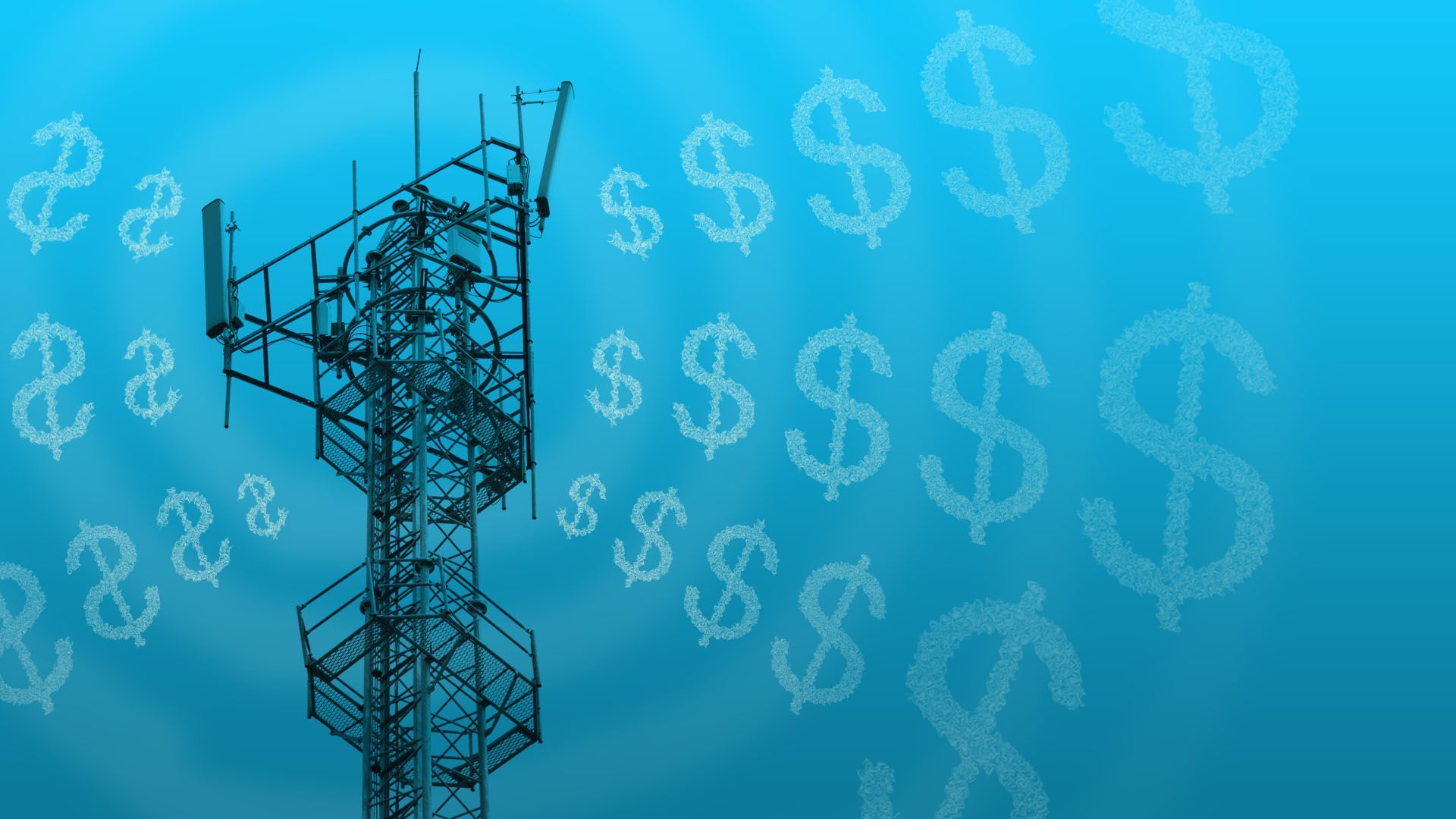
American Towers agreed to buy the European and Latin American mobile phone towers businesses of Spain's Telefónica for $9.41 billion in cash.
Why it matters: This marks the first major foray by a U.S. tower operator into Europe, where Cellnex reigns supreme, and will help Telefónica eat into its €37 billion leverage load.
Visa will no longer be buying fintech upstart Plaid, as the companies on Tuesday announced the "mutual termination" of the $5.3 billion agreement that was signed one year ago and opposed by U.S. antitrust regulators.
Why it matters: This is more about the rising value of fintech companies than it is about the U.S. Justice Department. It also turns Plaid into a very appealing target for growth equity investors, IPO bankers and SPAC sponsors.
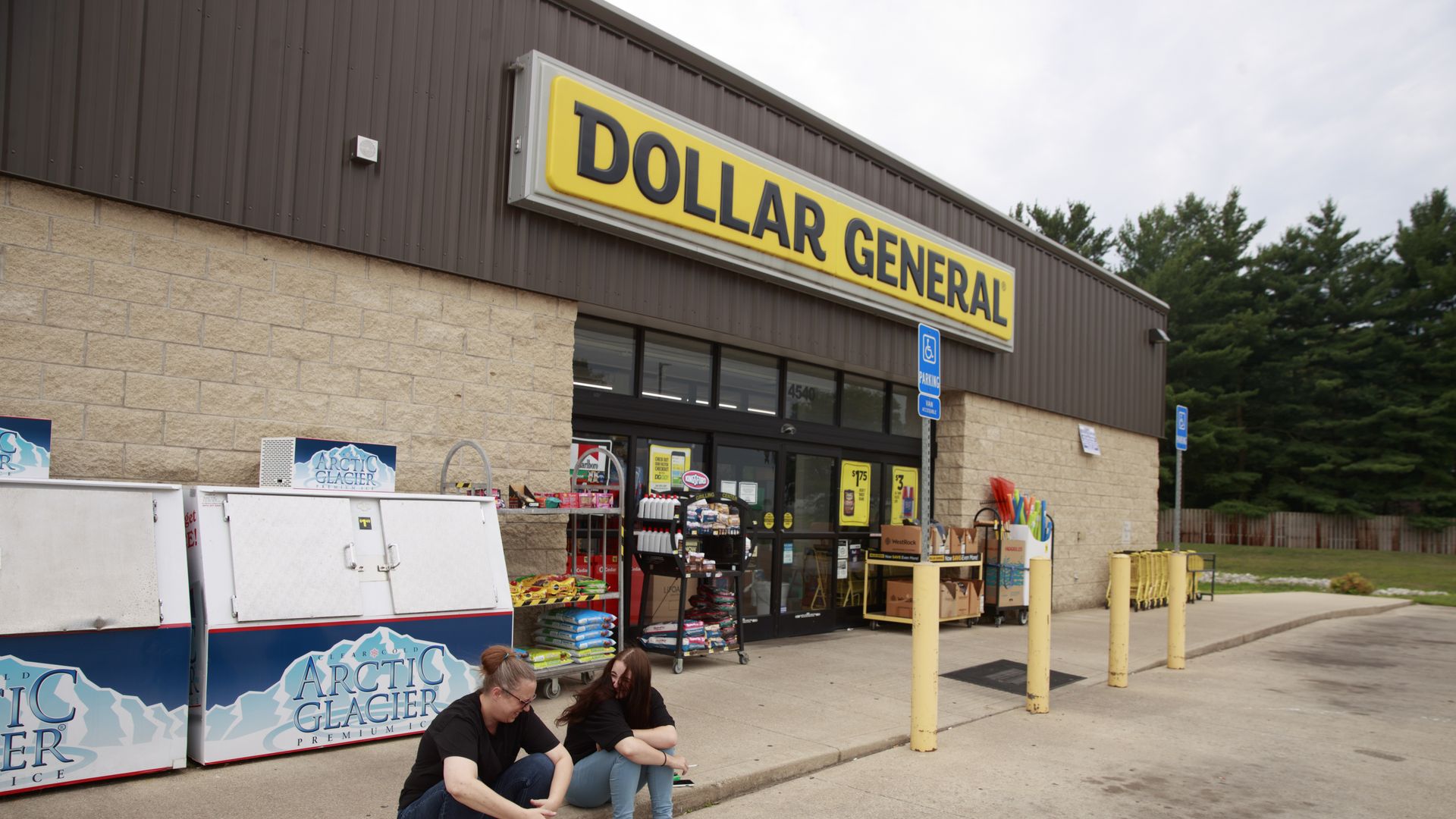
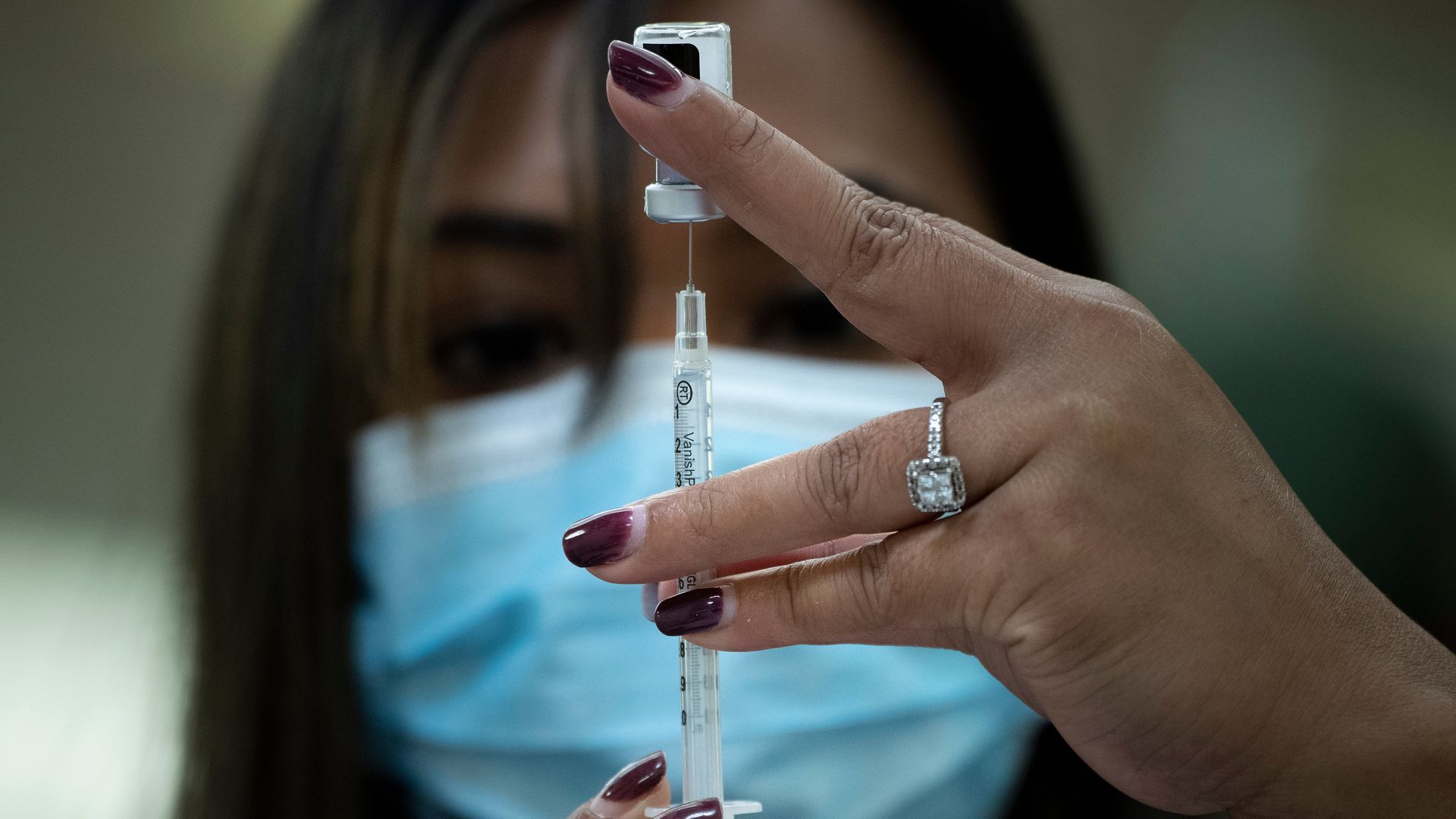
Dollar General is offering four hours of pay to its 157,000 employees if they get a coronavirus vaccine, the Wall Street Journal reports.
Why it matters: The company is one of the first major retailers to incentivize its employees to receive the vaccine. Stores and businesses that have frontline workers are currently vying for accelerated access to vaccines — hoping that early inoculation could boost customer confidence.
Fresh U.S. government projections of U.S. oil production underscore how it will be a long time before the country again reaches its record pre-pandemic output — if ever.
Why it matters: The Energy Information Administration's outlook published Tuesday provide the first glimpse at where they see U.S. output in 2022 — at a substantial, but nowhere near complete, recovery.
Holiday traffic at malls was surprisingly not terrible, data tracking firm Placer.ai says in a new report analyzing foot traffic from more than two dozen malls across the country. The findings are "not as bleak as many had feared."
By the numbers: Mall visits were within 30% of 2019's pace in October, the smallest decline since February (when traffic was up 10.7% over 2019), but the resurgence of COVID-19 cases caused visitor counts to reverse in November, declining 42.2% year over year.
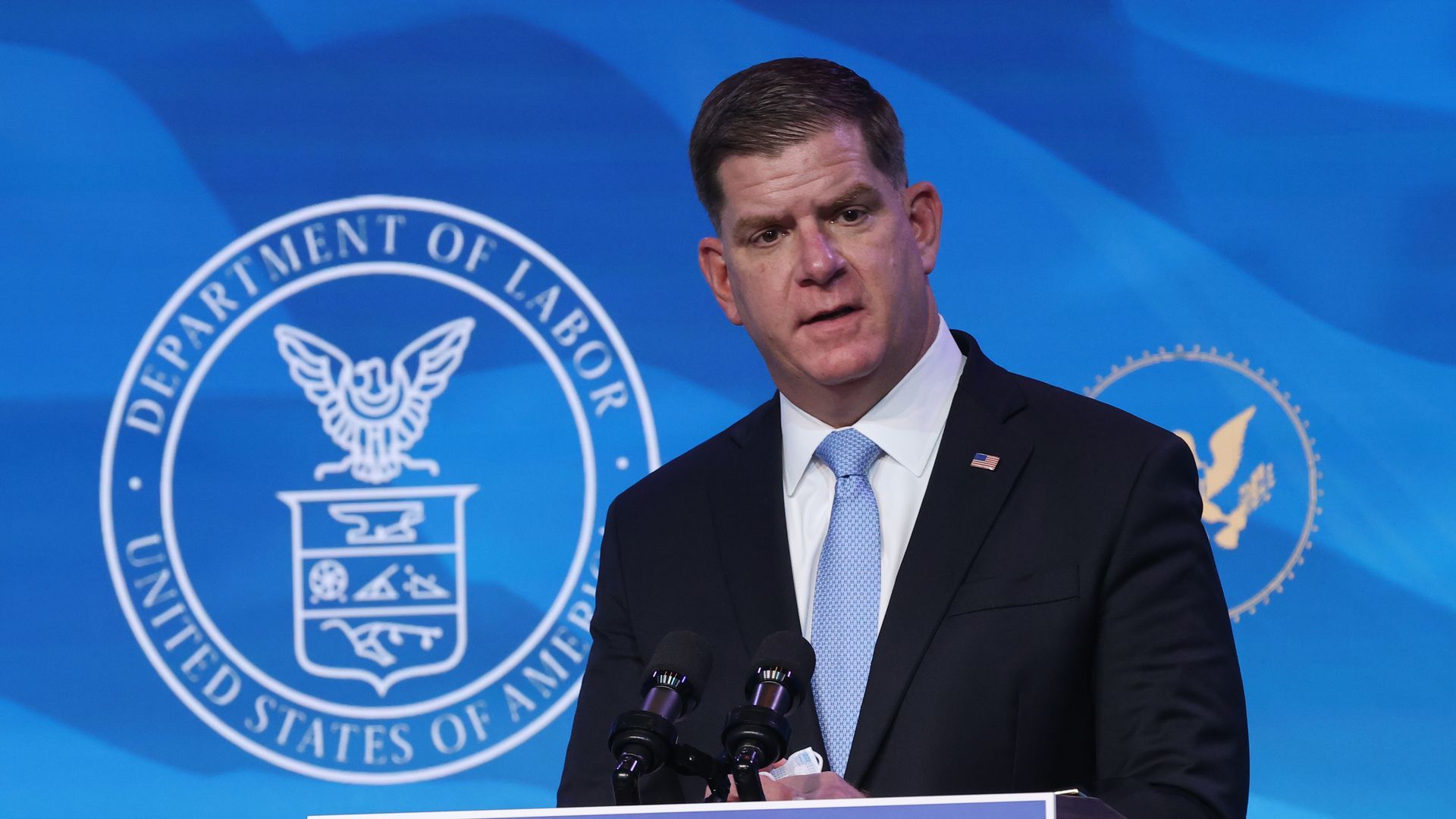
President-elect Biden has named Boston Mayor Marty Walsh as his nominee for labor secretary. If confirmed, Walsh will be tasked with leading the country's workers through one of the toughest eras in recent memory.
The big picture: Americans are confronting workplace safety during a pandemic, wrestling with the instability of gig work, experiencing widespread unemployment and more.
Over the last year, jobs that we never considered dangerous have turned into hazardous occupations.
Why it matters: Millions of Americans are finding themselves on the front lines of crises that they didn't see coming — and they're often not trained, or paid enough, to be there.
Britain's top financial services regulator, the Financial Conduct Authority, on Monday warned that investments and lending products related to Bitcoin and cryptocurrencies come with “very high risks.”
"The FCA is aware that some firms are offering investments in cryptoassets, or lending or investments linked to cryptoassets, that promise high returns. Investing in cryptoassets, or investments and lending linked to them, generally involves taking very high risks with investors’ money. If consumers invest in these types of product, they should be prepared to lose all their money."
Now in control of Congress, Democrats are looking to give the U.S. financial system a progressive overhaul, incoming Senate Banking Chairman Sherrod Brown said Friday. It will be a tall task.
What we're hearing: "This committee in the past has been about Wall Street," Brown told reporters. "As chair I’m going to make it about workers and their families and what matters to their lives."
Following the insurrection at the U.S. Capitol last week, economic confidence among Republicans and Democrats has gone in opposite directions.
What happened: While overall consumer confidence edged lower, according to Morning Consult’s Index of Consumer Sentiment, dropping 0.64 points, confidence among Democrats rose nearly 4 points while it fell by 5.6 points among Republicans.
In the last year, Americans have worked through a deadly pandemic, social isolation, racial injustice protests, a presidential election and, now, an insurrection at the U.S. Capitol.
Why it matters: Laboring through this string of crises is exacerbating employee burnout and pushing CEOs to turn into wartime leaders.
Americans are losing trust in leaders across every area of their lives — and the information coming from every source of their news, according to the 21st annual Edelman Trust Barometer, out Wednesday, which measures trust in institutions globally.
Why it matters: The sobering report shows that people crave facts more than ever, but most have bad habits and a growing distrust of everything from journalists to vaccines and contact tracing.