A look at the future of air travel as we head into the Thanksgiving holiday week while coronavirus cases are surging and the CDC is urging Americans to avoid travel.
For some, air travel is that thing you did before the pandemic. It wasn't much fun, but you kind of miss it. Others are at an airport right now, ignoring CDC warnings about Thanksgiving travel.
Axios Re:Cap digs into the present and future of air travel, including the health of Boeing and what this week could mean for COVID-19 spread.
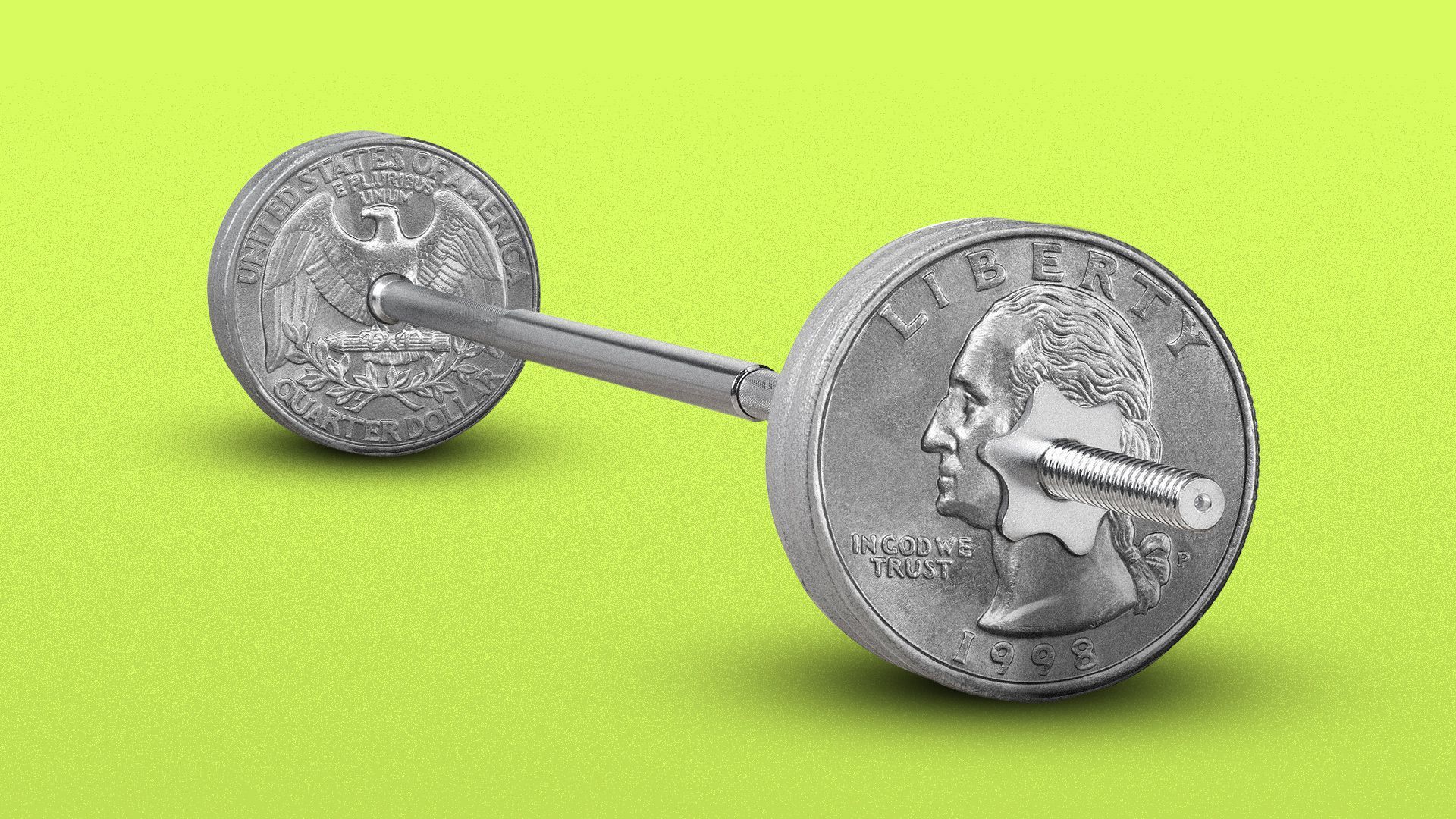
Most Americans are doing surprisingly well, financially, in the face of a major pandemic raging across the country.
Why it matters: The health of the U.S. consumer is one of the main reasons why a second stimulus is perceived to be much less urgent than the first one was.
The pandemic has been a nightmare for thousands of journalists out of work —and for additional thousands trying to navigate jobs amid fear and uncertainty.
Why it matters: Recent departures, deals, layoffs and restructurings amid the pandemic have journalists questioning whether there's stability anywhere within the industry.
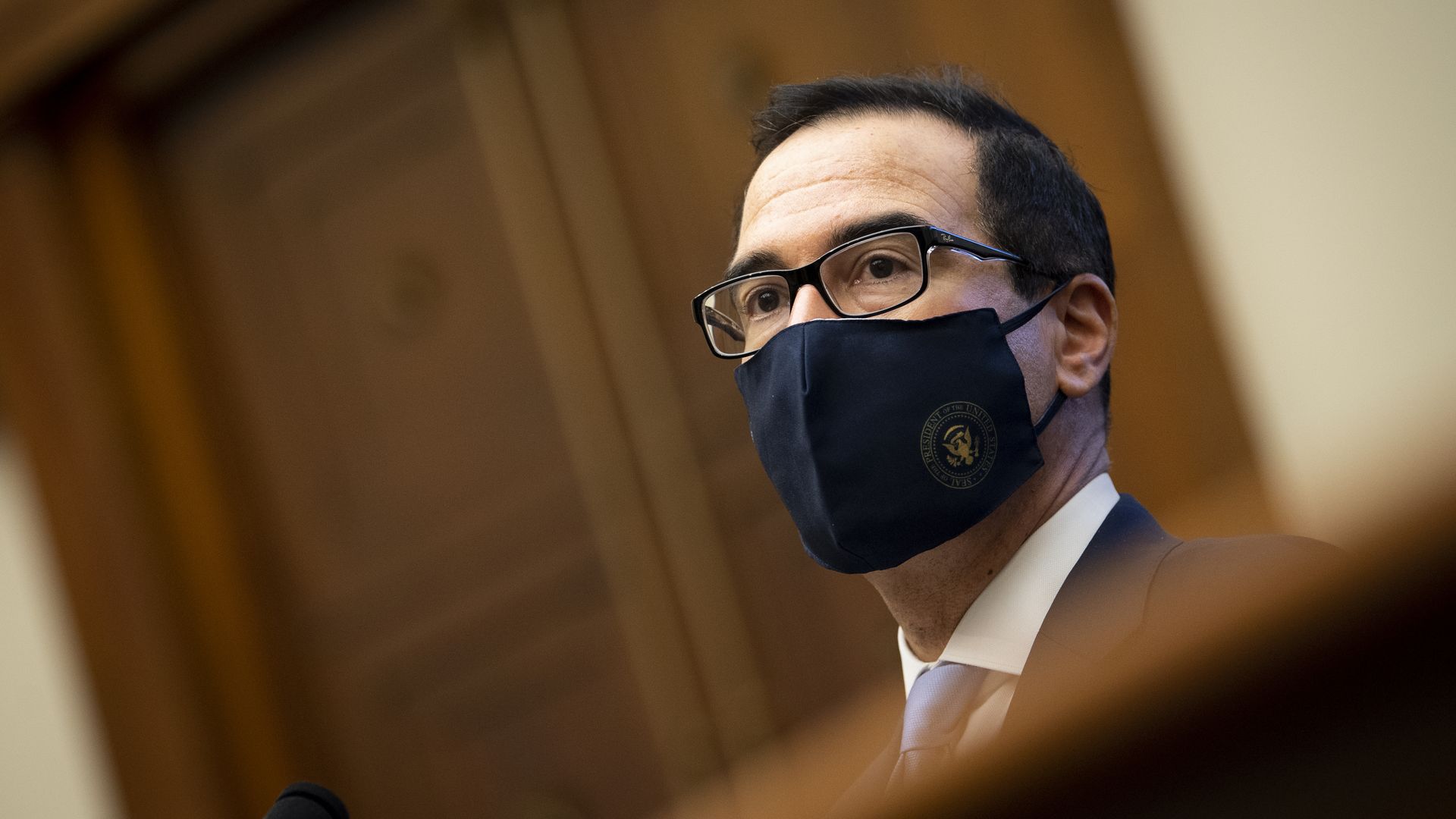
The Treasury Department will not extend several Federal Reserve lending programs set to expire by year's end that were put in place at the start of the COVID-19 pandemic.
Why it matters: There is concern that pulling the plug on these loan programs will negatively impact the still-fragile economy. Eliminating the programs could hobble the Fed and make it harder to revive similar assistance under a new Congress.
Mid-sized sedans tend to be overshadowed by trucks and SUVs these days, but the new 2021 Kia K5 demands to be noticed.
The big picture: The K5 replaces the long-running Kia Optima, a decent, value-oriented sedan. But the K5 seriously ramps up the appeal with head-turning design, new engine and transmission options, and available all-wheel drive.
U.S. auto safety regulators began a regulatory process on Thursday to solicit public input on how to ensure the safety of future self-driving vehicles.
Why it matters: The proposed rulemaking is a step toward the adoption of new safety standards for autonomous vehicles, but it could be years before any rules are final.
Air travel is becoming a touchless, self-directed journey, which poses a threat to traditional airport customer service jobs.
Why it matters: Automation and artificial intelligence have long been viewed as a threat to jobs, but the unprecedented disruption that the coronavirus pandemic is posing to the travel industry could have lasting workforce implications.
Ezra Klein, co-founder and editor-at-large of Vox.com, the political news website owned by Vox Media, and Lauren Williams, editor-in-chief and senior vice president of Vox.com, are leaving the company, executives tell Axios.
Why it matters: They are the latest examples of high-profile media executives to leave management roles in pursuit of more hands-on, creative careers.
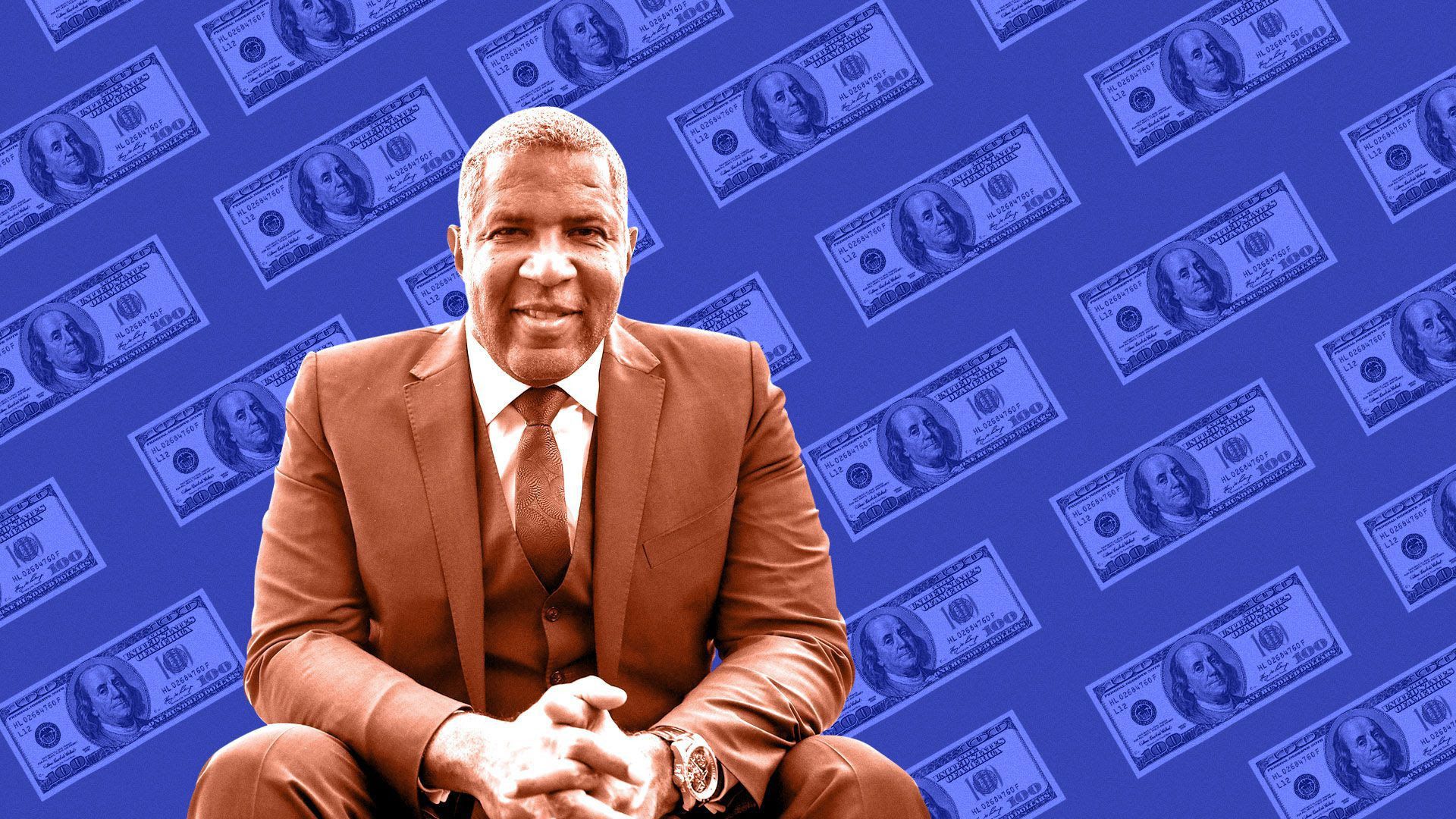
Robert Smith on Wednesday made his first public appearance since copping to tax fraud, and agreeing to pay $140 million in back taxes and penalties, appearing on a "Race and Corporate America" panel at the New York Times DealBook Summit.
Why it matters: Smith didn't just get a pass, he got image rehab from his fellow panelists.
Microsoft has brought on the government affairs firm Lot Sixteen to lobby on sustainability and climate change, a newly public filing shows.
Why it matters: While Microsoft has lots of in-house and outside lobbyists working on all sorts of things, it's the first time an outside firm will be lobbying only on climate and environmental topics, Microsoft confirmed.
Tesla is soaring past General Motors in market capitalization — even as electric vehicles remain still a tiny slice of vehicle sales and FM's overall sales far outstrip Tesla's.
Why it matters: Tesla's enormous market value helps to show how investors see vehicles with a plug as the future, even though internal combustion vehicles will dominate for a long time to come.
Spanish banking giant BBVA has decided to exit the U.S. market. It remains the owner of BBVA Bancomer, the largest bank in Mexico.
Why it matters: In the 2000s, BBVA went on something of a spending spree in Texas and other border states, buying up a series of banks culminating in the $9.6 billion acquisition of Compass Bancshares in 2007.
Buy-now-pay-later lender Affirm, which also filed to go public this week, seeks out the kind of customers that most lenders tend to shun, treats them very well, and builds loyalty that way.
Affirm also has a roaring business financing the purchase of Peloton exercise equipment, which is generally bought by a more well-heeled clientele, most of whom have abundant access to credit.
The race to scale isn't always won by the companies that dominate the largest markets.
Why it matters: DoorDash and Airbnb both filed to go public this week, ratifying the thesis that for real-world businesses, the road to multi-billion-dollar valuations does not need to go through major cities.
General Motors announced Thursday that it is increasing its investment in electric vehicles and autonomous tech to $27 billion through 2025 — $7 billion more than prior plans — as it seeks a top global position.
Why it matters: It's the clearest sign yet that GM is hoping to challenge Tesla, which dominates U.S. electric vehicle sales. It was already on, but now the competition for the electric vehicle market of the future is reallyon.
Earlier this year, Bank of America committed to spending $1 billion over four years to address racial and income inequality in America, as a reckoning over systemic racism and police brutality took hold of the country. It said in September it would set aside $25 million of that initial sum for jobs initiatives in Black and Hispanic/Latino communities.
Driving the news: Now, we know the bank is giving $1 million to each of 21 colleges and universities with large populations of Black and Latino students: HBCU Morgan State University, St. Louis Community College and the University of Puerto Rico's Río Piedras campus — to name a few.
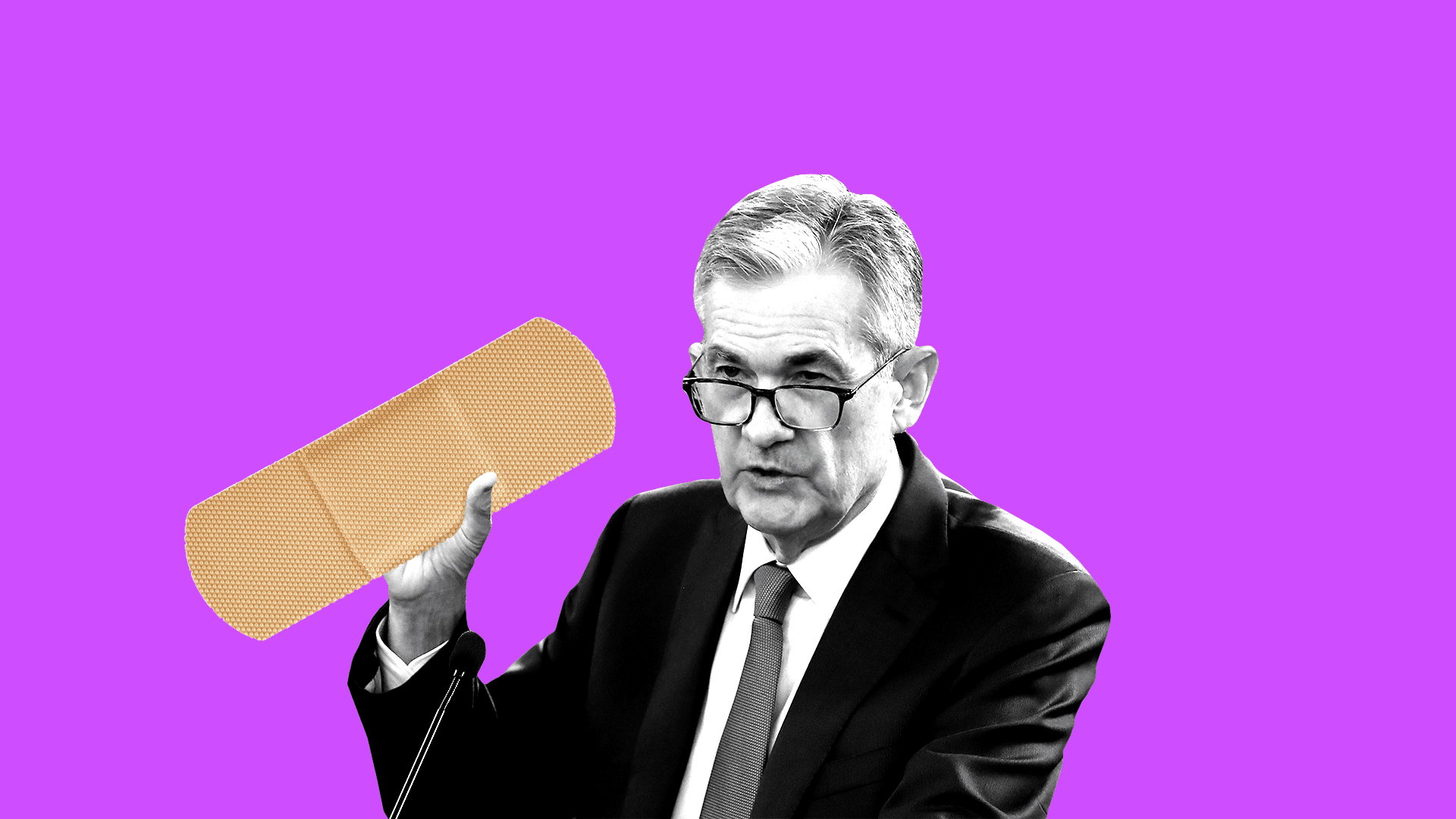
A battle over stimulus escalated in Washington on Thursday night: Treasury Secretary Steven Mnuchin put emergency lending programs it set up alongside the Fed chair Jerome Powell on the chopping block.
Why it matters: The coronavirus pandemic is worse than when these facilities were established in the spring — and economists worry about a resulting steep economic backslide.
Treasury Secretary Steven Mnuchin was one of the heroes of the coronavirus crisis, working hand-in-glove with Fed chair Jay Powell to give the central bank all the ammunition it needed to fight the virus and the associated economic recession. Now, he's trying to take that ammunition away.
Why it matters: If he's successful, Mnuchin will effectively disarm the Fed, creating a lot more economic downside once President-elect Biden takes office.