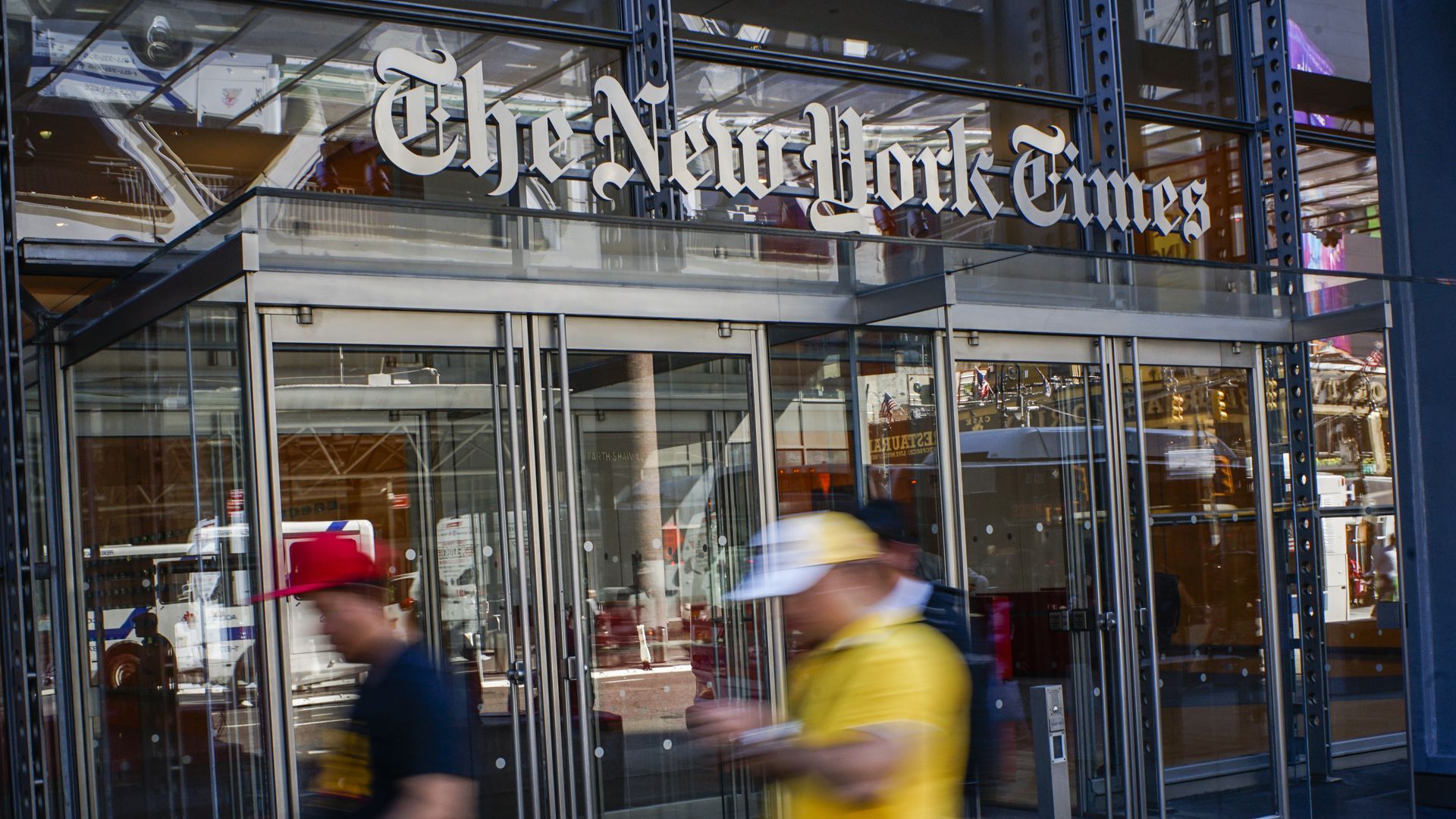
The New York Times has laid off 68 people, mostly on its advertising team, the company said in an internal memo to employees Tuesday, obtained by Axios. There were no layoffs in the company's newsroom or opinion sections.
Context: The company alluded to layoffs in its ad sales division in May amid the economic upheaval caused by the novel coronavirus pandemic.
A shock to the job market as massive and as sustained as the coronavirus will leave lasting change — and damage — in its wake.
The big picture: We jumped from the best labor market in 60 years, before the coronavirus, to the worst, in April. As the country comes back, millions of jobs lost during the pandemic will never come back, and there will be massive reallocations of jobs from some parts of the economy to others.
Despite laws protecting people from workplace discrimination on the basis of race, gender, age, religion and sexual orientation — including last week's Supreme Court victory for LGBTQ workers — when it comes to actually holding firms accountable, the odds are stacked against workers.
Why it matters: The U.S. workplace is still rampant with discrimination, but the bulk of it is going unchecked as companies have figured out how to keep themselves out of court.
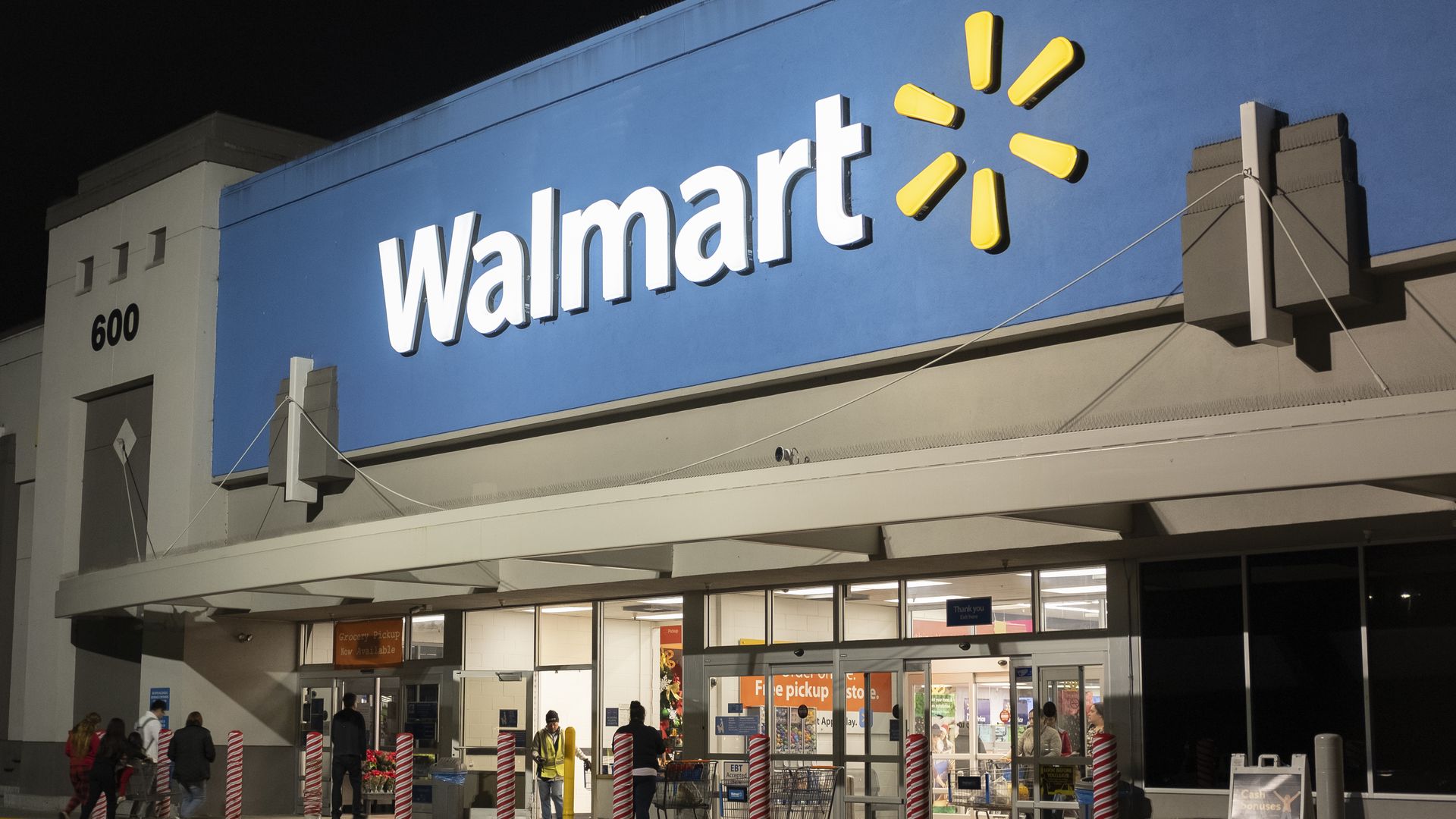
Walmart will no longer display the Mississippi state flag in its stores, since it is the only flag in the U.S. to embed the Confederate battle flag, the AP first reported and Axios confirmed.
Driving the news: The NCAA announced on Friday that it would no longer hold championship events in Mississippi, due to the Confederate symbol's "prominent presence" on the state flag.
Mercedes Benz is teaming up with Nvidia to create a perpetually upgradable computing platform for vehicles that will allow cars to add automated driving functions over time, becoming smarter and more valuable the longer they are on the road.
Why it matters: Self-driving technology won't arrive in a snap. Instead, it will roll out gradually through periodic software updates, similar to the way people refresh their smartphones. It's a fundamental shift in thinking that will extend the life of cars, and allow even used-car buyers to get the latest technologies.
In the wake of a leadership change at the U.S. Agency for Global Media (USAGM), a small group of religious freedom advocates is trying to secure millions of dollars in funding for two internet censorship circumvention tools developed by supporters of the Falun Gong, a controversial religious group banned in China.
Why it matters: In recent years, Falun Gong supporters have made common cause with the global far-right, and a growing rapport between its advocates and U.S. ultra-conservatives within USAGM could override internal vetting processes and channel funding toward pet projects.
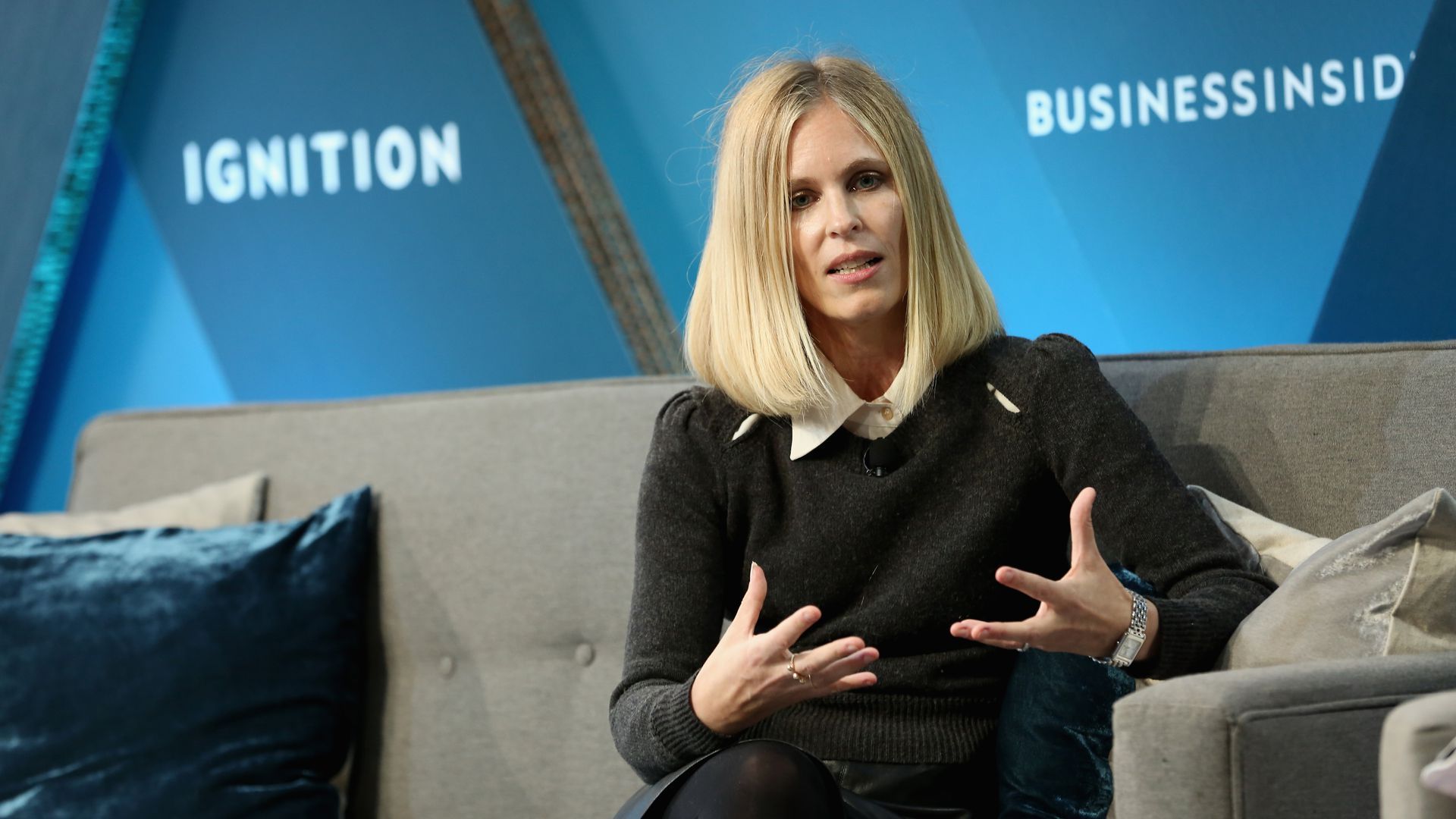
Goldman Sachs has hired former AT&T chief brand officer Fiona Carter as its first-ever chief marketing officer, according to an internal memo obtained by Axios.
Why it matters: While Goldman spends less than some of its financial services competitors on advertising, the company has built a robust in-house media team that produces everything from podcasts to live events and videos.
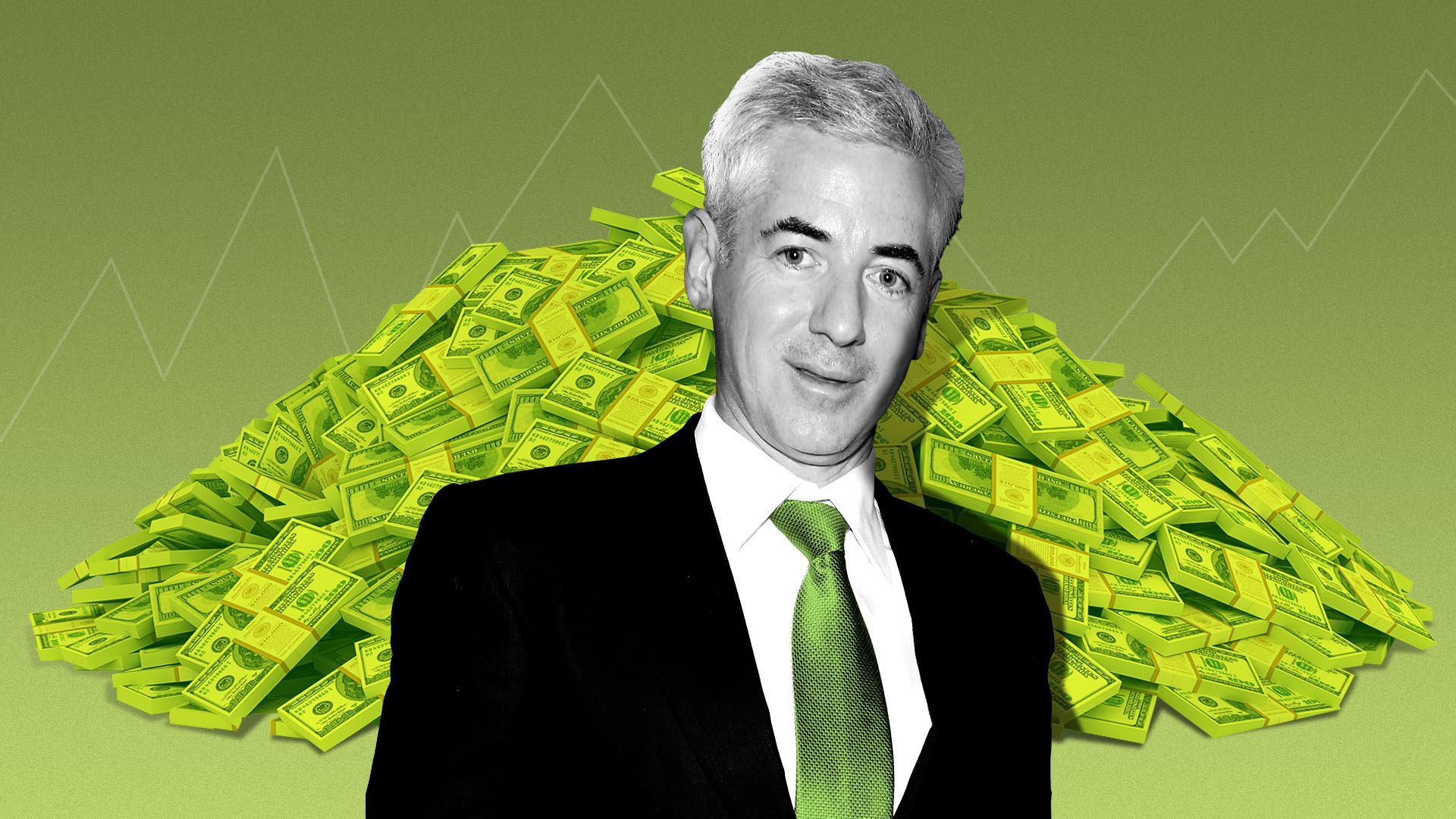
Pershing Square Tontine Holdings, a special purpose acquisition company formed by Bill Ackman to acquire "mature unicorns," filed for a $3 billion IPO.
Why it matters: $3 billion would be the most money ever raised by a SPAC. And it may ultimately raise nearly $6.5 billion, based on concurrent plans to raise between $1 billion and $3 billion from funds associated with Ackman's hedge funds, plus up to another $450 million if banks exercise their over-allotment options.
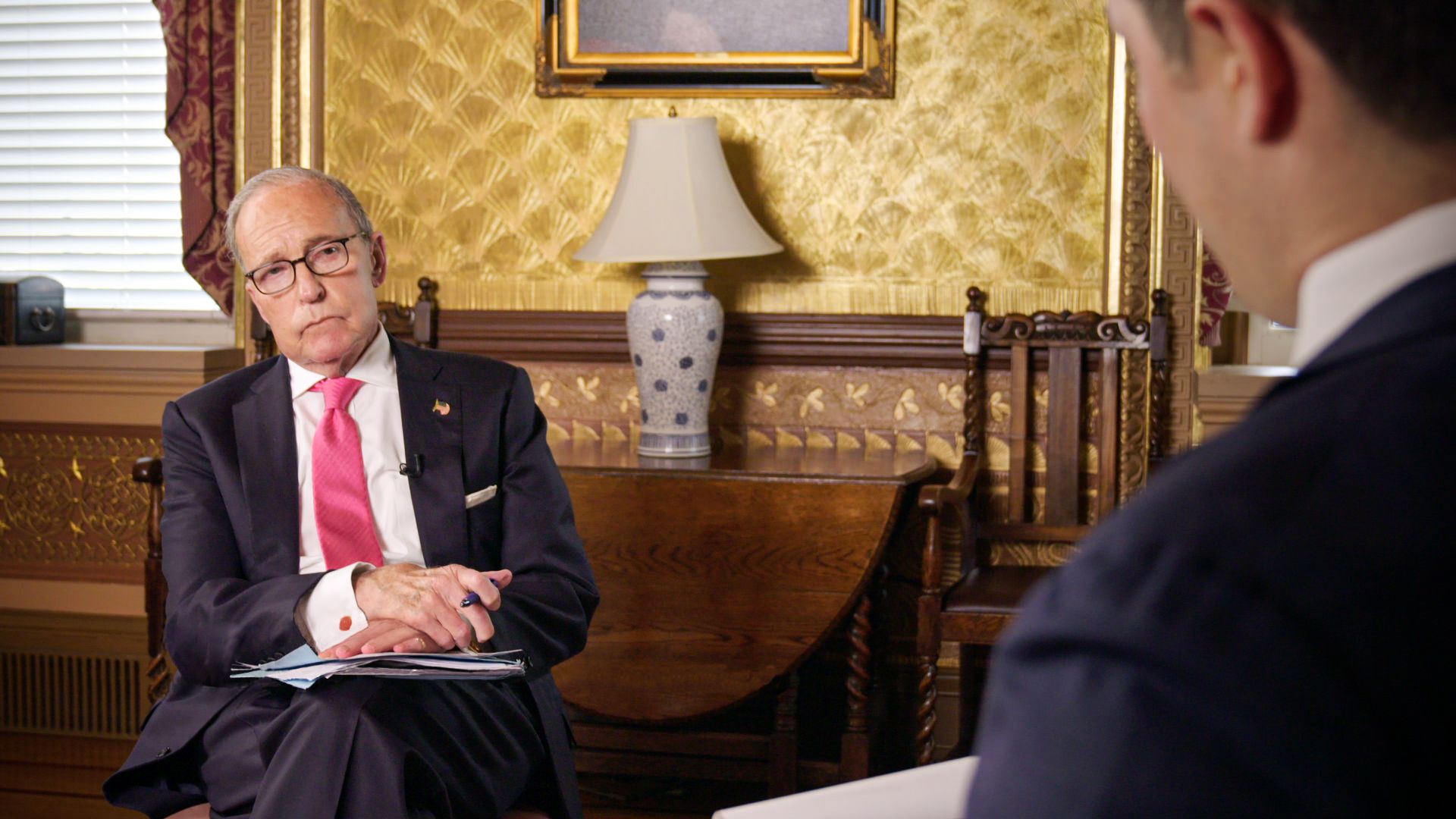
White House economic adviser Larry Kudlow likes to compare the coronavirus pandemic to a hurricane, arguing it's a devastating but finite event that doesn't leave a lasting economic mark.
Why it matters: It's a flawed analogy being used to inform America's economic policy.
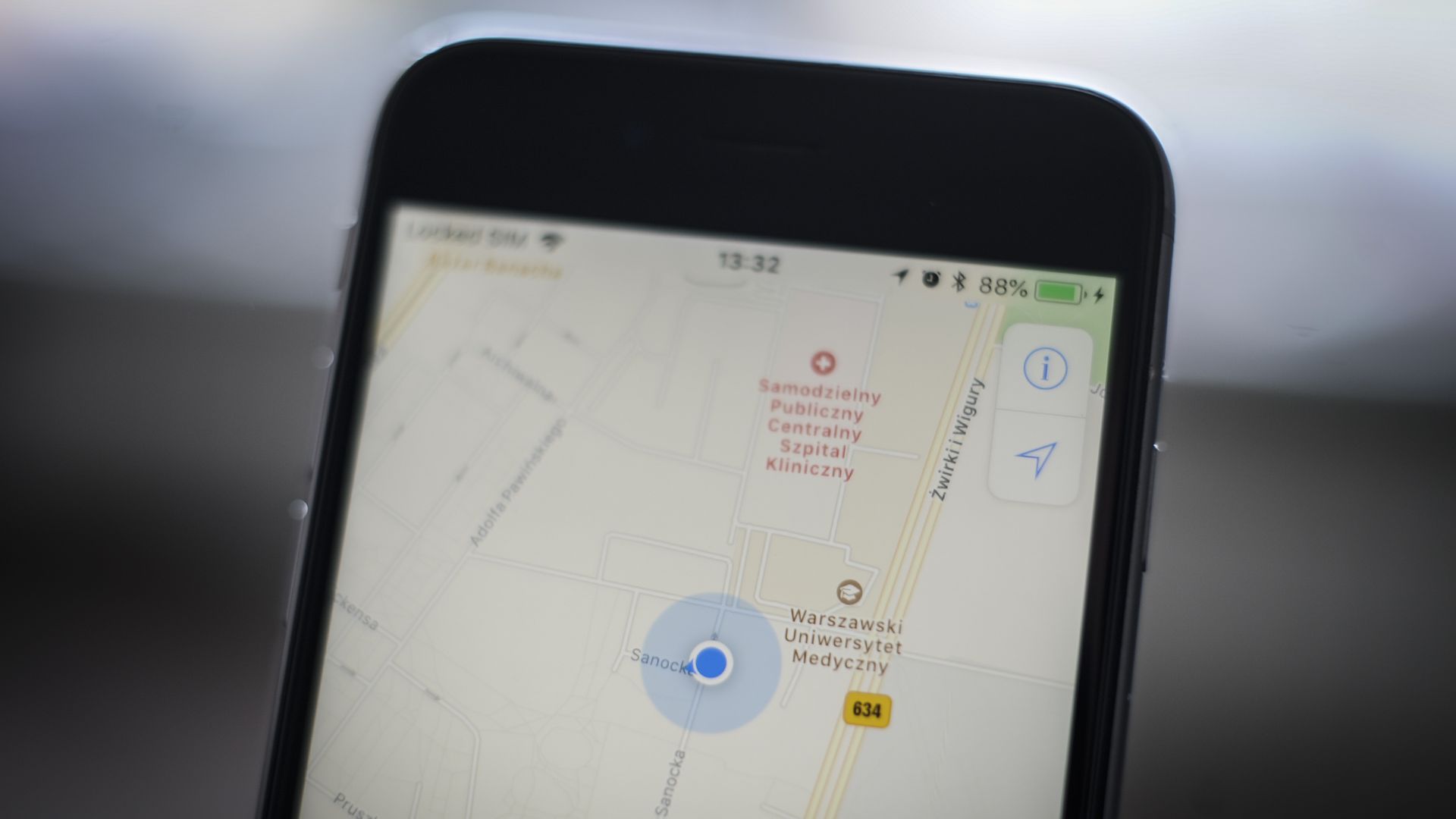
Apple is adding a feature to its new iOS 14 phone operating system aimed at making it easier for EV drivers to find places to plug in.
Driving the news: "Electric vehicle routing adds charging stops along a planned route based on current vehicle charge and charger types," the company announced.
Google, the world's largest advertising company, is expected to lose ad revenue compared to last year due to the novel coronavirus pandemic, according to new figures from eMarketer.
Why it matters: It's the first time it's expected to see advertising declines year-over-year since eMarketer began tracking the company over a decade ago.
Patagonia became the third major outdoor brand to say it was boycotting Facebook and Instagram on Sunday, following similar moves by North Face and REI.
Why it matters: Tension between advertisers and the tech giant has existed for years, but now — as the country faces a reckoning over systemic racism — marketers feel more compelled to take a public stand on filtering hate speech.
Spotify has continued its streak of impressive podcasting deals, confirming two exclusive partnerships to distribute new podcasts from Kim Kardashian West and Warner Bros. last week.
The big picture: Its efforts come as rivals continue to try to bolster their own podcast businesses, including SiriusXM, which acquired Spotify's music rival Pandora in 2018.
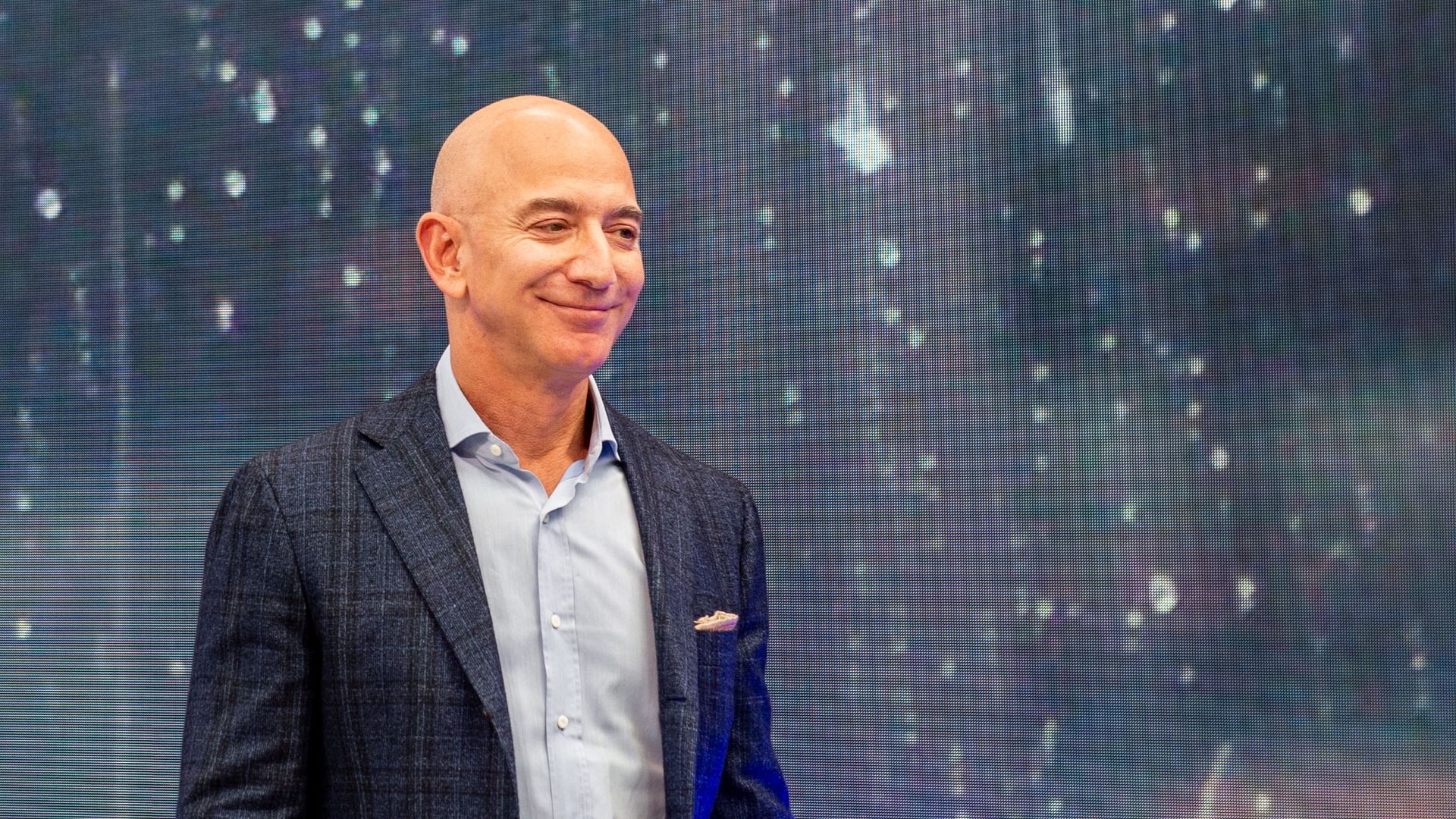
Amazon is creating a $2 billion venture fund that will stake companies working on climate-friendly technologies in transportation, storage, food, power generation, waste and more, the tech giant said Tuesday.
Why it matters: The new fund will help Amazon and other companies meet the "climate pledge" that Amazon announced last year to reach net-zero emissions by 2040.
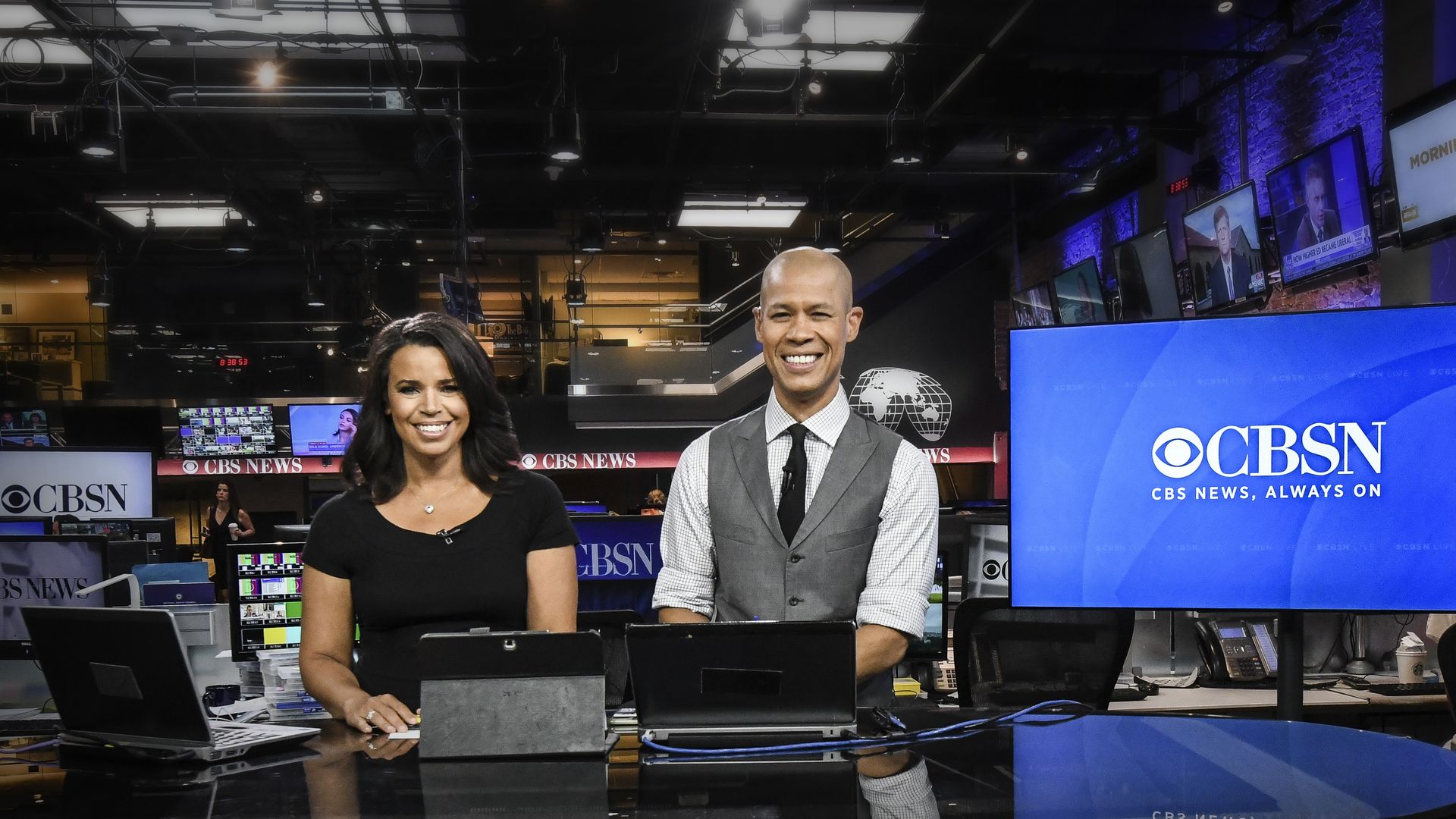
CBSN, the 24/7 digital streaming news service for CBS News, is expanding internationally to pull in more digital TV ad dollars, while also expanding its audience.
The big picture: The company has brokered over-the-top (OTT) TV carriage partnerships with connected TV providers in over 89 countries outside of the United States.
A report from BCA Research published Monday finds Robinhood users are moving into speculative bets at an incredible rate, radically increasing holdings in three groups of stocks — airlines, cruise ships and mortgage REITs.
What's happening: "Retail investors have provided institutions with an opportunity to exit stocks in the three stressed groups," Doug Peta, BCA's chief U.S. investment strategist, writes in the note.
Yale University senior fellow and former Morgan Stanley Asia chairman Stephen Roach is the latest to predict the end of the dollar's run as the world's dominant currency, telling MarketWatch in an interview Monday that his forecast for a sharp deterioration of the greenback could happen "sooner rather than later."
What he said: Roach predicts the dollar will soon decline by 35% against its major rivals. “This massive shift to fiscal stimulus is going to blow out the national savings rates and the current-account deficit,” he said, reiterating comments he made in a recent op-ed published by Bloomberg News on June 14.
The contrast of new and existing U.S. home sales over the past few months portends an interesting potential long-term change for the U.S. economy.
Driving the news: Existing home sales fell to their lowest level in nearly 10 years last month, with prices rising by the smallest annual amount in more than eight years.
U.S. economic data has shown improvement in recent reports, starting with May's nonfarm payrolls report and including new home sales, various Fed manufacturing indexes and retail sales, all showing better-than-expected rebounds.
Why it matters: The momentum could reverse quickly if the coronavirus pandemic picks back up and policymakers drag their feet on renewing stimulus measures, experts say.
White House economic adviser Larry Kudlow says he believes the wealth gap between black and white people has narrowed, and questioned statistics that show the gap now is as wide as it was in the 1960s.
Why it matters: In an interview with "Axios on HBO," President Trump's top economic adviser told Axios' Jonathan Swan that different measures of wealth suggest there has been progress — meaning the advice Trump is getting is out of sync with the conclusion of recent studies.
Across every type of media — music, television, books, podcasts and more — messages about fighting systemic racism and driving social change are topping the charts and dominating the country's attention span.
Why it matters: Just as the late 1960s propelled new soundtracks, movies and shows about social justice, media today will serve as a lasting record of this moment in America's history.
Hospitals that have pocketed tens of millions of dollars in federal coronavirus bailouts are still pursuing big-ticket mergers and acquisitions.
Why it matters: The pandemic has dried up big parts of hospitals' businesses, and that's why Congress established a $175 billion bailout fund to help them. At the same time, they're spending millions on lawyers and advisers to explore deals that expand their business empires.
The CEO of Delta Air Lines repeatedly declined to comment on President Trump's handling of protests over police brutality, claiming that he "can't speak to the president's actions."
"I'm speaking to the people that I'm accountable to. I think their ... top of mind is not what the president is doing in D.C.," Ed Bastian told Jim VandeHei in an interview for "Axios on HBO."