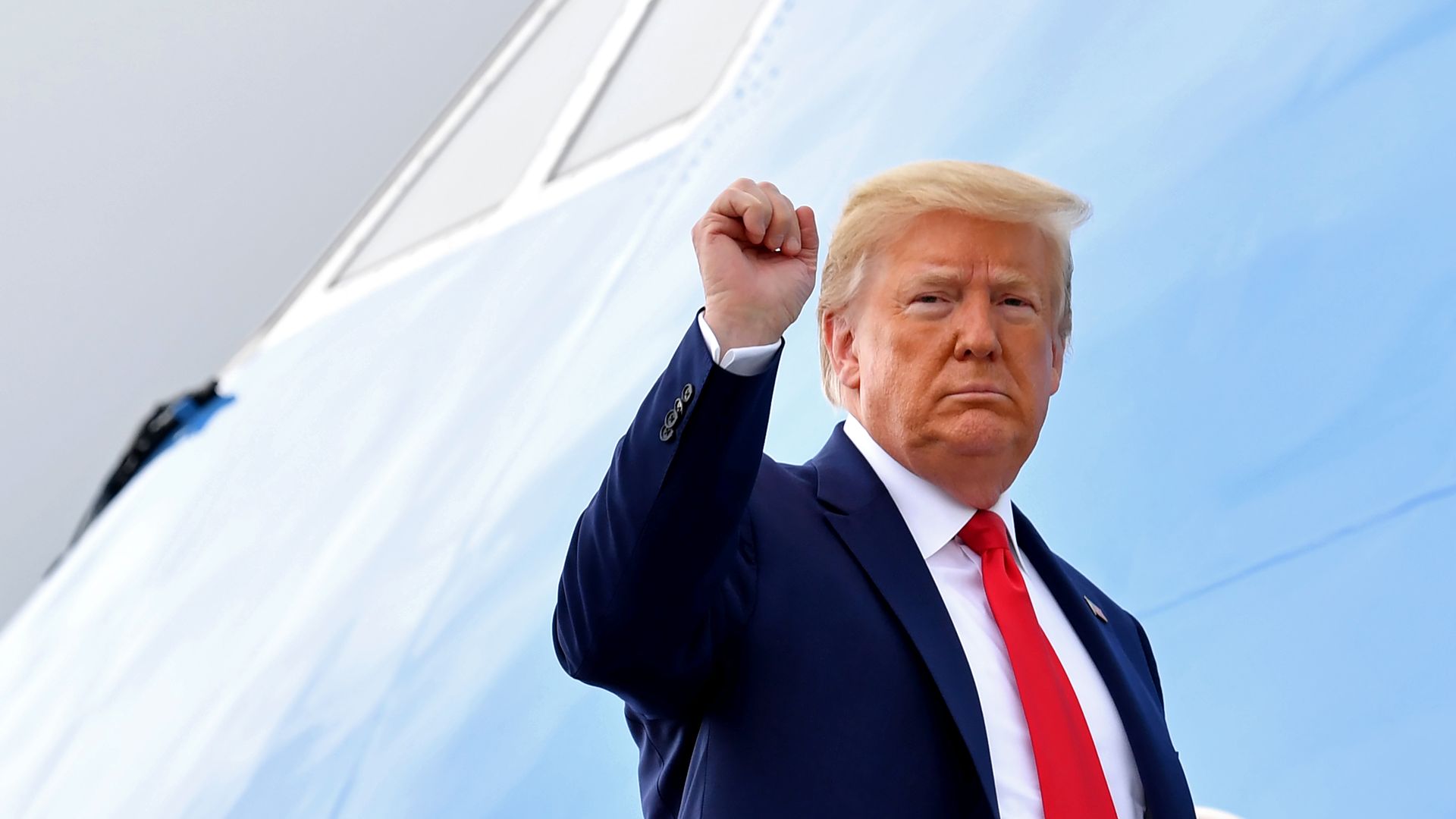
The Trump administration will ban entry into the U.S. for foreigners on certain temporary work visas — including high-skilled H-1B visas— through the end of the year, senior administration officials told reporters Monday afternoon.
Why it matters: The highly-anticipated immigration restrictions expand on President Trump's earlier coronavirus-related immigration ban introduced in late April — which was also extended through the end of the year.
The Hollywood Foreign Press Association said Monday it will push back the 78th annual Golden Globe awards to Feb. 28, the original date for the Oscars, due to uncertainty in TV and movie production stemming from the coronavirus pandemic.
The big picture: The Golden Globes are typically held on the first Sunday of January, kicking off Hollywood's awards season. The Academy of Motion Picture Arts and Sciences and ABC last week decided to also delay the Oscars by two months due to the pandemic.
Indigo Ag, a Charlestown, Mass.-based developer of crop sustainability and selling solutions, raised around $300 million in new Series F funding, Axios has learned.
Why it's the BFD: Indigo is the world's most highly valued agtech startup, with a $3.5 billion post-money valuation.
The shale sector is entering a "great compression" that could bring a "deep consolidation" as companies collectively face hundreds of billions of dollars worth of write-downs on their assets, a new Deloitte analysis finds.
Why it matters: The report shows how depressed oil prices stemming from the COVID-19 pandemic are slated to take a big toll on the sector, which was already struggling with debt and weak cash flow even before the crisis.
The amount of foreign money flowing into onshore Chinese bonds more than doubled in May from its previous monthly total and the proportion of the bonds held by foreign investors rose to the highest level on record, Chinese government data showed.
What's happening: Ultra-low bond yields in the U.S., eurozone and other developed markets seem to be driving money to China, even as its yuan currency depreciates below 7-to-1 against the dollar.
U.S. banks are seeing deposits skyrocket and are pulling back on loans in the face of the coronavirus pandemic, newly released data from the Federal Reserve show.
Why it matters: It's the latest sign of trouble for the banking sector and the economy — a signal that consumers and businesses aren't starting new projects or focusing on growth, and are instead socking away cash.
Call it the Robinhood effect. In a tectonic shift that shows how the coronavirus pandemic has upended seemingly every part of our reality, millennials and Gen Z have started to abandon video games and sports betting in favor of a new craze: the stock market.
Why it matters: While many have wagged their fingers at what they see as overconfident and underprepared youngsters day trading on their smartphones, the stock market's new school — a collection of sports bettors, the newly unemployed, Reddit aficionados and eager young investors — is growing into a force on Wall Street.