The pandemic’s upending of the way we work and live has roiled the job market — triggering hiring surges in some sectors and massive slumps in others.
Why it matters: Look for some of the pain to last beyond the end of the pandemic. “If some of the increase in remote work, distance learning and online entertainment is permanent, these jobs will be threatened by the new at-home economy,” says Julia Pollak, a labor economist at ZipRecruiter.
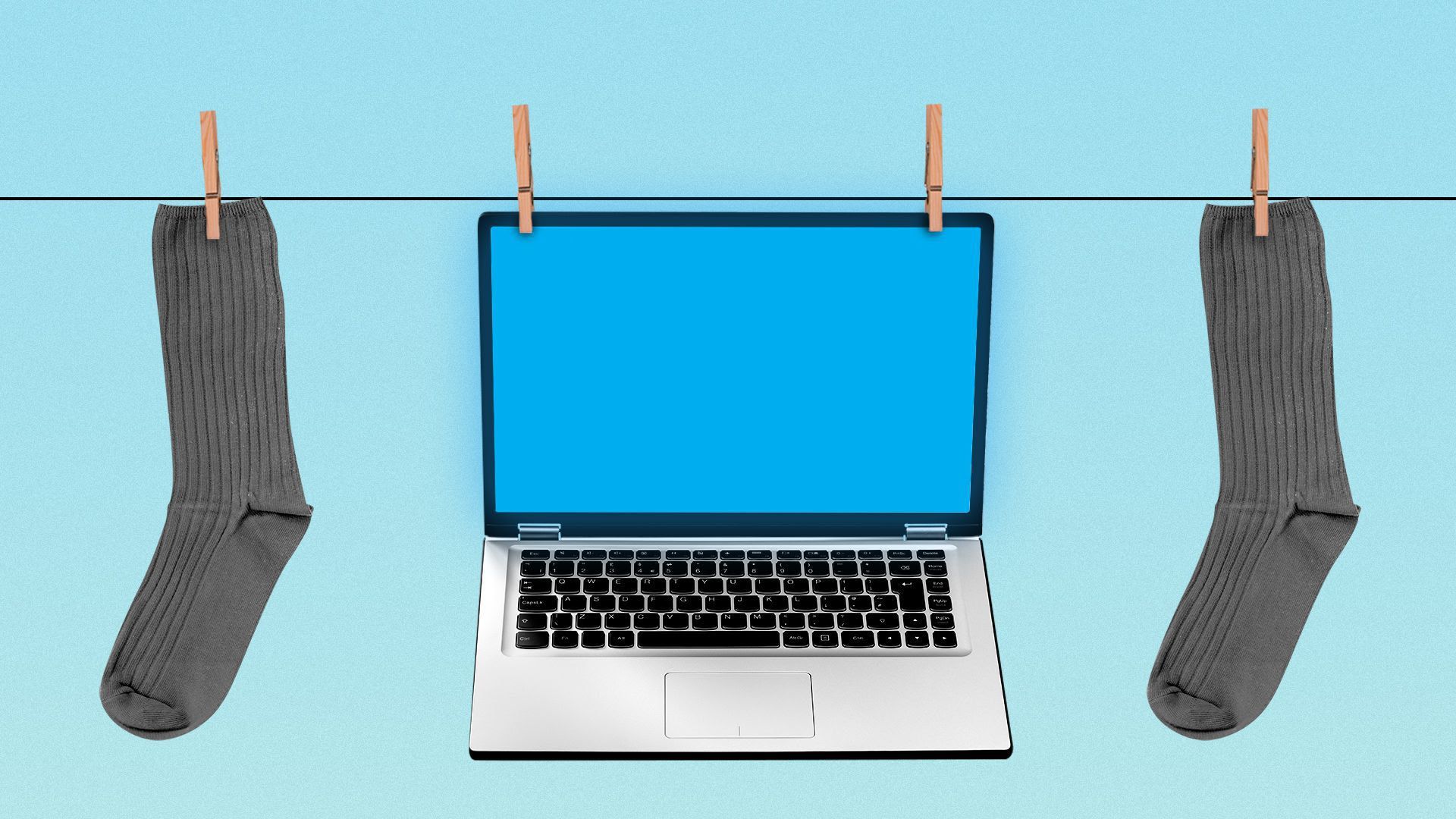
While the coronavirus' months-long work-from-home experiment is working out for some firms and their employees, many other workers are stressed out or cooped up in their homes — and eager to return to their workplaces.
Why it matters: Corporate America's decision to send their workers home in March was an overnight one, but bringing those people back will take much longer. It'll happen over months and in phases.
There are a slew of tasks — cooking, cleaning, child care — that come with the at-home economy, and these burdens are disproportionately taken on by women.
Why it matters: Prompting stay-at-home orders around the country, the coronavirus has exacerbated the consequences of this unequal division of unpaid labor.
Sweetgreen CEO Jonathan Neman told Axios' Dan Primack during a virtual event on Tuesday that he does not regret returning the $10 million Paycheck Protection Program loan the company qualified for, even as it furloughed nearly 2,000 employees amid the coronavirus pandemic.
The big picture: He said the salad chain has "been able to get back a lot of our business and, I think, in a weird way, we’re very well-positioned for the other side of this" as it has seen an acceleration in all delivery channels — with pickup orders leading the way.
The priority in reopening the NYSE trading floor was preventing a COVID-19 outbreak, Stacey Cunningham, NYSE president, told Axios' Dan Primack on Tuesday during a virtual event.
The big picture: For the first time in the exchange's 228 years, the NYSE announced on March 18 that it would temporarily close its trading floors to move to fully electronic trading on March 23.
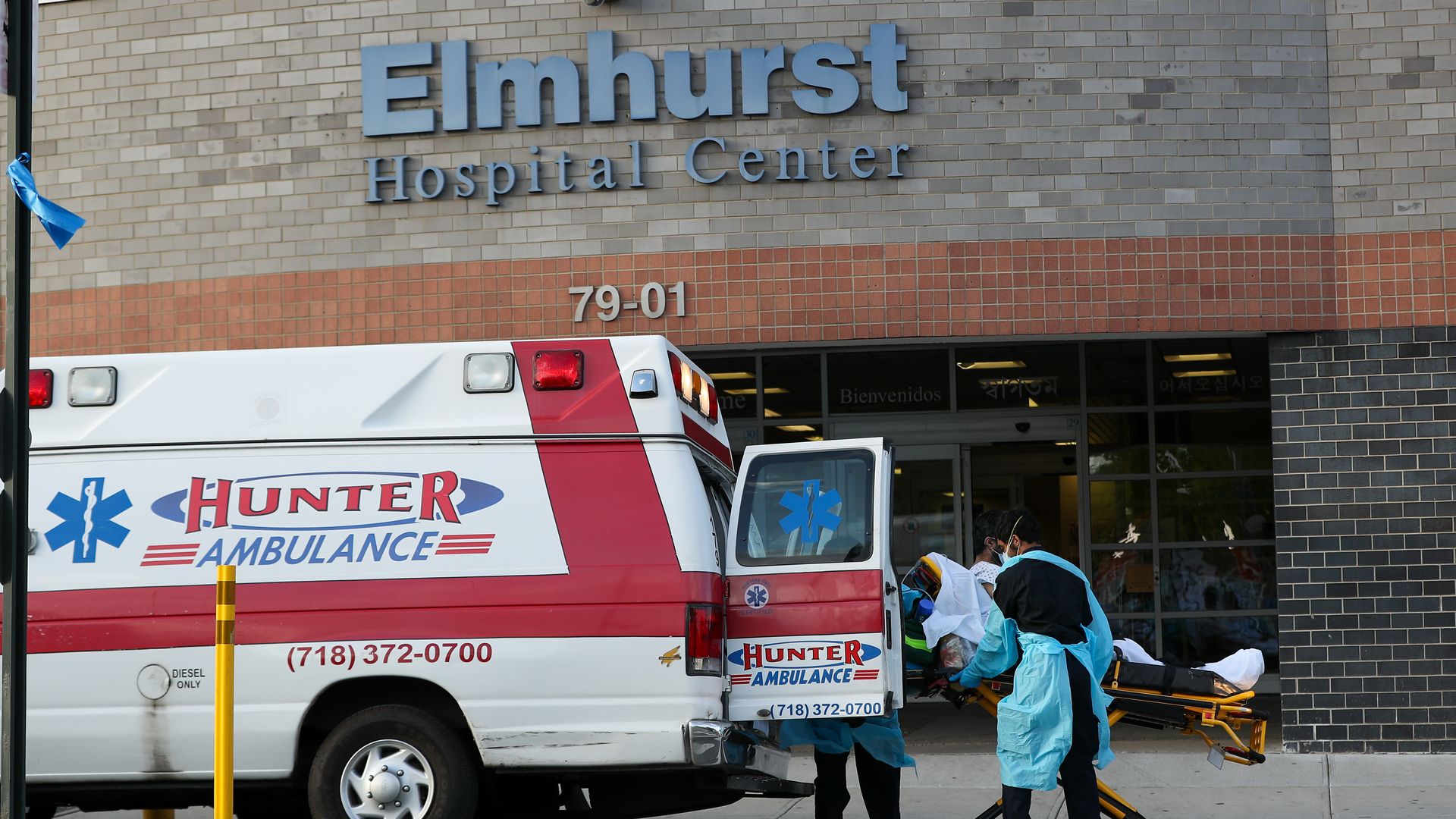
The Department of Health and Human Services said Tuesday it is distributing $25 billion to health care providers most at risk of financial collapse from the coronavirus pandemic. Facilities that treat predominantly poorer patients had been largely shut out from previous relief funding, which drew criticism from health policy experts.
Details: HHS will send $15 billion to doctors, hospitals and other providers that mostly see Medicaid patients and have not received coronavirus bailout funds yet, as well as $10 billion to safety net hospitals and facilities that treat large amounts of indigent patients. This money will come from a $175 billion fund Congress created earlier this year.
Josh Harris of Apollo Global Management and David Blitzer of Blackstone Group reportedly have held talks to buy the New York Mets from the Wilpon family, as first reported by Variety.
Why it matters: There is no baseball right now. And not too much hope for a season at all, as millionaire players and billionaire owners continue to stubbornly bicker over their respective shares of an ever-shrinking revenue pie. The Mets' dysfunction, on the field and off, appears to be contagious.
Airbnb has restarted internal conversations about going public in 2020, something unthinkable just a month ago, per multiple sources close to the company.
The big picture: Stock markets are no longer moored to macroeconomic conditions or financial performance, and IPOs are riding the tsunami.
Tesla is hailing the air quality benefits of less pollution from internal combustion engine vehicles during the lockdowns, calling it a temporary glimpse of what's possible in the long term, Bloomberg reports.
The intrigue: CEO Elon Musk has railed against stay-at-home orders, even calling them "fascist," and has also battled local officials as he sought to re-open the company's plant in Fremont, California.
The protests have forced many media companies to seriously reckon with their own long-standing policies around newsroom diversity, social media use, activism and coverage of race issues.
The big picture: The protests are also forcing some outlets to take a harder look at whether and how they should allow journalists to publicly support or speak out about issues they care about.
It doesn't take a $100 million SoftBank fund or a $1 billion Bank of America initiative to help increase racial equality in the United States.
The state of play: There is much that concerned investors can do to help curtail the racial wealth gap and general systemic racial inequality that is at the heart of the protests currently happening in the U.S. and around the world.
The fast-moving world of Twitter has become the nerve center of the American news cycle — as evidenced by record-breaking downloads and engagement for the service last week.
Why it matters: Twitter is our mediaverse's grand interface between journalism and social media. While news organizations play a central role in sharing links to their coverage on Twitter, much of the visual content shared in real time during breaking news events like protests is shared by everyday users.
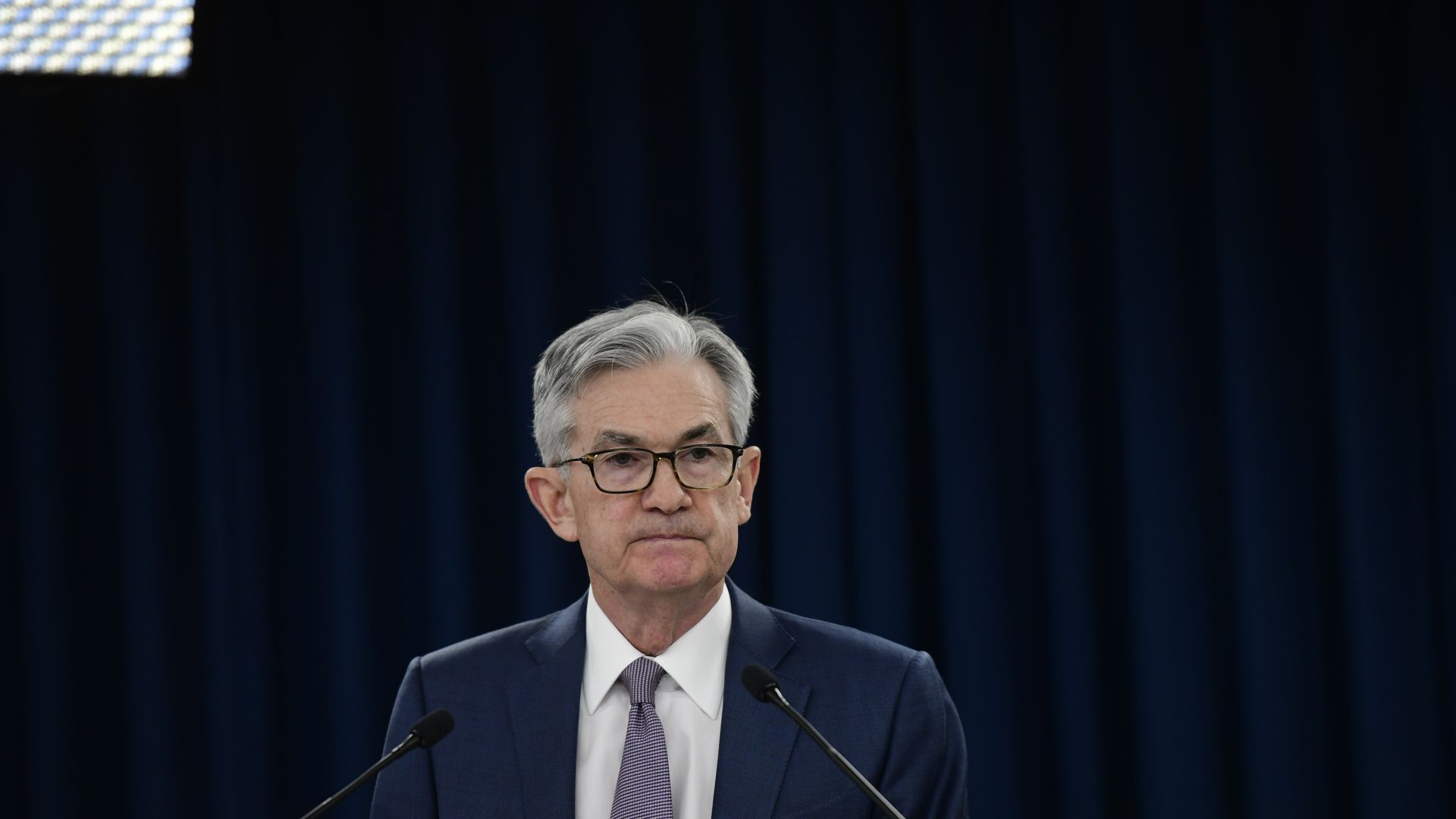
The Fed expanded yet another of its special purpose vehicles Monday, increasing eligibility for its Main Street Lending Program and raising the percentage of the loans that it will take on to 95%.
What it means: The Main Street program is the Fed's attempt to get money directly to more American businesses that have been left out of the Paycheck Protection Program and other CARES Act initiatives.
The U.S. saw its largest ever decline in the number of business owners between February and April, as at least 3.3 million shut their doors, a new paper from the National Bureau of Economic Research using the Census Bureau's Current Population Survey found.
What it means: The record wave of closures was widespread but disproportionately hit minority- and immigrant-owned firms, and "may portend longer-term ramifications for job losses and economic inequality," the study found.
Professional investors have largely abandoned the stock market amid the coronavirus pandemic, but sports bettors and bored millennials have jumped into the retail stock trading market with both feet.
Why it matters: They may be a driving force pushing U.S. stocks to their recent highs — and potentially driving them further.
Black Americans are paying more attention than white Americans to every element of the coronavirus outbreak, according to a new survey by the Pew Research Center.
Why it matters: Black Americans have been disproportionately hit by the pandemic and its economic fallout. This survey could simply reflect that people pay more attention to stories that hit closer to home.
A slew of high-level resignations from top news editors over the past week shows how much pressure the current racial protests is putting on media companies to confront their own shortcomings on diversity and on covering race issues.
Driving the news: Top editors at Bon Appétit, Refinery29, The New York Times and The Philadelphia Inquirer have all resigned in the past week due to their handling of sensitive stories about race, the Black Lives Matter protests, or newsroom culture.
The S&P index of top health care companies finished Monday higher than where it opened the year.
The big picture: A global coronavirus pandemic, social unrest, mass unemployment, and the halting of medical procedures hasn't been enough to derail Wall Street's rosy view of the health care industry.
















/2020/06/09/1591702479502.gif?w=3840)