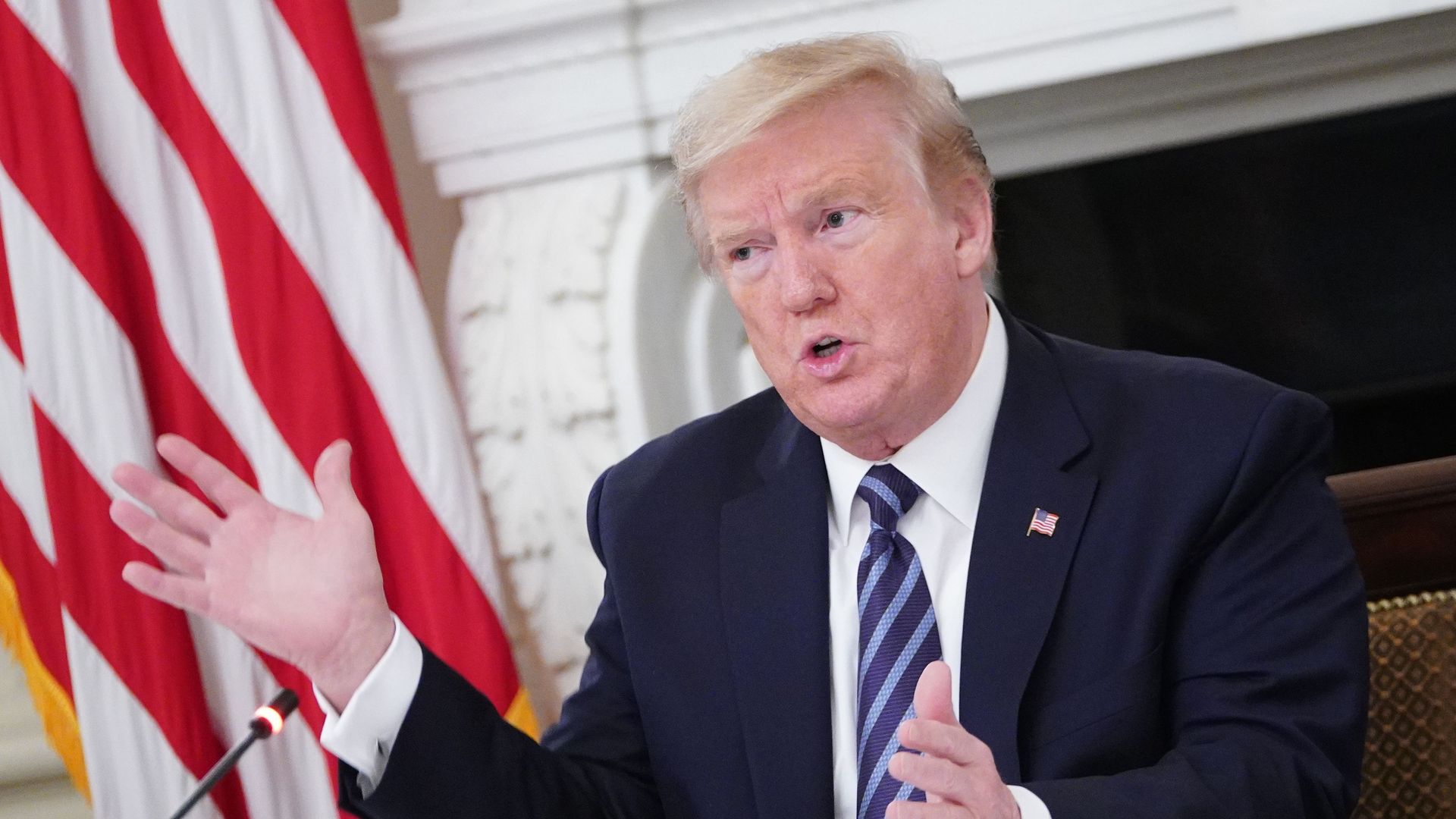
White House economic adviser Kevin Hassett said on CBS News' "Face the Nation" on Sunday that he believes the unemployment rate will surpass 20% and peak in May or June.
Why it matters: With April's jobs report showing a catastrophic 14.7% unemployment rate, this is the "biggest negative shock to the jobs market that we've seen since World War II," Hassett said.
Treasury Secretary Steven Mnuchin said on "Fox News Sunday" that the White House may wait "a few weeks" before considering another relief bill to stem the economic devastation of the coronavirus.
The big picture: President Trump said last week that he's "in no rush" to negotiate a deal for another stimulus package, just as the U.S. reported its worst unemployment rates since the Great Depression.
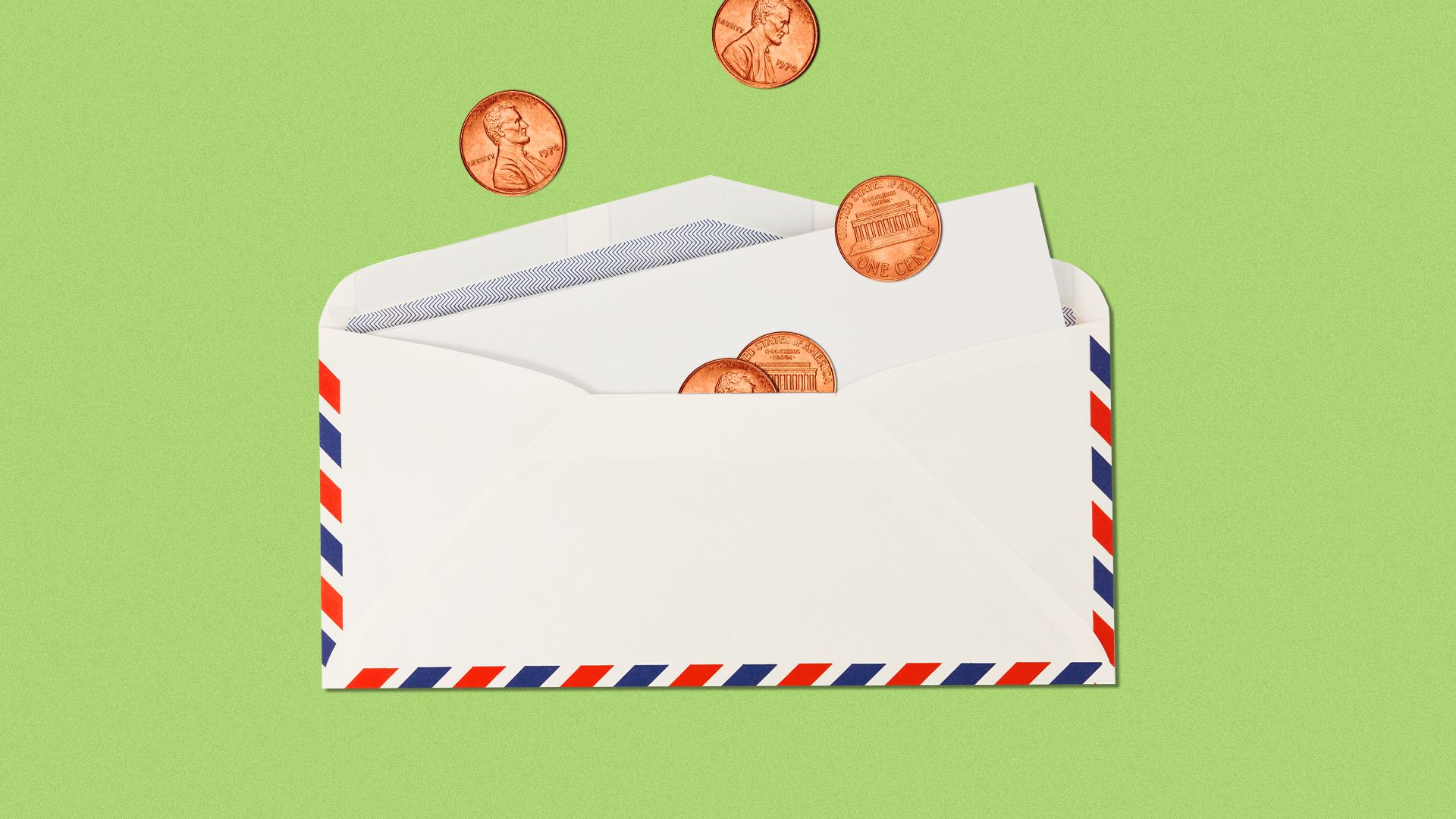
The coronavirus pandemic could cause remittance payments around the world to drop by 20%, the sharpest decline in history — threatening the livelihoods of the families who rely on them, the World Bank projects.
Why it matters: Families across the globe are depending on remittances more than ever as the coronavirus crisis batters local economies. Without them, millions will struggle to pay for basic needs, such as housing, health care and education.
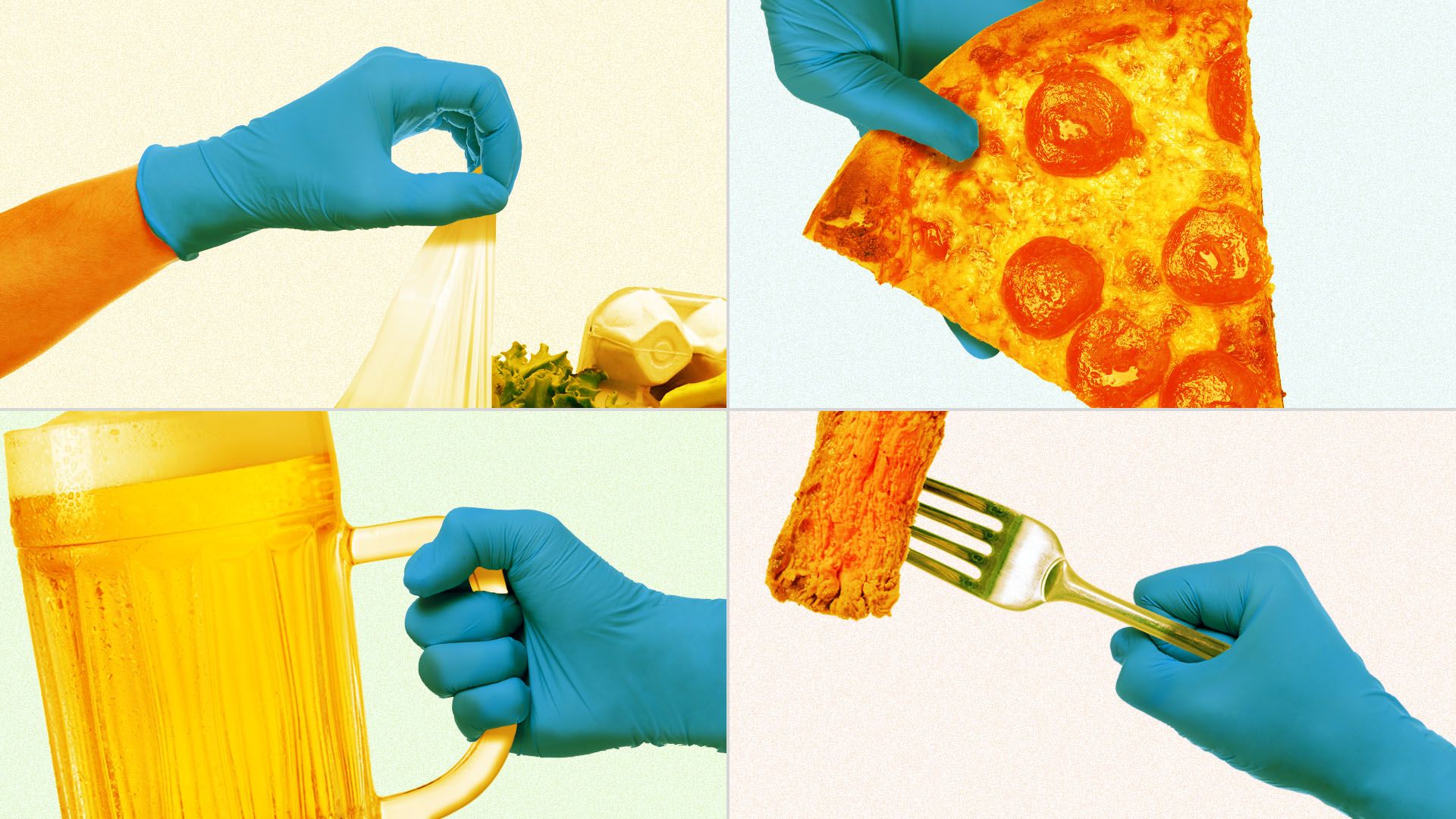
Now that we're all sheltering in place, convenient childhood food favorites — like hot dogs, soup, and macaroni and cheese — are trumping the healthy options that prevailed pre-coronavirus.
Why it matters: A lot of food trends from the beginning of the year — the popularity of plant-based meat substitutes, low-alcohol/no-alcohol drinks, and products billed as organic or sustainable — have been tossed out the window.
Childcare centers are in uncharted territory as they try to figure out when — and how — to reopen without risking further coronavirus spread.
Why it matters: People can't go to work if their young kids aren't cared for, but the unknown effects of COVID-19 on children, and their role in transmitting it, adds more worry about the risks.
College students are rethinking their next year of school, especially if their fall semester looks to be 15 weeks of online classes without dorms, dining halls or classmates.
The big picture: Millions of college students may suddenly find themselves in a gap year, traditionally taken between high school and college to travel or to work for internships, which are likely out of the question during an ongoing pandemic.
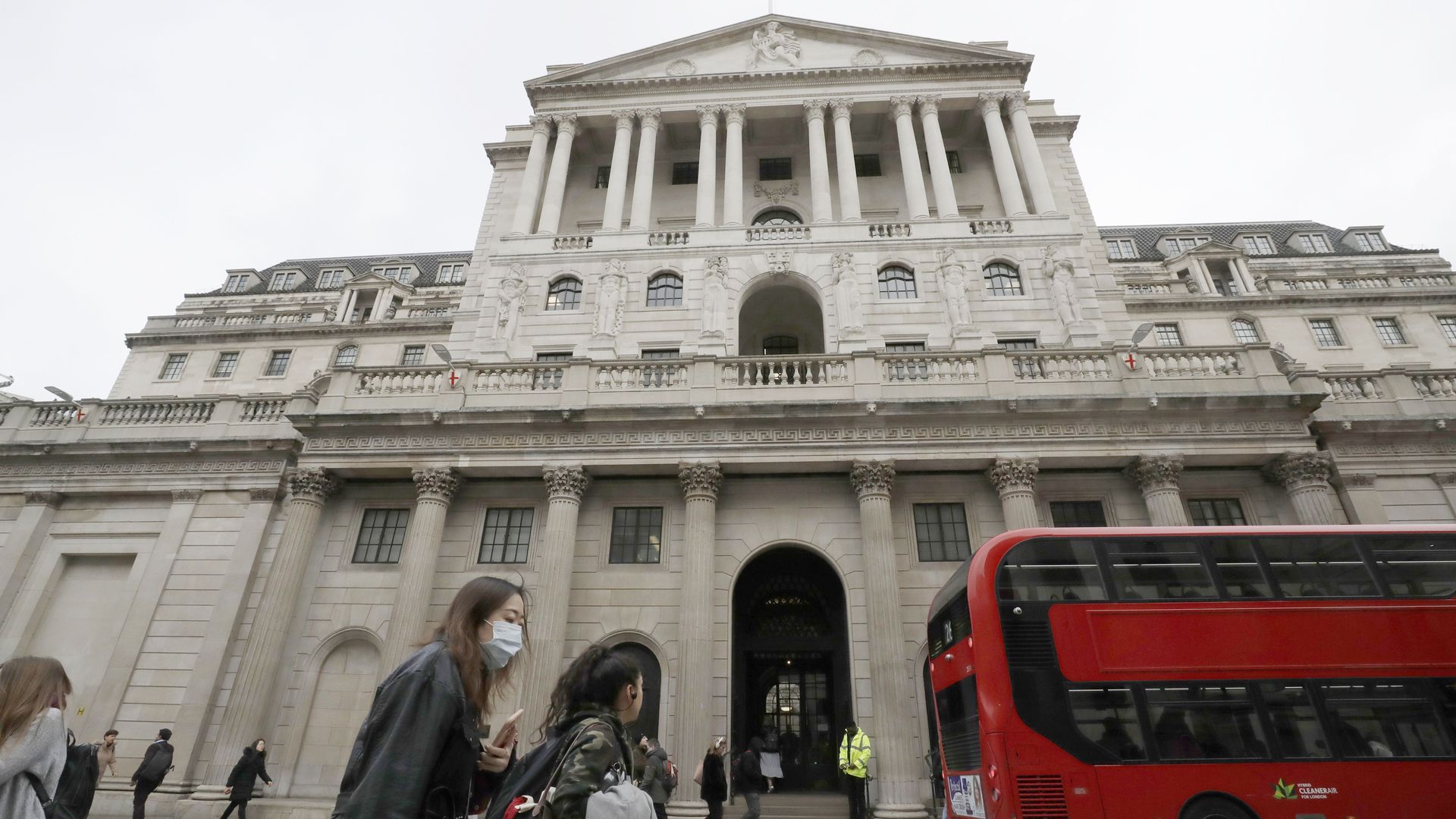
The United Kingdom is on track to enter its deepest annual recession in three centuries, the Bank of England forecast this week in its monetary policy report, the Financial Times writes.
The big picture: In March, the global market began seeing economic effects of the novel coronavirus outbreak morphing into a depression unlike any the world has seen in generations.
The reality, incredibly, is worse than the data. Neil Irwin, N.Y. Times senior economics correspondent, captures one of the most sobering reasons: "Almost Every Job Is at Risk."
The big picture: "April 2020 — more technically, the period between the second week of March and the second week of April — was the worst month for American workers at least since the Great Depression and possibly in the history of the nation."
President Trump said Friday while talking to House Republicans that he's "in no rush" to negotiate a deal for another stimulus package, just as the U.S. reported its worst unemployment rates since the Great Depression.
The state of play: White House economic adviser Larry Kudlow told reporters Friday, "We've kind of paused as far as formal negotiations go ... Let's have a look at what the latest round [of funding] produces, give it a month or so to evaluate that," per AP.