Childcare centers are in uncharted territory as they try to figure out when — and how — to reopen without risking further coronavirus spread.
Why it matters: People can't go to work if their young kids aren't cared for, but the unknown effects of COVID-19 on children, and their role in transmitting it, adds more worry about the risks.
College students are rethinking their next year of school, especially if their fall semester looks to be 15 weeks of online classes without dorms, dining halls or classmates.
The big picture: Millions of college students may suddenly find themselves in a gap year, traditionally taken between high school and college to travel or to work for internships, which are likely out of the question during an ongoing pandemic.
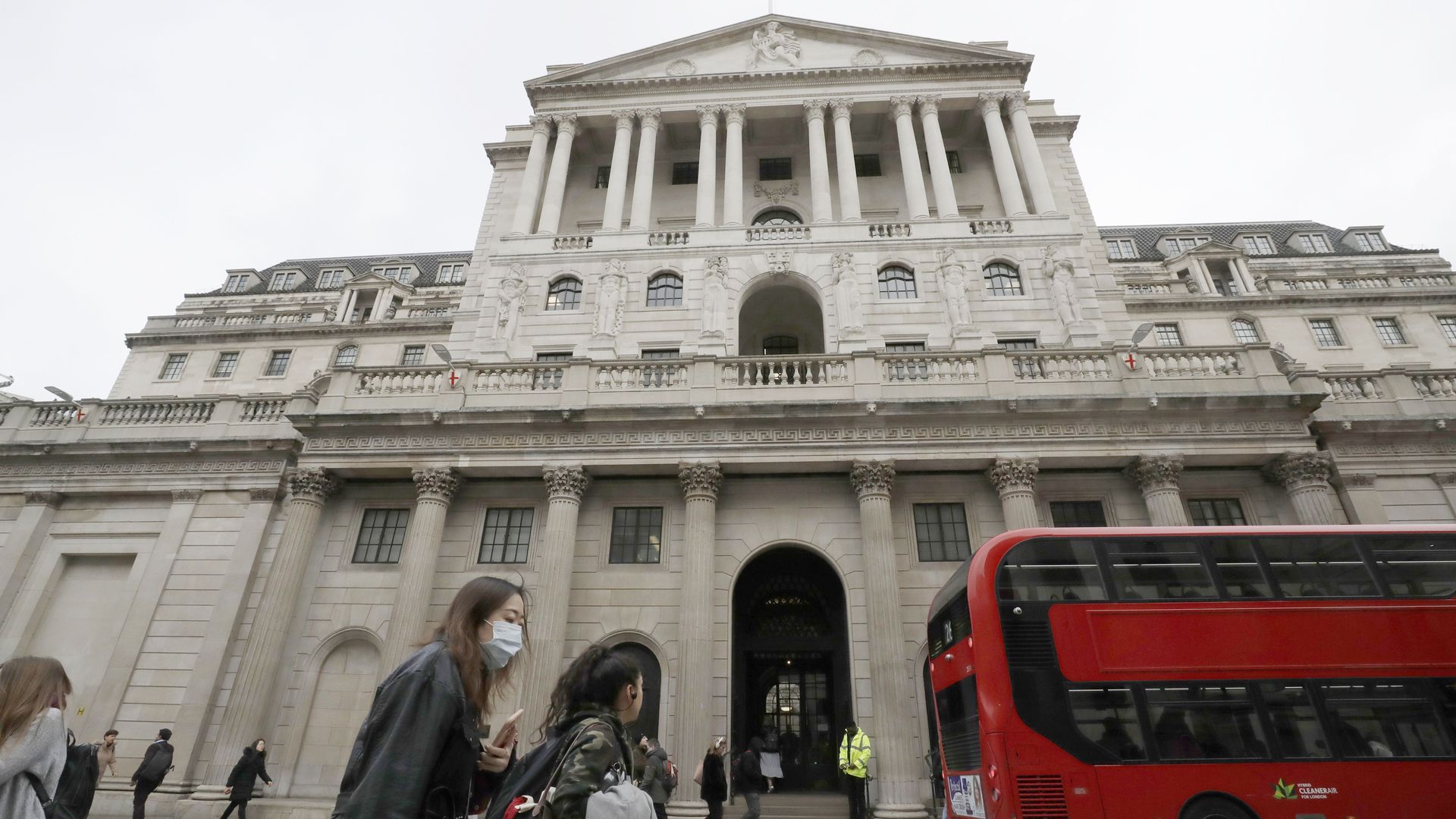
The United Kingdom is on track to enter its deepest annual recession in three centuries, the Bank of England forecast this week in its monetary policy report, the Financial Times writes.
The big picture: In March, the global market began seeing economic effects of the novel coronavirus outbreak morphing into a depression unlike any the world has seen in generations.
The reality, incredibly, is worse than the data. Neil Irwin, N.Y. Times senior economics correspondent, captures one of the most sobering reasons: "Almost Every Job Is at Risk."
The big picture: "April 2020 — more technically, the period between the second week of March and the second week of April — was the worst month for American workers at least since the Great Depression and possibly in the history of the nation."
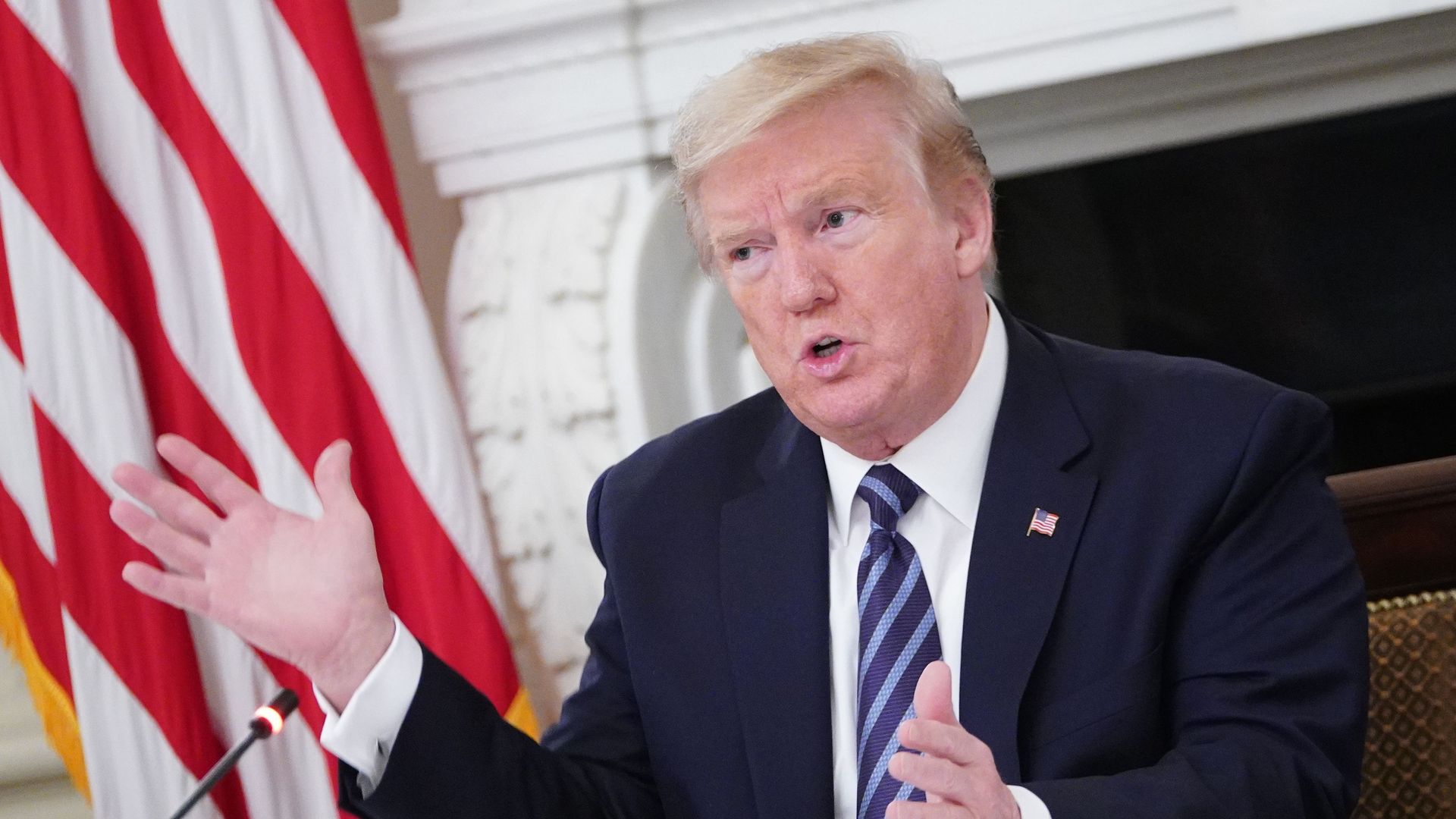
President Trump said Friday while talking to House Republicans that he's "in no rush" to negotiate a deal for another stimulus package, just as the U.S. reported its worst unemployment rates since the Great Depression.
The state of play: White House economic adviser Larry Kudlow told reporters Friday, "We've kind of paused as far as formal negotiations go ... Let's have a look at what the latest round [of funding] produces, give it a month or so to evaluate that," per AP.
Rural, minority and women-owned businesses may not have received loans as intended through the federal Paycheck Protection Program due to a lack of prioritization by the Small Business Administration, the agency's inspector general said in a Friday report.
America's unemployment rate is now at its highest since the Great Depression, and it's likely a major underestimate.
The big picture: More than 30 million have filed for unemployment since the coronavirus lockdowns started — the government said there were 20.5 million net jobs lost in April alone — but the fallout has been far from equal.
Self-driving cars are the kind of speculative, cash-gobbling experiment that typically gets axed at a time like this. But if anything, this pandemic has shown the demand for autonomous vehicles could be larger than expected.
Why it matters: People are re-examining their personal transportation options to maximize social distancing while discovering they can get almost anything they need delivered quickly to their home — two trends that could radically change the future of transportation.
This week I'm driving the 2020 Mini Cooper SE, a cute little electric hatchback that provided a few surprises.
The big picture: Mini, owned by BMW, was actually a pioneer in electrification a decade ago, before Tesla burst on the scene, notes CNET. But the 2009 Mini-E was mostly built for demonstration fleets and never offered for sale. Now the first electric Mini is finally available.
Volvo Cars is preparing to launch its first fully self-driving technology for highways using lidar and perception technology provided by Luminar, an ambitious tech startup.
Why it matters: The partnership is a major milestone for both companies.
The global pandemic may be reinforcing the logic for self-driving cars, but the economic fallout is likely to accelerate the consolidation trend that was already underway.
What it matters: Self-driving technology is a difficult — and expensive — challenge, and many companies have decided they are better off pooling resources. Only a handful of well-capitalized players will likely make it across the finish line.
Zoom acquired Keybase, a New York-based encrypted messaging platform, for an undisclosed amount.
Why it matters: This is Zoom's first-ever acquisition in its nine-year history, and comes as the videoconferencing giant scrambles to patch security holes. The deal is intended to let Zoom offer end-to-end encryption for calls with large numbers of participants, which has proven to be challenging for rivals, although it only plans to make the feature available to paying customers.
Seventy-five dealmakers and small business owners yesterday crowded into a Zoom call to be greeted by their host, who had originally planned to make his remarks in front of a live audience in Dallas. The participants, many of whom represented private equity firms and family offices, then split off into a lengthy series of 1-on-1 meetings.
Why it matters: Large-market private equity is mostly sitting on the sidelines right now, outside of some opportunistic minority deals, but lower middle-market activity remains relatively vibrant.
The U.S. economy shed a record 20.5million jobs in April as the unemployment rate skyrocketed to 14.7% — more than quadrupling from the rate seen before the coronavirus outbreak — according to government data released Friday.
Why it matters: It's by far the worst jobs report in history, highlighting the depth of the unprecedented toll the pandemic is having on the labor market.
Americans pulled back on revolving credit — namely their credit card use — as states began to impose shelter-in-place orders, new data from the Federal Reserve shows.
Why it matters: It’s the latest indication of how the coronavirus is changing consumer behavior.
Friday's horrific jobs report will catch the eye of even the most casual economic data watcher, but don’t be surprised if the stock market shrugs.
Why it matters: Grim economic news hasn't derailed the market's comeback. The stark difference between what's happening in the coronavirus-hit economy vs. the stock market has never been more on display.
Companies that fail their "say-on-pay" votes — in which shareholders give thumbs-up or thumbs-down on the compensation of the C-suite — tend to perform worse than the market and their peers, research from Morgan Stanley finds.
Why it matters: "Say-on-pay failures should be taken as a meaningful red flag for investors," the firm says, noting that there's increased scrutiny of CEO pay this year as COVID-19 forces mass layoffs and furloughs.
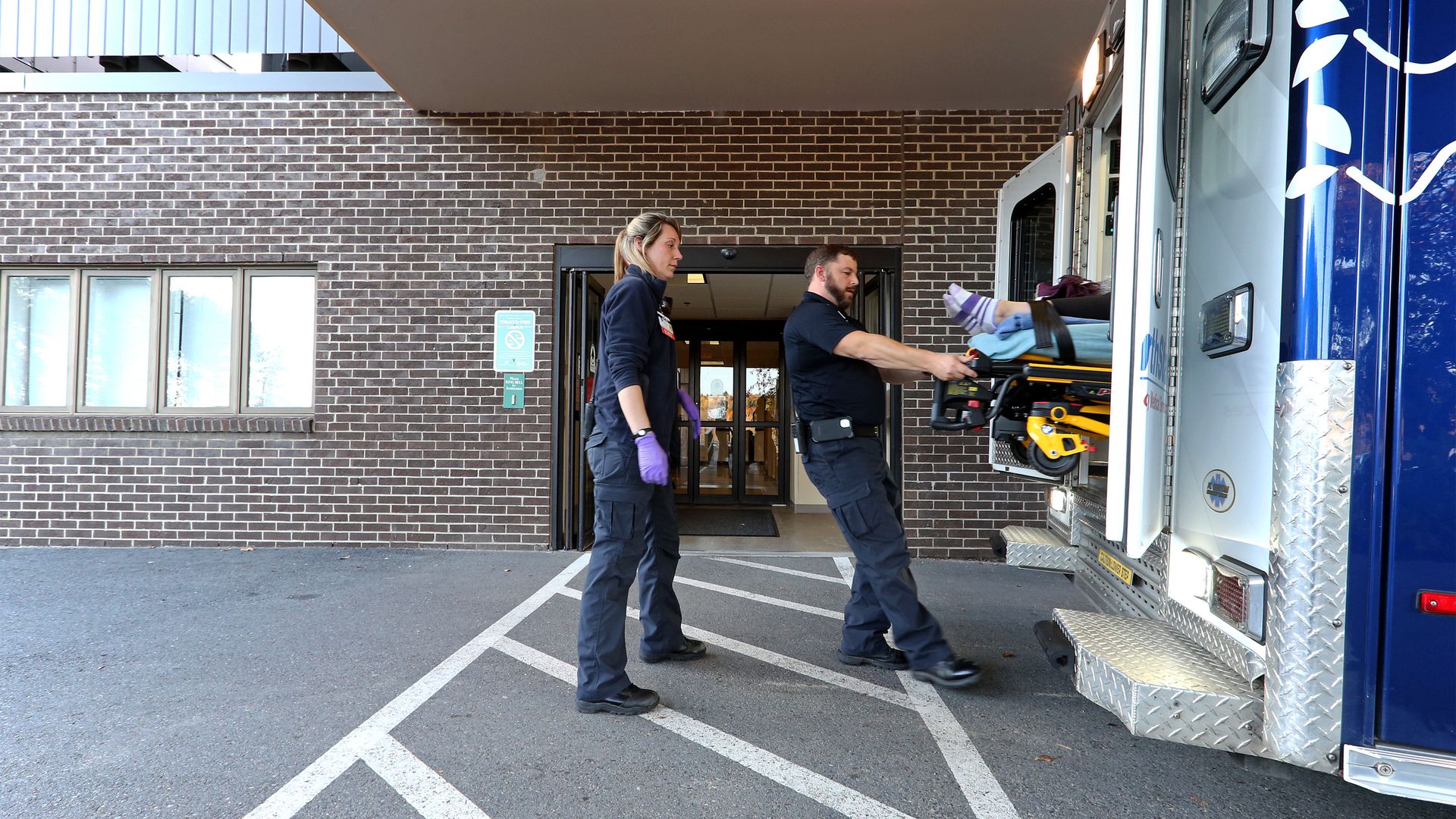
Small hospitals going through bankruptcy are suing the Small Business Administration, arguing it is unlawful for the federal government to deny them loans under the Paycheck Protection Program.
Why it matters: Allowing bankrupt hospitals access to PPP loans could keep their doors open, and could force the federal government to reverse its stance and allow other bankrupt firms to get PPP loans.











/2020/05/08/1588954485528.gif?w=3840)