SpaceX has penned a deal with the space tourism outfit Space Adventures to launch private citizens to orbit aboard the company's Crew Dragon capsule.
Why it matters: SpaceX is building and testing the Crew Dragon to fly astronauts to the International Space Station, but this announcement shows they're thinking about orbital space tourism as a possible driver of revenue for them in the future.
In 2018, China implemented a ban on importing waste including recyclables, which suddenly left many U.S. cities without a market for their paper, plastics and more. Pro Rata producer Naomi Shavin and Axios reporter Erica Pandey discuss the fallout from the ban and the technological and economic shifts that could help recycling in the U.S.
Dairy Farmers of America, the country’s largest milk co-op, said on Monday that it’s reached a deal to purchase a “substantial portion” of the bankrupt milk company Dean Foods.
Details: DFA will pay a base purchase price of $425 million to acquire 44 of Dean’s facilities and associated direct store delivery system plus other assets.
The death of the company behind HQ Trivia is a reminder of just how hard it is to win in the hit-driven games business.
Why it matters: Those seeking to invest in or value game startups would be wise to remember this the next time a company based upon a single premise turns briefly red-hot.
Playground Global is rebuilding, months after the departure of controversial founder Andy Rubin and just days after the failure of its highest-profile investment, Rubin's mobile-phone startup Essential Products.
What's new: Laurie Yoler, a Silicon Valley veteran with both investing and operating chops, has joined Playground Global as its fifth general partner.
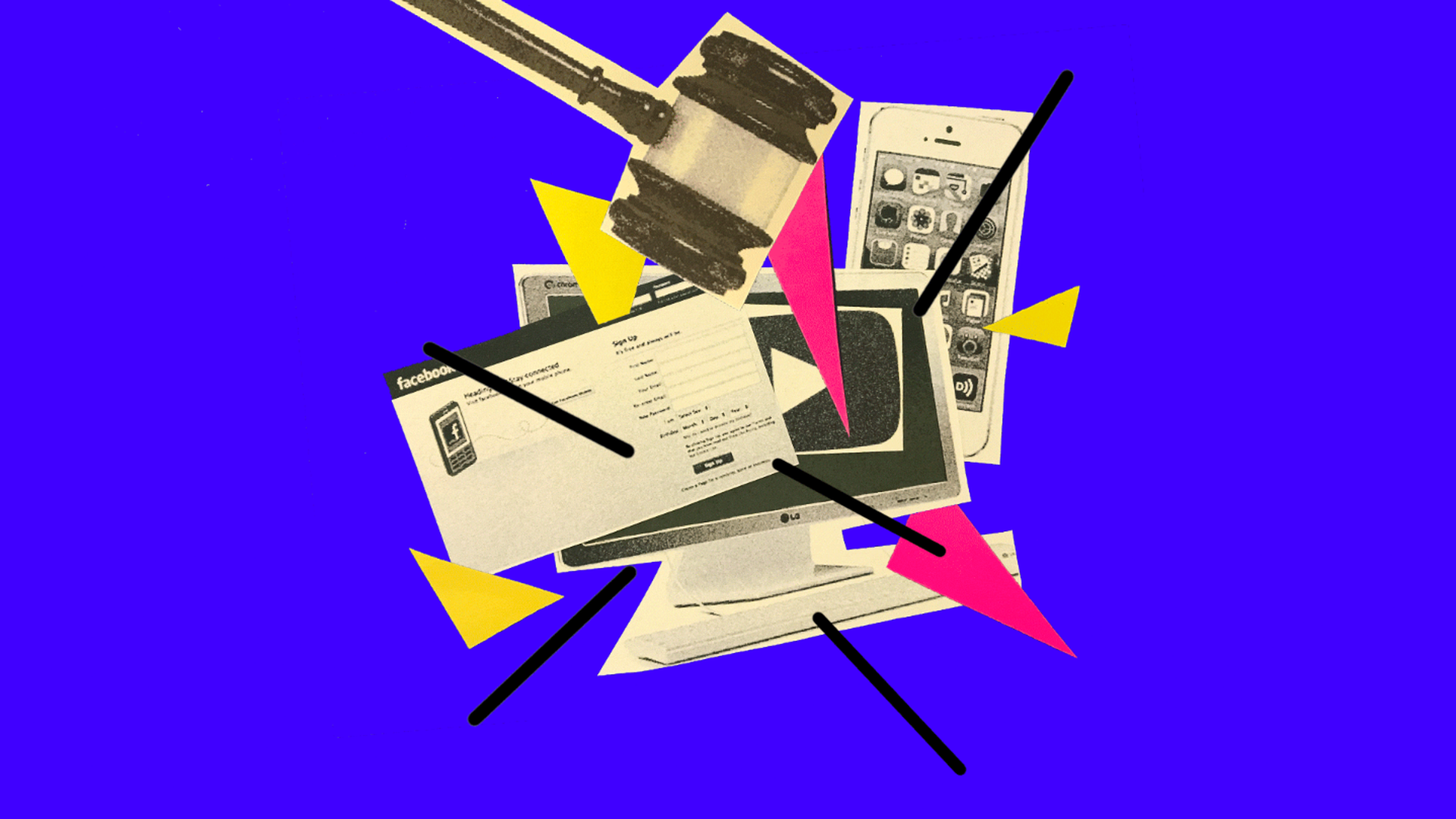
The News Media Alliance, a trade group which represents thousands of U.S. newspapers, plans to propose limits to a rule that, to-date, has helped Big Tech companies dodge responsibility for the content people upload to their platforms.
The big picture: The 24-year-old provision,Section 230 of the 1996 Communications Decency Act, allows tech companies like Google, Facebook and Twitter to host user-generated content on their platforms without being liable for what it contains.
An explosion in people paying for music via streaming services is helping to revive the decades-old record label business, which is now preparing for a slew of public offerings.
Why it matters: "There hasn't been this much optimism in the music business since the invention of the CD," says Ross Gerber, co-founder, president and CEO of Gerber Kawasaki Wealth and Investment Management.
Mexico's central bank cut interest rates to 7% last week, marking the 800th interest rate cut by a central bank since the Lehman Brothers' bankruptcy in September 2008, Bank of America Global Research notes.
What's happening: The number of rate cuts from central banks have picked up steam since last year when the global economy's growth rate stumbled to its slowest since the financial crisis.
U.S. industrial production fell by 0.3% in January, month over month, and the previous month was revised down to -0.4%, according to the Federal Reserve.
By the numbers: The reading brings the annualized rate to -0.8% and is the fifth reading in a row below zero.
Worries are growing that the economic impact from the novel coronavirus outbreak will be worse than expected and that markets are being too complacent in factoring it in as a risk.
What's happening: The number of confirmed cases has already far outpaced expectations and even those reports are being viewed through a lens of suspicion that the Chinese government is underreporting the figures.
While big national newspapers grow stronger, local newspaper chains that have for decades kept the vast majority of the country informed are combusting.
Why it matters: The inequity between giants like the New York Times and the Wall Street Journal and their local counterparts represents a growing problem in America as local communities no longer have the power to set the agenda for the news that most affects them.
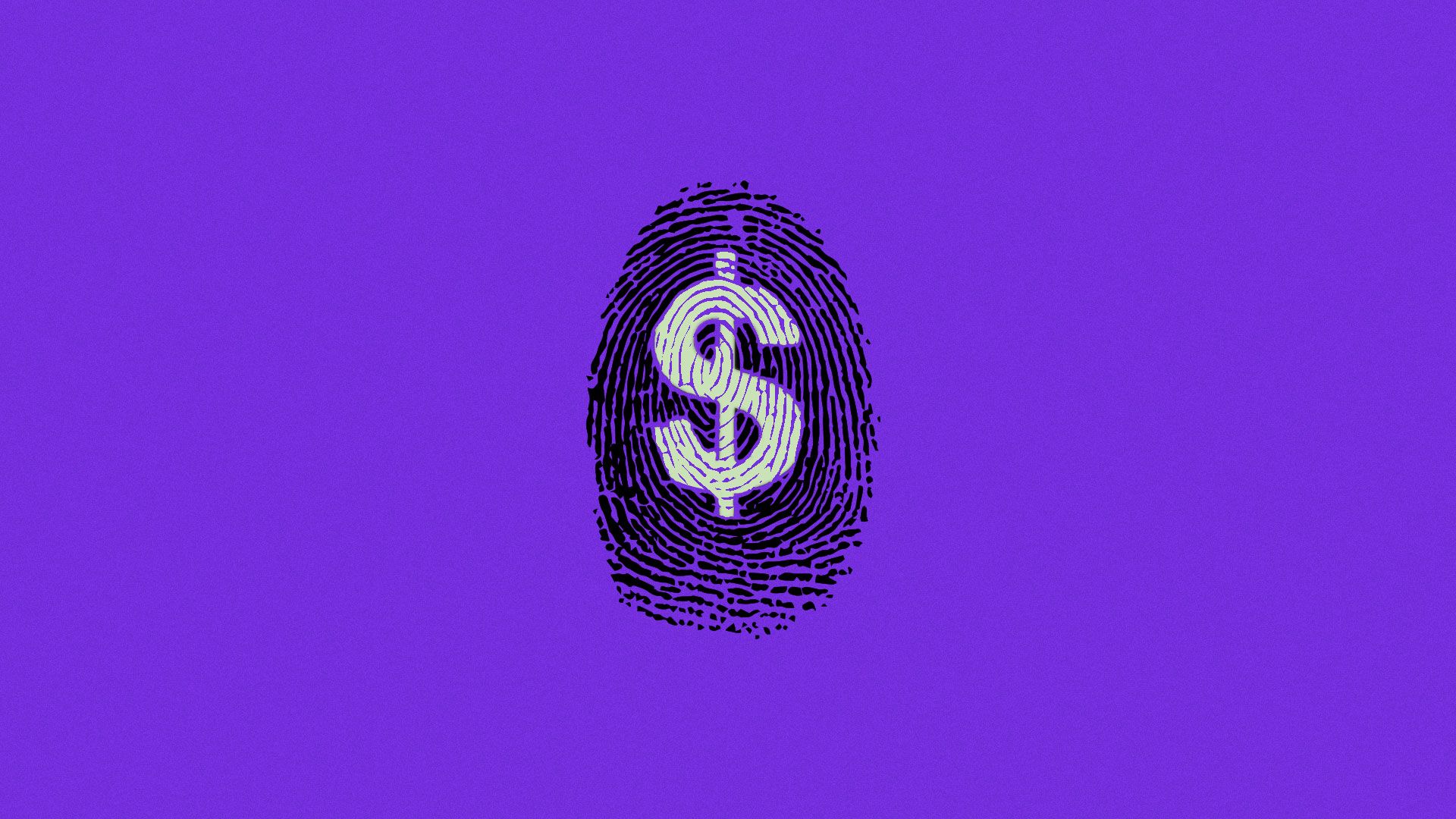
Banks have been quietly rolling out biometrics to identify customers — verifying them by their fingerprint, voice or eye scan — and retailers like Amazon are getting into the game.
Why it matters: These companies are amassing giant databases of our most personal information — including our gait, how we hold our cellphones, our typing patterns — that raise knotty questions about data security and privacy.
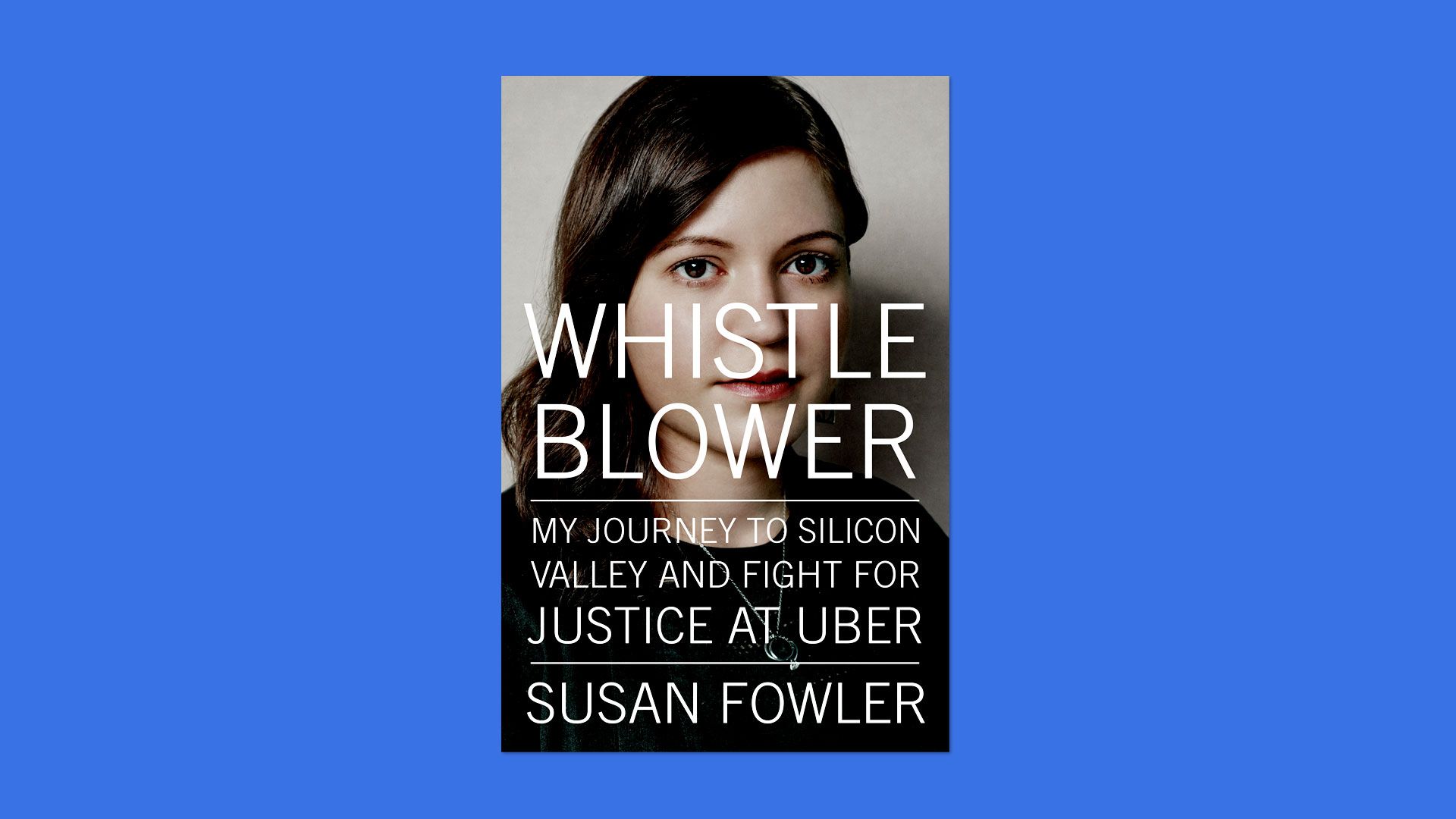
In February 2017, Susan Fowler's "reflection on one very, very strange year at Uber" precipitated the downfall of Uber's founding CEO Travis Kalanick — and marked the point at which the entire national conversation about technology companies shifted from cheerleading to skepticism.
Fowler went quiet after her blog post was published, but now, three years later, she's back with a memoir, "Whistleblower," that promises to start a new conflagration of its own. This time, the system being indicted is not Uber, or even Silicon Valley more broadly, but the entire American patriarchy.
Why it matters: The Chapter 11 filing comes as the 110-year-old youth organization faces mounting legal costs from multiple sexual abuse lawsuits and declining membership.