Beijing-based think tank D&C generated a series of reports rating state governors and White House officials on how "friendly" they are toward China. Pro Rata producer Naomi Shavin is joined by Axios China reporter Bethany Allen-Ebrahimian, who obtained and analyzed the reports.
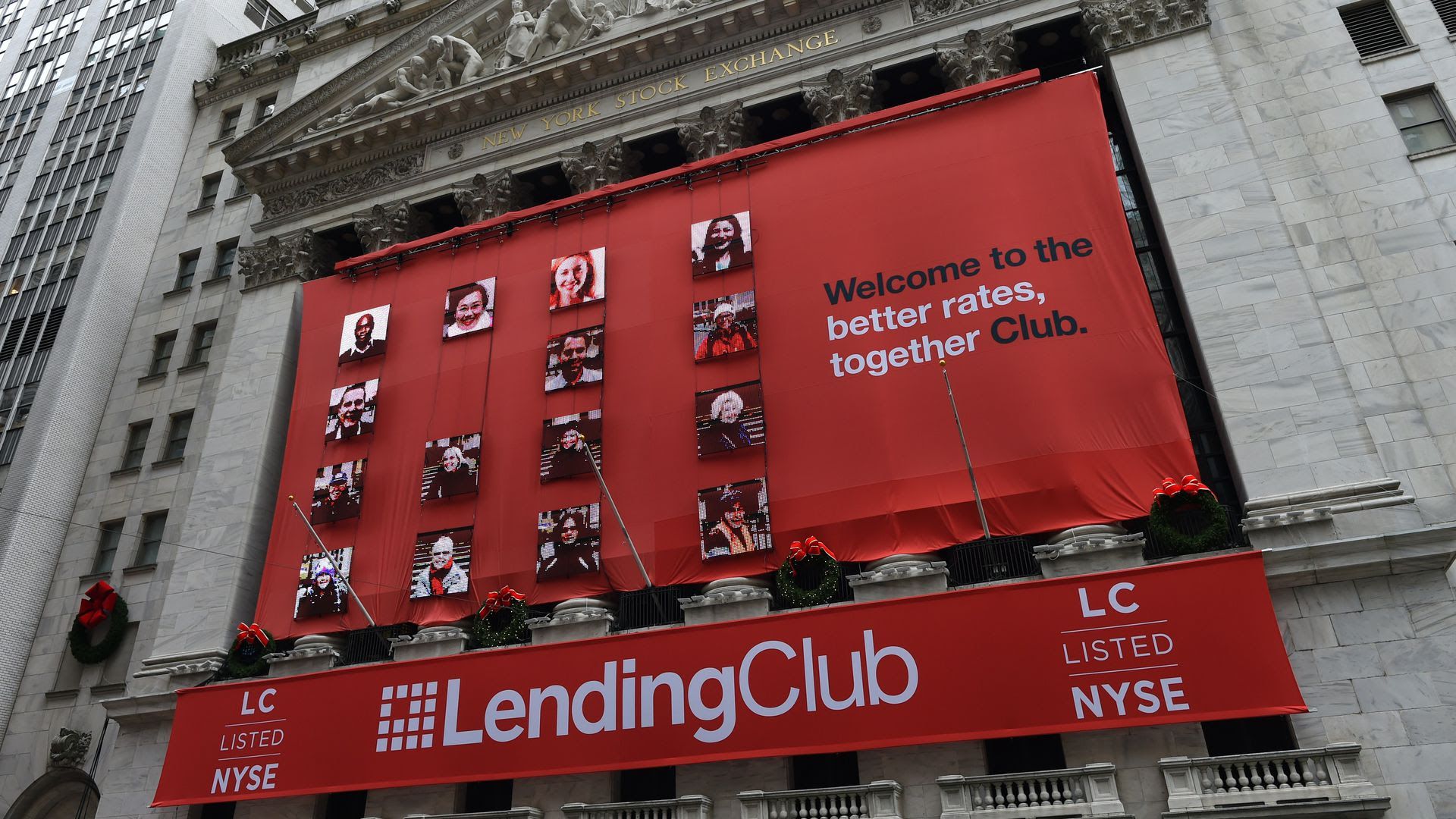
LendingClub, an online personal lender, has agreed to buy U.S. digital lender Radius Bank in a cash-and-stock deal valued at $185 million. The deal is expected to close in 12 to 15 months pending regulatory review.
Why it matters: It’s the first time a U.S. fintech company has bought a regulated bank, though a number have attempted to obtain charters. It'll allow the company "to offer new products to its clients, diversify its earnings and reduce or eliminate the use of institutional funding sources," writes CNBC.
Employees at Kickstarter voted Tuesday to unionize, signaling a small but notable shift in an industry that has historically eschewed collective bargaining.
Why it matters: Workers who are taking a more activist stance are seeing unions as one way to have a greater voice at their companies.
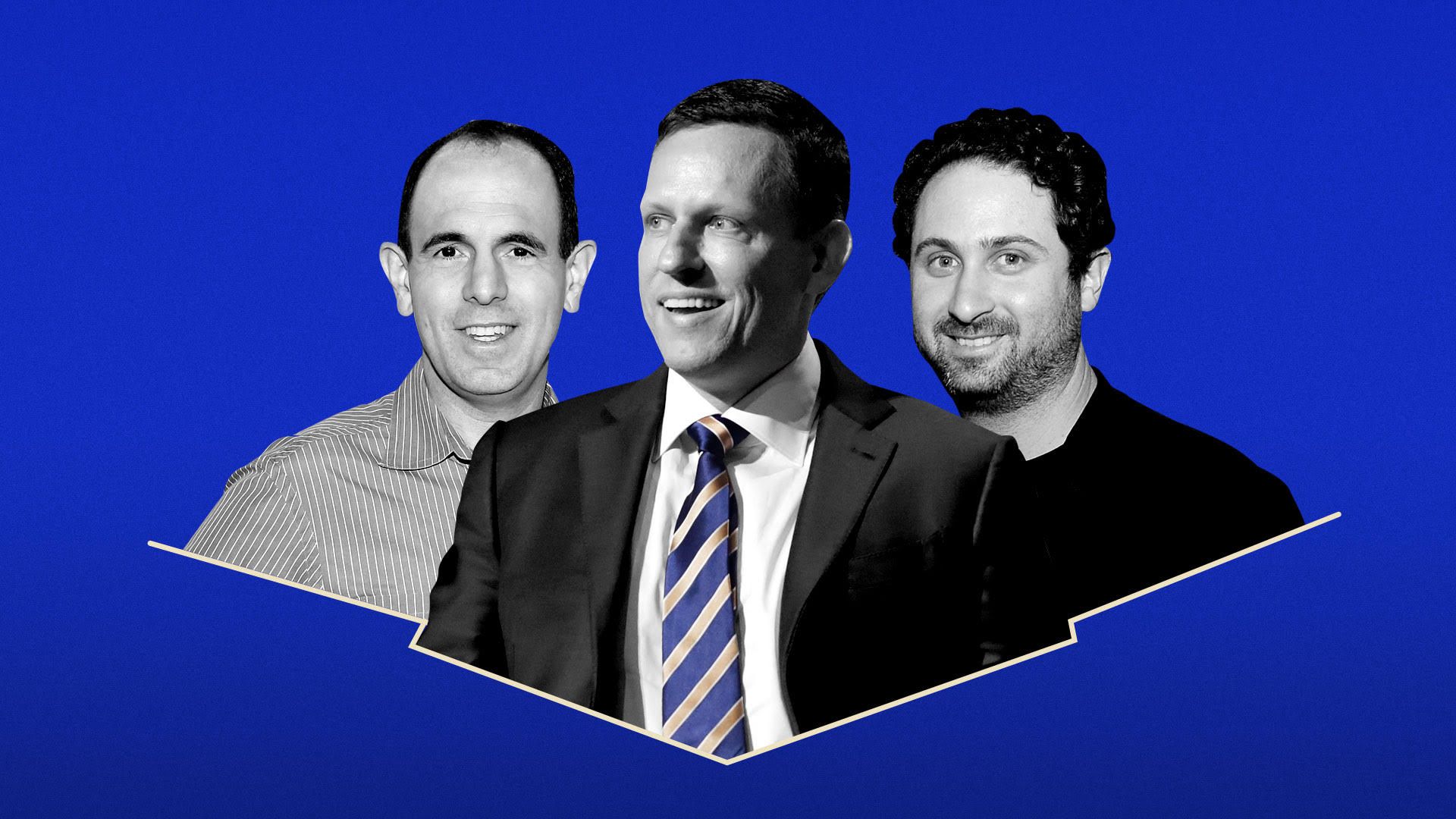
Founders Fund has raised $3 billion for a pair of new funds, so expect a slew of headlines about how "Peter Thiel's venture capital firm" is now flush with cash.
Behind the scenes: Thiel is essential to Founders Fund, but he's not autocratic. Instead, Axios has learned that he's one of three people with veto power over most FF investments, and is unable to do a deal without approval of the other two.
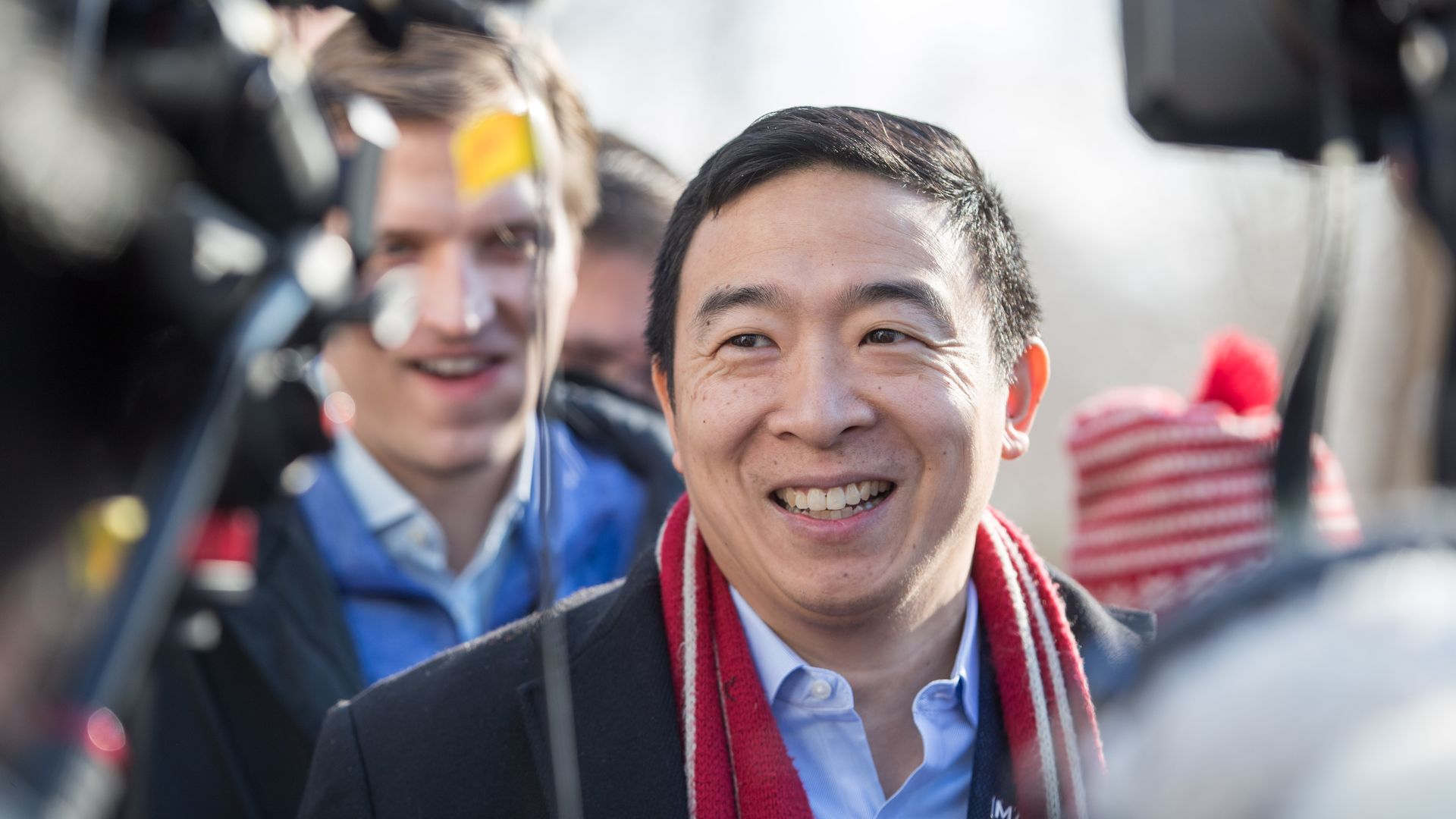
The big picture: The businessman — who has never held public office — gained national attention in the race through his emphasis on universal basic income, which he believes will alleviate social and economic ills stemming from technological change. He'll make his first CNN appearance to discuss Wednesday's Democratic debate in Nevada "to help shed light on the election and the candidates’ experiences."
Expectations of global growth were cut in half in the latest Bank of America survey of asset managers.
What's happening: The survey showed money managers are less bullish this month than in January, but had also cut their cash holdings to 4.0% from 4.2%, which was the lowest since March 2013.
Foreign private buyers continue to pile onto U.S. government debt while foreign governments again pulled money out, led by China.
What it means: The U.S. Treasury International Capital Report showed a net inflow of $78.2 billion — $134.2 billion of foreign private inflows and net foreign official outflows of $56 billion.
Secretary of State Mike Pompeo is in Africa working to counter growing Chinese investment in the continent as the U.S. tries to fight China's rising global influence.
Why it matters: China has upped its spending on the continent in recent years while the Trump administration has not and looks to be trying to make up for lost time.
Fintech investment fell in 2019, as the number of deals and the total amount of money invested both declined significantly from 2018's record pace.
The big picture: The biggest decline was in early-stage investing, which saw the lowest number of deals in five years, according to data from CB Insights. Later stage series B+ companies, on the other hand, saw funding rise to five-year highs.
Private-equity firms accelerated their acquisitions of doctors' practices between 2013 and 2016, according to a new JAMA study.
Why it matters: "Private equity firms expect greater than 20% annual returns, and these financial incentives may conflict with the need for longer-term investments in practice stability, physician recruitment, quality, and safety," the author writes.
Roughly 24.4 million seniors and people with disabilities were enrolled in a Medicare Advantage plan as of this month, a 9.4% jump from the same time in 2019, according to the latest federal data analyzed by Axios.
Why it matters: Medicare Advantage, which is run by private health insurers, continues to grow at high rates despite concerns over the program's higher spending and evidence that insurers are making people appear sicker than they are.