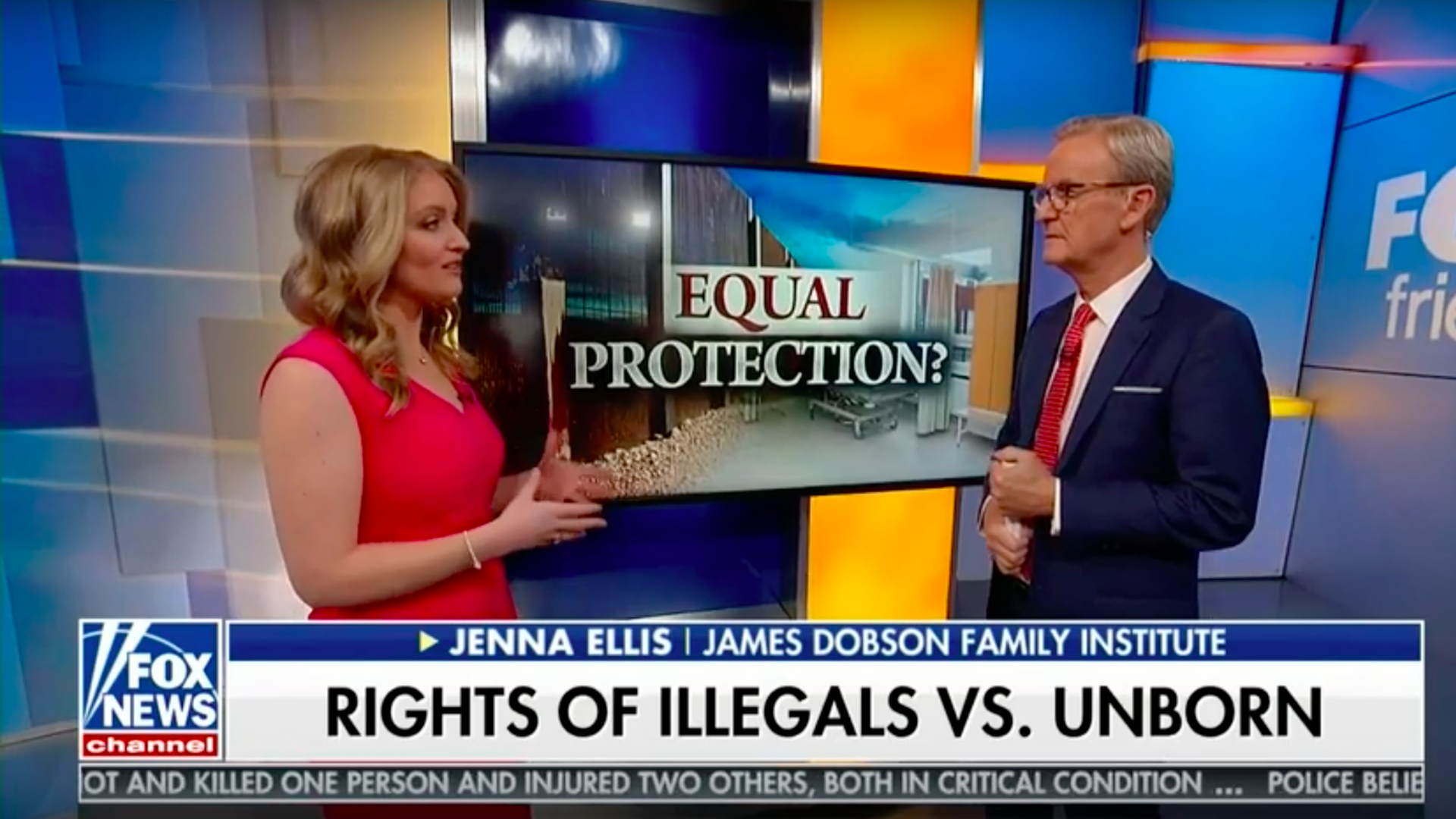
Around a month ago, President Trump started asking people about Jenna Ellis. The constitutional law attorney appears frequently on Fox and joined the Trump 2020 Advisory Board about a year ago.
Why it matters: Trump has said he's impressed by Ellis' TV appearances, according to a person close to him. He indicated that he wanted to give her a bigger job, and his team briefly discussed bringing her into the White House.
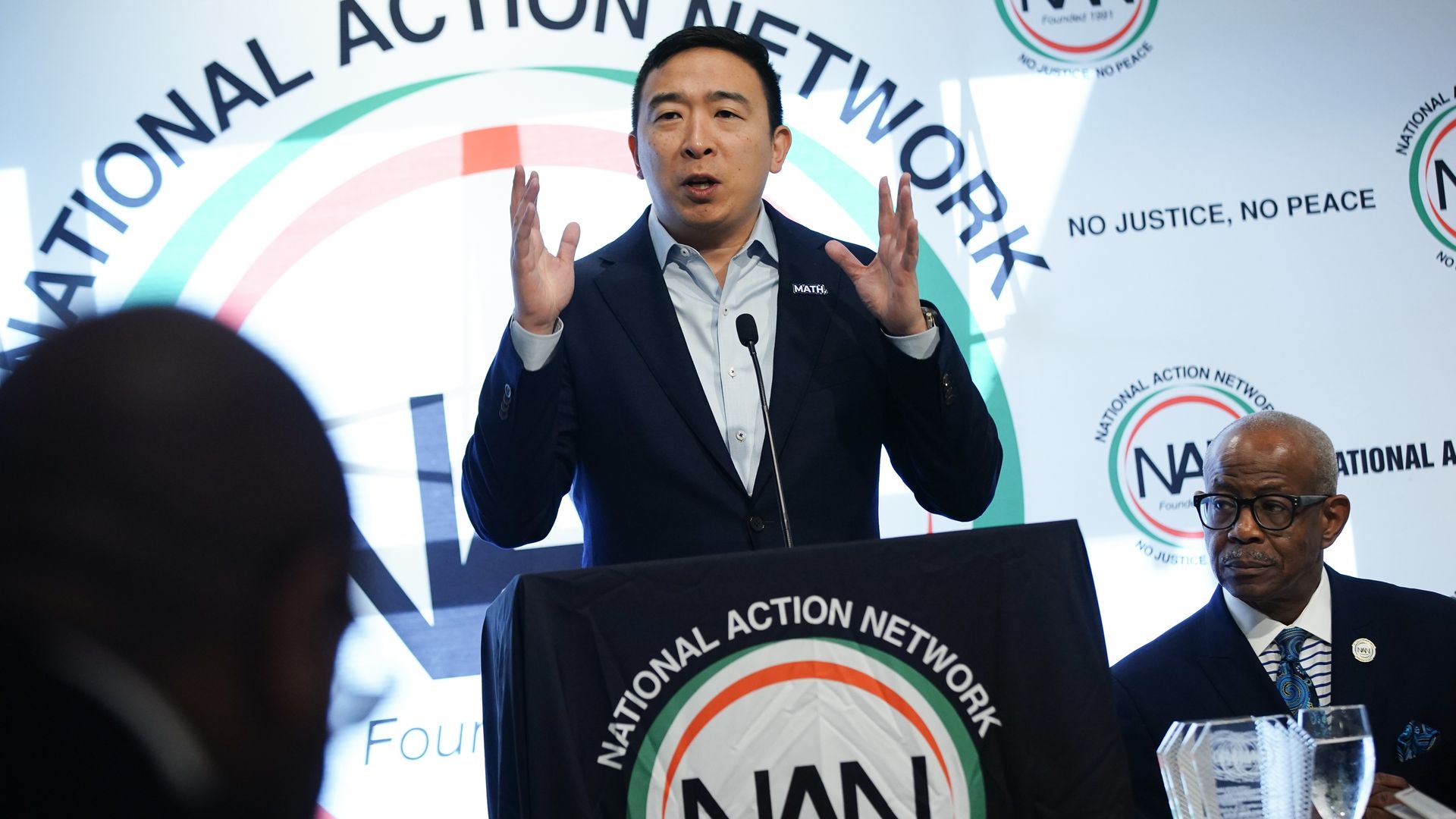
2020 candidate Andrew Yang tweeted Saturday he won't appear on MSNBC unless the network apologizes for omitting him from several graphics and giving him less speaking time than his presidential rivals at the latest Democratic debate.
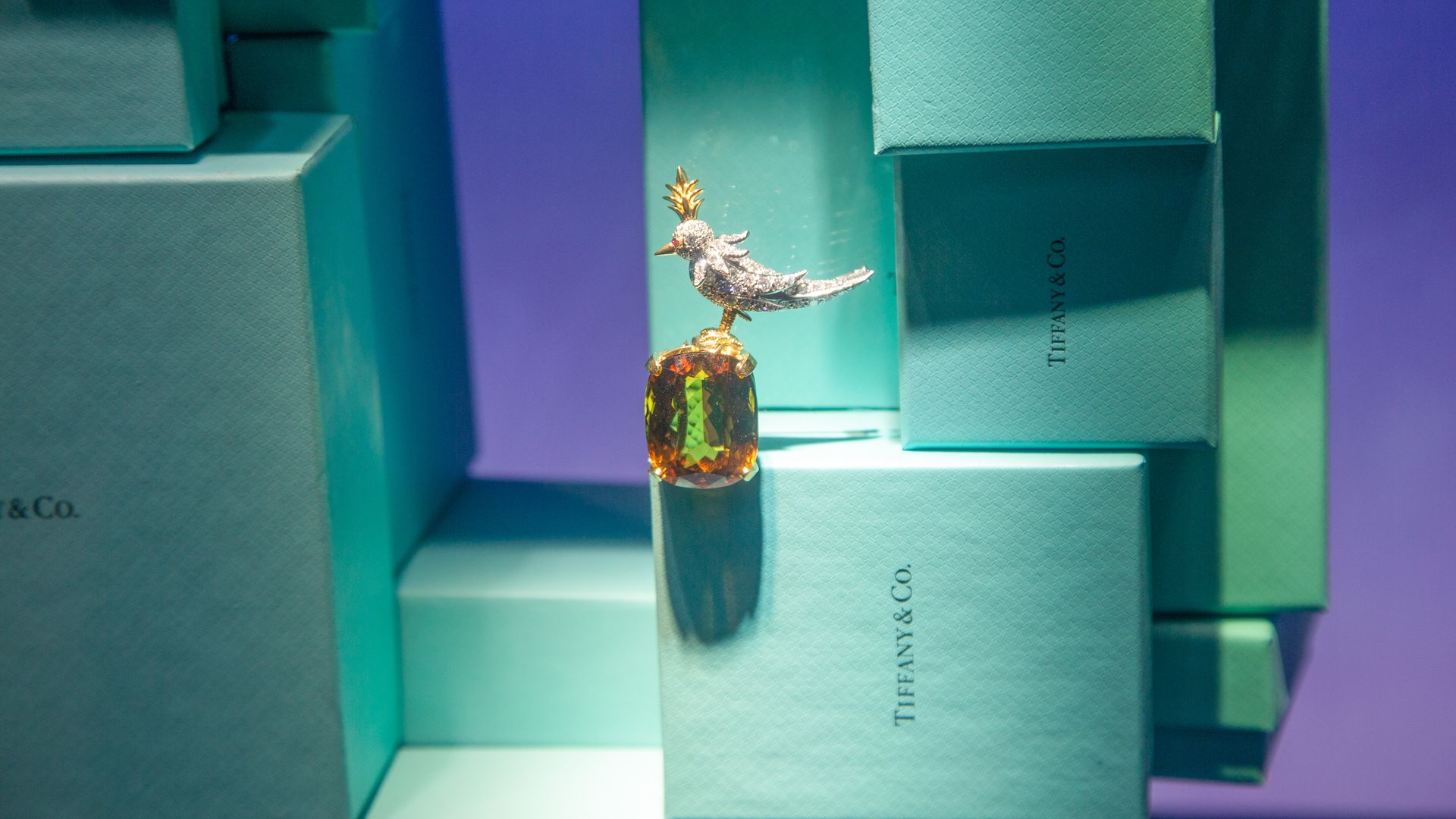
France's LVMH has agreed to buy U.S. luxury jeweler Tiffany & Co. for around $18.5 billion, or $135 per share, according to CNBC's David Faber.
Why it matters: This deal is largely about trade war opportunism, as Tiffany has been hammered by decreased Chinese tourism to the U.S. It's tried to offset that by opening more stores within China, but it's been hampered there by new Chinese tariffs on U.S.-made jewelry.
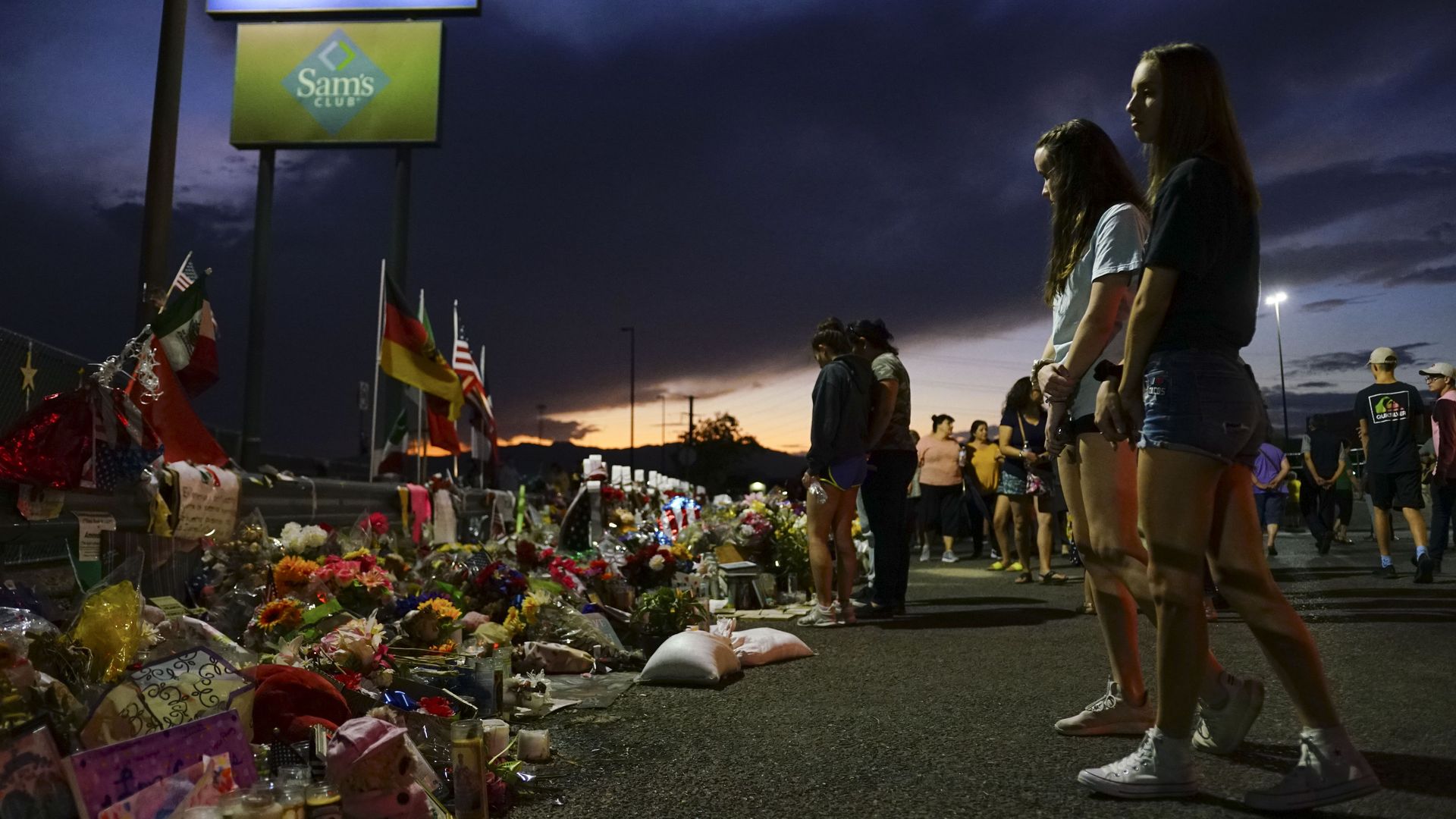
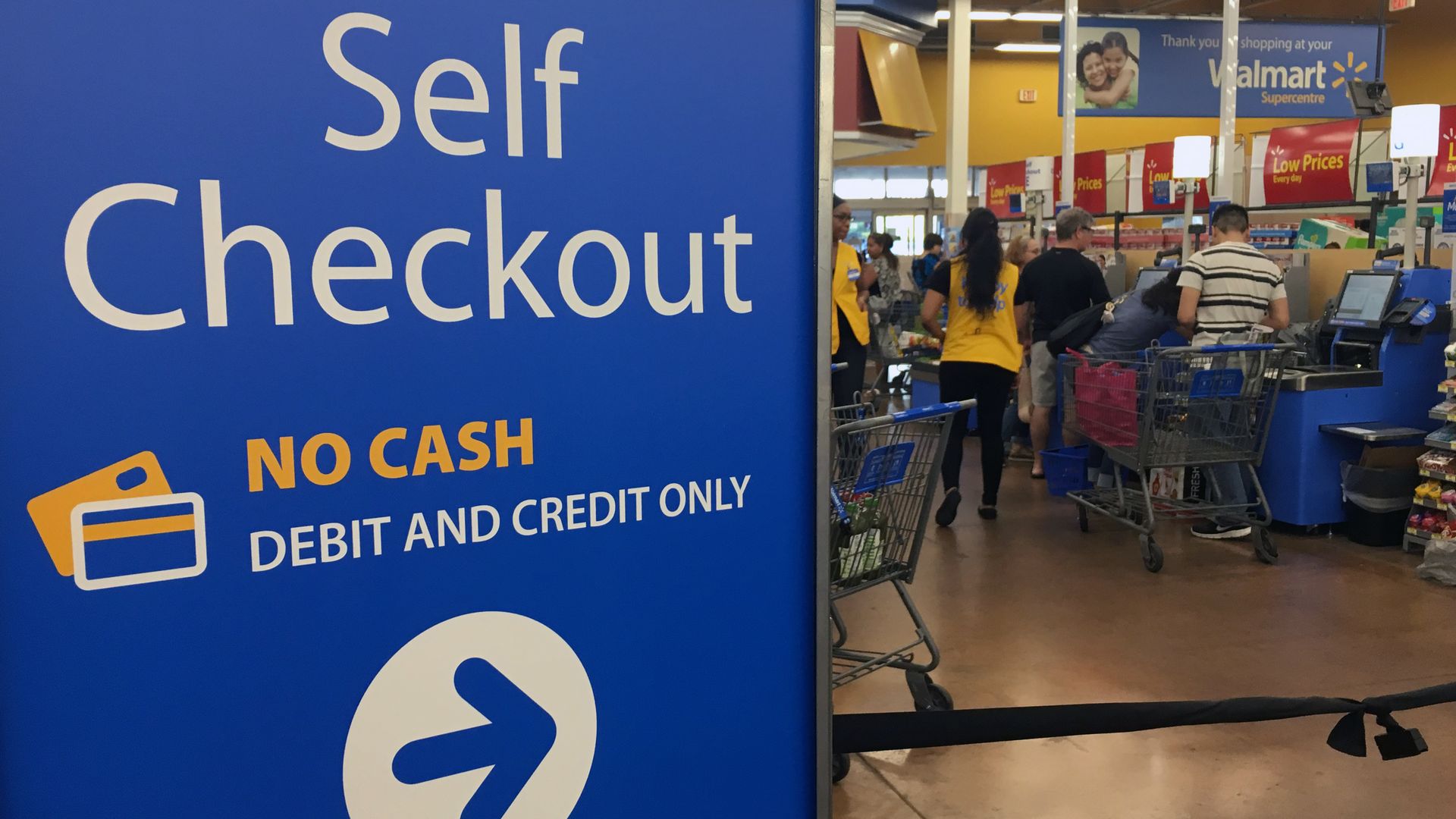
A 30-foot memorial was unveiled on Saturday at a public dedication ceremony for the El Paso Walmart mass shooting victims, ABC News reports.
Details: The memorial, named "Grand Candela", consists of 22 individual aluminum arcs that are grouped together and illuminated to resemble a candle. The arcs on the permanent monument represent the 22 people who died in the attack.
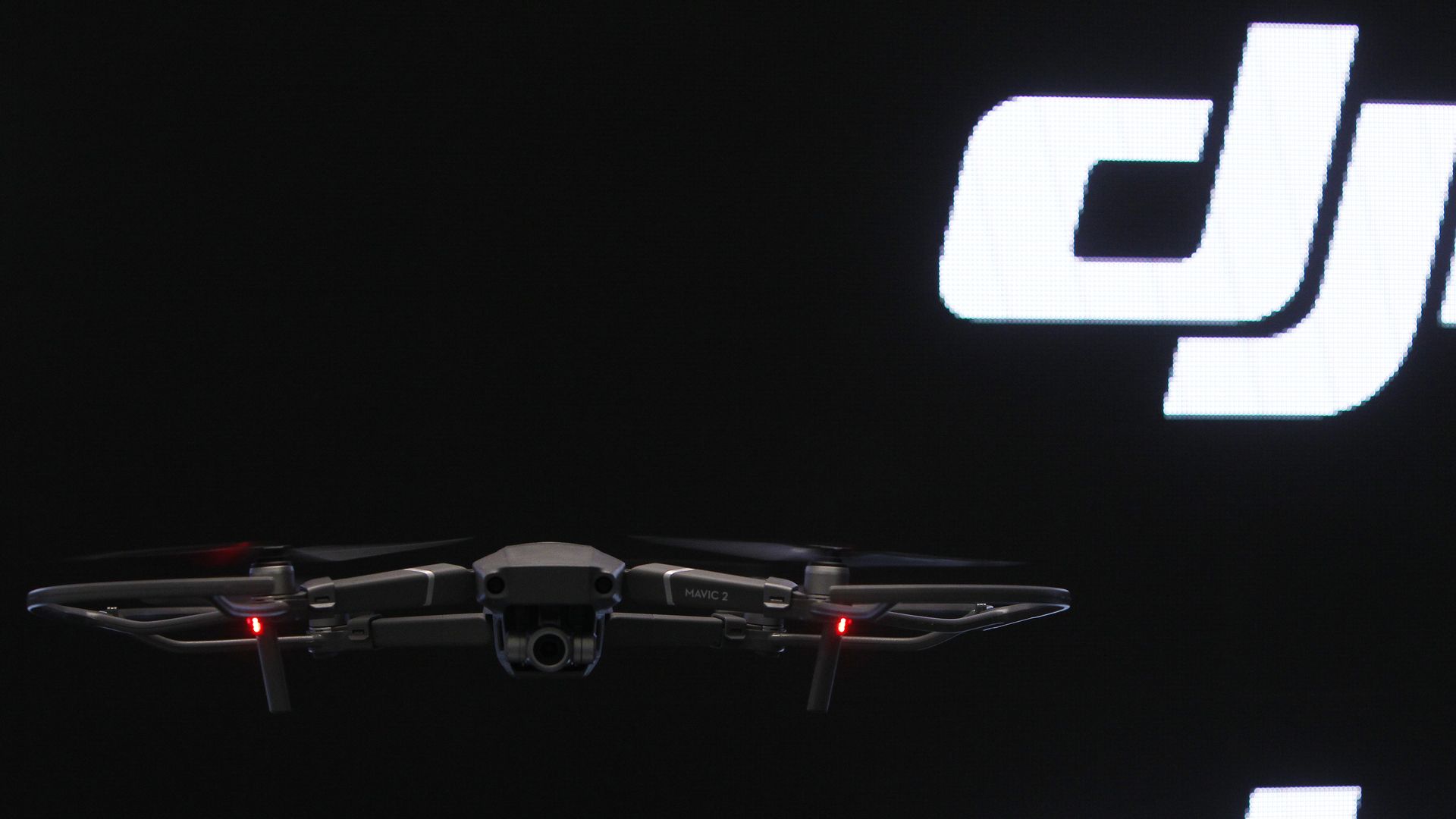
Confusion around what will happen to Chinese drones, under fire from lawmakers and federal agencies, is causing a stir even before any new laws are passed.
Why it matters: No other company's offerings come close to DJI's cheap, powerful drones, experts say — potentially leaving government agencies, police and first responders in the lurch if DJI is shut out.
Driven by fears of spying, the U.S. is taking dramatic steps toward weaning local, state and federal agencies off products made by DJI, the Chinese small-drone giant.
Yes, but: The company's defenders say the moves are motivated as much by hard-line politics toward China as an attempt to head off a genuine security threat.
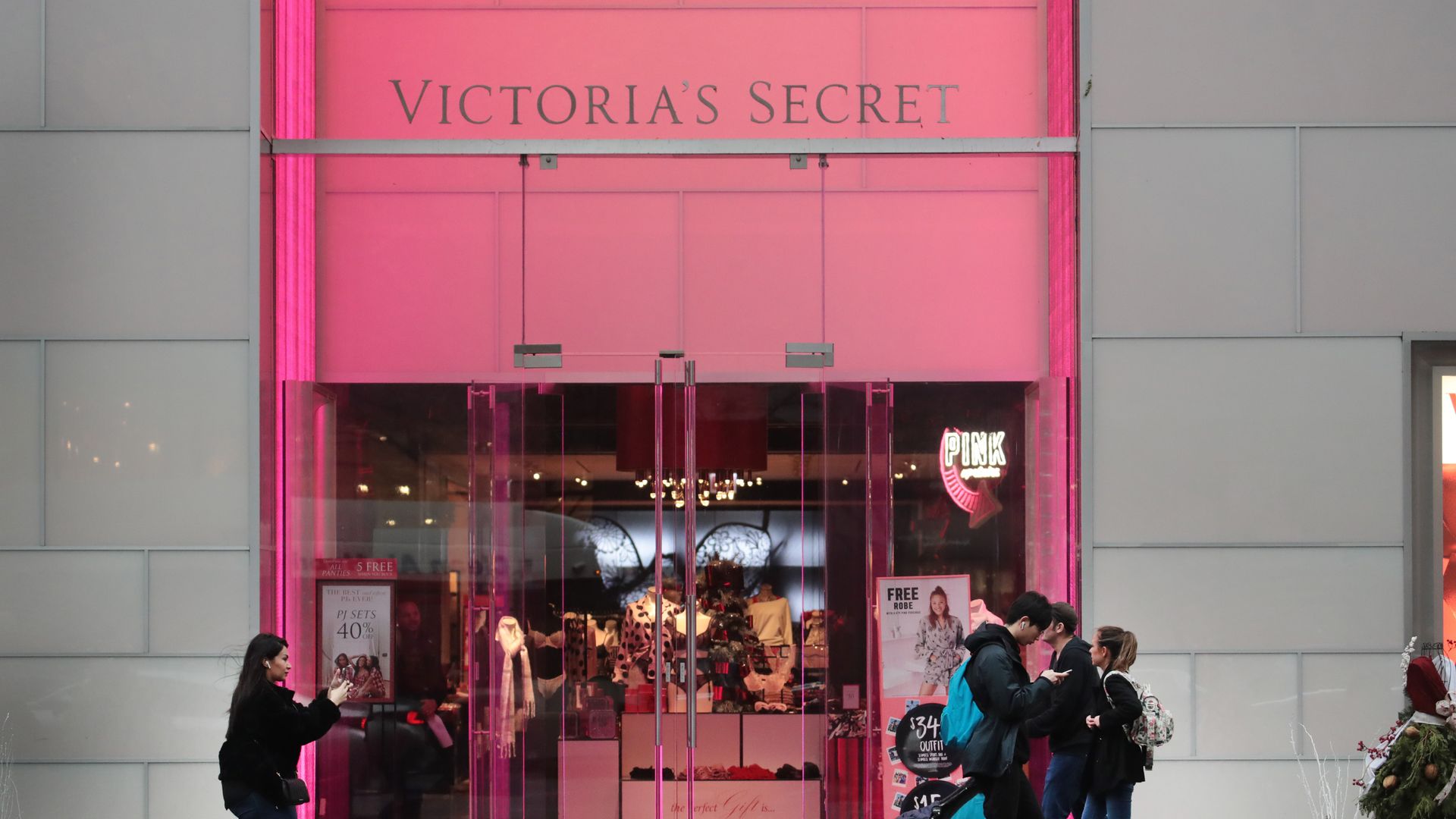
L Brands, the parent company of Victoria's Secret, announced this week that the retailer will not hold its annual fashion show this year, the New York Times reports.
The big picture: Victoria's Secret "has struggled to find its footing through multiple challenges. Consumers have come to see the brand as anachronistic, out of place in the #MeToo era as offering an objectifying view of female beauty," the Times writes.
Political ads have become a flashpoint ahead of the 2020 election, in part because new technologies make it nearly impossible to apply a universal definition of them to all advertising channels.
Why it matters: Without a commonly accepted definition of what a political ad is, efforts to regulate them have been challenging. Experts worry that without smart regulation of political ads, free speech — a tenet of democracy — can be gamed.