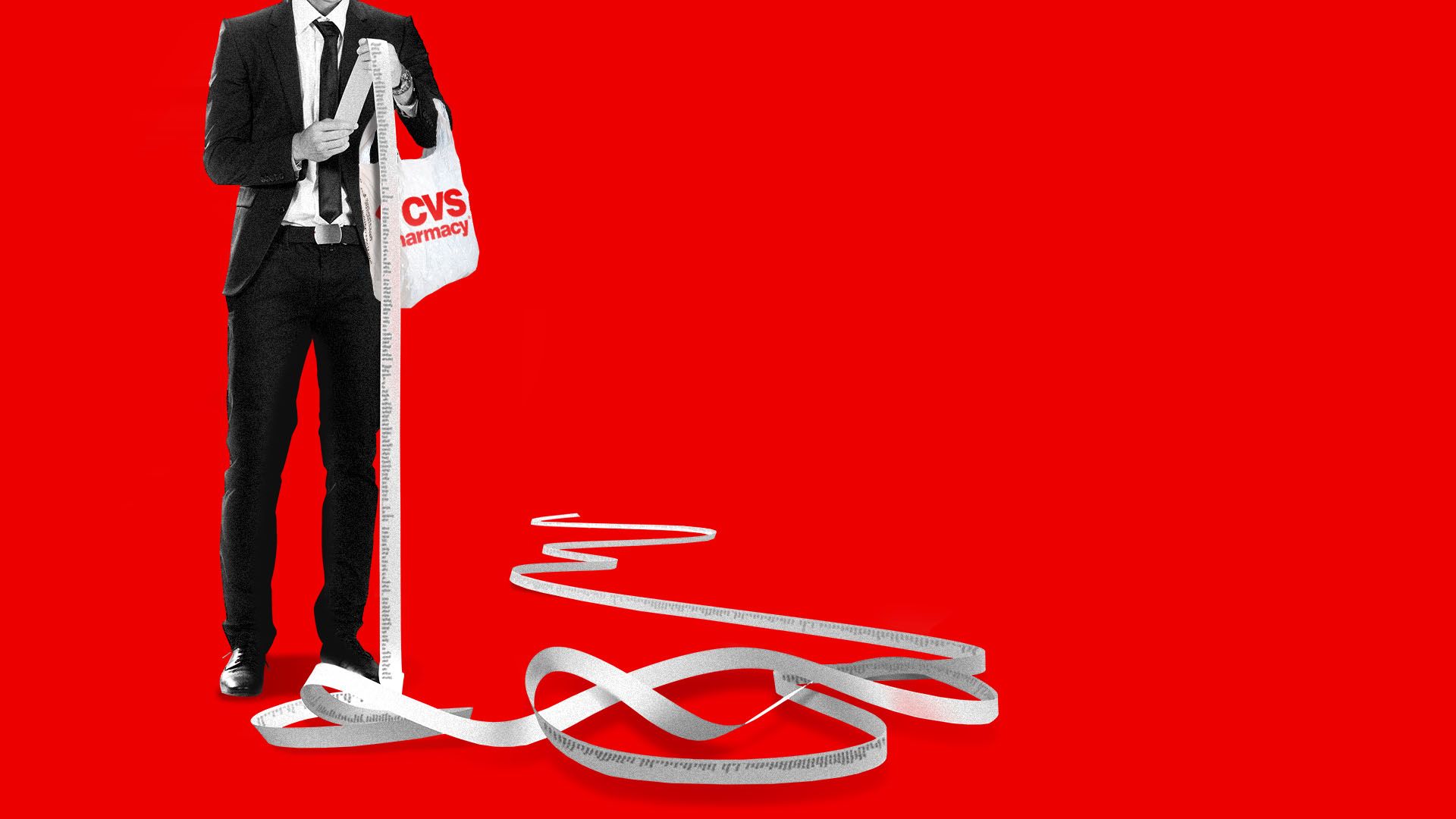
Starboard Value, the activist hedge fund led by Jeffrey Smith, has taken a "relatively small" stake in CVS Health Corp. (NYSE: CVS), per the Wall Street Journal.
Why it matters: We don't know what Starboard wants from CVS, except that it isn't the status quo. Plus, this comes just weeks after reports that private equity is kicking the tire on CVS rival Walgreens, while Starboard just realized a win yesterday when eBay agreed to sell StubHub to Viagogo for $4 billion.
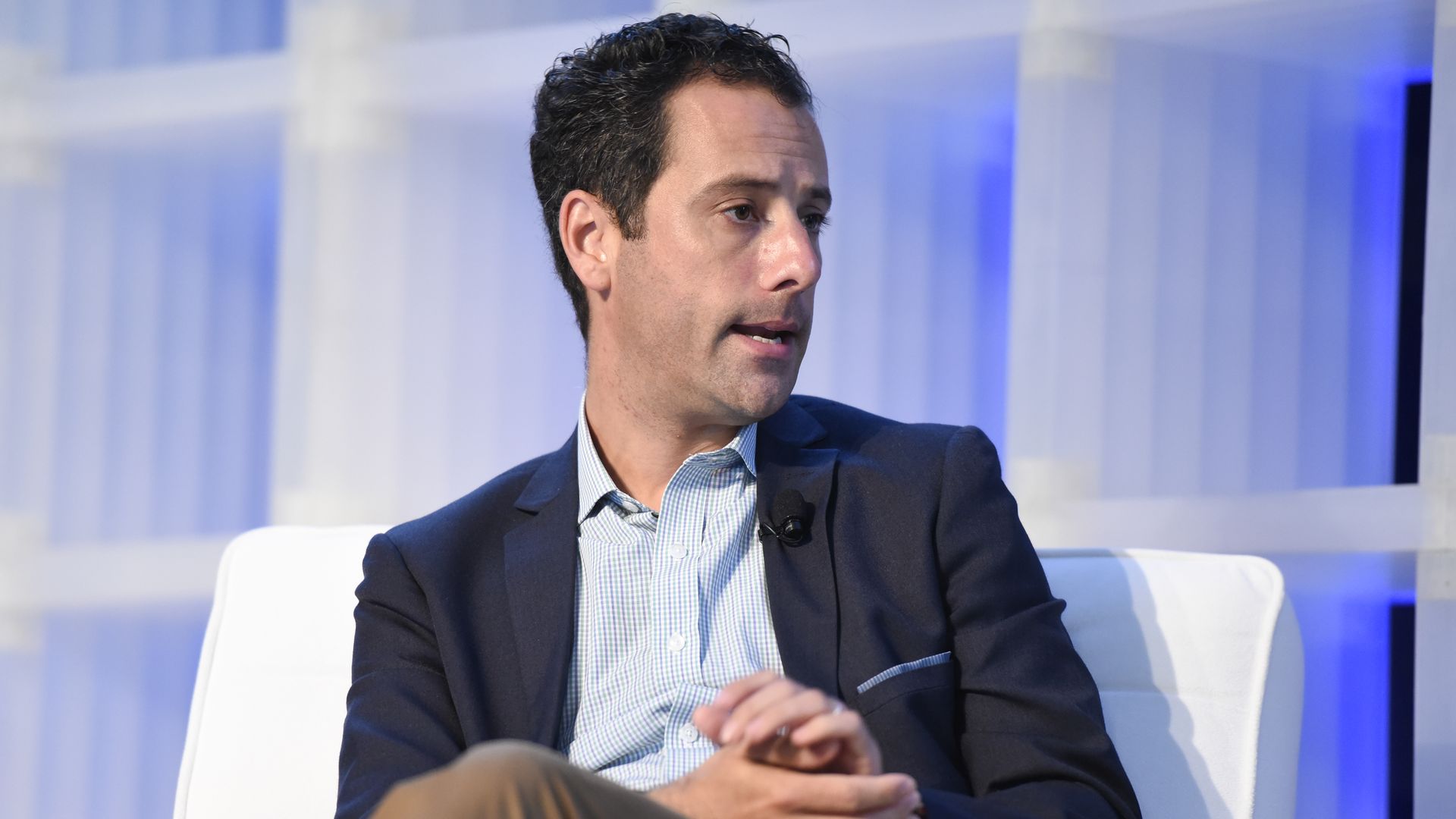
Cheddar is launching a political show called Cheddar Capital early next year, executives tell Axios.
The big picture: The show will be based out of D.C.and is the brainchild of Jon Steinberg's newest hire, Altice News’ VP and GM for political partnerships Peter Cherukuri.
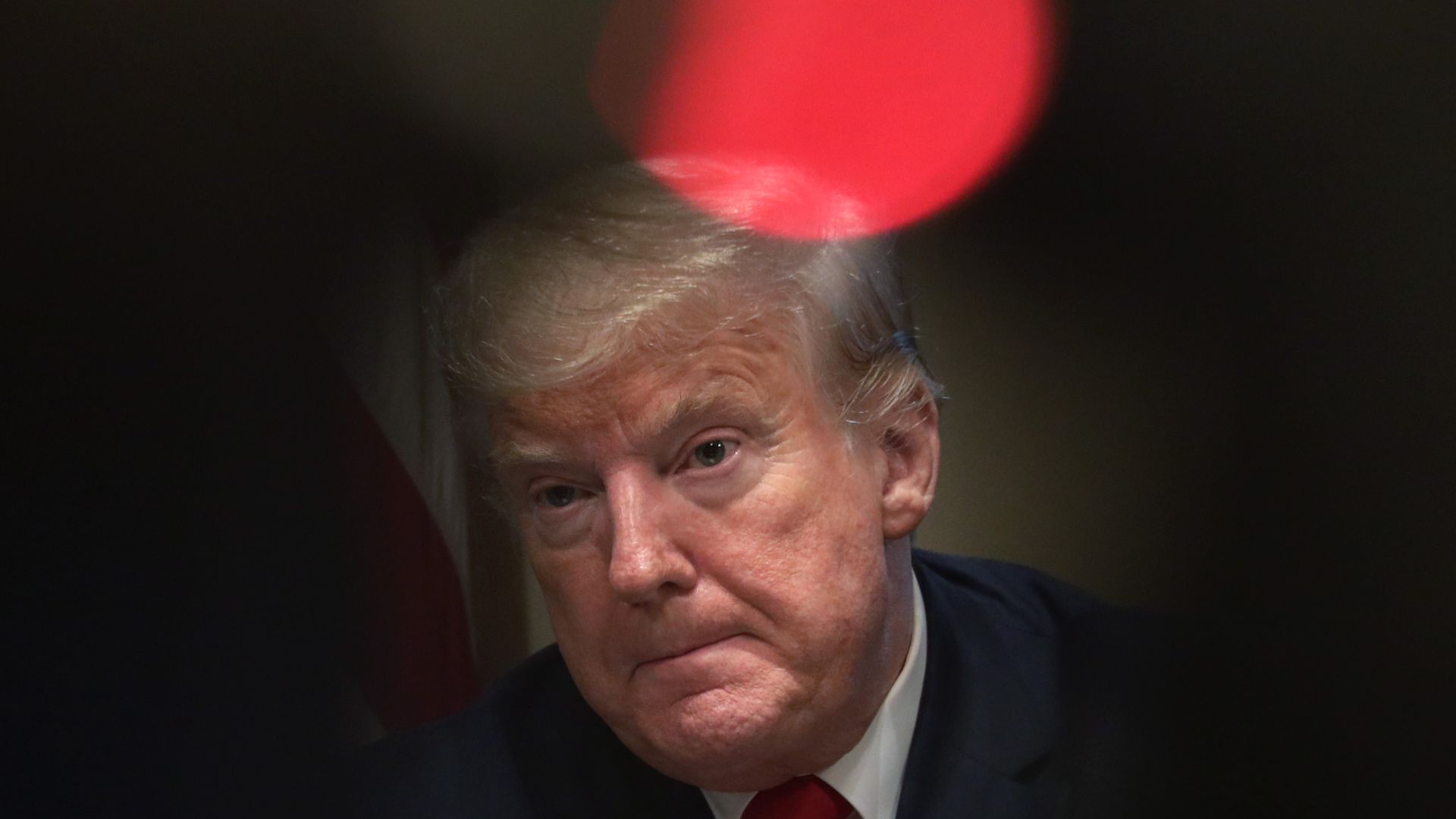
A poll conducted by SSRS for CNN shows that public opinion on President Trump's impeachment is split and remains unchanged from October.
Why it matters: Only half of the 1,007 respondents said they believe Trump should be impeached and removed from office over his handling of military aid to Ukraine and 43% said he should not, despite five days of public hearings in House Democrats' impeachment inquiry.
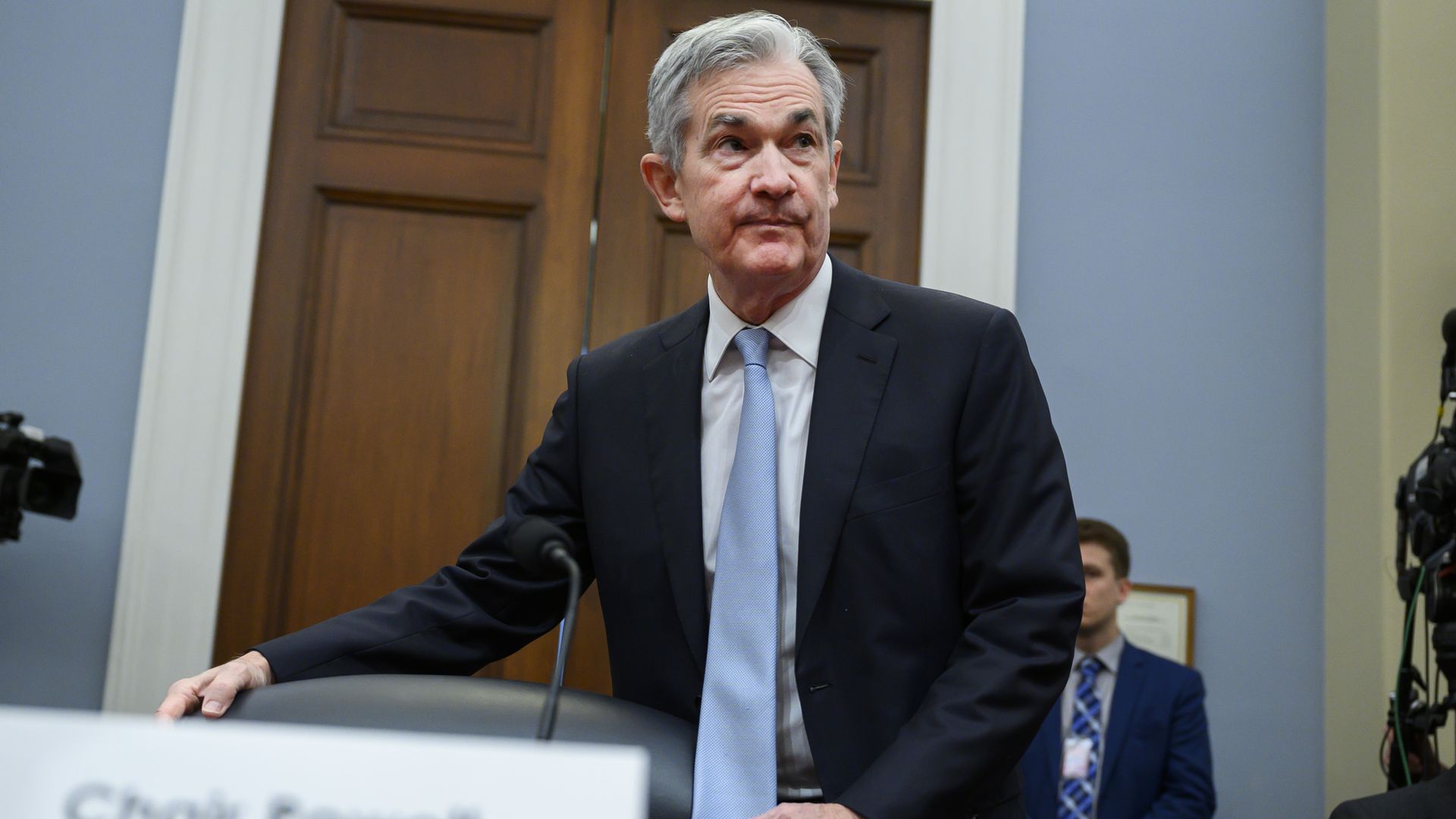
Fed chair Jerome Powell said the Fed’s monetary policy stance is appropriate, for now, though he noted in a speech Monday night the central bank is not on a “preset course.”
Why it matters: It was Powell's final public remarks — and the last opportunity to recalibrate market expectations — before the Fed enters its "quiet period" ahead of the next interest rate decision.
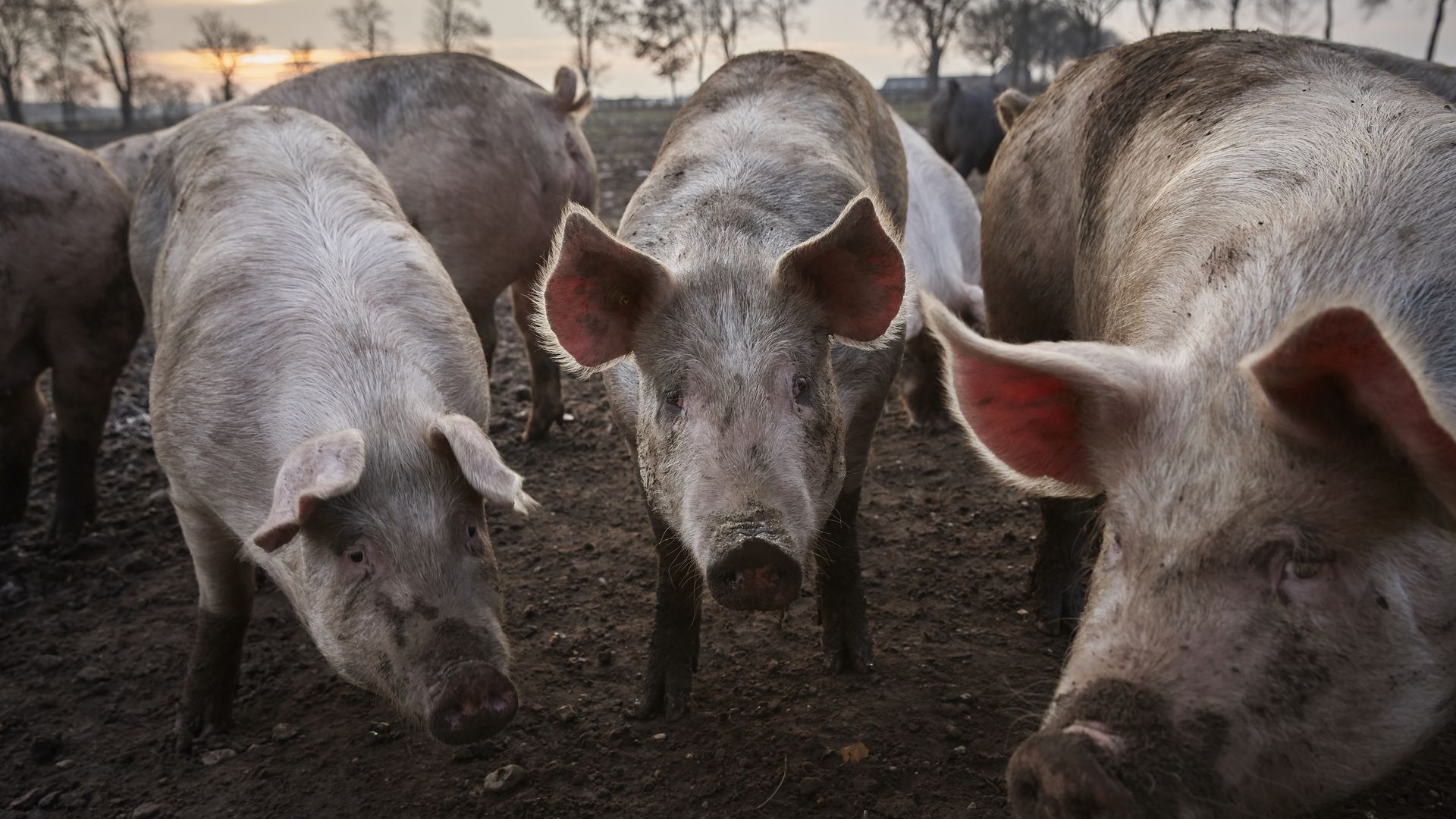
The U.S. pork industry is pushing the Trump administration to focus on increasing access in the Chinese market, worth $24.5 billion over 10 years, during the ongoing trade talks with China, Bloomberg reports.
Why it matters: The Chinese pork market is currently afflicted by the African swine fever that's pushed the cost up by more than 69%— making it the perfect time for American producers to swoop in with its product at a lower cost, per Bloomberg. Other countries, such as Brazil, have been able to cash in on the Chinese demand.
S&P Global Ratings says there is now a 30% chance the U.S. economy enters a recession in the next 12 months — scaling back the 35% recession risk it forecast in August.
Why it matters: A slew of Wall Street economists and analysts now see the outlook for the U.S. economy as rosier than a few months ago. That sentiment is reflected in the stock market, which closed at another record high yesterday.
The corruption indictments issued for Israeli Prime Minister Benjamin Netanyahu last week include charges that he sought to manipulate the media to secure more favorable coverage.
Why it matters: Such interventions have become more prevalent around the world, including in democracies. As we've seen in places like Russia and Turkey, one of the surest signs democracy is being eroded is a crackdown on independent media.
Fox Sports has sold all of its advertising inventory for Super Bowl LIV, the company has confirmed to Axios. It's sold a total of 77 spots, with the most expensive 30-second spot costing $5.6 million.
Why it matters: The Super Bowl is one of the most visible advertising opportunities in America, next to the Olympics. As more television viewing moves to on-demand streaming, there are fewer big opportunities for advertisers to reach consumers live.
Children ages 1–3 years old are increasingly watching TV or using screen time in "high amounts," according to an analysis by the National Institutes of Health released Monday.
Why it matters: The World Health Organization and pediatric societies have recommended that preschool-age children get no more than one hour of screen time a day and should spend time being active. The average daily time spent using screens increased from 53 minutes at age 1 to more than 150 minutes at age 3, per the NIH.
2020 could be "one of the strongest years on record" for the U.S. commercial real estate industry, according to a market outlook released Wednesday by CBRE, the world's biggest commercial real estate servicer and investment firm.
Why it matters: Commercial real estate activity tends to be a leading economic indicator, and growth in the sector translates to more jobs and investments in local communities.
Eighteen states rang in 2019 with minimum wage increases — some that will ultimately rise as high as $15 an hour — and so far, opponents' dire predictions of job losses have not come true.
What it means: The data paint a clear picture: Higher minimum wage requirements haven't reduced hiring in low-wage industries or overall.