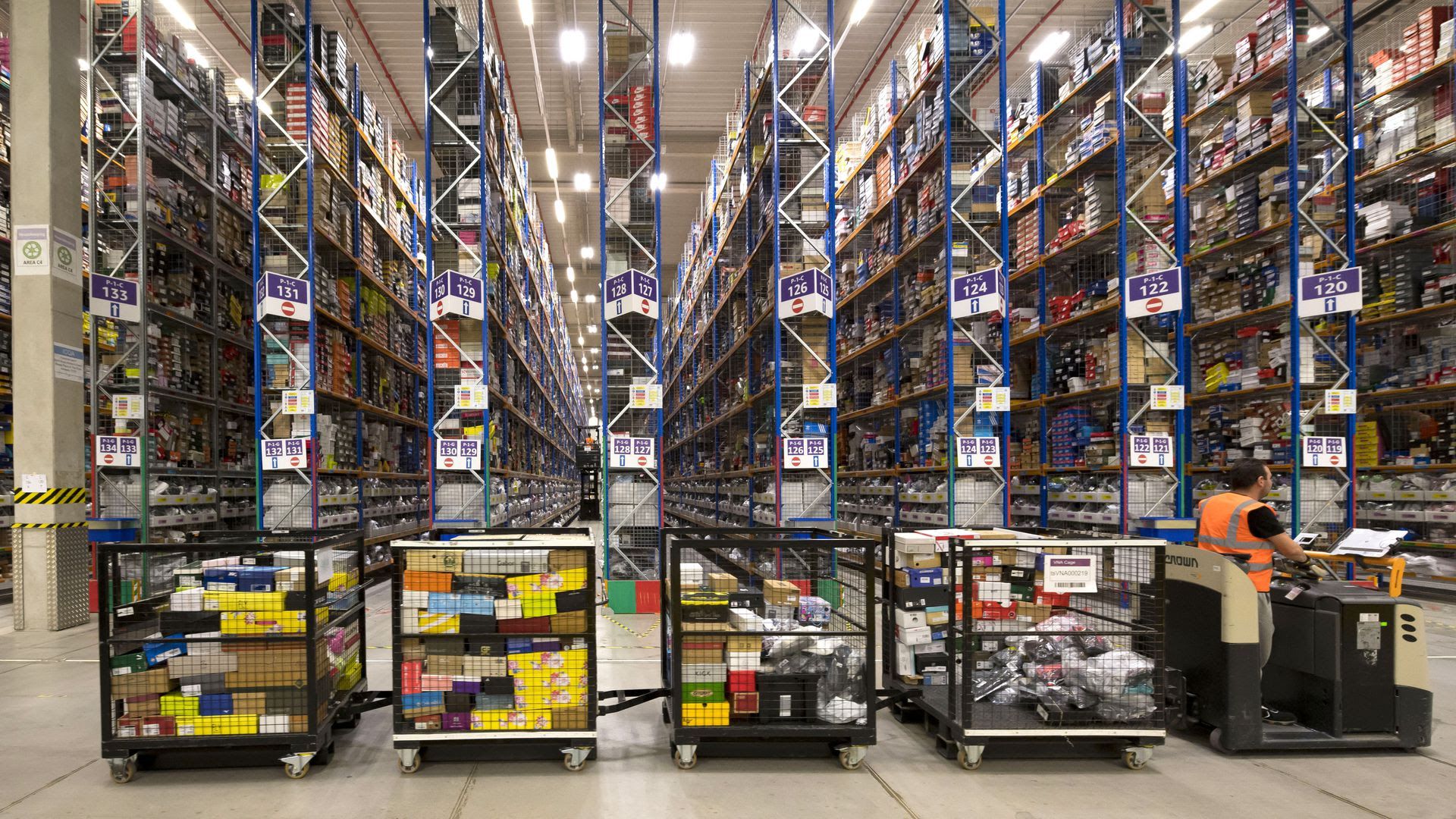
More and more people are dodging the long lines and busy parking lots of Black Friday — and planning to do their holiday shopping online instead.
The big picture: Despite headlines and reports describing a retail apocalypse, brick-and-mortar stores still easily trump e-commerce sites, with online shopping claiming only about 10% of all retail. But when it comes to shopping around the holidays, online has a much larger share.
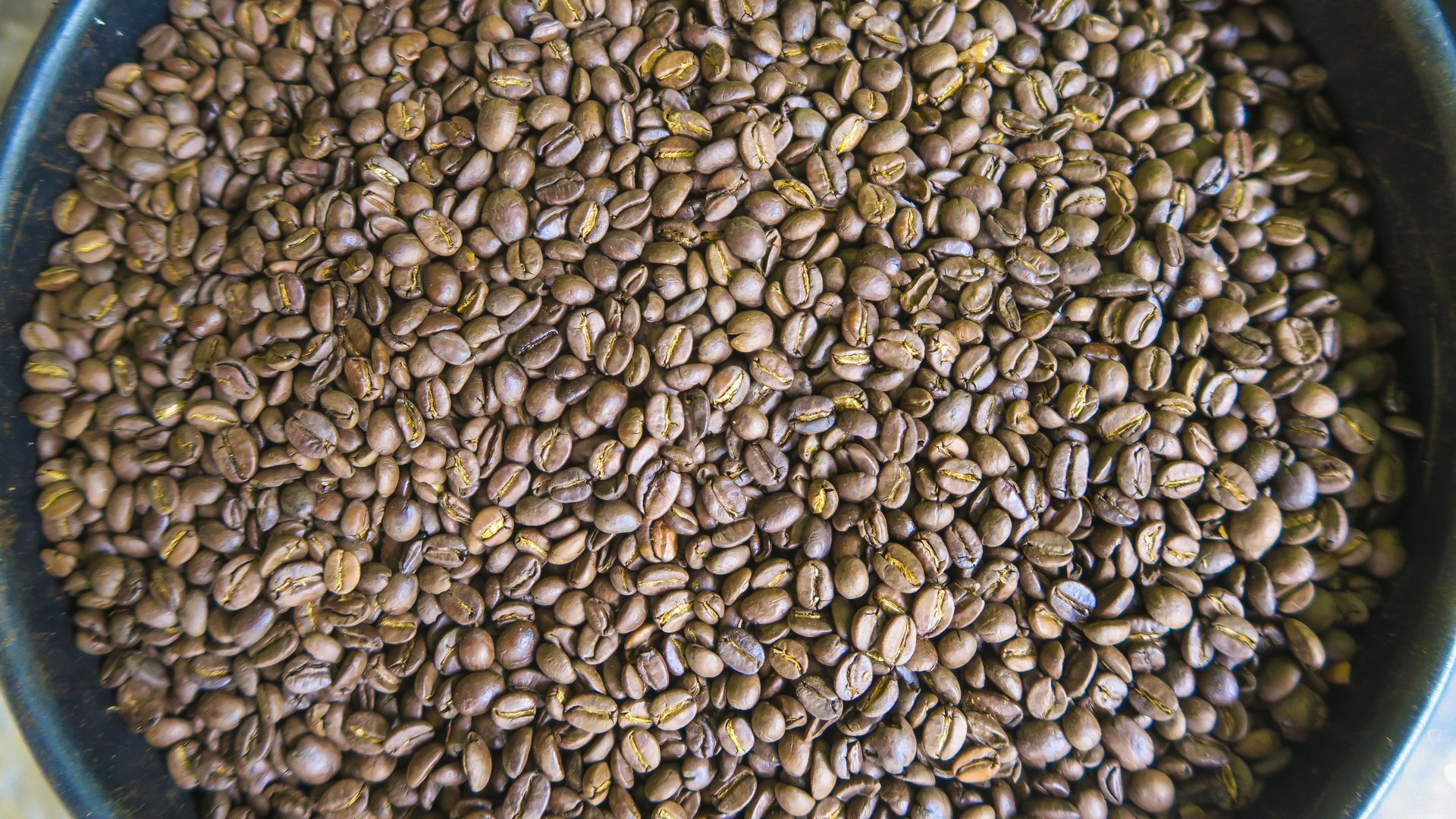
Extremely dry conditions in Latin America have led to a slowdown in coffee harvesting in Honduras, causing prices to surge 20% on the Intercontinental Exchange in recent weeks, the Wall Street Journal reports.
Driving the news: Coffee futures in mid-October were at $.93 a pound and have now reached around $1.157, spiking a total of 12% over two trading sessions last week alone, per the Journal.
54% of American consumers said they will do most of their holiday shopping online this year, highlighting the rise of Cyber Monday, the Washington Post reports.
Why it matters: Consumers' tendency to stay at home is forcing retailers to rethink how they offer deals on Cyber Monday and Black Friday — two of the biggest shopping days of the year — especially since the former offers loads of data that can allow for companies to make on-the-fly decisions about their offers.
More and more automakers are reckoning with the twin forces of a soft global auto market and the need to position themselves for a more electrified future.
Driving the news: Audi said yesterday it's cutting 9,500 jobs by 2025 as it seeks to boost earnings and navigate the "transformation of the automotive industry towards electric mobility and digitalization" — but it's also adding 2,000 jobs focused on electric vehicles and digital tech, according to the Wall Street Journal.
John Deere said in its fourth-quarter earnings report on Wednesday that it expects lower earnings in 2020 due to a decline in worldwide equipment sales, Reuters reports.
Why it matters: The world's largest farm equipment manufacturer cited ongoing tensions from the U.S.-China trade war as well as harsh weather in the U.S. as factors that have led farmers and construction companies to decide against large new investments.
The U.S. economy grew at a 2.1% annualized pace in the third quarter — faster than the initial read of 1.9% — according to revised data released by the Commerce Department on Wednesday.
Why it matters: The revision occurred thanks to an upward revision in business spending, indicating that the economy's slowdown was not as harsh as feared in the face of the U.S.-China trade war. The change means that economic growth accelerated marginally from the prior quarter's 2% growth, but it's worth noting that economists are much less optimistic about growth prospects for the current quarter.
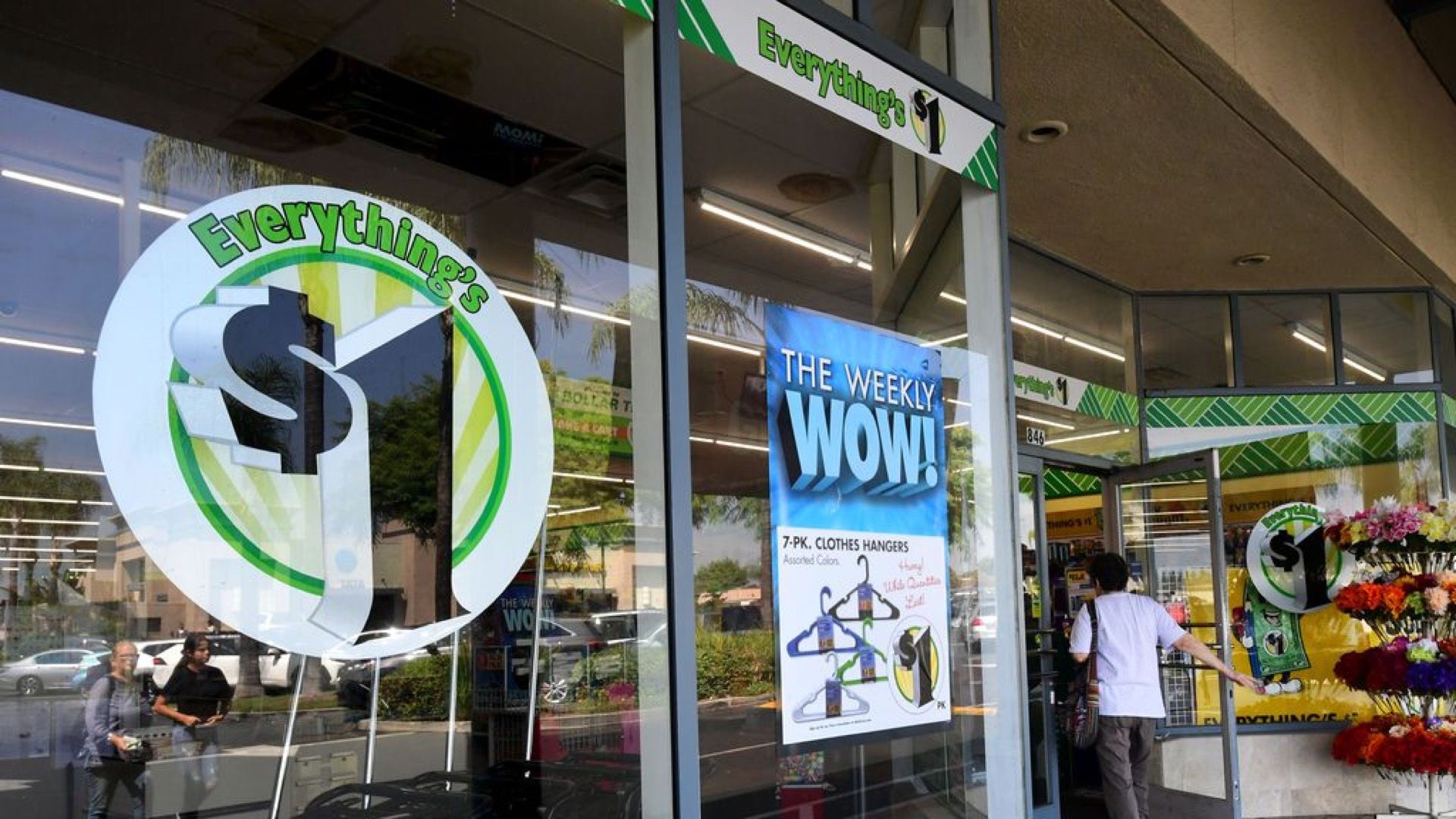
Dollar Tree said acceleration of the trade war with China would up its costs by $19 million in Q4.
Why it matters: Even as the Trump administration says it’s close to a "phase one" trade deal with China, corporations are bearing down and preparing Wall Street for the worst-case scenario.
Starboard Value, the activist hedge fund led by Jeffrey Smith, has taken a "relatively small" stake in CVS Health Corp. (NYSE: CVS), per the Wall Street Journal.
Why it matters: We don't know what Starboard wants from CVS, except that it isn't the status quo. Plus, this comes just weeks after reports that private equity is kicking the tire on CVS rival Walgreens, while Starboard just realized a win yesterday when eBay agreed to sell StubHub to Viagogo for $4 billion.
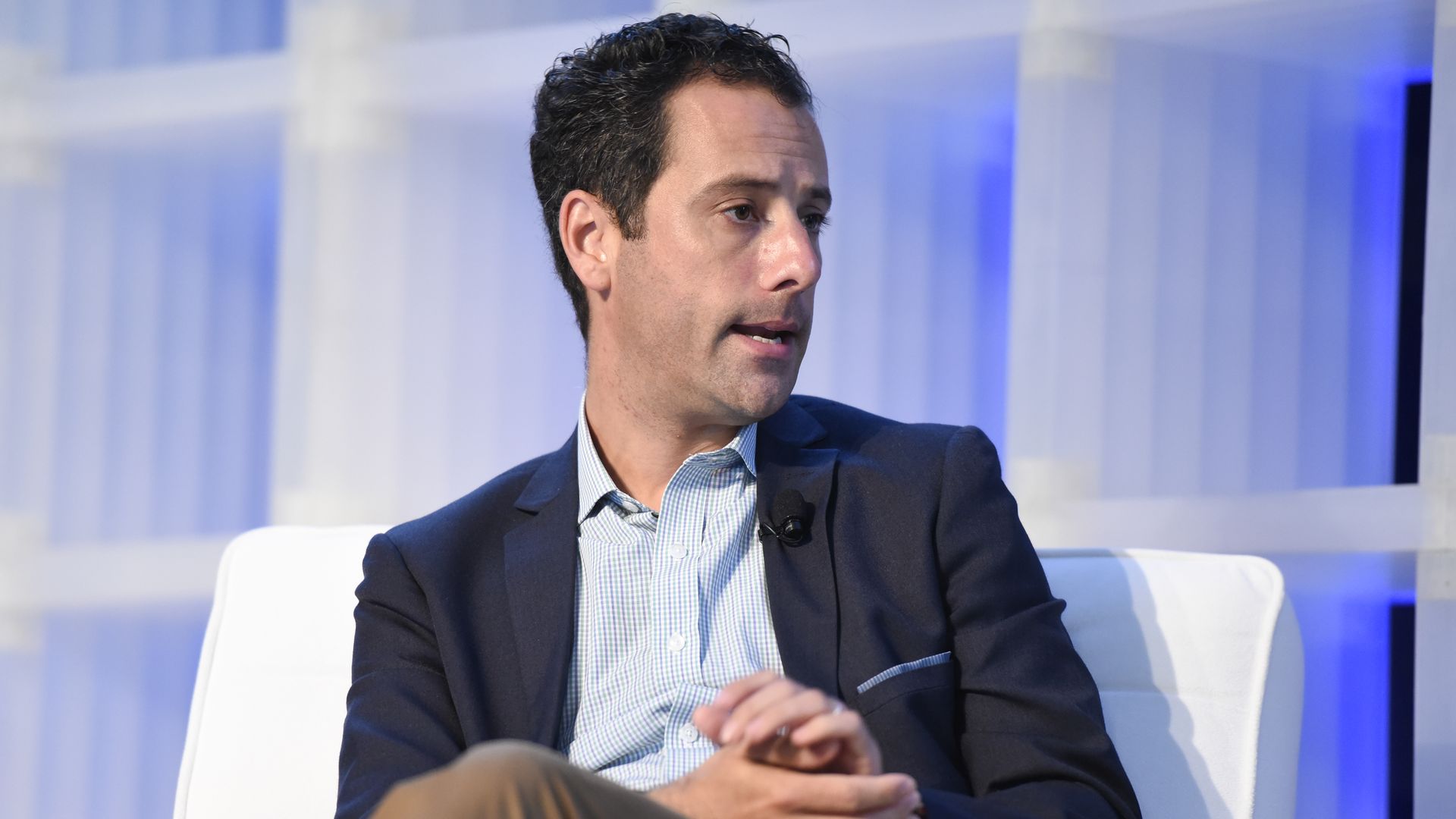
Cheddar is launching a political show called Cheddar Capital early next year, executives tell Axios.
The big picture: The show will be based out of D.C.and is the brainchild of Jon Steinberg's newest hire, Altice News’ VP and GM for political partnerships Peter Cherukuri.
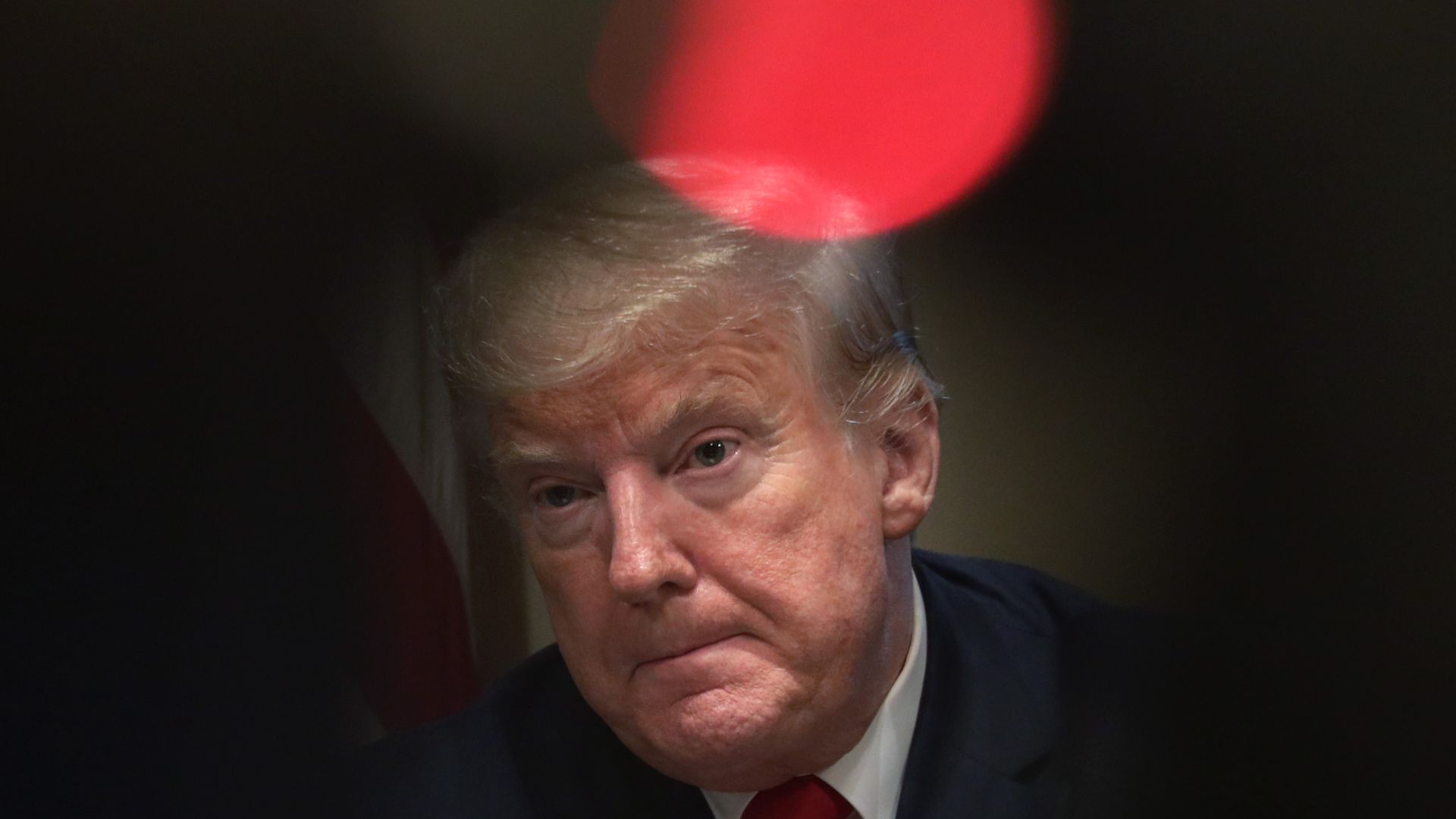
A poll conducted by SSRS for CNN shows that public opinion on President Trump's impeachment is split and remains unchanged from October.
Why it matters: Only half of the 1,007 respondents said they believe Trump should be impeached and removed from office over his handling of military aid to Ukraine and 43% said he should not, despite five days of public hearings in House Democrats' impeachment inquiry.
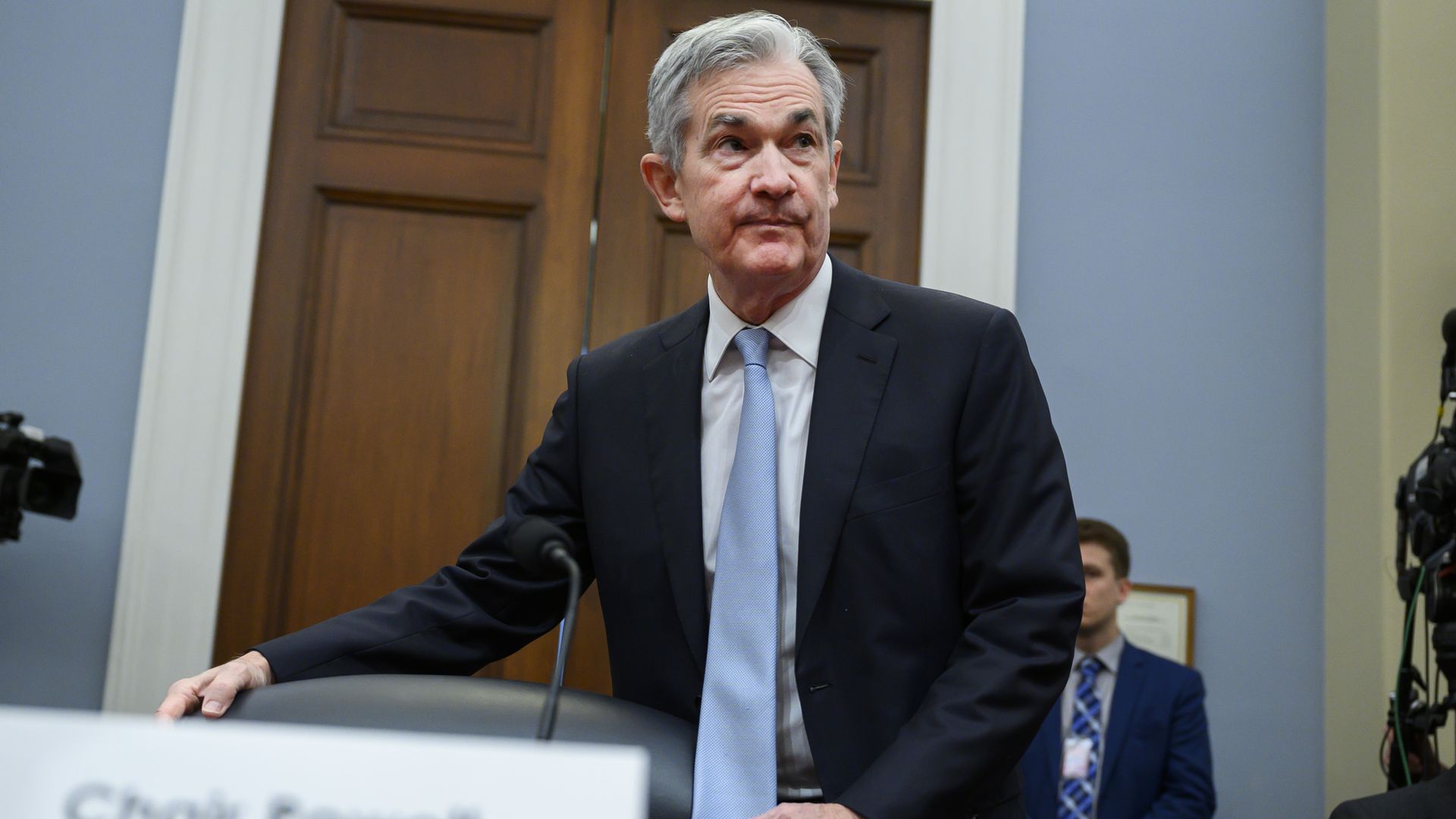
Fed chair Jerome Powell said the Fed’s monetary policy stance is appropriate, for now, though he noted in a speech Monday night the central bank is not on a “preset course.”
Why it matters: It was Powell's final public remarks — and the last opportunity to recalibrate market expectations — before the Fed enters its "quiet period" ahead of the next interest rate decision.
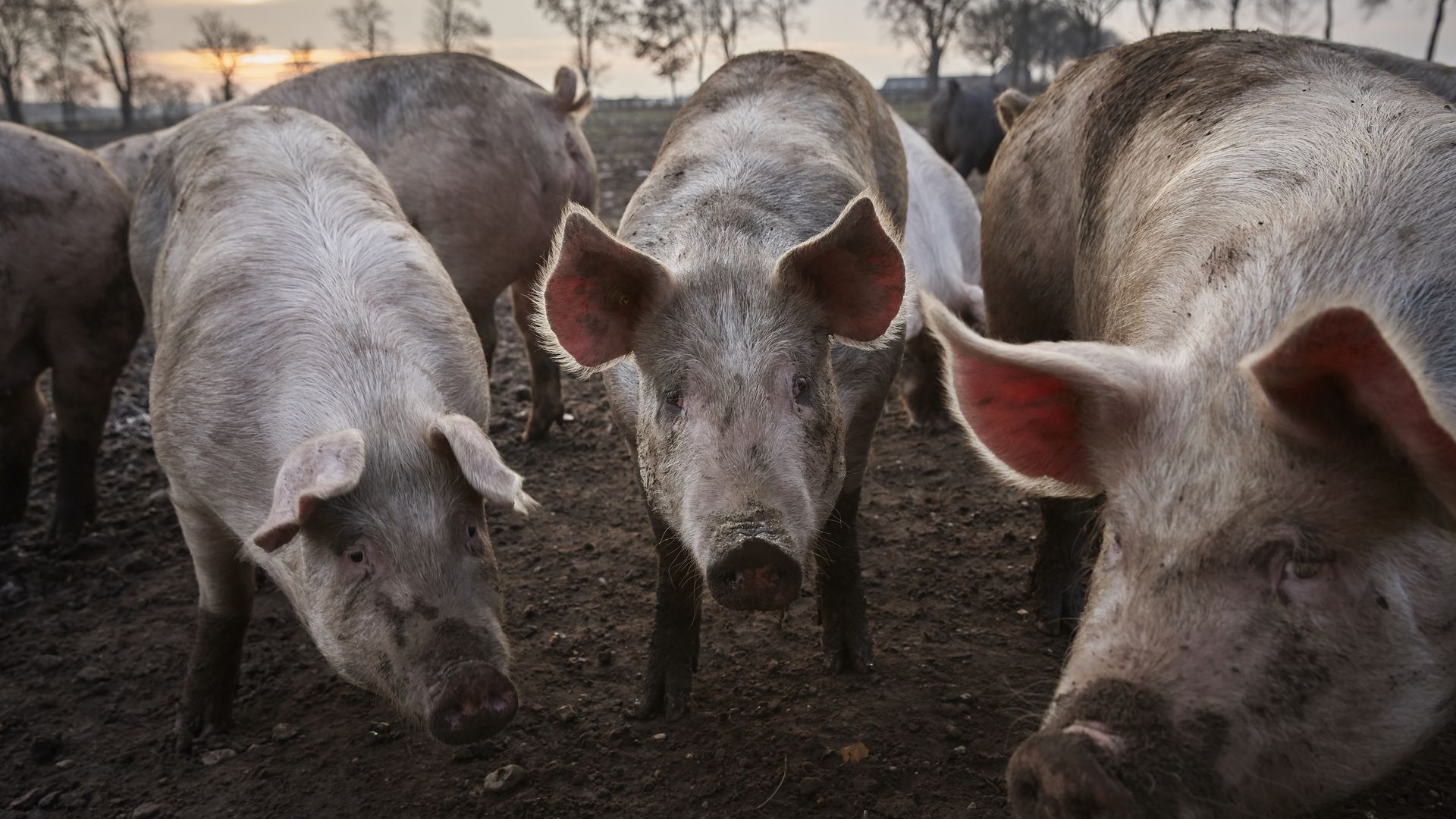
The U.S. pork industry is pushing the Trump administration to focus on increasing access in the Chinese market, worth $24.5 billion over 10 years, during the ongoing trade talks with China, Bloomberg reports.
Why it matters: The Chinese pork market is currently afflicted by the African swine fever that's pushed the cost up by more than 69%— making it the perfect time for American producers to swoop in with its product at a lower cost, per Bloomberg. Other countries, such as Brazil, have been able to cash in on the Chinese demand.
S&P Global Ratings says there is now a 30% chance the U.S. economy enters a recession in the next 12 months — scaling back the 35% recession risk it forecast in August.
Why it matters: A slew of Wall Street economists and analysts now see the outlook for the U.S. economy as rosier than a few months ago. That sentiment is reflected in the stock market, which closed at another record high yesterday.
The corruption indictments issued for Israeli Prime Minister Benjamin Netanyahu last week include charges that he sought to manipulate the media to secure more favorable coverage.
Why it matters: Such interventions have become more prevalent around the world, including in democracies. As we've seen in places like Russia and Turkey, one of the surest signs democracy is being eroded is a crackdown on independent media.