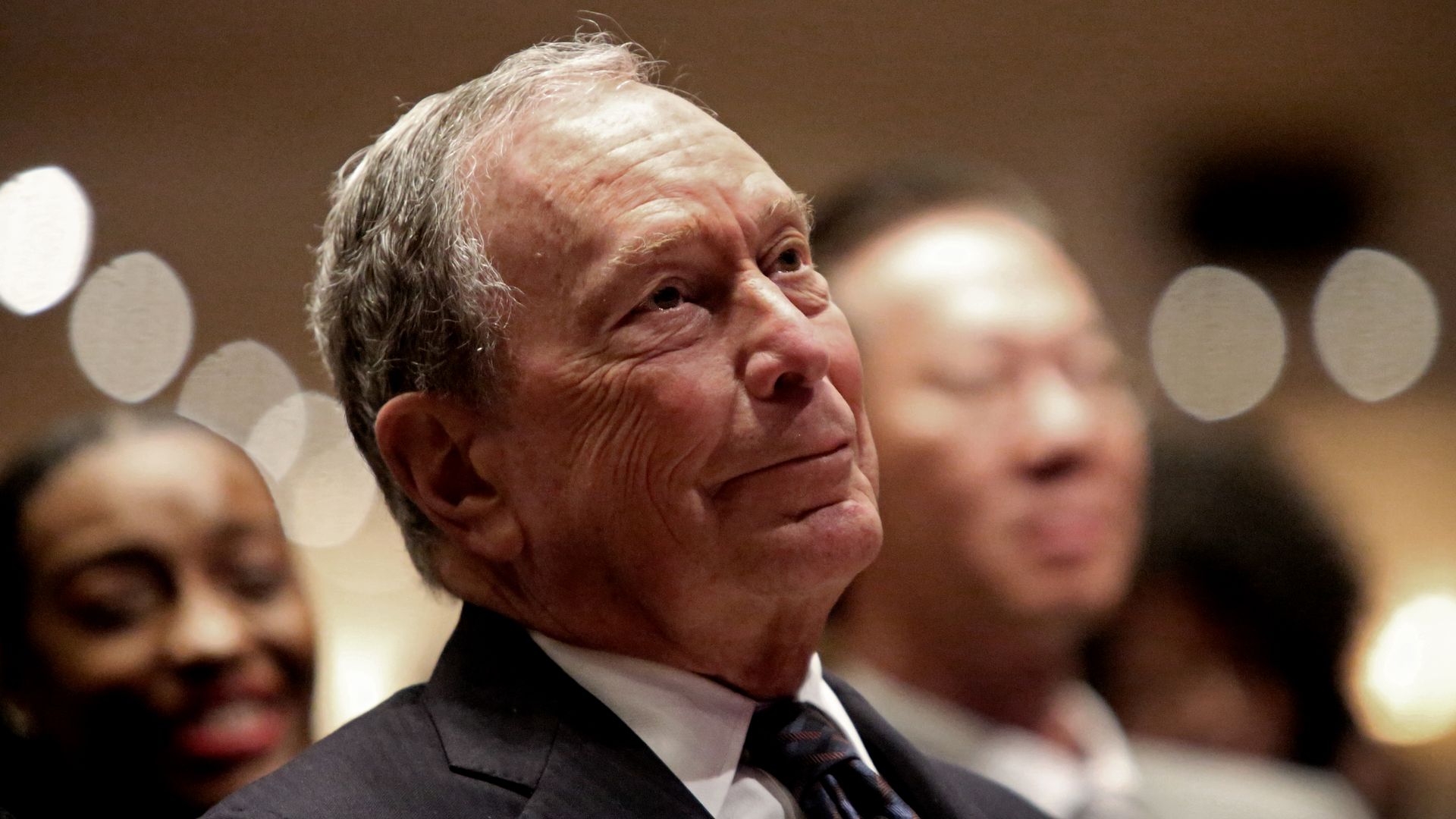
Former New York City mayor and billionaire Michael Bloomberg announced a $31 million TV ad campaign on Friday in several key primary states ahead of an anticipated announcement to enter the 2020 Democratic primary race for president, NBC News reports, citing Advertising Analytics.
Why it matters: The reported figure would be the single biggest ad buy in American campaign history, with Barack Obama holding the previous record at $30 million in 2012. Bloomberg's first ad spend comes as he has filed paperwork to jump into the race, but his campaign team says he has not made a final decision.
Why it matters: Johnson is the company's longest-serving executive, and Airbnb's executive changes are being closely watched as it gears up for a long-awaited IPO.
This week there was a pair of lower-level government roadblocks for the gig economy's path to profitability.
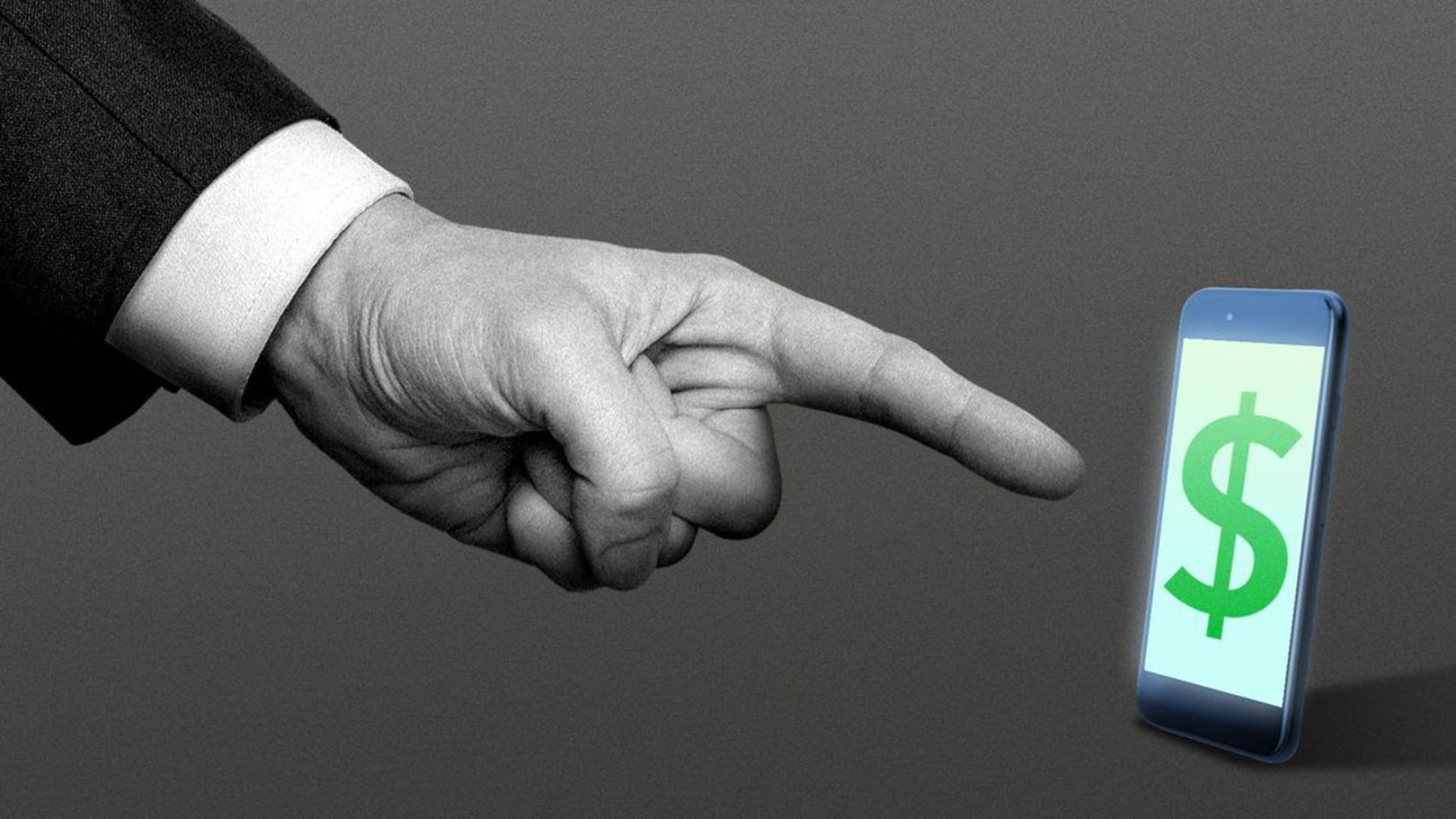
Driving the news: New Jersey fined Uber $649 million for years of back-taxes, including $119 million in interest, for allegedly misclassifying its drivers as independent contractors instead of as employees.
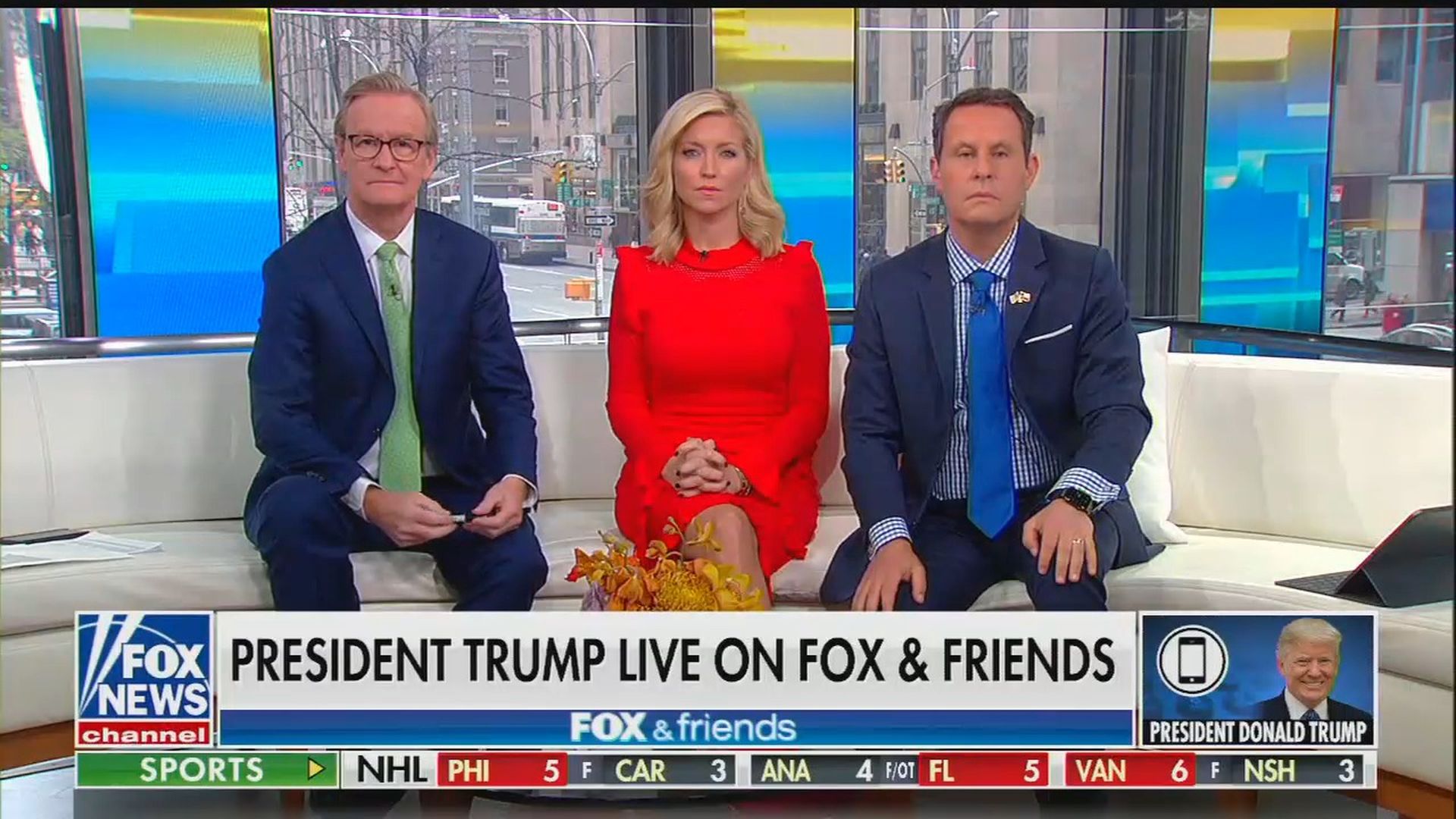
Driving the news: President Trump spent a chunk of the interview repeating a debunked conspiracy theory that Ukraine interfered in the 2016 presidential election. "That's what the word is," he claimed without evidence.
Bridgewater Associates bet more than $1 billion that either the S&P 500, the Euro Stoxx 50 or both will fail by March, the Wall Street Journal reports.
The big picture: The massive wager is one of a growing number of bearish trades as stock markets reach new highs and as some investors worry about a correction. It's also caused the price of some options to rise.
Big retailers like Bed, Bath and Beyond, Target, and TJX Brands are refusing to accept tariff price increases from their brand suppliers, telling the companies they will have to either eat the tariff costs or find another buyer.
Why it matters: This forces the costs of President Trump's trade war with China down to smaller businesses that can hardly afford them, while the big companies keep the impact of tariffs at bay.
In mid-August the yield on WeWork's 2025 junk bond was 6.8%, and this week it hit 16.1%.
The state of play: WeWork's IPO was pulled at the end of September, depriving the company of billions of dollars in IPO proceeds as well as even more liquidity in the form of an attached loan commitment. That news drove the yield on WeWork's bonds up to 11.6%.
Amazon is known for watching what retail products gain traction on its platform and elsewhere and then creating similar products it can sell for less. Dan digs in with Joey Zwillinger, co-founder and CEO of Allbirds, who slams Amazon's knockoff of his company's wool sneakers as being "algorithmically inspired."
The yield on the U.S. 10-year Treasury note touched a three-week low on Wednesday after a Reuters report dashed hopes the U.S. and China would sign a "phase one" agreement before the end of the year.
The details: A trade "deal is still elusive, and negotiations may be getting more complicated," per Reuters.
Google, Facebook, Twitter and Snapchat all made new announcements this week adjusting their political ad policies, placing themselves on a broad spectrum from anything goes to a near-total ban.
Why it matters: Many social media companies are using the ongoing political ad debate to distance themselves from Facebook, which has received the most criticism for its policies. Facebook's rules are the least restrictive amongst the group, because the tech giant believes that the government should regulate political ads, not private companies.
Just 9.8% of Americans moved between 2018 and 2019, per housing data out Wednesday — the lowest percentage since the Census Bureau started keeping track of statistics in 1948, the New York Times first reported.
Why it matters: The data indicates the United States population is "aging, and older people are much less likely to move than younger people. But even younger people are moving less than before," the Times notes.