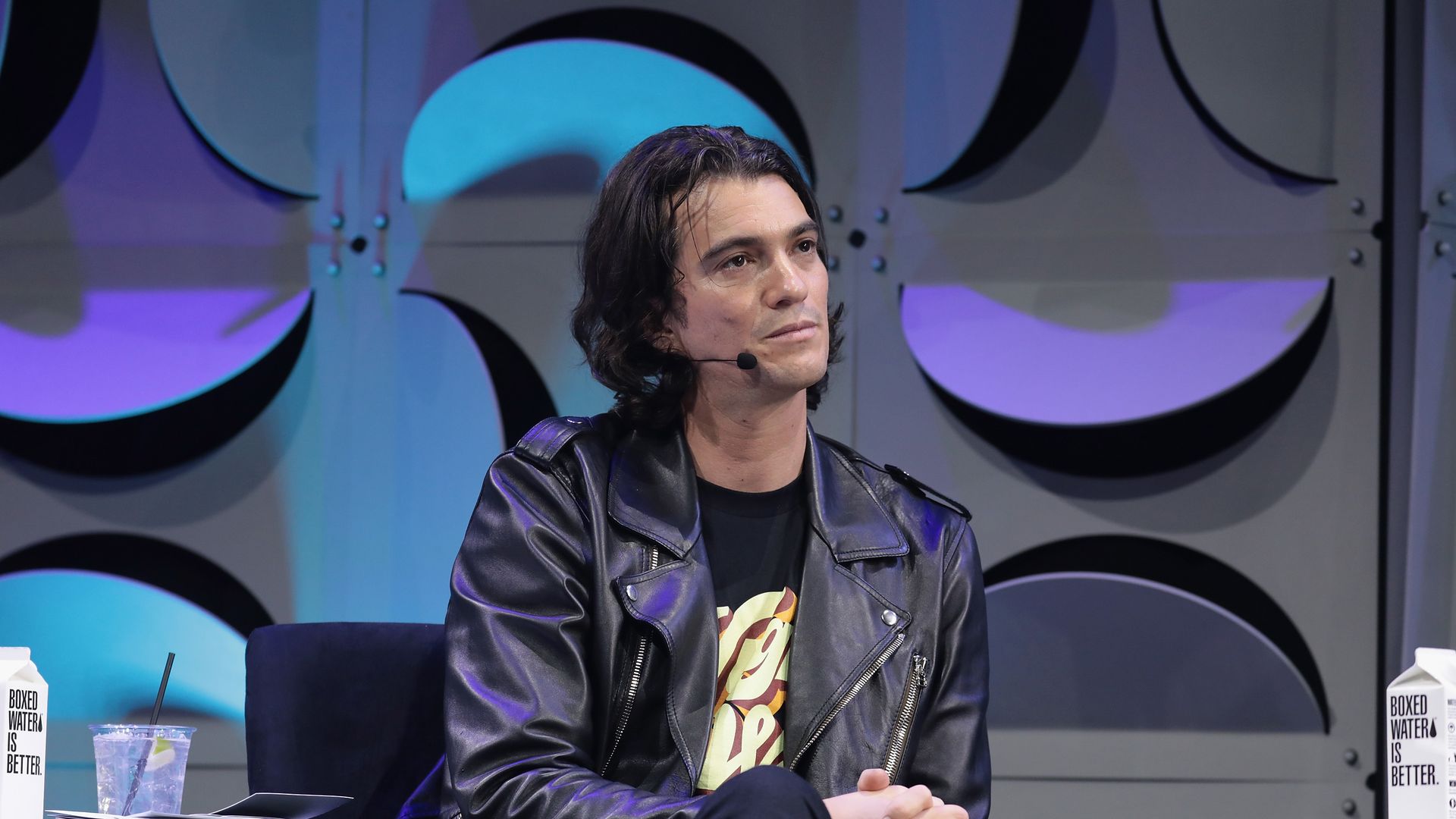
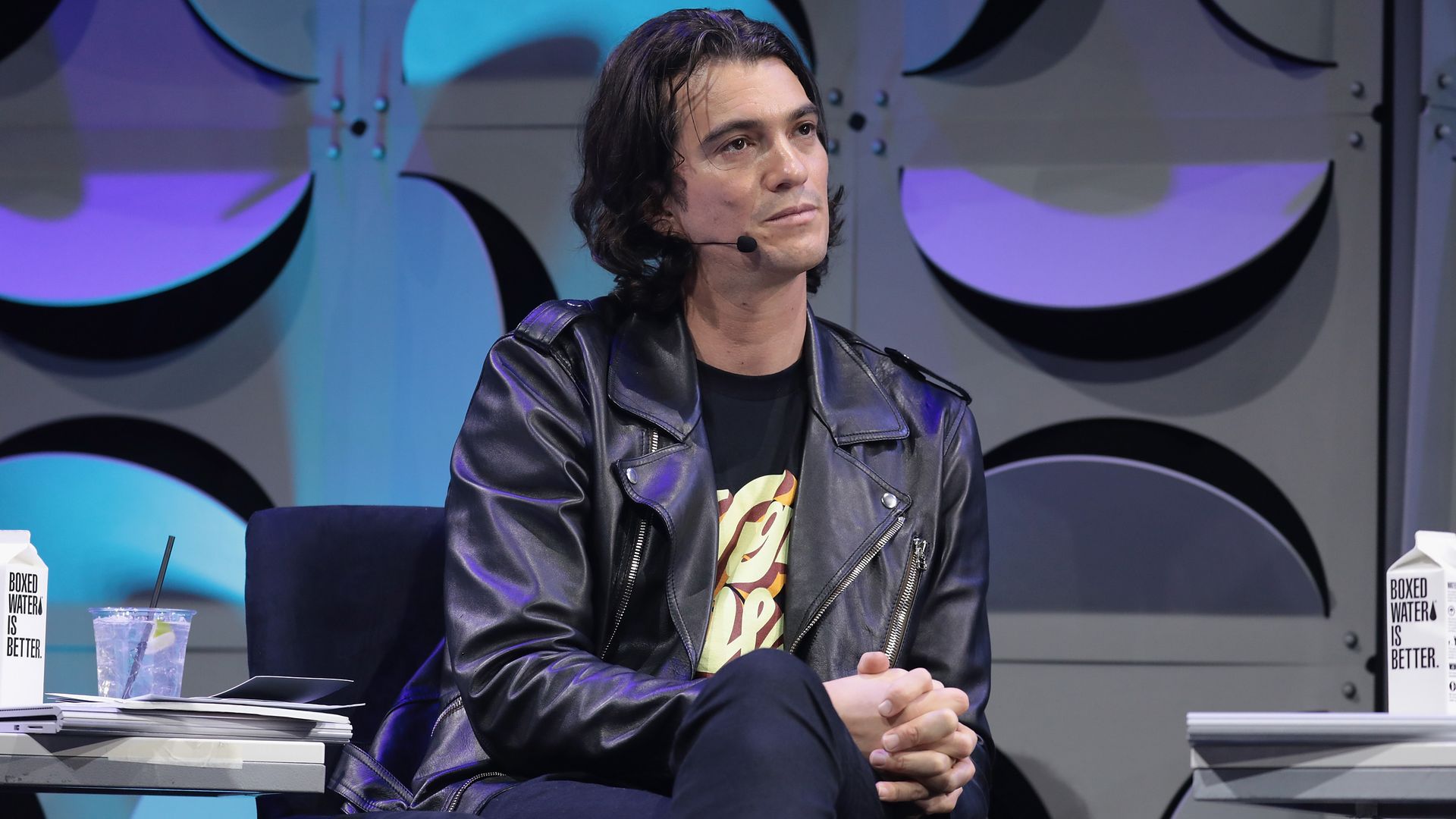
Adam Neumann, co-founder of WeWork, is stepping down as chief executive of its parent company, the We Company, Axios has confirmed. He will become the non-executive chairman of the company while two executives take over as co-CEOs.
Why it matters: For a decade, Neumann was the face of the office co-working company, leading the business to a massive $47 billion valuation before it struggled to get its IPO off the ground over the last couple of weeks.
The Aurora, Colo., movie theater where a 2012 mass shooting took place during a screening of "The Dark Knight Rises" will not show the forthcoming "Joker," reports the Hollywood Reporter.
What's happening: Relatives and friends of those killed also penned a letter about their concerns to Warner Bros. regarding the new film's premiere. It states that they are "calling on [the studio] to be a part of the growing chorus of corporate leaders who understand that they have a social responsibility to keep us all safe."
Heading into Advertising Week, The ad market is healthy and is forecasted to grow slightly higher than expected during the second half of the year due to positive economic growth.
The big picture: It's still mostly controlled by Google and Facebook, and after years of trying to figure out how to take on the "duopoly," publishers have mostly resorted to the same thing they've been trying to do for years: team up.
The Federal Communication Commission's vote to relax decades-old broadcasting ownership rules was struck down Monday by a federal appeals circuit court, dealing a massive blow to local broadcasters looking to consolidate to survive.
Why it matters: It's unclear what the ruling means for the state of current transactions, or the many other companies looking to buy or sell stations based on the new ownership cap that has been struck down by the 3rd Circuit.
The Information has held talks with Bloomberg Media about a bundled subscription, sources tell Axios.
Why it matters: While the talks were preliminary and a potential partnership is not confirmed, both businesses cater to a high-end business consumer, so the audience alignment makes sense.
More than half of money managers think a global economic downturn is likely next year, a survey of 200 institutions that oversee $4.1 trillion in assets found.
Why it matters: It was the first time the survey conducted by Absolute Strategy Research has shown a recession likelihood greater than 50% since the survey began in 2014.
Gold mining companies are on the list of industries wary of spending in this economy.
The big picture: The trade war has dented CEO confidence and many companies are holding off on capital expenditures and large investments, but gold mining companies have typically splurged when prices of the precious metal have risen.
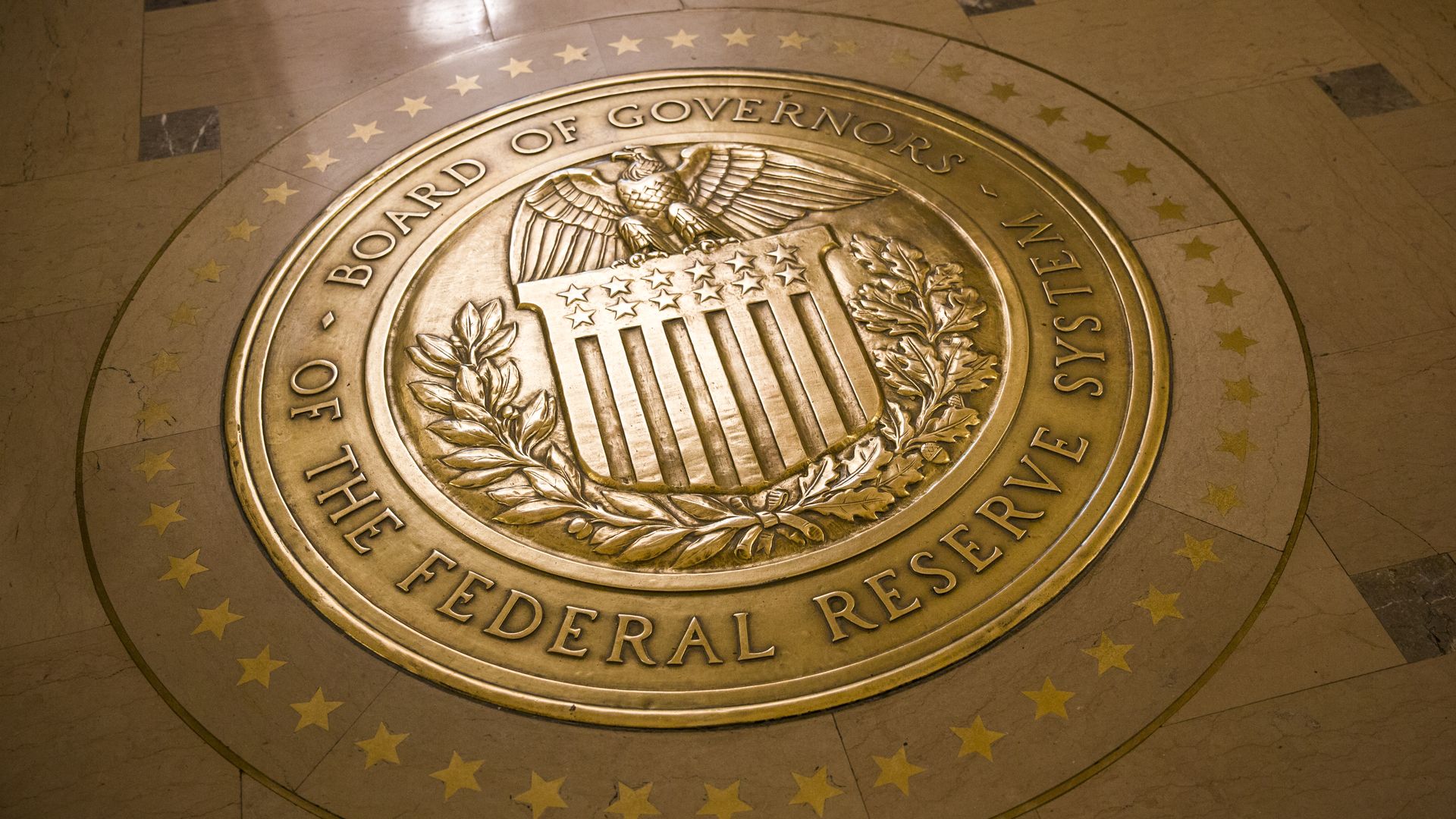
European Central Bank President Mario Draghi and a spate of data releases from IHS Markit on Monday painted an incredibly somber picture of the economic situation in the eurozone.
Why it matters: The eurozone looks like it's headed for recession, if it isn't in one right now. And, as Draghi pointed out, there's little on the horizon that gives much hope for the future.
ROVINJ, CROATIA — Streaming giants looking to grow overseas are shelling out billions to local content producers, fueling a new production economy all over the world.
Why it matters: Companies like Amazon and Netflix need local languages and storylines that are native to the regions where they need to win over subscription budgets. They can't do that from Hollywood.
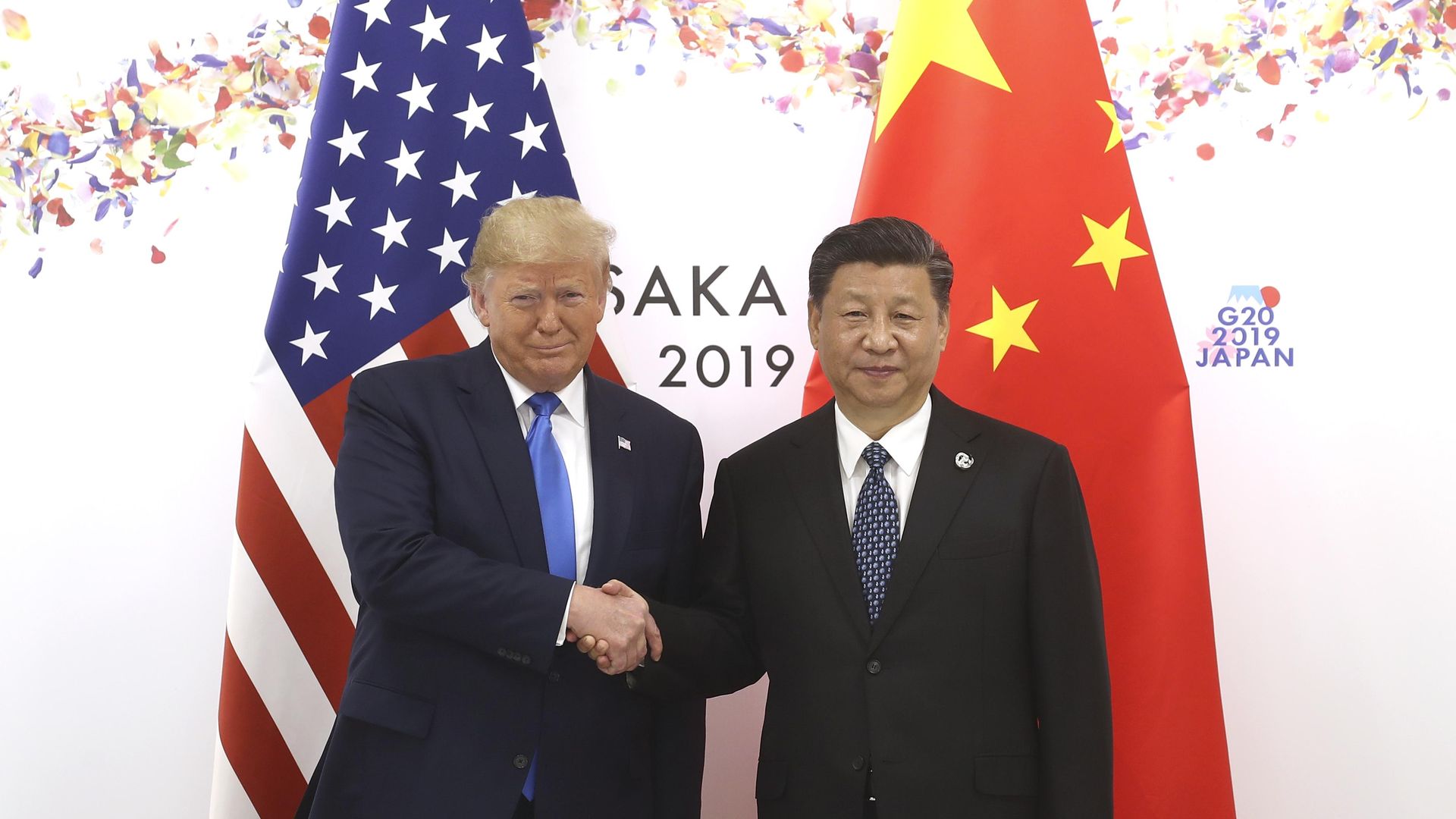
Farmer subsidies from the Trump administration aimed at mitigating the effects of the U.S.-China trade war have reached $28 billion, about double the amount of money shelled out in the government bailout of Detroit automakers in 2009, Bloomberg reports.
Why it matters: Trump's bailout still doesn't cover all of the farmers' losses. The government has provided $973 million in aid to Iowa farmers during a trade war that is estimated to have cost them $1.7 billion in losses, according to Iowa State University researchers cited by Bloomberg.
Why it matters: The effects of the U.S.-China trade war and record spring rainfalls across the center of the country left many farmers unable to fully plant their crops, requiring them to find new sources of income.
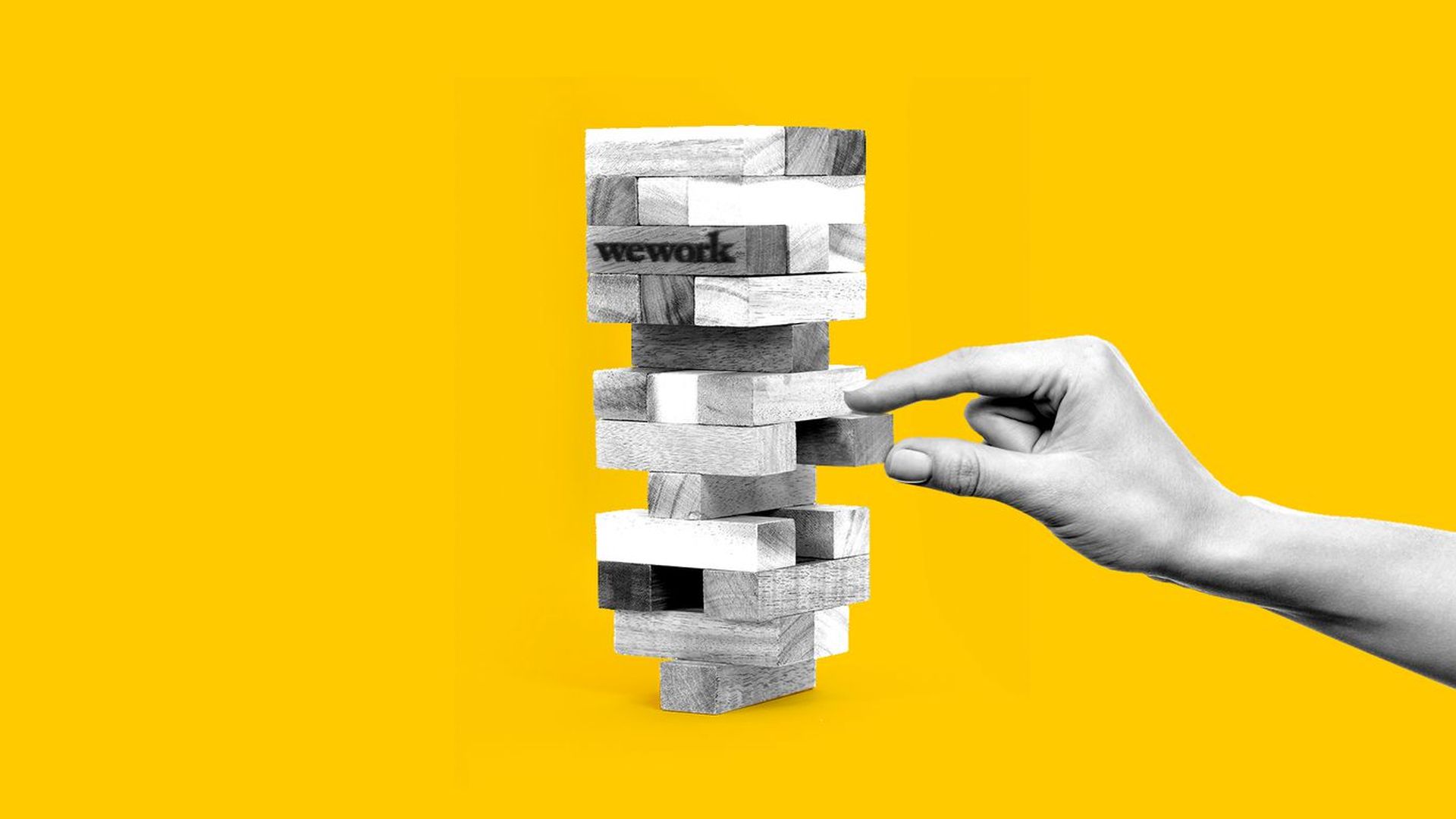
The WeWork soap opera had been scheduled to take a short hiatus, at least until Q3 numbers could be compiled, but then the company surprised everyone with a pop-up episode over the weekend.
What's happening: The WSJ reported yesterday that "a bloc of WeWork directors is planning to push Adam Neumann to step down as chief executive." CNBC added that SoftBank's Masayoshi Son supports the move.
For 25 years Silicon Valley has built successful companies by handing control to inventive and driven but sometimes eccentric or reckless startup founders. From Facebook to Google, these leaders often receive special kinds of voting stock that let them sell shares to the public — and become fabulously wealthy — while retaining power over their firms.
Why it matters: As the latest wave of tech startups lines up for its string of IPOs, the pendulum may be swinging the other way — with investors demanding problematic founders step back or cede control.
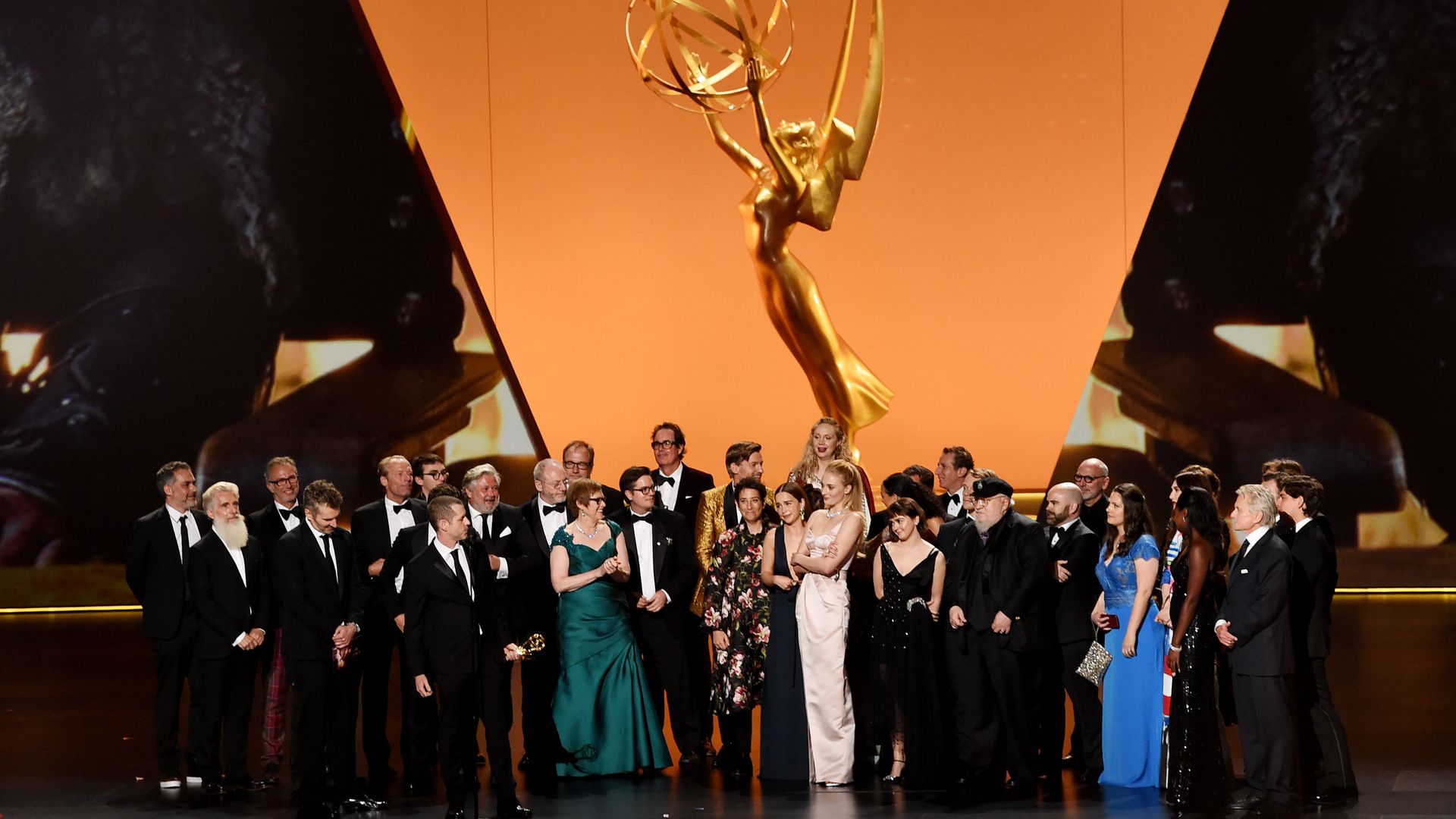
HBO managed to thwart competition from big streaming companies again Sunday night, taking home far more Emmy wins than any other network or streaming company.
Yes, but: Other legacy cable and broadcast networks otherwise had a rough night. All other broadcast and cable networks combined nabbed 24 awards — 10 fewer than HBO.
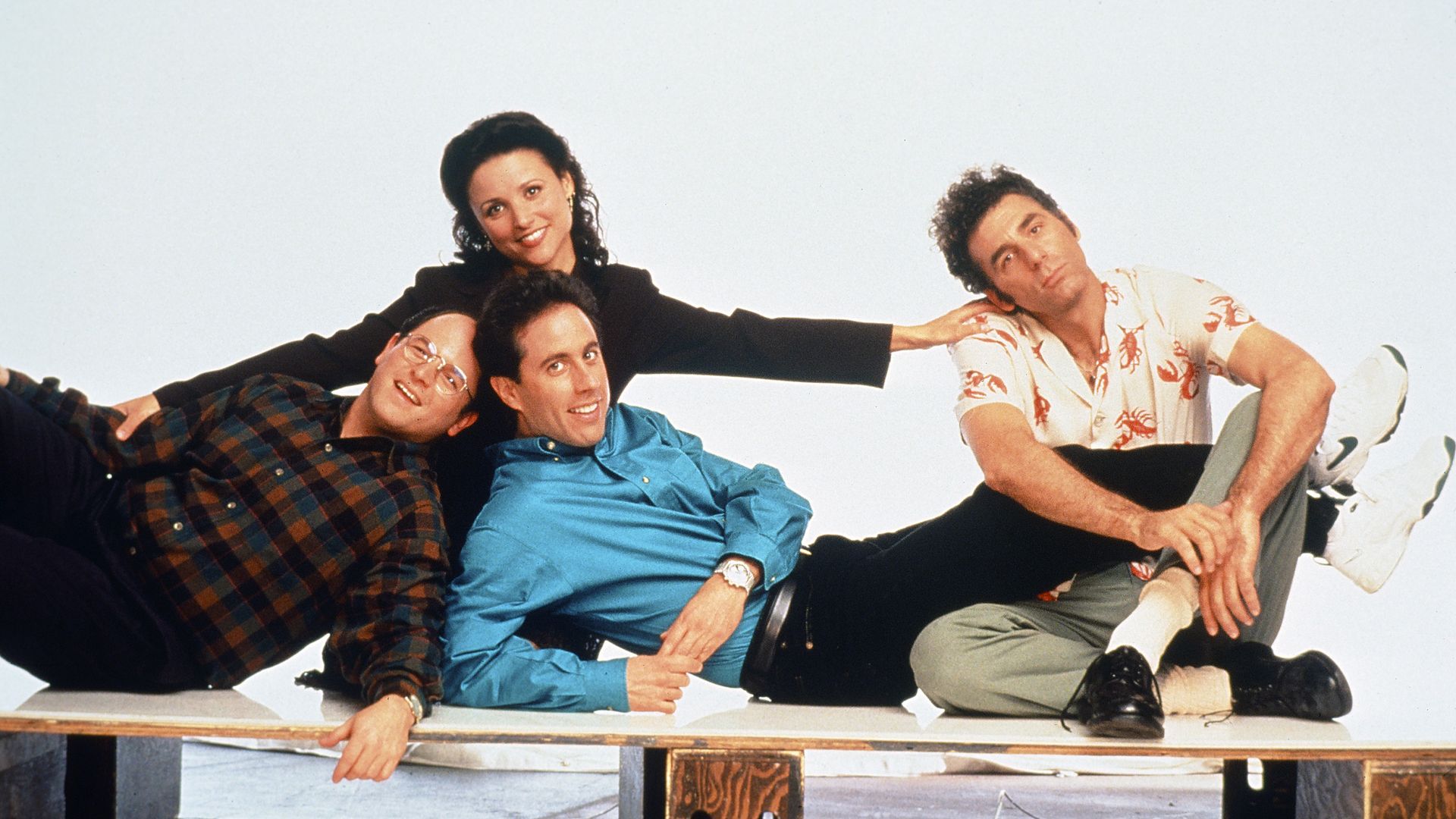
Streaming services are putting up billions of dollars to win the rights to TV classics like "Friends" and "Seinfeld," both of which debuted over 2 decades ago on broadcast.
Why it matters: Many of these classic shows had previously been made available on other streaming services, but they're now being scooped up — and often for a lot more cash — by rivals that think they're necessary to compete for users.