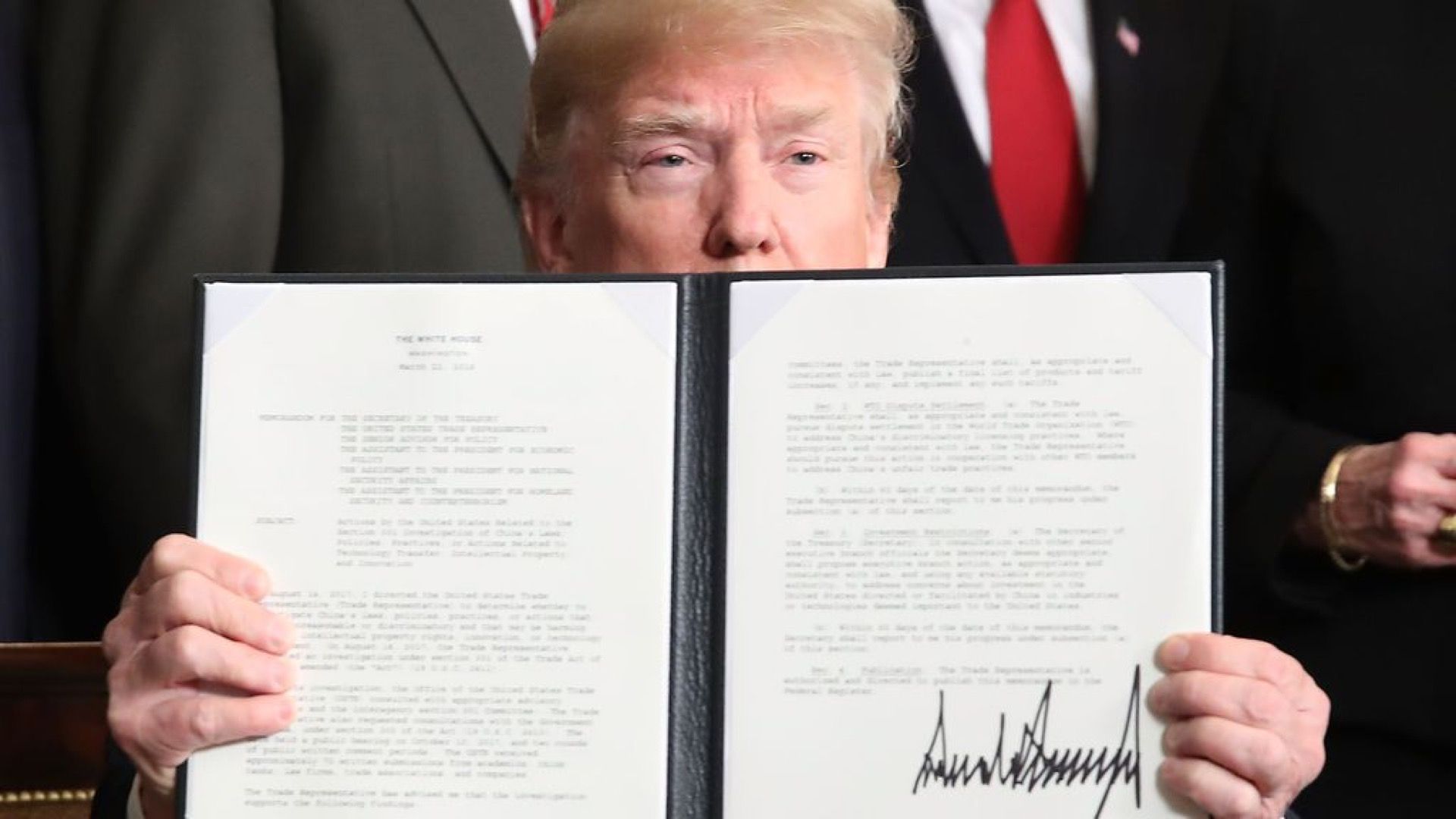
U.S. trade representative Robert Lighthizer said in a briefing with reporters Monday he will put out a Federal Register notice tomorrow saying that the Trump administration will raise tariffs on $200 billion of Chinese goods from 10% to 25%, and that importers will begin paying the new tariffs "the first minute of Friday."
Why it matters: The business community and markets had been cautiously hopeful that Trump's Sunday tweets were an empty threat to create leverage over China and that he'd ultimately back down. That's still possible, of course, but Lighthizer made clear he didn't think that was going to happen.
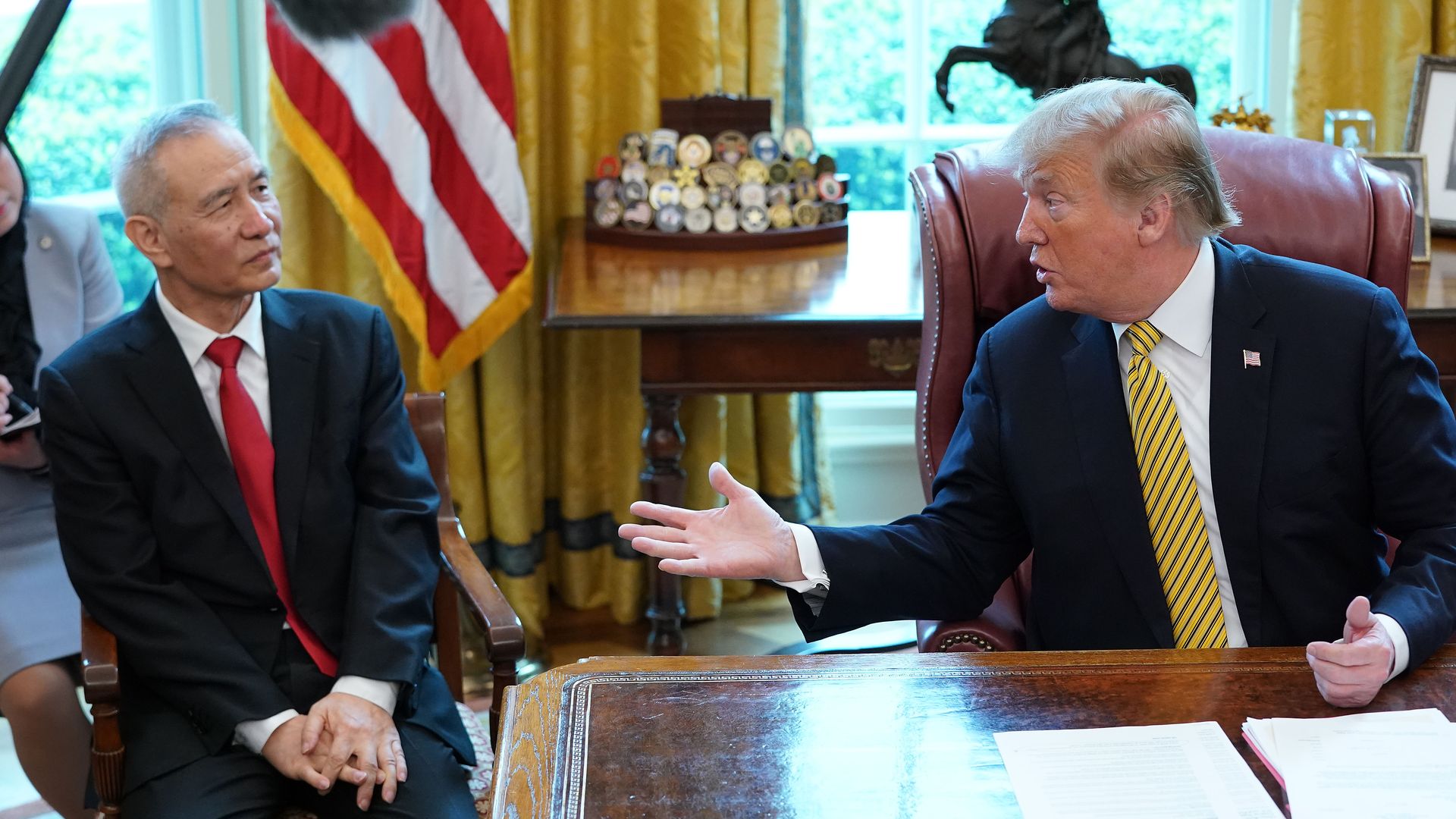
A delegation from China is set to arrive in Washington this week for trade talks despite President Trump's new threat to increase tariffs on $200 billion of Chinese imports from 10% to 25% on Friday, CNBC reports.
The big picture: A source with knowledge of the situation told Axios' Jonathan Swan that the Chinese had been backing off of agreements the U.S. negotiating team believed they had already made, injecting heightened uncertainty into what was supposed to be the last stretch of trade talks. Sources with knowledge of the talks told CNBC that it’s unclear whether Vice Premier Liu He, a crucial figure in the trade talks, would lead the group, which will likely be smaller than originally planned.
Just as entire communities revolved around the automobile, steel and other industries in the last century, many places in America now depend almost entirely on e-commerce giants like Amazon.
Why it matters: E-commerce has created the new factory town. "The pendulum is swinging back, bringing jobs to places that had been left behind" as manufacturing plants closed down, says Michael Mandel, chief economic strategist at the Democratic-leaning Progressive Policy Institute.
President Trump hit a 46% approval rating in Gallup's tracking poll, the highest thus far in his presidency.
The big picture: Gallup notes that Trump's bump is likely due to good economic news — higher than expected GDP and jobs growth — and the administration's interpretation of the Mueller report, which the president erroneously claimed exonerated him of allegations of collusion and obstruction.
Dan talks about Uber's upcoming IPO with New York Times columnist Farhad Manjoo, who recently wrote that the deal is a "moral stain on Silicon Valley."
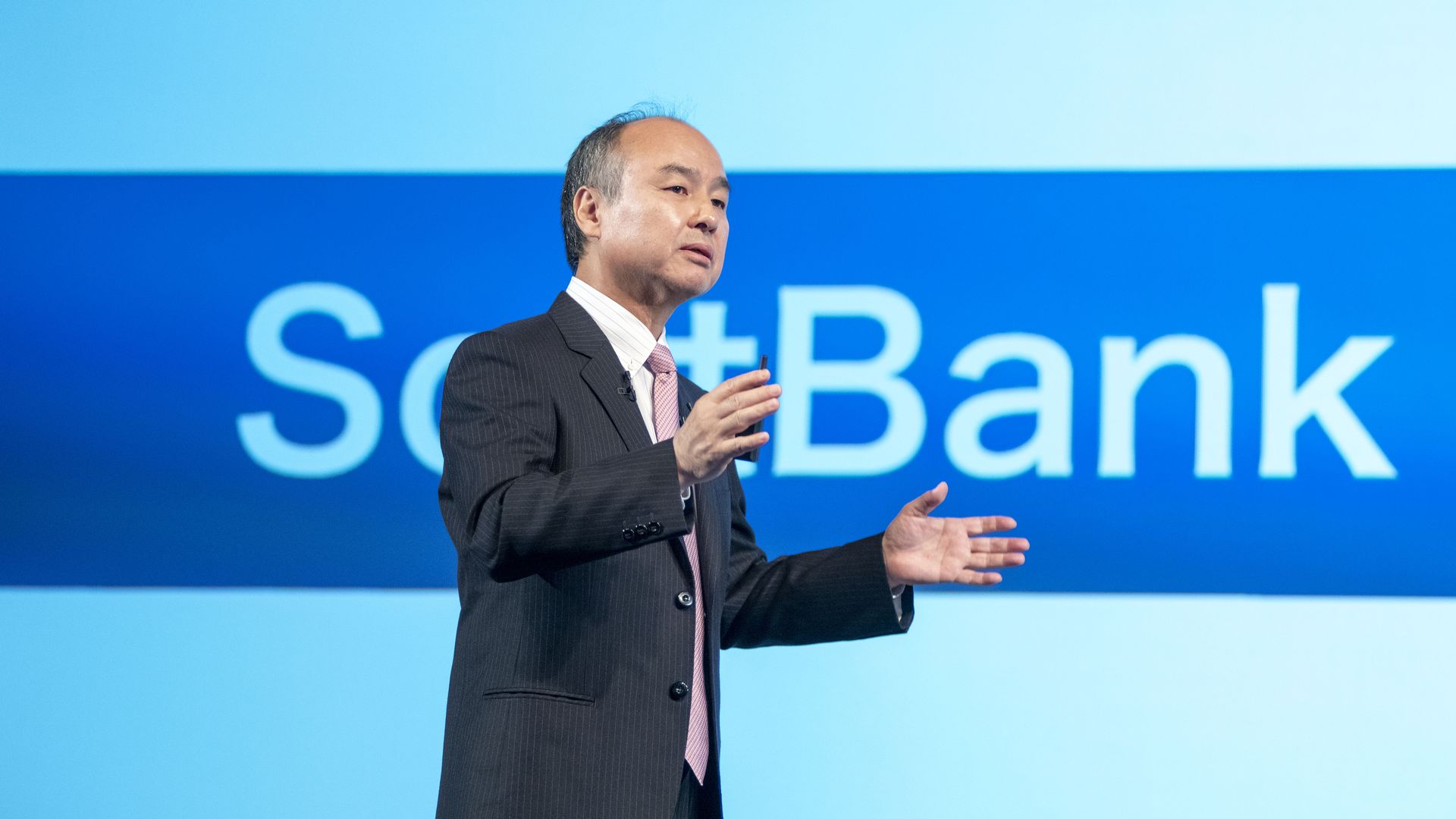
SoftBank is considering an IPO for its $100 billion Vision Fund, which would require some regulatory jujitsu to avoid U.S. regulatory prohibitions on non-accredited investors buying into alternative investment funds.
My thought bubble: I'd guess that SoftBank's lawyers can work their way around the SEC, particularly given that the current rules seem to codify a distinction without a difference.
Data out of Europe has gotten worse and worse as the year has gone on, but a pick-up in Chinese trade numbers and first quarter GDP appear to have steadied the eurozone as well.
The big picture: Consumer prices in the euro area rose 1.7% last month, the strongest since November, Bloomberg reports, with core inflation, rising to 1.2%. Both readings beat economists estimates, and put an exclamation point on the economic bloc's stronger-than-expected 0.4% increase in GDP during the first quarter. It was twice the pace of Q4's growth and also beat economists' expectations.
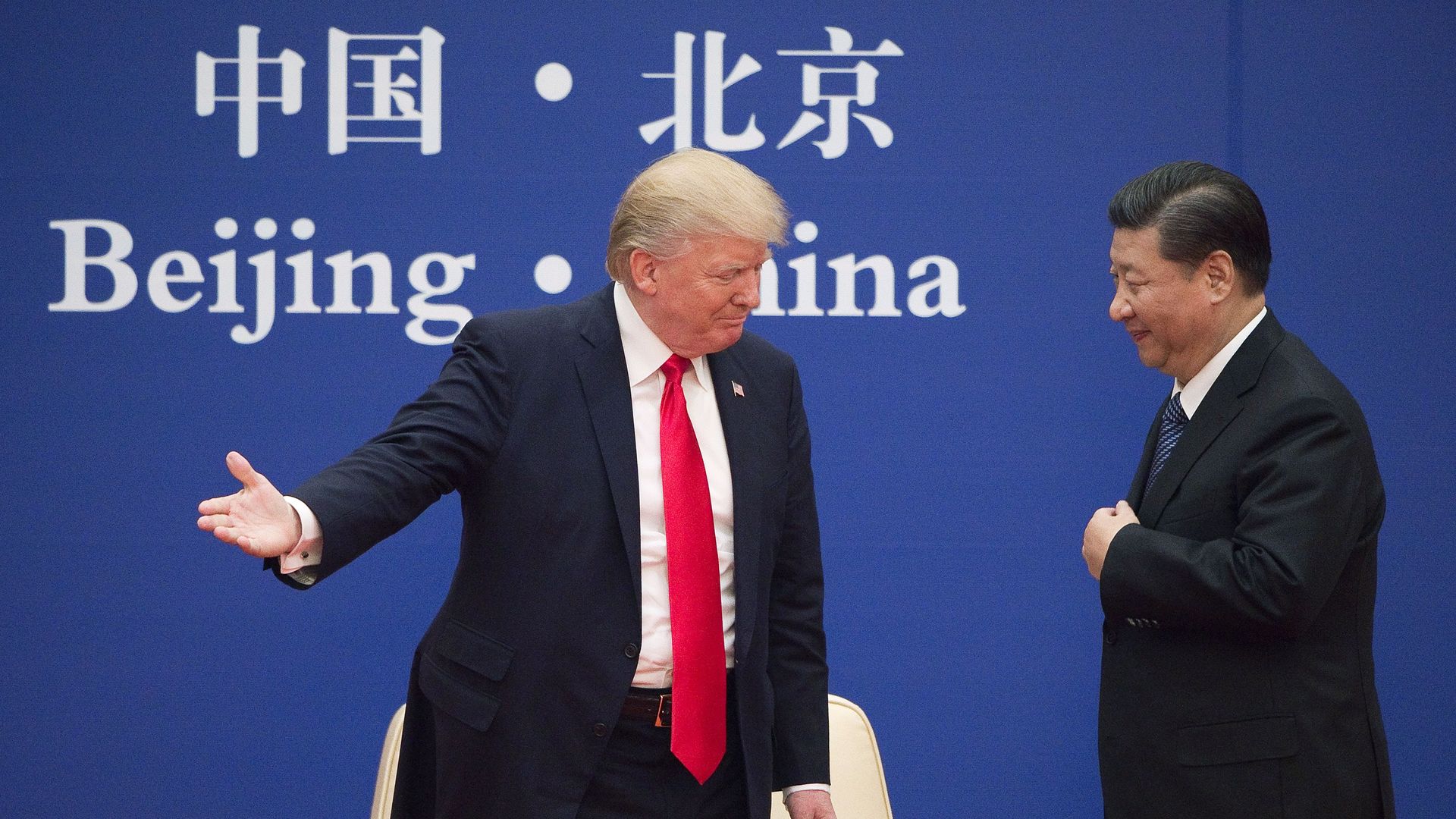
The plot has thickened and the characters have developed as President Trump announced plans to re-engage 2018's tariff battle with China.
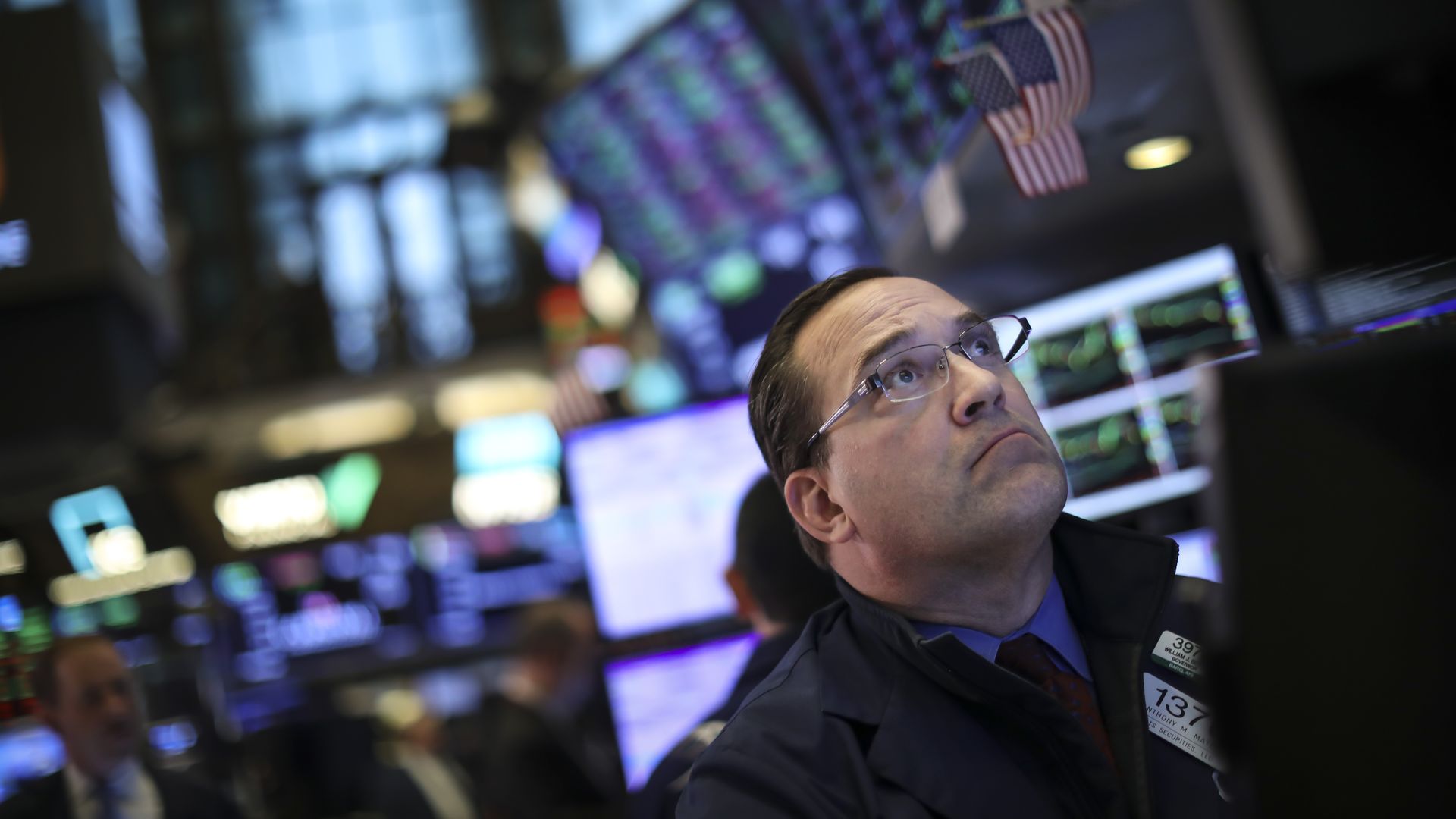
By the numbers: Chinese stocks fell more than 6% at one point, Dow futures dropped more than 500 points and the Chinese yuan weakened significantly after Trump sent 2 tweets yesterday threatening more U.S. tariffs on imported Chinese goods.
Uber and Airbnb are among at least six California-based companies valued at more than $1 billion expected to go public this year, creating a new class of millionaires and billionaires and a potential windfall for state budget writers, the AP reports.
Why it matters: It's an enticing way for lawmakers to fund chosen causes — a temptation legislative leaders are trying to resist. Lawmakers can't count on the money being there every year, and they want to learn from past mistakes.
Stock futures plummeted Sunday evening, after President Trump said tariffs on $200 billion of China's goods would be raised to 25%, as trade talks between the 2 countries stalled.