"Avengers: Endgame" made an estimated $644 million on Friday, its opening day — smashing global box office records, per CNN.
By the numbers: The comic-book inspired film made an estimated $487 million overseas. The film also surpassed its predecessor "Avengers: Infinity War," which had an opening weekend of $630 million, Vox reports. Approximately 8,000 showings of the film are reportedly sold out across the U.S. for the weekend, per BGR.
The New York Times has issued a statement calling it an "error of judgment" to publish an anti-Semitic cartoon in its international paper on April 25, which depicted Israeli Prime Minister Benjamin Netanyahu as a guide dog for a blind President Trump.
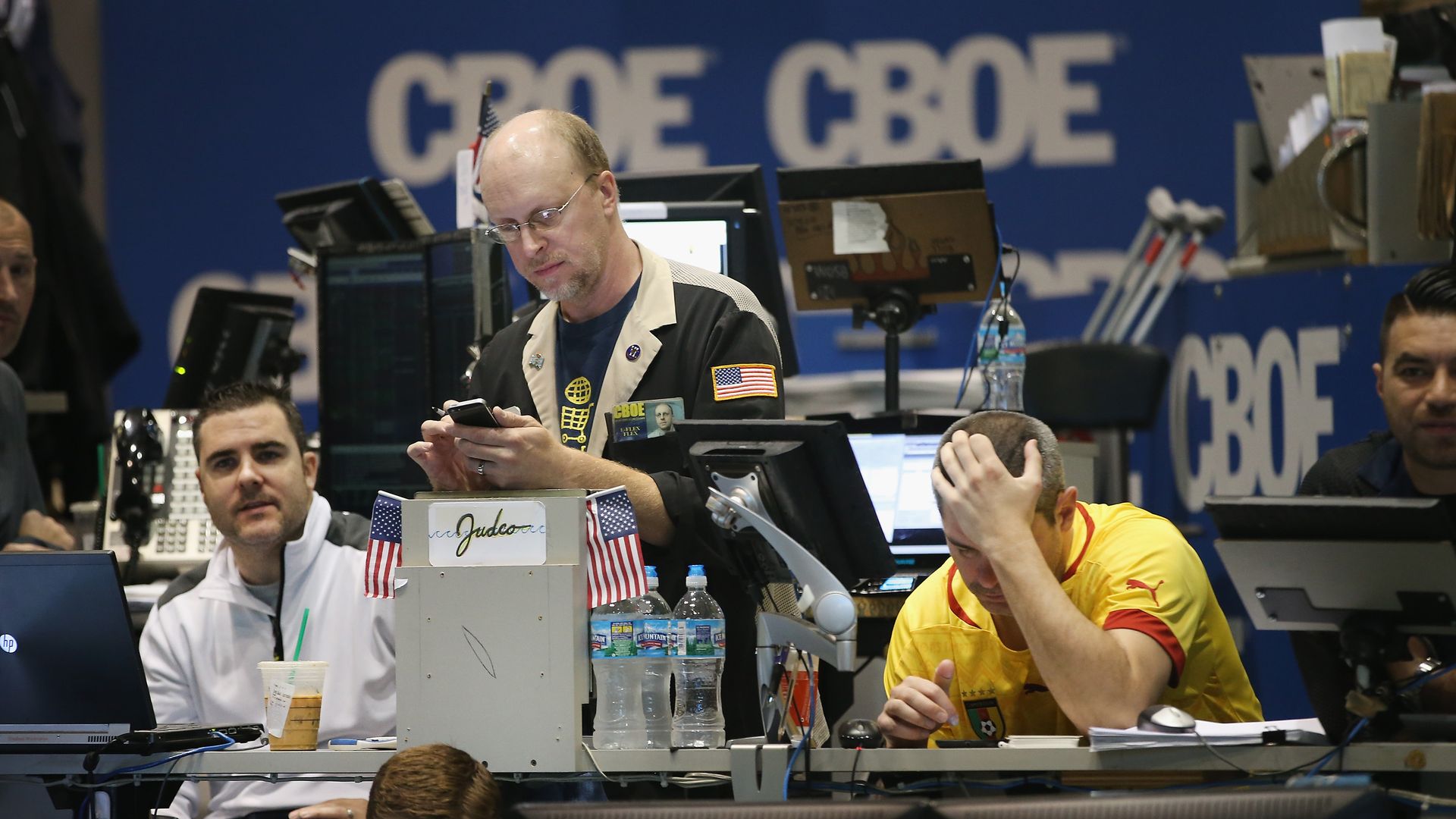
Betting that Wall Street's calm will last, hedge funds are shorting the Chicago Board Options Exchange (CBOE) Volatility Index (VIX) — or the so-called "fear gauge" — "at rates not seen in at least 15 years,” Bloomberg reports.
Why it matters: “[A]ggressive bets against the VIX are, depending on your worldview, evidence of either confidence or complacency," Bloomberg's Sarah Ponczek writes. Aggressive bets against the VIX were shown to be the largest in weekly data going back to 2004.
More Americans are working than ever before, but a growing number of them aren't 9-to-5 employees, nor skilled freelancers who negotiate their compensation.
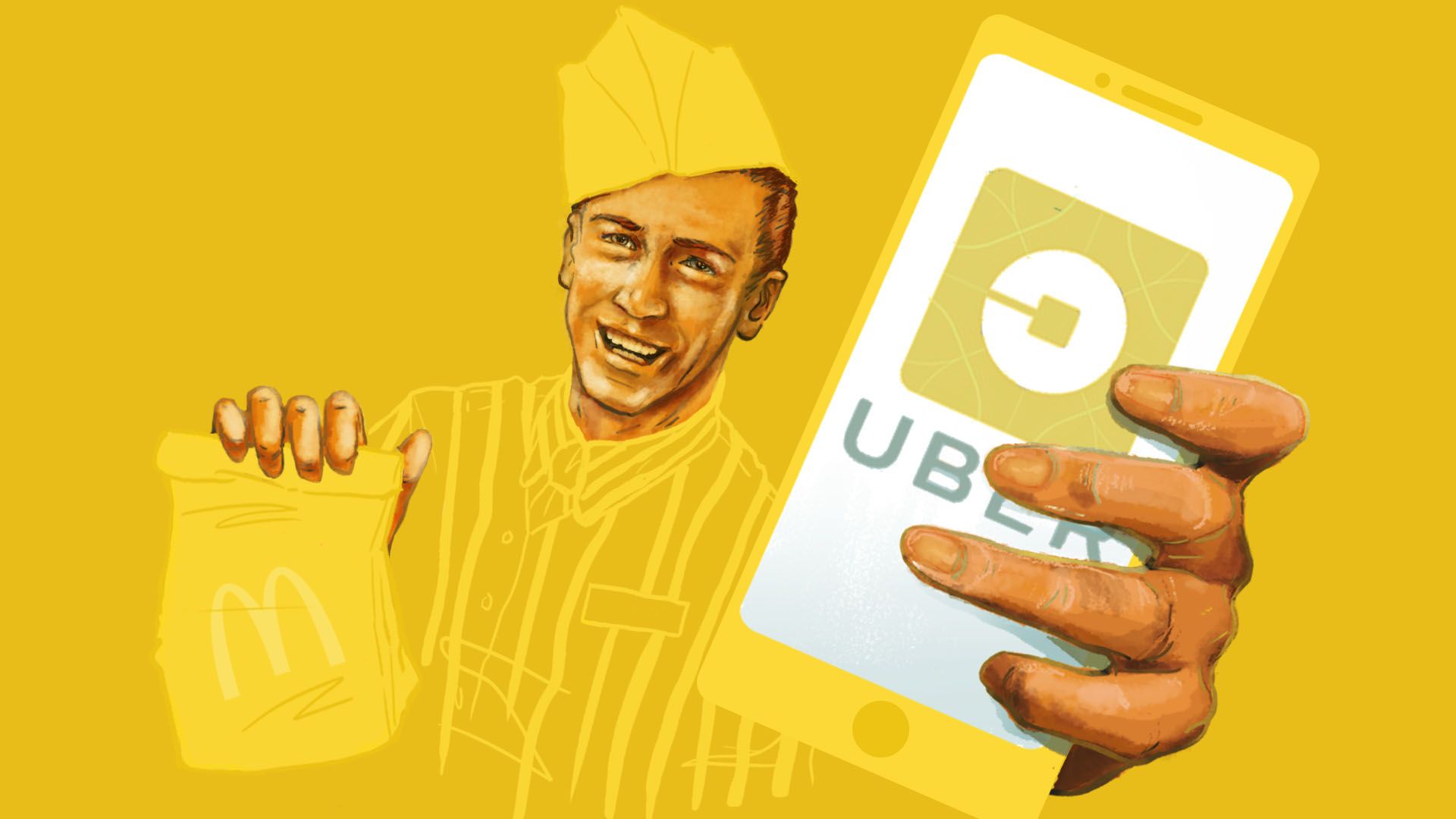
Between the lines: Instead they are your Uber driver, your DoorDash food deliverer or your Rover dog-walker.
Most on-demand companies currently lose money, using investor cash to subsidize their services.
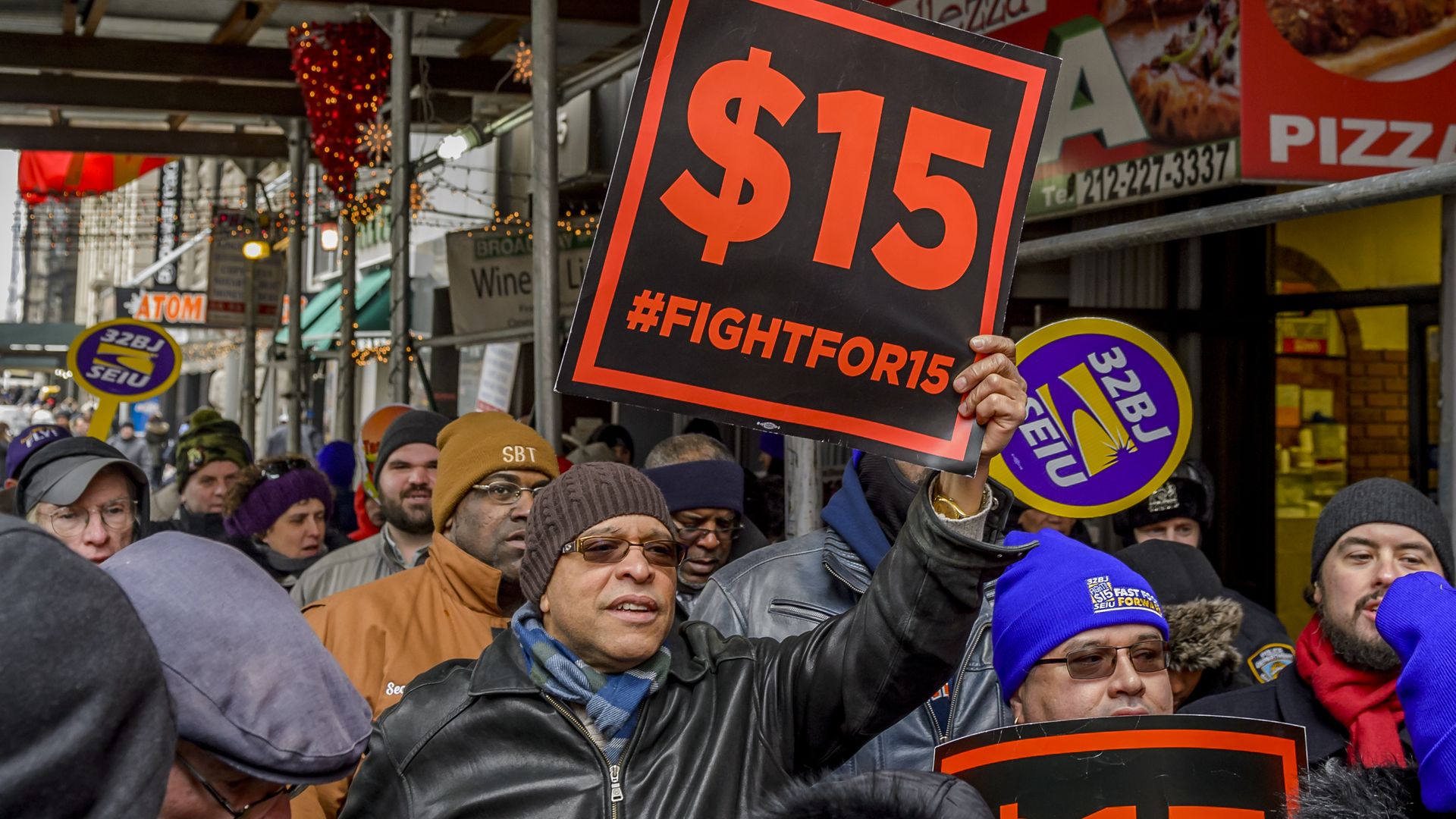
The big picture: That red ink tide could become a tsunami if the minimum wage is significantly increased — via a federal mandate that includes on-demand workers, specific laws aimed at on-demand workers (as recently happened in New York City), or courts ruling that on-demand workers should be classified as employees.
On-demand work is just as respected as its traditional counterpart, even if many on-demand workers feel shame, according to a SurveyMonkey poll conducted for Axios.
By the numbers: 76% of respondents said that gig economy work was equally respectable or more respectable than traditional work. 67% said that gig economy workers work more or the same hours as traditional workers, but 48% believe they earn less.
Online shopping and the gig economy haven't just disrupted traditional brick-and-mortar business, they're disrupting the way U.S. job growth, wage data and inflation are tracked, asserts a new paper from the Dallas Federal Reserve.
What it means: There has been an increase in the number of workers in the gig economy who are either working as contractors or are self-employed, but report themselves as employed. These workers often have less bargaining power and lower wages than full-time employees.
TaskRabbit is an on-demand platform that lets users request almost any sort of service, including putting together furniture made by IKEA (which bought TaskRabbit in 2017).
The intrigue: But some of the tasks are simply bizarre, according to a report from CNBC:
For Mark Ferguson, delivering food orders for DoorDash was a means to an end after getting separated and needing extra cash — but he says it’s “not a career” and “there’s no ladder to climb."
Why it matters: While on-demand companies often tout the flexibility of the jobs they create, many workers find them unsustainable.